Mississippi Apprentice Hunter License Rules
It can feel overwhelming when you’re new to hunting, or if you’re trying to introduce someone to the tradition. The idea of jumping through all the hoops—licenses, regulations, and especially hunter education requirements—can be a real barrier, especially if you’re not even sure if hunting is something you or your mentee will truly enjoy. That’s where Mississippi’s Apprentice Hunter License comes in, offering a fantastic pathway to experience hunting firsthand under the guidance of an experienced hunter before fully committing to the hunter education course.
Understanding the Mississippi Apprentice Hunter License
The Mississippi Apprentice Hunter License isn't just another piece of paper; it's a thoughtful approach by the state's wildlife department to lower the entry barrier for aspiring hunters. The core idea is simple: allow individuals who haven't yet completed a formal hunter education course to still get out into the field and hunt, provided they are closely supervised by a certified, experienced mentor. This program acknowledges that sometimes, the best way to learn is by doing, and that firsthand experience can be a powerful motivator to complete the full education requirements down the line.
What an Apprentice License Means for New Hunters
For many folks, particularly adults who didn't grow up hunting or perhaps older teenagers looking to dip their toes into the outdoor lifestyle, the thought of sitting through a hunter education course before ever setting foot in the woods can be a real deterrent. It's a significant time commitment, and without knowing if hunting is truly for them, it can feel like a gamble. The apprentice license removes this initial hurdle, acting as a "try before you buy" pass. It allows new hunters to experience the thrill of the chase, the quiet solitude of a deer stand, or the camaraderie of a duck blind, all while learning from a seasoned pro.
Imagine someone who’s always been curious about deer hunting. They've heard stories, seen photos, but never had the chance. Without the apprentice license, they'd need to block out several hours for a hunter education course, invest in some gear, and then finally get to hunt. With the apprentice license, a friend or family member who’s already a hunter can say, "Hey, let's get you an apprentice license, and you can come with me this weekend. See what it's all about." This makes the introduction to hunting much more organic and approachable, fostering a love for the outdoors through direct engagement rather than classroom instruction first. It’s an incredibly valuable stepping stone for growth.
Who Can Obtain and Use This License
The Mississippi Apprentice Hunter License is designed for both residents and non-residents who are 16 years of age or older and who have not yet completed a hunter education course. It’s important to understand this specific age requirement because Mississippi has slightly different rules for younger hunters. For instance, individuals under 16 years old actually don’t need a hunter education course or an apprentice license at all to hunt, as long as they are accompanied by a licensed hunter who is at least 21 years old. So, while the apprentice license can be used by someone under 16, its primary target audience is really those 16 and up who are new to hunting and want to bypass the immediate hunter education requirement.
The beauty of this license is its inclusivity. Whether you’ve just moved to Mississippi from a state with different hunting laws, or you're a long-time Mississippian who's just now finding your passion for the outdoors, this license offers a legitimate path to participation. It acknowledges that not everyone's journey into hunting looks the same, and that sometimes, a little flexibility can make all the difference in recruiting new conservationists to the fold.
Eligibility and How It Works
The success and safety of the apprentice hunter program hinge entirely on the mentor system. It's not a free pass to hunt alone; rather, it’s a structured way to ensure that new hunters learn the ropes responsibly and safely, directly from someone who already knows them. This mentor requirement is the backbone of the entire program, ensuring that proper ethics, safety, and regulations are taught and observed in the field.
The Mentor Requirement: Who Can Guide an Apprentice
For an apprentice hunter to legally hunt in Mississippi, they must be "accompanied" by a qualified mentor. This isn't a casual definition; the Mississippi Department of Wildlife, Fisheries, and Parks (MDWFP) is very clear about what constitutes a qualified mentor. The mentor must be at least 21 years old, possess a valid Mississippi hunting license themselves, and, crucially, must have successfully completed a hunter education course. The only exception to the hunter education requirement for the mentor is if they were born before January 1, 1972, in which case they are exempt from hunter education by state law.
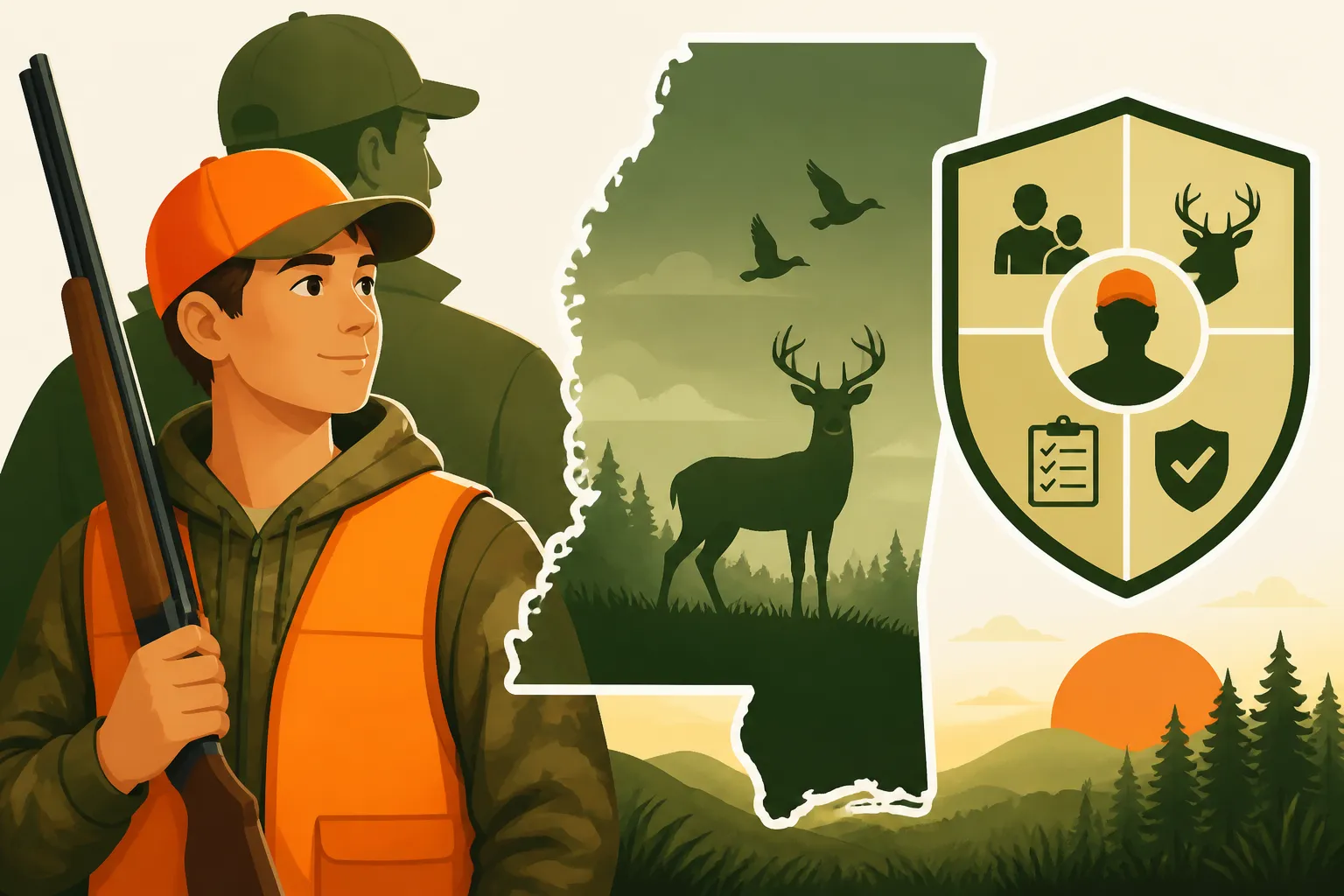
The term "accompanied" is also key here. It doesn't mean the mentor is just in the same hunting camp or even in the same general area. It means they must be within normal voice communication and in direct sight of the apprentice at all times while hunting. This ensures immediate intervention if a safety issue arises or if the apprentice needs guidance on identifying game, understanding shot placement, or navigating complex regulations. Picture this: you're in a deer stand with your mentee, quietly watching a food plot. You're close enough to whisper instructions, point out deer trails, and confirm whether a buck meets legal antler restrictions. Or maybe you're walking a fencerow for rabbits, and you're side-by-side, discussing proper gun handling and ethical shot opportunities. This hands-on, direct supervision is what makes the apprentice license program effective and safe.
Specific Rules and Restrictions While Hunting
While the apprentice license offers a great opportunity, it does come with specific rules to ensure safety and responsible hunting. First and foremost, the apprentice hunter is bound by all standard Mississippi hunting regulations regarding season dates, bag limits, and legal methods of take for the specific game they are pursuing. An apprentice hunter using this license needs to understand, for example, Mississippi's Deer Season Structure Explained, just like any other hunter. The apprentice license does not grant any special exceptions to these rules.
Furthermore, an apprentice hunter cannot hunt unsupervised, ever. Their presence in the field is contingent upon their qualified mentor being present and actively supervising them. This means that if the mentor needs to leave the area for any reason, the apprentice hunter must also cease hunting activities. The apprentice license is typically valid for one license year, allowing ample time to gain experience. However, it's generally understood as a temporary solution, a bridge to full hunter education certification, rather than a permanent alternative. It's designed to give you a taste of hunting, encouraging you to then complete the formal training to hunt independently. For hunters looking to acquire their standard hunting license after gaining experience, understanding what a Mississippi Resident Sportsman's License entails will be the next step.
| Hunter Type | Hunter Education Required? | License Required? | Accompaniment Required? | Accompaniment Age/Certification |
|---|---|---|---|---|
| Under 16 | No | Yes (Youth License, if applicable) | Yes | Licensed hunter, 21+ |
| 16+ with Hunter Ed | Yes | Yes (Standard License) | No | N/A |
| 16+ with Apprentice License | No (initially) | Yes (Apprentice License) | Yes | Licensed hunter, 21+, with hunter ed |
| Born before Jan 1, 1972 | No | Yes (Standard License) | No | N/A |
Benefits and Limitations of the Apprentice License
Every tool has its purpose, and while the Mississippi Apprentice Hunter License is a fantastic resource, it’s crucial to understand both its strengths and its limitations. It opens doors but doesn't hand you the keys to the entire hunting kingdom just yet. Knowing these nuances helps aspiring hunters and their mentors make the most of the opportunity and plan for the future.
The "Try Before You Buy" Advantage
The most significant advantage of the apprentice license is its ability to eliminate the initial barrier of hunter education. For many individuals, especially adults who are curious about hunting but haven't committed to it fully, the idea of spending hours in a classroom or online learning about regulations and safety before ever feeling the crisp morning air in a deer stand can be a major turn-off. The apprentice license flips that script, allowing direct, hands-on experience under the watchful eye of a seasoned hunter. This immediate immersion can be incredibly powerful, demonstrating the joys, challenges, and responsibilities of hunting in a way no textbook ever could.
Think of a busy parent who wants to introduce their child to hunting but struggles to find the time for both of them to complete a hunter education course simultaneously. With the apprentice license, the parent (if certified) can take the child out, teach them directly, and see if the child genuinely enjoys the experience before investing the time and effort into formal education. It’s also a boon for friends or family members who want to share their passion. A conversation like, "I'll get you set up with an apprentice license, and you can come Deer Drives With Three or Four Hunters with us next month," is much more inviting than, "First, you need to find a hunter education course, pass it, and then we can talk." This flexibility helps foster participation and allows a natural progression into the hunting community.
Important Considerations and What It Doesn't Cover
While the apprentice license is fantastic for initial exposure, it's vital to remember that it's not a permanent substitute for full hunter education. Its primary function is to serve as a probationary period, a chance to gain experience. Eventually, to hunt independently and fully embrace the sport, completing a certified hunter education course is essential. The license is designed with this progression in mind.
Another significant limitation, as discussed, is the absolute requirement for constant, direct supervision by a qualified mentor. An apprentice hunter cannot hunt alone or even be out of sight and voice contact with their mentor. This means solo trips, even to a familiar hunting spot, are off-limits until full certification is achieved. Additionally, while the apprentice license covers the basic hunting privilege, it doesn't exempt the holder from other necessary permits or stamps. If you're planning to hunt on a Wildlife Management Area (WMA), you'll still need the appropriate WMA permit. If you're pursuing migratory birds, a federal duck stamp and HIP certification are still required. Tools like GoHunt can be incredibly useful for new hunters and their mentors to look up public land boundaries and regulations, but they won't issue the licenses themselves. Furthermore, the mentor bears a considerable responsibility—legally and ethically—for the apprentice's safety and adherence to all regulations. Any misstep by the apprentice could reflect directly on the mentor, highlighting the importance of diligent supervision and instruction.
Transitioning Beyond the Apprentice License
The apprentice hunter license is truly a gateway, not a destination. It’s an invaluable tool for taking those first steps into the hunting world, but the ultimate goal for most aspiring hunters is to gain the knowledge and certification needed to hunt confidently and independently. This transition is a crucial phase, solidifying safe and ethical hunting practices for a lifetime.
Moving Towards Full Hunter Certification
Once an apprentice hunter has gained some field experience and developed a genuine interest in continuing the tradition, the logical next step is to complete a formal hunter education course. This is where the comprehensive knowledge base comes in, covering everything from firearm safety and marksmanship to wildlife identification, game laws, ethical hunting, and even basic survival skills. Mississippi offers various options for hunter education, including in-person classes and online courses, followed by a field day or a proctored exam. You can find detailed information on how to fulfill these requirements by searching for "Mississippi Hunter Education Requirements" through the MDWFP website.
Completing hunter education isn't just about getting a card; it's about building a solid foundation of knowledge and confidence. It means understanding "Mississippi Legal Firearms for Deer Hunting" or proper Shot Placement on a Feral Hog, and knowing how to handle unexpected situations safely. Once certified, you'll be able to purchase a standard hunting license, such as the Mississippi Resident Sportsman's License, which grants you the freedom to hunt independently, without the constant supervision of a mentor (though having hunting buddies is always a good idea!). This newfound independence is incredibly empowering and allows hunters to explore the vast opportunities that Mississippi offers, from Hunting the Mississippi Rut by Unit to Squirrel and Small Game Hunting in Mississippi.
Long-Term Mentorship and Ethical Hunting Practices
Even after completing hunter education and earning full certification, the role of mentorship doesn't necessarily end. In fact, it often evolves into a deeper, more collaborative relationship. An experienced hunter can continue to guide a newer hunter, sharing insights on advanced tactics, scouting techniques, and nuanced understandings of wildlife behavior. This ongoing mentorship helps ingrain ethical hunting practices, emphasizing fair chase, respect for wildlife, and the importance of conservation. It’s about passing down not just skills, but also the rich traditions and values that define the hunting community in Mississippi.
New hunters, even with certification, can still benefit immensely from learning how to, for example, read subtle signs in the woods, or how to react to Hunting Pressure on Mississippi Public Land. This ongoing learning process helps foster a deeper appreciation for the outdoors and ensures that the legacy of responsible hunting continues for generations. Using resources like GoHunt to scout new areas or track weather patterns can complement this practical field education, preparing hunters for a lifetime of rewarding outdoor experiences. Remember, hunting is more than just pulling a trigger; it's a commitment to conservation, ethical behavior, and lifelong learning, and the apprentice license is a fantastic way to start that journey responsibly.
Disclaimer
Please note that hunting regulations, license requirements, and season dates are subject to change by the Mississippi Department of Wildlife, Fisheries, and Parks (MDWFP). Always consult the most current MDWFP official regulations guide or website before planning and participating in any hunting activities. This article is intended for informational purposes only and does not constitute legal advice.