How Close a Mississippi Mentor Must Stay
It can feel a bit daunting, can't it? Introducing a new hunter to the field, especially a younger one, comes with a lot of responsibility. One of the most common questions I hear from seasoned hunters and new mentors alike is exactly how close you need to stay to your apprentice in Mississippi. This isn't just about following a rule; it's about ensuring safety, providing guidance, and creating a positive, legal hunting experience for everyone involved. This guide will meticulously break down Mississippi's mentor proximity rules, offer practical advice, and shed light on what "direct supervision" truly means when you're out there.
Understanding Mississippi's Apprentice Hunter Program
Mississippi, like many states, recognizes that getting new hunters into the woods is vital for the future of our hunting heritage. They also understand that not everyone has completed a full hunter education course before they're ready to experience the field firsthand. That's where the Apprentice Hunter Program comes in, offering a fantastic pathway for newcomers, regardless of age, to learn by doing under the watchful eye of an experienced mentor. It's designed to be a bridge, allowing individuals to gain confidence and practical skills before committing to the full certification process.
The Philosophy Behind Apprentice Hunting
At its heart, the apprentice program is built on the time-honored tradition of mentorship. Think about how many of us learned to hunt – tagging along with a parent, an uncle, or a family friend, absorbing knowledge through observation and hands-on experience. The Mississippi Department of Wildlife, Fisheries, and Parks (MDWFP) formalized this by creating a legal framework that encourages this kind of direct, experiential learning. It acknowledges that some lessons are best taught in the field, not just in a classroom. The goal is to provide a safe, structured environment for aspiring hunters to get their feet wet, to understand the rhythms of the woods, the ethics of the hunt, and the mechanics of their equipment, all while under immediate, qualified supervision. It's about fostering a love for the outdoors and responsible hunting practices from day one. This program is a wonderful way to introduce someone to the joy of Hunting the Mississippi Youth Gun Weekend or even Spring Turkey Hunting in Mississippi with a trusted guide.
Who Qualifies as an Apprentice and Mentor
So, who can be an apprentice, and who can be a mentor? It’s pretty straightforward, thankfully. An apprentice hunter is any individual who hasn't yet completed a hunter education course but wants to try hunting. There isn't an age restriction on being an apprentice, which means adults new to hunting can also take advantage of this program. This is a crucial point because sometimes folks assume it's only for kids, but that's not the case. As for the mentor, the rules are clear: the mentor must be at least 21 years of age and hold a valid Mississippi hunting license (or be exempt from needing one, like landowners hunting on their own property). They're not just a chaperone; they're the primary instructor, responsible for the apprentice's safety and adherence to all hunting regulations. They are the one passing on the knowledge, the ethics, and the practical skills. It’s an important role, and the state places a lot of trust in these mentors to uphold the spirit of the program. If you're considering this, make sure you understand all the Mississippi Hunter Education Requirements for both yourself and your apprentice down the road.
The "Close Proximity" Rule Explained
Now, let's get down to the brass tacks of what everyone wants to know: how close does that mentor really need to be? This is where the rubber meets the road, and it's a rule that sometimes confuses even seasoned hunters. The MDWFP regulations for the Apprentice Hunter Program are specific, and it’s important to understand them thoroughly to avoid any misunderstandings or, worse, safety issues in the field.
Defining "Direct Supervision" in Practice
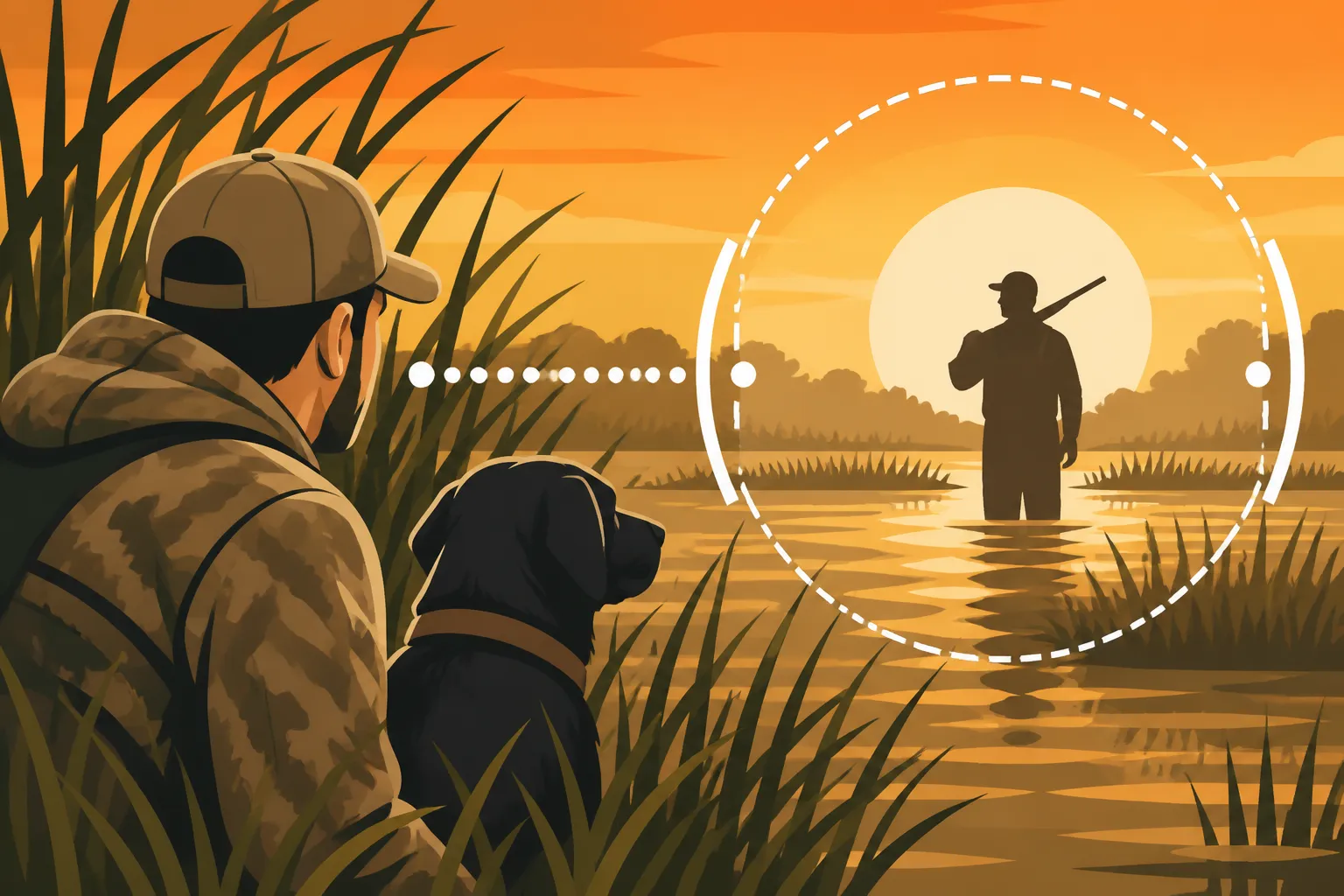
Mississippi's regulations state that an apprentice hunter must be "accompanied by a licensed or exempt hunter at least 21 years of age, and must be in sight and normal voice contact with the apprentice." This is the cornerstone. "In sight and normal voice contact" doesn't mean you can just yell across a sprawling field or know your apprentice is "somewhere over there." It implies a much closer, more immediate form of supervision. Imagine you're in the woods: can you see your apprentice clearly, without binoculars, and can you speak to them at a normal conversational volume and expect them to hear and respond without shouting? If the answer is no, you're likely too far apart. This isn't just about being able to give instructions; it's about being able to intervene instantly if there's a safety concern, an ethical dilemma, or a question about game identification. It ensures that the mentor can truly provide How Close a Mississippi Mentor Must Stay, offering real-time guidance and ensuring proper firearm handling and shot placement. Tools like GoHunt's mapping features can actually be incredibly helpful here, not to replace physical proximity, but to help mentors and apprentices visually understand their relative positions, ensuring they stay within those critical "sight and voice" parameters on their digital map as they move.
Scenarios: Upland, Deer, and Waterfowl Hunting
The "in sight and normal voice contact" rule can play out differently depending on the type of hunting you're doing.
- Upland Bird Hunting: If you're chasing squirrels or rabbits through thick brush, "in sight" might mean you're only 10-20 yards apart, constantly navigating obstacles while maintaining that visual. With a good set of beagles, for example, while Rabbit Hunting Mississippi Fencerows, you and your apprentice might be tracking alongside each other, staying close enough to communicate any turns in the chase or to provide immediate assistance if a shot opportunity arises. It's a dynamic environment, and you need to be nimble and responsive to each other's movements.
- Deer Hunting: This is where it gets interesting. If you're still-hunting, you and your apprentice should be moving together, side-by-side or with one just a few steps behind the other. If you're sitting in a treestand, the apprentice must be in the same stand as you, or in an adjacent stand close enough for you to physically reach them quickly if needed, and definitely within clear sight and voice contact. You can't put an apprentice in a stand 100 yards away and consider that "in sight and voice contact" in the context of direct supervision. For example, when setting up a Treestand Setups in Delta National Forest, if you're mentoring, you'd be looking for a two-person stand or two incredibly close, safe single stands. This allows for immediate coaching on target identification, safe shooting lanes, and proper shot execution.
- Waterfowl Hunting: In a duck blind, this rule is generally easier to manage because you're typically stationary and in a confined space. You'll be right there next to your apprentice, calling shots, guiding them on duck identification, and ensuring safe gun handling. Whether you're Hunting Greentree Reservoirs for Mallards or hunkering down in a field blind, the apprentice will be within arm's reach. The challenge might arise during retrieving, where ensuring the apprentice stays with the mentor in potentially difficult terrain (like flooded timber) is paramount.
The key takeaway is that the environment dictates the literal distance, but the intent of the rule—immediate, responsive supervision—remains constant.
Practical Implications and Safety Considerations
Adhering to the mentor proximity rule isn't just about legality; it's profoundly about safety and effective teaching. When you're truly "in sight and normal voice contact," you're not just supervising; you're actively mentoring. This impacts everything from how you approach a hunting spot to the gear you carry.
Maintaining Communication and Visual Contact
Let's be real, the woods can be noisy and visually deceptive. A slight rise in terrain, a thick cluster of palmettos, or even the rustling of leaves can break visual or voice contact surprisingly quickly. This is why "normal voice contact" is so important. It's not about shouting commands; it's about being able to have a conversation, even a whisper, if the situation calls for it. Before you even step into the woods, establish a few simple non-verbal signals – a hand gesture for "stop," "go," or "look." Discuss scenarios: "If you see game, don't move or raise your gun until I say so." This pre-hunt communication is vital. For maintaining visual contact, especially in dense cover, wearing appropriate Mississippi Blaze Orange Requirements is not just a rule, but a critical safety practice that helps you keep track of each other. Utilizing a GPS app like GoHunt can also be an invaluable tool for both mentor and apprentice. While it doesn't replace physical proximity, it provides real-time location data on a map, which can aid in confirming you're staying within your predetermined "safe zone" or quickly locating each other if brief contact is lost due to an unforeseen obstruction. You can quickly see if you've drifted too far apart.
Equipment and Preparedness for Mentored Hunts
When planning a mentored hunt, your gear list needs to reflect the close-quarters nature of the experience.
- Firearms: If you're introducing someone to Mississippi Legal Firearms for Deer Hunting, consider starting with a .22 for small game, or a shotgun for birds, before moving to larger calibers. Ensure the apprentice's firearm is properly fitted – a gun that's too heavy or long will make safe handling difficult. The mentor should always carry their own firearm as well, ready to take over if necessary, or to dispatch an animal the apprentice has wounded.
- Optics: Binoculars are great for spotting game, but when you're mentoring, they're also invaluable for quickly identifying what your apprentice is looking at and ensuring they're targeting safely.
- First Aid: Always carry a well-stocked first-aid kit. Accidents, though rare, can happen, and being in close proximity means you're the first responder. Consider having one kit easily accessible on each person.
- Communication Devices: While "voice contact" is the rule, carrying fully charged cell phones or two-way radios is smart for emergencies or if you do get separated accidentally. Remember, cell service can be spotty in many Mississippi hunting areas, so don't rely solely on it.
- Comfort and Readiness: Pack enough water, snacks, and appropriate clothing for both of you. A cold, hungry, or uncomfortable apprentice is a distracted one, making safety and learning much harder. Consider a comfortable two-person ground blind for deer, offering warmth and cover while keeping you and your apprentice side-by-side, which is ideal for Using a Ground Blind on Mississippi Public Land.
Common Misconceptions and Legalities
It's easy to misunderstand hunting regulations, especially when they involve nuanced concepts like "direct supervision." Let's clear up some common pitfalls and talk about the legal repercussions of not adhering to the rules.
Penalties for Non-Compliance
Breaking the rules of the Apprentice Hunter Program isn't just a slap on the wrist. If a game warden finds an apprentice hunter not under the direct supervision (i.e., not in sight and normal voice contact) of a qualified mentor, both the apprentice and the mentor can face significant penalties. These can range from citations and fines to the potential revocation of hunting privileges. The seriousness often depends on the specifics of the situation and whether any safety violations occurred. For instance, if an apprentice is found hunting alone, especially if underage, the consequences could be severe, including child endangerment charges for the mentor in extreme cases. Beyond the legal ramifications, there's the ethical consideration. As mentors, we're stewards of the hunting tradition, and our responsibility is to uphold its integrity and safety. Failing to follow these rules undermines the program and puts everyone at risk. It’s a serious reminder that we need to know and understand all the Mississippi Wildlife Violation Penalties.
Exceptions and Special Circumstances
Are there any exceptions to the "in sight and normal voice contact" rule? Generally, no, not within the framework of the Apprentice Hunter Program. The rule is quite strict because it's foundational to the safety and educational intent of the program.
However, it's worth noting the distinction with youth hunting after they've completed hunter education. Once a young hunter has completed their hunter education course, they are no longer an "apprentice." Mississippi has specific rules for Minimum Age for Unsupervised Mississippi Hunting, which varies based on the type of game and whether they are carrying a firearm or bow. For example, a youth hunter who has passed hunter education may hunt without adult supervision for small game at age 10, and for deer with a firearm or bow at age 12, as long as they possess the proper licenses. But again, these are not "apprentice" situations.
Another common misconception might involve landowners. While a landowner might be exempt from needing a license to hunt on their own land, if they are mentoring an apprentice, they still must meet the age requirement (21+) and maintain that direct supervision. The exemption is for the license, not for the mentoring rules. It's crucial to distinguish between being exempt from needing a license yourself and the specific requirements for actively mentoring an apprentice. Always double-check the current MDWFP regulations before heading afield, especially if you have unique circumstances, to ensure you're completely compliant.
Here's a quick reference table to help clarify direct supervision expectations:
| Hunting Scenario | Mentor Proximity Expectation | Key Considerations |
|---|---|---|
| Deer Hunting (Still-Hunt) | Within a few paces, side-by-side or just behind. | Maintain constant visual, quiet voice contact. Focus on shared observation and immediate guidance. |
| Deer Hunting (Treestand) | In the same two-person stand or adjacent stand (within arm's reach). | Ensure safety harnesses for both. Apprentice cannot be in a separate stand far away. |
| Deer Hunting (Ground Blind) | In the same blind, side-by-side. | Ideal for direct instruction and ensuring safe shooting lanes. |
| Upland Birds (e.g., Squirrels) | Within 10-20 yards in thick cover, closer in open woods. | Constant visual and verbal communication amidst movement. Use calls to locate if brief visual is lost. |
| Waterfowl (Blind/Boat) | Directly next to the apprentice. | Easiest for direct supervision due to confined space. Focus on bird ID and safe gun handling. |
This table is meant to give you a clearer picture of what "in sight and normal voice contact" truly looks like on the ground in various common hunting scenarios. Remember, the spirit of the law is about active supervision for safety and instruction.
Disclaimer
Please note that hunting regulations, license requirements, and season dates can change. Always consult the official Mississippi Department of Wildlife, Fisheries, and Parks (MDWFP) website or their current hunting guide for the most accurate and up-to-date information before planning any hunting trip. This guide provides general information and best practices.