Mississippi Landowner Deer Permit Rules
It's incredibly common for landowners in Mississippi to feel a bit lost in the weeds when it comes to hunting regulations on their own property. You own the land, you pay the taxes, so surely you can just hunt it, right? While there are some significant advantages and exemptions for landowners, it’s not quite as simple as a free-for-all. This guide is here to untangle the specific rules surrounding Mississippi landowner deer permits, clarify what’s actually allowed, and help you ensure you’re always hunting legally on your own slice of the Magnolia State.
Understanding Mississippi's Landowner Exemptions for Deer Hunting
Many states offer some form of exemption for resident landowners hunting on their own property, and Mississippi is no different. However, it’s vital to understand the scope of this exemption. It's not a blanket pass to ignore all hunting laws; rather, it often waives the general hunting license requirement for certain resident landowners, under very specific conditions. This can be a huge relief for those who primarily hunt their own acreage and don't want the hassle or expense of a full-fledged license if they don't venture onto public lands or hunt other species requiring special tags.
The key here is "resident landowner." Generally speaking, if you are a bona fide resident of Mississippi and you own private land, you may be exempt from needing a basic hunting license to hunt deer and small game on your own property, during the legal open seasons, and using legal equipment for that season. This is where the nuance really kicks in. It doesn't mean you can hunt outside the established deer season dates, nor does it allow you to use a rifle during archery-only periods if your land is not specifically designated for extended gun use or if you don't possess a special permit. The Mississippi Department of Wildlife, Fisheries, and Parks (MDWFP) sets these seasons to manage the deer population statewide, and those regulations apply to everyone, landowner or not.
Furthermore, this exemption usually extends to immediate family members who also reside on that land. This can include spouses, children, and sometimes grandchildren, but it’s crucial to check the most current MDWFP regulations to confirm who exactly qualifies as "residing on the land." If your cousin who lives across the county comes to hunt, they would generally need their own valid Mississippi hunting license, even if they're hunting your land. It’s always best to err on the side of caution and ensure everyone hunting on your property understands the rules that apply to them individually, whether they are exempt or need to purchase a Mississippi Hunting Licenses and What They Cost.
Specific Scenarios and Limitations for Landowners
While the general exemption is a welcome benefit, it comes with a strict set of conditions and doesn't apply to every conceivable hunting scenario. It's easy to fall into the trap of assuming blanket permission, but the reality is more granular. Understanding these limitations is critical to avoid accidental violations.
Acreage Requirements and Property Boundaries
Interestingly, for the primary resident landowner hunting on their own property, there isn't a specific minimum acreage requirement in Mississippi for the basic license exemption for deer and small game. If you own one acre or a thousand, the principle generally holds. However, this is specific to your own land. It's not uncommon for landowners to have multiple parcels or for their property to border public land or other private holdings. It's your responsibility to know your exact property lines. Using a GPS-enabled mapping app like GoHunt can be incredibly helpful for this, showing you exactly where your property ends and another begins. Straying onto neighboring property, even accidentally, without permission constitutes trespassing, regardless of your landowner status.
For certain special permits, like those related to agricultural damage or specific management activities, there might be acreage thresholds or specific criteria the MDWFP uses to determine eligibility. These permits are typically applied for separately and are designed to address unique circumstances beyond general recreational hunting.
Weapon Restrictions and Season Adherence
One of the biggest misconceptions is that being a landowner allows you to ignore weapon restrictions or season dates. This is unequivocally false. When the MDWFP outlines the Mississippi Deer Season Structure Explained for each unit – specifying archery, primitive weapon, and gun seasons – those rules apply to everyone. If it's archery season, you must use archery equipment (bows or crossbows if legal in your unit). If it's primitive weapon season, you adhere to those rules. And if it's gun season, then standard firearms are permitted.
For instance, you cannot decide to hunt with a rifle during the statewide archery season on your private land, even if you own it. The season dates, bag limits, and legal equipment are conservation tools designed to manage the deer herd responsibly. Any "landowner permit" or exemption you benefit from typically relates to the license requirement, not the method or timing of the hunt itself. This distinction is paramount.
Bag Limits and Reporting Requirements
No landowner in Mississippi is exempt from statewide or unit-specific deer bag limits. The MDWFP sets these limits to ensure sustainable deer populations. Whether you're hunting public land, a leased tract, or your own backyard, you must adhere to the daily and seasonal bag limits for bucks and does as defined for your specific deer management unit. These limits are typically clearly laid out in the annual hunting guide.
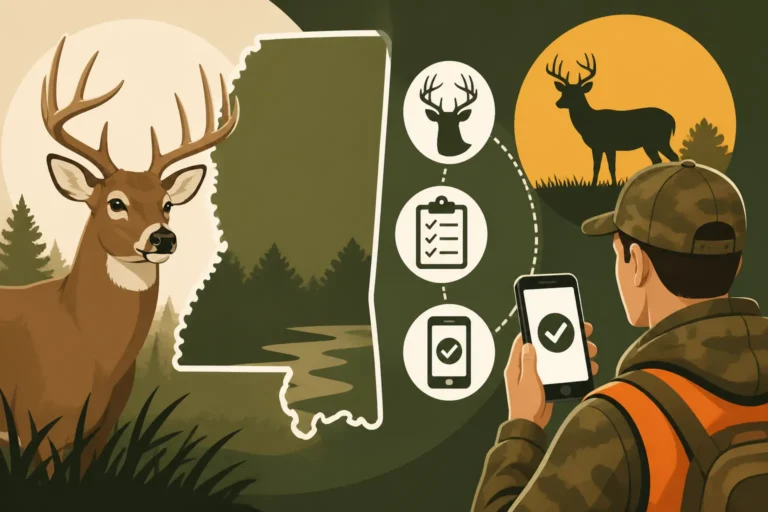
Furthermore, all harvested deer in Mississippi, regardless of who harvested them or where, must be reported to the MDWFP. This is a crucial piece of data for wildlife biologists to monitor herd health and population trends. Landowners are not exempt from this reporting requirement. You can usually report your harvest quickly and easily through the MDWFP's online system or their mobile app. For more details, refer to the guide on Mississippi Deer Reporting Requirements. It's a simple step that contributes immensely to sound wildlife management.
Chronic Wasting Disease (CWD) Zones
If your land falls within one of Mississippi's Chronic Wasting Disease (CWD) management zones, all CWD-related regulations apply to you just as they do to any other hunter. This means mandatory testing requirements for harvested deer within certain zones, and strict carcass movement restrictions. These rules are in place to try and slow the spread of CWD, a fatal neurological disease in deer, and compliance is non-negotiable for anyone hunting in those areas. For current information, consult Mississippi's Chronic Wasting Disease Zones. It's a serious issue, and every hunter, especially landowners who may harvest multiple deer, has a role to play in monitoring and preventing its spread.
Youth Hunters and Non-Resident Guests
The landowner exemption often extends to youth residing on the property. This means that if you have children living with you who are hunting your land, they might also be covered under the landowner exemption for a basic license, depending on their age and the specific MDWFP rules. However, if they participate in special events like the Mississippi Youth Gun Season Rules, they'll still need to follow the specific guidelines for those hunts.
For non-resident guests, the rules are very clear: they need a non-resident hunting license and any associated permits, regardless of whose private land they are hunting on. There is no landowner exemption that extends to non-resident hunters visiting your property. This is a common point of misunderstanding that can lead to significant fines. If your out-of-state friend or relative wants to hunt your land, they must purchase the appropriate non-resident licenses.
Applying for Special Landowner Permits and Understanding Exemptions
While the basic landowner exemption allows resident landowners to hunt deer and small game on their own property without a general license, there are other situations where specific permits are required or where landowners may wish to apply for something beyond the general season. It’s important to distinguish between a general exemption from a license and an actual permit for a special activity.
Crop Damage and Special Management Permits
If deer are causing significant damage to agricultural crops on your property, Mississippi offers specific permits to landowners to manage these nuisance deer outside of regular seasons or to exceed bag limits. These are not "landowner deer permits" in the sense of a general hunting pass, but rather specific management tools. To obtain these, you typically need to contact the MDWFP directly, explain the nature and extent of the damage, and go through an application and approval process. A wildlife biologist might even visit your property to assess the situation. These permits usually come with strict conditions on the number of deer that can be harvested, the method of harvest, and often require reporting within a very specific timeframe. They are designed for control, not recreational hunting.
Similarly, if you're engaging in a comprehensive deer management program on your property that requires specialized harvest strategies, such as culling a certain number of antlerless deer to balance the herd, the MDWFP may offer cooperative management programs. These are typically for larger landowners or hunting clubs actively engaged in habitat improvement and scientific management. Again, these are specific programs you would apply for, distinct from simply "hunting your own land."
How to Be Sure You're Covered
The most crucial step for any Mississippi landowner is to thoroughly review the current year's hunting regulations published by the MDWFP. These are updated annually and are the definitive source for all rules. Don't rely on word-of-mouth or what "used to be the rule." The regulations often explicitly state the landowner exemptions, who they apply to, and what conditions must be met. You can usually find these online or pick up a physical copy wherever hunting licenses are sold.
When in doubt, contact the MDWFP directly. A quick call to their regional office or headquarters can clarify any specific questions you have about your property or a particular hunting scenario. It’s much better to ask proactively than to risk a citation. While you might not need to Buying Mississippi Permits Online Versus by Phone for a basic license exemption, you will for specific management permits or migratory bird stamps.
Many landowners use mapping applications like GoHunt to mark their property boundaries and often overlay public land information. This helps confirm that any hunting activity is strictly within their private boundaries. This is especially important if your property borders a Wildlife Management Area (WMA) or National Forest, where regulations can differ significantly from private land rules.
Common Misconceptions and Best Practices
Despite the clear language in regulations, certain myths and misunderstandings about landowner deer permits persist. It's easy to get confused, especially with rules varying from state to state or even county to county. Let’s clear up some of the most common ones and outline best practices for Mississippi landowners.
Myth: Landowners Can Hunt Deer Year-Round
This is perhaps the most widespread misconception. Owning land in Mississippi does not grant you permission to hunt deer outside the established legal seasons. The deer seasons – archery, primitive weapons, and gun – are set by the MDWFP to ensure the sustainability of the deer herd. Hunting deer out of season, even on your own property, is a serious violation. Special permits for crop damage or nuisance deer are specific, time-limited, and generally require MDWFP approval. Feral hogs, however, are a different story, with Do Feral Hogs Need Landowner Permission? for year-round hunting on private land often being much more permissive due to their invasive status.
Myth: Non-Resident Family Members Don't Need Licenses
Another common misunderstanding is that if a non-resident family member (like a sibling, parent, or child who doesn't live on your property in Mississippi) hunts your land, they are covered by your landowner exemption. This is incorrect. Non-residents, regardless of their relationship to the landowner or the private nature of the land, are required to purchase the appropriate non-resident hunting licenses and permits. Mississippi's non-resident fees help fund wildlife conservation in the state, and there are no blanket familial exemptions for out-of-state hunters.
Best Practice: Carry Proof of Land Ownership
While you might not need to carry a physical hunting license if you're a resident landowner hunting your own land under the exemption, it’s always a wise idea to carry proof of land ownership and your photo ID. This could be a copy of your deed, property tax statement, or even a robust mapping app like GoHunt that clearly displays your ownership boundaries. If a game warden or law enforcement officer approaches you, having this documentation readily available can prevent misunderstandings and unnecessary delays.
Best Practice: Know Your Deer Management Unit
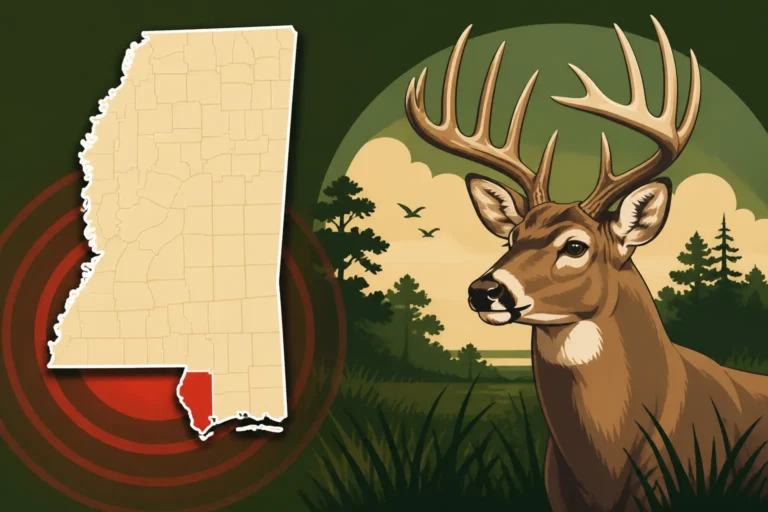
Mississippi is divided into four distinct deer management units: Delta, Hills, North Central, and Southeast. Each unit can have slightly different season dates, bag limits, and antler restrictions. For example, the Delta Unit has specific antler restrictions regarding spread and points that might differ from the Hills Unit. It is absolutely crucial to know Finding Which Deer Unit Your County Sits In and to understand the specific regulations that apply to your property. These unit-specific rules apply to landowners just as they do to any other hunter.
Best Practice: Clearly Mark Property Boundaries
Especially if your land borders public hunting areas or other private properties, clearly marking your boundaries is not just good practice, it’s often a legal requirement or at least a strong recommendation. Posting your land appropriately with "No Trespassing" signs can help prevent others from inadvertently hunting on your property, and in turn, helps you avoid accidentally straying onto someone else's. Understanding What Mississippi Trespass Law Requires is vital for all landowners. Using paint or physical markers on trees along your property line can make these boundaries obvious to anyone in the field.
Best Practice: Stay Informed Annually
Hunting regulations can and do change. What was legal last year might not be this year. The MDWFP publishes new regulations annually, and it's your responsibility as a landowner and hunter to stay informed. Don't just rely on memory; take the time to review the official MDWFP hunting guide each year before the season begins. This ensures you're up-to-date on all season dates, bag limits, weapon restrictions, and any changes to landowner exemptions or special permit processes.
By adhering to these best practices and staying informed, Mississippi landowners can fully enjoy the privilege of hunting on their own property while contributing to the responsible management of the state's incredible deer resource.
| Scenario | Resident Landowner (hunting own land) | Resident Non-Landowner (hunting private land) | Non-Resident (hunting private land) |
|---|---|---|---|
| Basic Hunting License | Exempt (for deer/small game) | Required | Required |
| State Waterfowl Stamp | Required | Required | Required |
| Federal Duck Stamp | Required | Required | Required |
| Migratory Bird Permit (HIP) | Required | Required | Required |
| Deer Season Dates & Weapons | Must adhere | Must adhere | Must adhere |
| Deer Bag Limits | Must adhere | Must adhere | Must adhere |
| Deer Harvest Reporting | Required | Required | Required |
| CWD Zone Rules | Must adhere | Must adhere | Must adhere |
| Hunting Feral Hogs (Year-round) | Exempt (no license needed) | Exempt (no license needed) | Exempt (no license needed) |
| Crop Damage Deer Permit | Required (apply to MDWFP) | N/A (landowner specific) | N/A (landowner specific) |
Disclaimer
Please note: The information provided in this article is intended for general guidance and informational purposes only. Hunting regulations in Mississippi are subject to change, and specific interpretations may vary. It is the responsibility of every hunter, including landowners, to consult the most current Mississippi Department of Wildlife, Fisheries, and Parks (MDWFP) hunting regulations and laws directly or contact MDWFP officials for definitive information before engaging in any hunting activities. This content should not be considered legal advice.