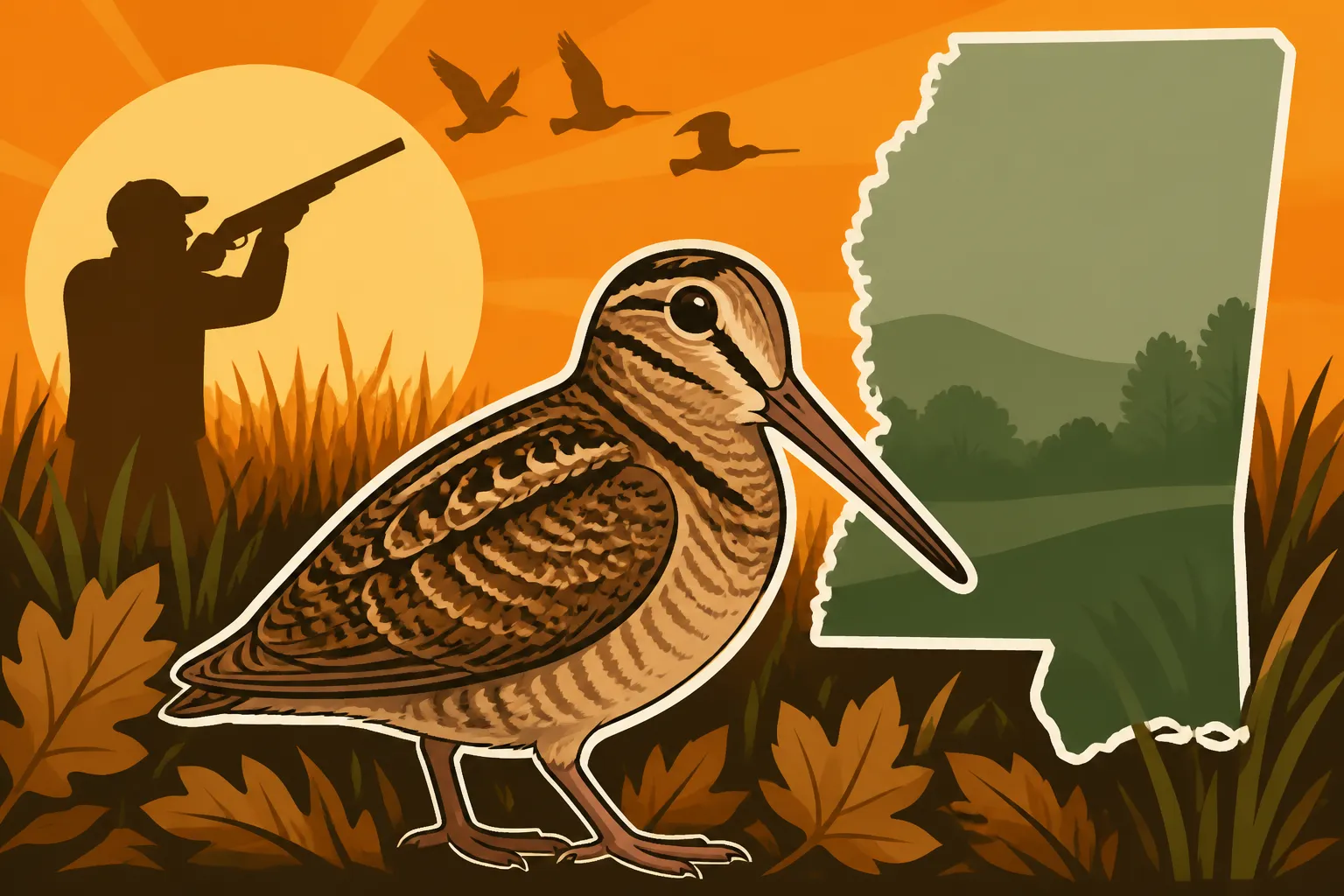
Mississippi Woodcock Season Dates
Trying to pin down the exact season dates for migratory birds like woodcock in Mississippi can sometimes feel like chasing a phantom through the thickest briars – one minute you think you've got it, the next it's vanished! Regulations change, and keeping up with the Mississippi Department of Wildlife, Fisheries, and Parks (MDWFP) can be a real headache. This comprehensive guide is here to clear the brush, providing you with the most up-to-date woodcock season dates, essential licensing info, and practical hunting tips so you can confidently hit the field.
Understanding Mississippi's Woodcock Season Dates
Woodcock hunting in Mississippi isn't like deer season, where the dates often stay quite consistent year after year. As a migratory game bird, woodcock seasons are set through a collaborative effort between the U.S. Fish and Wildlife Service (USFWS) and state agencies like the MDWFP. This means they can shift slightly, but usually, within a predictable window.
Why Woodcock Seasons Are Unique
Unlike resident game species, American woodcock undertake impressive migrations, traveling from their breeding grounds in the northern states and Canada down to warmer wintering areas, with many passing through or settling in Mississippi. This migratory pattern is precisely why their hunting seasons are unique and fall under federal guidelines, even though they're managed at the state level. The USFWS establishes frameworks for season lengths and dates, and then individual states like Mississippi select their specific dates within those federal guidelines. This federal oversight aims to ensure the long-term health and sustainability of the migratory woodcock population across its entire range. It’s a complex dance of science and regulation, all to make sure we can enjoy these elusive birds for generations to come.
Current and Recent Season Dates
For the 2023-2024 hunting season, Mississippi's woodcock season dates were set as:
- December 18, 2023 – January 31, 2024
This pattern of a late December opening, often running through January, has been quite consistent in recent years. For instance, the 2022-2023 season ran from December 19, 2022, to January 31, 2023. This reliability offers a good general timeframe for hunters planning their outings. While minor adjustments of a day or two might occur each year, you can typically expect Mississippi's woodcock season to be open from mid-December through the end of January. It’s always smart to double-check the latest MDWFP regulations before you head out, but this window gives you a solid idea of when to mark your calendar.
Important Regulatory Considerations
Beyond just knowing the season dates, several other regulations are absolutely critical to follow when hunting woodcock in Mississippi. Falling afoul of these rules can turn a great day afield into a serious legal headache.
First, the daily bag limit for woodcock in Mississippi is usually three birds. This means you can only harvest three American woodcock per hunter per day. It’s a relatively small bag compared to some other game birds, reflecting their unique population dynamics and migratory habits. Pay close attention to this number, as it's easy to get excited when the birds are flushing well.
Secondly, there's a possession limit, which is typically three times the daily bag limit, meaning nine birds. This regulation applies to birds that are dressed, stored, or transported, and it ensures that hunters aren't stockpiling large quantities of game over multiple days without proper processing and use. This limit is crucial to remember if you’re hunting multiple days or storing birds in a freezer at camp.
Shooting hours for migratory birds generally run from one-half hour before sunrise to sunset. This is a standard rule across most migratory bird hunting in the state and helps to prevent illegal spotlighting or hunting during periods of low light when identification can be difficult. Always consult a sunrise/sunset table for your specific hunting location, or use an app that calculates it, to ensure you are within legal shooting times.
Finally, and this is a big one for all migratory bird hunters, you absolutely need to be Harvest Information Program (HIP) certified and possess a Federal Duck Stamp in addition to your state hunting license and migratory bird stamp. The HIP certification involves answering a few simple questions about your previous year's migratory bird harvest, and it’s mandatory for anyone hunting ducks, geese, doves, rails, snipe, or woodcock. This data is vital for federal wildlife managers to monitor populations. The Federal Duck Stamp, while often associated with waterfowl, is also required for hunting woodcock and helps fund critical wetland habitat conservation efforts. You can often purchase these stamps and certifications online or at post offices and sporting goods stores. Make sure you're squared away on all these permits before your boots hit the briars.
Preparing for Mississippi's Woodcock Season
Hunting woodcock effectively, especially if you're new to it, requires a bit more preparation than just grabbing your shotgun and heading into the woods. These birds are small, quick, and masters of camouflage in dense cover, which means a thoughtful approach to licenses, gear, and scouting will drastically improve your chances.
Essential Licenses and Stamps
Before you even think about stepping into the dense cover where woodcock hide, you need to make sure your paperwork is in order. Hunting migratory birds in Mississippi, including woodcock, requires several specific licenses and stamps, and missing just one can lead to fines and a ruined day.
First off, you'll need a valid Mississippi hunting license. For residents, this usually means a Mississippi Resident Sportsman's License Cost or a comprehensive all-game license. Non-residents will need a Mississippi Nonresident All-Game License Cost or a 7-day migratory bird license. These provide the basic permission to hunt within the state.
Beyond your standard hunting license, migratory bird hunting has additional requirements. You must purchase a Mississippi Migratory Bird Stamp Cost. This state-specific stamp helps fund local conservation and management efforts. Additionally, a current Federal Duck Stamp is mandatory. Despite its name, the Mississippi Federal Duck Stamp Requirement applies to all migratory game birds, including woodcock, snipe, and doves, not just ducks and geese. This stamp is crucial for funding wetland conservation across the nation.
Finally, you need to be Harvest Information Program (HIP) certified. This is a free registration that helps the USFWS gather data on migratory bird harvests. It usually just involves answering a few questions about your past hunting success when you buy your license or through the MDWFP website. Don't skip it!
Keeping track of all these licenses can feel like a chore, but it's essential. Many hunters use digital apps or platforms like GoHunt to store digital copies of their licenses and stamps, ensuring they always have proof of compliance on their phone, even deep in the woods where physical copies might get lost or damaged. Always carry physical copies of permits like the Federal Duck Stamp, as some wardens prefer to see the actual stamp.
Gear and Dog Training
Woodcock hunting is a distinctly up close and personal affair, demanding specific gear and, ideally, a well-trained canine companion. These birds live in extremely dense cover, often referred to as "woodcock thickets" or "alder swamps."
When it comes to shotguns, fast-handling, open-choke firearms are king. Many hunters favor 20-gauge or 28-gauge shotguns with improved cylinder or skeet chokes, as shots are almost always at very close range, often through a screen of saplings and vines. Light loads of smaller shot, like #7.5 or #8, are more than sufficient for these relatively small birds and help reduce meat damage. A double barrel or an over/under allows for quick follow-up shots in tight quarters, while a semi-automatic or pump can also work well if it's nimble.
For apparel, think protection. Briar pants or chaps are an absolute must, protecting your legs from thorns, multiflora rose, and other thorny vegetation that defines prime woodcock habitat. A briar-resistant vest or coat will similarly save your torso. Good, waterproof boots are essential, as woodcock often frequent moist, even muddy, areas. Remember, you'll be pushing through some seriously nasty stuff.
Now, let's talk about dogs. While you can hunt woodcock without a dog, it's a significantly more challenging and less productive endeavor. Woodcock hold incredibly tight, often not flushing until you are practically stepping on them. This makes them perfect for pointing dogs like English Setters, Pointers, or Brittany Spaniels, which will lock up on scent, allowing you to walk in for the flush. Flushing breeds like English Springer Spaniels or Cocker Spaniels can also be very effective at pushing birds out of dense cover. Training for woodcock specifically should focus on honoring points, steadying to flush, and retrieving. Dogs need to be accustomed to working in extremely thick cover and handling the unique scent of woodcock. Using GPS collars, like those offered by GoHunt or other brands, can be a lifesaver, allowing you to keep track of your dog in dense cover and preventing them from getting lost or out of range.
Scouting and Habitat Identification
Successful woodcock hunting hinges on knowing where to find these elusive birds, and that starts with understanding their preferred habitat and doing some pre-season scouting. You can't just wander into any patch of woods and expect to find them.
Woodcock are specialists when it comes to habitat. They thrive in moist, young, successional forests, often characterized by dense thickets of young alders, sweetgum, saplings, and briars. Look for areas where fields are transitioning back to forest, or where clear-cuts are 5-15 years old and regenerating with dense undergrowth. Areas near streams, swamp edges, or wet bottomlands, especially with a good layer of leaf litter for probing, are prime locations. While they might use mature timber for roosting or cover, their feeding grounds are almost exclusively in these dense, shrubby areas where the soil is soft enough for their long bills to probe for earthworms.
When scouting, look for two key signs: borings and splashings. Borings are small, pencil-sized holes in the soft earth where woodcock have probed for worms. They often appear in clusters. Splashings are distinct, chalky white droppings, usually found on leaves, sticks, or the forest floor, marking where a woodcock has been feeding or resting. Finding these signs is like finding a treasure map to where the birds are concentrating.
Another valuable piece of information comes from Mississippi Woodcock Singing Ground Surveys, which, while primarily done in spring to monitor breeding populations, can give you a general idea of local population presence. While you might not be doing these surveys yourself, the MDWFP uses this data to inform management decisions. Knowing that woodcock are present in a certain general area is a good starting point.
Using tools like GoHunt or other mapping apps can be incredibly helpful for identifying potential habitat. Look for satellite imagery that shows regenerating clear-cuts, creek bottoms with dense shrubby edges, and areas of mixed young forest. These apps can help you mark potential spots, plan your approach, and even identify property lines if you're hunting near private land. Identifying these specific habitat types on a map beforehand will save you a lot of aimless wandering and dramatically increase your chances of finding birds once the season opens.
Hunting Tactics and Success Strategies for Woodcock
Once you've got your licenses in order, your gear prepped, and a good idea of where woodcock should be, it's time to talk about how to actually hunt these fantastic little birds. They require a specific approach, different from chasing deer or even most upland birds, but the reward of a timberdoodle flushing from underfoot is truly something special.
Best Times and Weather Conditions
Timing is crucial when it comes to woodcock, and it's not just about hitting the legal season dates. Their migratory patterns and feeding habits are heavily influenced by weather, making some days significantly more productive than others.
The absolute best time to find a strong concentration of woodcock in Mississippi is often after a significant cold front has pushed through the northern states and into the South. This natural weather phenomenon signals to the birds that it's time to move, and they'll "fall out" into suitable cover along their migration routes. When a front brings a sharp drop in temperature or even a bit of rain, it's often a good bet to hit the woods a day or two later. Keep an eye on the weather patterns across the Mississippi Flyway; a sustained cold snap up north often means new birds arriving in Mississippi. You might want to refer to resources that track Mississippi Woodcock Migration Timing to get an edge.
As for daily timing, woodcock are crepuscular, meaning they are most active at dawn and dusk. This translates to morning and late afternoon hunting being generally more productive. They'll move from roosting cover to feeding areas at these times. Overcast days, especially those with a light drizzle or lingering dampness from recent rain, can also be excellent. The soft ground makes it easier for them to probe for earthworms, their primary food source. Conversely, extremely dry conditions can make feeding difficult for them, pushing them into fewer, very specific moist spots, or making them harder to find overall. Always check the ground conditions; if it's hard as a rock, woodcock will be scarce.
Working Cover Effectively
Hunting woodcock is often less about speed and more about persistence and meticulous coverage. These birds, often called "timberdoodles," have an uncanny ability to hold incredibly tight in cover, making them a challenge and a joy to hunt.
The key strategy is to work through cover slowly and deliberately. This isn't a race. Whether you're hunting with a pointing dog or trying to flush them yourself, a slow, methodical pace is paramount. If you're using a pointing dog, allow it to work its nose and follow its lead. A good dog will often "birdy up" before locking on point, giving you a chance to anticipate the flush. Once on point, approach cautiously, ready for the explosion of wings. The flush is often sudden and close, so be prepared to mount your gun quickly.
For solo hunters or those with flushing dogs, a zig-zag pattern or systematically working small sections of cover is effective. Walk through every bit of dense sapling growth, briar patch, and edge. Woodcock prefer the edges of cover or slight openings within the dense stuff, rather than the absolute middle of an impenetrable thicket. They often hold until you are within a few feet, sometimes even allowing you to step over them before bursting into flight. This can be startling, but it's part of the woodcock's charm.
Don't be afraid to pause often. A quick stop can sometimes make a woodcock nervous enough to flush, thinking you've spotted them. If you hear a distant dog bell stop, that's your cue to move in. Remember that woodcock don't fly far; they'll typically make a short, erratic flight and drop back into similar dense cover nearby. If you miss a bird, mark where it went down and follow up for a second chance. This often involves an immediate, sometimes frantic, dash through thick brush, so be ready for action.
Safety and Ethics in the Field
Just like any hunting pursuit, safety and ethical conduct are non-negotiable when hunting woodcock in Mississippi. The dense cover and often frantic nature of the flush mean you need to be extra vigilant.
First and foremost, blaze orange requirements are crucial. While woodcock are small game, many states, including Mississippi, have specific How Much Blaze Orange Mississippi Requires regulations, especially during firearms deer season which often overlaps with woodcock season. Even if not strictly mandated for small game in a particular area, wearing blaze orange or pink is a wise safety measure, making you highly visible to hunting partners and other users of public land. Given the thick cover, a bright hat, vest, or both are strongly recommended.
Awareness of hunting partners and dogs is paramount. In thick cover, it's easy to lose sight of your fellow hunters or your dog. Always know where everyone in your party is before taking a shot. Shots are often at low-flying birds or birds flushing from the ground, so ensure your background is clear and there's no risk of hitting a person or dog. This is especially true if you are hunting with multiple people or dogs. Communication, whether through voice, whistles, or even walkie-talkies, is vital.
Respecting private property is another critical ethical consideration. Many prime woodcock habitats are on private land. Always obtain explicit permission from landowners before hunting. Never assume access. Mississippi has clear Mississippi Trespass and Permission Law regulations, and violating them can result in legal trouble and damage the reputation of all hunters. If you're hunting public land, know the boundaries and stick to them. Using a GPS mapping app can help you stay within legal hunting areas.
Finally, proper game handling is part of ethical hunting. Once you've harvested a woodcock, retrieve it promptly. These birds are delicate, and their meat is delicious, but it can spoil quickly in warm weather if not handled correctly. Field dress them as soon as practical, especially if you're hunting on a warmer December or January day, and get them cooled as quickly as possible. Don't waste the game you harvest. By adhering to these safety and ethical guidelines, you ensure a positive experience for everyone and uphold the integrity of the hunting tradition. You're not just a hunter; you're an ambassador for the sport.
Conservation and the Future of Woodcock Hunting in Mississippi
While it's exciting to talk about season dates and hunting tactics, it's equally important for us, as hunters, to understand the broader picture of woodcock conservation. Our passion for chasing these timberdoodles comes with a responsibility to ensure their populations remain healthy for future generations.
Understanding Population Trends
The health of the American woodcock population is something that wildlife biologists and passionate bird hunters monitor closely. While woodcock are relatively common, their numbers have shown some concerning trends in certain parts of their range over recent decades, primarily due to habitat loss.
Mississippi, as a key wintering ground and migratory corridor, plays an important role in the overall woodcock population. Agencies like the MDWFP work in conjunction with the USFWS to track population trends through various surveys. The Mississippi Woodcock Singing Ground Surveys, conducted primarily in the spring, are a vital tool. These surveys count male woodcock during their unique "sky dance" displays, providing an index of breeding populations. While they don't give a precise total count, they help biologists understand if populations are increasing, decreasing, or stable over time.
Habitat loss is the primary challenge facing woodcock. They depend on young, early-successional forests, which are often transient as forests mature. Changing land use practices, urbanization, and a decline in natural disturbances like wildfires have all contributed to the reduction of suitable woodcock habitat. The data collected from these surveys, combined with harvest information from hunters (like through the HIP program), helps state and federal agencies make informed decisions about season lengths and bag limits, striving for sustainable hunting opportunities. It’s a constant balancing act, but one where hunter participation in reporting is absolutely critical.
Habitat Management for Woodcock
The key to ensuring a healthy future for woodcock and woodcock hunting lies squarely in proactive habitat management. Since these birds are so dependent on specific types of cover, creating and maintaining that habitat is paramount.
Woodcock are often considered an "early successional species," meaning they thrive in habitats that are relatively young and dense. This includes regenerating clear-cuts, old fields reverting to forest, shrubby creek bottoms, and thickets along forest edges. These areas provide the soft soil for probing earthworms and the dense cover that offers protection from predators and adverse weather.
In Mississippi, the MDWFP and other conservation organizations actively engage in managed timber practices that benefit woodcock. This often involves carefully planned clear-cutting or selective logging operations in areas like state forests and Wildlife Management Areas (WMAs). While "clear-cutting" might sound harsh, when done correctly and followed by natural regeneration or replanting, it creates the dense, young forest habitat that woodcock need. These areas become prime hunting grounds within a few years of timber harvest.
Hunters can also play a role, even on small private tracts. Consulting with forestry experts or state biologists can help landowners implement practices that create or enhance woodcock habitat. This might involve setting back succession on old fields, thinning existing timber to promote undergrowth, or even prescribed burning in appropriate areas. The long-term health of our small game populations, including woodcock, depends on a continued commitment to these proactive management strategies. Supporting initiatives and organizations that focus on habitat work directly impacts the number of birds you'll see in the field.
Your Role as a Hunter-Conservationist
As hunters, we are not just consumers of wildlife resources; we are stewards. Our passion for the pursuit of game, especially species like the American woodcock, comes with an inherent responsibility to contribute to their conservation. Embracing the role of a hunter-conservationist is vital for the future of the sport.
One of the most direct ways you contribute is by reporting harvests accurately. The Harvest Information Program (HIP) certification you complete when buying your license is not just a bureaucratic hurdle; it's a critical data collection tool. When you truthfully answer questions about how many woodcock, doves, or ducks you harvest, that information feeds into larger population models. This data helps wildlife managers understand harvest rates, identify population trends, and adjust season structures to ensure sustainable hunting. Incomplete or inaccurate reporting hinders these efforts, so take it seriously.
Beyond reporting, actively supporting conservation organizations is essential. Groups like Ducks Unlimited, National Wild Turkey Federation, and other regional organizations do extensive habitat work that benefits a wide array of wildlife, including woodcock. Your membership fees, donations, and volunteer time directly contribute to habitat restoration, land acquisition, and research projects. Every dollar and every hour spent on these efforts helps preserve the wild places these birds call home.
Finally, advocating for habitat preservation and sound wildlife management policies is a powerful way to make a difference. Stay informed about land use issues in Mississippi, particularly those affecting forests and wetlands. Engage with your local MDWFP officials, attend public meetings, and voice your support for science-based conservation practices. Encourage landowners to consider Mississippi Small Game Season Rules and habitat improvements on their property. The future of Squirrel and Small Game Hunting in Mississippi depends on collective action, and as hunters, we have a unique perspective and vested interest in protecting these valuable resources. By taking these steps, you help ensure that the elusive woodcock will continue to flush from Mississippi's thickets for many seasons to come.
Mississippi Woodcock Hunting Snapshot (2023-2024 Season)
| Category | Detail | Requirement / Limit | Notes |
|---|---|---|---|
| Season Dates | December 18, 2023 – January 31, 2024 | Fixed | Generally consistent year-to-year; always check current regs. |
| Daily Bag Limit | 3 birds | Per hunter, per day | Strict limit to manage populations. |
| Possession Limit | 9 birds | Total in possession | Applies to dressed, stored, or transported birds. |
| Shooting Hours | 1/2 hour before sunrise to sunset | Standard migratory bird hours | Consult local sunrise/sunset tables. |
| State Hunting License | Required | Resident/Non-Resident | General hunting license needed. |
| MS Migratory Bird Stamp | Required | State Stamp | Funds state-level conservation. |
| Federal Duck Stamp | Required | Federal Stamp | Funds wetland conservation; necessary for all migratory game birds. |
| HIP Certification | Required | Free, annual registration | Vital for federal harvest data collection. |
| Blaze Orange | Highly Recommended (often required during deer season overlap) | Check local WMA/County rules | Essential for safety in thick cover. See How Much Blaze Orange Mississippi Requires. |
| Hunter Education | Required for specific ages | See Mississippi Hunter Education Requirements | Check if you fall under the mandatory education age. |
| Key Habitat | Young, moist, successional forests; dense thickets | Look for borings and splashings | Focus on regenerating clear-cuts, creek bottoms. |
Disclaimer
The information provided in this guide is for informational purposes only and is subject to change. While we strive to offer the most accurate and up-to-date details, hunting regulations, season dates, and license requirements are set by the Mississippi Department of Wildlife, Fisheries, and Parks (MDWFP) and can be modified at any time. It is the sole responsibility of each hunter to consult the official MDWFP regulations prior to hunting to ensure full compliance with all state and federal laws. Failure to do so may result in penalties.