Which Mississippi County Kills the Most Deer
Every deer season, countless hunters across Mississippi dream of finding that one magical county where the deer population is booming, and the harvest numbers reflect it. But pinning down "which Mississippi county kills the most deer" isn't as simple as checking a single leaderboard; the top spot can fluctuate, and what truly makes a county productive goes far beyond just raw numbers. This guide will delve into the factors that influence deer harvest across the Magnolia State, helping you understand the complex picture behind the annual statistics and what it means for your next hunting adventure.
The Quest for the Top Deer County: Understanding Harvest Data
When hunters talk about "the most deer killed," they're often envisioning a paradise of whitetails, a place where every sit brings multiple encounters and success rates are through the roof. It's a natural inclination; we all want to maximize our chances and find those areas with the highest deer density. However, understanding deer harvest data from the Mississippi Department of Wildlife, Fisheries, and Parks (MDWFP) requires a bit more nuance than just looking at a single tally. These numbers tell a story, but interpreting that story correctly is key to leveraging it for your own hunting plans.
First, it’s important to realize that harvest numbers are a reflection of several interconnected factors, not just deer numbers alone. A county might have a high deer population, but if it has limited hunter access, its reported harvest might not be as high as a county with slightly fewer deer but vast amounts of accessible land, whether private or public. Conversely, a county with intense hunting pressure, even with a strong deer herd, might see its harvest numbers fluctuate wildly depending on season lengths and specific regulations. We’re talking about a dynamic ecosystem where everything from acorn crops to farming practices can influence what hunters bring home each year.
The frustration comes from knowing there are incredible deer hunting opportunities out there, but trying to sift through all the information to pinpoint the absolute best can be overwhelming. It’s not just about finding a deer, it's about finding that consistent opportunity, that place where the conditions align year after year for strong deer activity and hunter success. Knowing how to read between the lines of harvest reports is the first step in solving that puzzle.
Diving Deep into Mississippi's Deer Harvest Statistics
While specific annual harvest numbers can shift, certain counties and regions in Mississippi consistently rank high or show strong potential due to their unique ecological and geographical advantages. It’s less about a single, undisputed champion county year in and year out, and more about understanding the characteristics that lead to high productivity. The truth is, different parts of the state offer different hunting experiences, and what makes a county "best" often depends on what kind of deer hunting you're seeking.
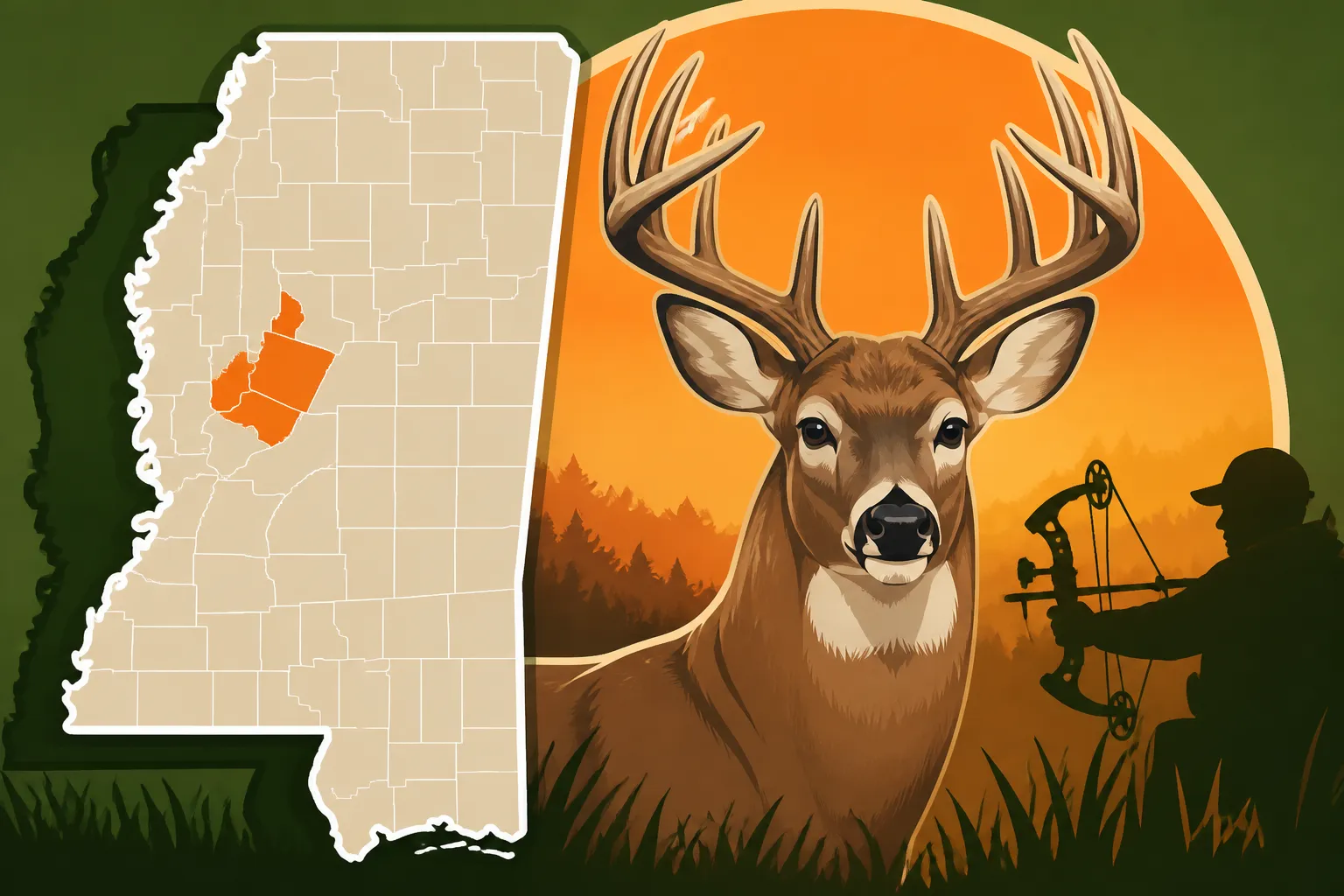
Historically, counties within the Mississippi Delta region have often showcased impressive deer harvest figures, both in terms of total numbers and trophy quality. Think of counties like Bolivar, Washington, Sunflower, and Issaquena. These areas are characterized by vast expanses of agricultural land, which provides an endless buffet of high-protein food sources like soybeans, corn, and winter wheat. This consistent nutrition contributes to larger body sizes and, importantly for many hunters, bigger antlers. The fertile soil and bottomland hardwoods also create ideal bedding and cover, allowing deer to thrive. You can learn more about why these areas produce such impressive animals in our article, Why the Delta Grows Big Bucks.
However, the Hills Unit and Southeast Unit also have their standout counties. While perhaps not always topping the total harvest charts as consistently as some Delta counties, these areas can still be incredibly productive. Counties like Copiah, Jefferson, and Claiborne in the Hills can be strong contenders, often with a mix of timber operations, smaller agricultural plots, and diverse terrain. The Piney Woods region, while historically known for smaller deer, can still have high harvest totals due to vast forest lands and solid populations. To truly get a sense of which areas are generally most productive, you need to look at the overall trends, not just a single year's peak. Tools like GoHunt can help you analyze historical data and pinpoint areas that consistently perform well, even if the top spot shifts annually. It provides a deeper dive into the statistical likelihood of success in different areas.
The MDWFP provides detailed annual Mississippi Deer Harvest Records, and looking at these reports over several years can give you a better picture than any single snapshot. These records break down harvests by unit and county, showing not just total deer, but sometimes buck-to-doe ratios, average weights, and age structures, all of which are critical indicators of herd health and hunting opportunity.
The Delta's Agricultural Advantage
Let's focus a bit more on the Delta counties, as they so frequently appear at the top of harvest lists. The sheer amount of available nutrition in these agricultural powerhouses means deer populations can support higher densities and still maintain excellent health. Imagine deer having access to thousands of acres of high-energy food sources year-round – it’s a game-changer. This consistent abundance allows bucks to put more energy into antler growth and does to raise healthy fawns, leading to a robust deer population.
But a high deer population doesn't automatically mean easy hunting. Many of these prime agricultural lands are privately owned and tightly controlled by hunting clubs or leases. This can make access a challenge for hunters who don't have private land connections. However, some public opportunities exist within or bordering the Delta, such as parts of the Delta National Forest, which can be fantastic if you put in the legwork. Understanding how Mississippi's Four Deer Management Units influence harvest is also key, as regulations can vary significantly.
Hills Unit Consistency and Challenges
The Hills Unit, encompassing much of central and northern Mississippi, offers a different dynamic. Counties here often present a mixed bag of habitat, from rolling timberland to small farm fields and dense creek bottoms. While the nutrition might not be as consistently rich as in the Delta, good habitat management and proper age structure can still produce impressive deer. Counties with large contiguous blocks of timber, managed for wildlife, or areas with diverse land use, often fare well.
The challenge in the Hills often lies in finding consistent, high-quality food sources, especially during lean acorn years. Hunters might need to rely more on scouting and understanding natural browse. However, the varied terrain can also offer strategic advantages for still-hunting or setting up stands, as deer movement is often more predictable along ridge lines, creek crossings, and timber edges. For hunters who enjoy a more traditional timber hunting experience, the Hills offers incredible opportunities, even if the sheer volume of deer seen on a given hunt might be less than in the Delta. Using mapping tools like those found on GoHunt can be invaluable for identifying key terrain features and potential bedding areas in these more varied landscapes.
Factors Influencing High Deer Harvest Numbers
It's not just about the number of deer running around; a myriad of factors contribute to a county's deer harvest potential. Understanding these elements is crucial for any hunter looking to consistently fill tags or pursue a trophy animal.
Habitat Quality and Food Availability
This is arguably the most significant factor. Deer are products of their environment. Counties with diverse and abundant food sources, coupled with excellent cover, will naturally support healthier and more numerous deer populations. As mentioned, the agricultural bounty of the Delta provides unparalleled nutrition. But elsewhere, rich hardwood bottoms offering diverse mast crops (acorns, persimmons), clear-cuts providing dense browse, and well-managed pine plantations all contribute to a deer's diet and safety.
A county rich in varied food sources means deer aren't stressing over finding their next meal. This translates to better body condition, higher fawn survival rates, and more energy devoted to antler growth in bucks. Areas with consistent water sources, especially during dry spells, also contribute to deer staying in a specific locale, concentrating them for hunters.
Hunter Access and Pressure
A county might be teeming with deer, but if 99% of the land is locked up behind private leases or inaccessible property lines, the reported public harvest will naturally be lower. Conversely, counties with significant public lands, like portions of National Forests or Wildlife Management Areas (WMAs), might see higher hunter numbers and thus a higher reported harvest, even if the overall deer density isn't the absolute highest in the state. The sheer volume of hunter effort can drive up the harvest.
Mississippi has a significant amount of public hunting land, but it's not evenly distributed. Knowing how to navigate these public tracts, including checking regulations and scouting well before the season, is essential. Our guide on Scouting Mississippi Public Land Before Season offers great tips for finding those honey holes that others might overlook. Whether you’re hunting public or private ground, understanding local access patterns is just as important as knowing the deer population.
Deer Management Strategies
The MDWFP implements specific deer management units and regulations across the state, which directly impact harvest numbers and herd health. Antler restrictions, for example, which apply in the Delta and Hills units, are designed to protect younger bucks and allow them to mature, leading to an older age structure and a higher probability of trophy animals. While these rules might initially reduce the harvest of young bucks, they contribute to a healthier, more balanced herd in the long run.
Moreover, the MDWFP conducts regular surveys and studies to assess the Mississippi Deer Population Estimate and adjust regulations as needed. Local biologists work to manage the herd sustainably, which influences everything from bag limits to season lengths. For instance, in areas grappling with Mississippi Chronic Wasting Disease Zones, harvest quotas and testing requirements can sometimes affect hunter behavior and reported kills. Always check the current regulations for your specific hunting area; what was true last year might have changed!
Beyond Raw Numbers: What the "Best" County Really Means for Hunters
While it's fascinating to look at which Mississippi county kills the most deer statistically, the truth is that the "best" county for you is highly personal. Raw harvest numbers are a great starting point for identifying productive areas, but they don't tell the whole story of your potential hunting experience.
Trophy Potential vs. Meat Hunting
For some, "most deer killed" implies the highest chance of harvesting a trophy buck. If that's your goal, you'll want to focus on areas known for older age-class bucks and superior genetics, which often correlates with better nutrition and antler restrictions. The Delta counties, for instance, are famed for their ability to produce Boone and Crockett whitetails.
For others, a successful season means filling the freezer with venison. In that case, counties with robust doe populations and liberal antlerless harvest opportunities might be more appealing. Many counties across all units offer excellent meat hunting, allowing hunters to contribute to herd management while stocking up on high-quality protein. It's about aligning your personal hunting goals with the opportunities a county presents.
Hunting Pressure and Solitude
Counties with high deer populations and generous public access can sometimes come with a tradeoff: increased hunting pressure. If you prefer a more solitary experience, you might find yourself working harder to find pockets of unpressured deer, even in a top-producing county. This might mean walking further, hunting during weekdays, or exploring less obvious spots.
Conversely, a county with slightly lower overall harvest numbers but extensive, lesser-known public land could offer a more serene and rewarding hunt, even if the total deer count is lower. Using tools like GoHunt can help you overlay public land boundaries with terrain features, revealing potential "walk-in" areas that might deter less committed hunters. This is where Reading Aerial Photos for Hills Unit Deer becomes an invaluable skill.
The Full Hunting Experience
Ultimately, the best county is one that provides the experience you're looking for. Is it the camaraderie of a bustling deer camp, the challenge of a tough public land hunt, or the consistent action of a well-managed private lease? Counties across Mississippi offer all these experiences. For example, some hunters might prioritize being in a county where they can experience Hunting the Mississippi Rut by Unit at its peak, regardless of whether it's the absolute top in harvest numbers that year.
Don't forget the practical considerations: how far are you willing to travel? What kind of license do you need, and what is the Mississippi Resident Sportsman's License Cost? For a comprehensive understanding of deer hunting season across the state, be sure to check out Mississippi Deer Season Structure Explained. Your personal satisfaction often comes from a combination of factors – success, scenery, challenge, and camaraderie – rather than just a single statistic.
| Factor | Impact on Deer Harvest Numbers | Hunting Experience Implication |
|---|---|---|
| Habitat Quality | Directly influences deer density, health, and antler development. | Higher quality = more opportunities for all deer, including trophies. |
| Food Availability | Consistent, high-protein food (ag crops, acorns) leads to larger body weights and better antlers. | Better nutrition means more robust deer. |
| Hunter Access | More accessible land (public/private) can lead to higher total reported harvest. | Easier access = potentially more hunters; harder access = potential for solitude. |
| Hunting Pressure | High pressure can disperse deer, making them more nocturnal and harder to harvest. | Can make deer harder to pattern and increase competition for spots. |
| Deer Management | Regulations (e.g., antler restrictions) shape herd age structure and trophy potential. | Regulations guide what deer you can harvest, impacting trophy vs. meat goals. |
| Geographic Unit | Different units (Delta, Hills, SE, NC) have varying habitats and regulations. | Unit determines specific rules and general characteristics of the deer and land. |
| Annual Fluctuations | Weather, disease (e.g., CWD), and food crop yields can cause yearly variations. | Requires hunters to stay informed and adapt strategies year-to-year. |
Disclaimer
This article is for general informational purposes only and does not constitute professional advice. Laws, prices and regulations vary by location and change over time. Consult a qualified professional for guidance on your specific situation.