The South Mississippi Swamp Bear Population
The thought of encountering a black bear in Mississippi used to be something out of a history book, a faint echo of wilderness long gone. But for folks who spend time in the deepest, wettest corners of South Mississippi, that echo is now a tangible reality. These majestic, yet elusive, creatures are making a remarkable comeback, establishing themselves in the region's vast swamp systems. This guide dives into the incredible journey of the South Mississippi swamp bear population, shedding light on their history, the unique habitats they call home, and how we can all learn to coexist with them in our changing landscape.
The Resurgence of Black Bears in Southern Mississippi
It's hard to imagine now, but black bears were once common throughout Mississippi. Historical accounts speak of them roaming widely, a true testament to the state's once unbroken wilderness. However, as settlement expanded and timbering practices intensified from the late 1800s through the mid-20th century, their populations dwindled dramatically. Habitat destruction, coupled with unregulated hunting, pushed them to the brink, leading to their near extirpation from the state. For decades, sightings were extremely rare, often attributed to transient bears wandering in from neighboring states.
The good news is that bears are incredibly resilient, and conservation efforts, along with changing land use, have slowly paved the way for their return. The population we see today in South Mississippi is largely a result of natural recolonization, primarily from healthy bear populations in Louisiana, particularly the Atchafalaya Basin, and, to a lesser extent, from Alabama. These bears, driven by an innate desire to find new territories and sufficient food sources, followed river corridors and vast tracts of undeveloped land back into our state. This slow, deliberate expansion is a quiet success story, showcasing nature's ability to heal when given a chance. Because they were so heavily impacted in the past, black bears in Mississippi remain a fully protected species, meaning there is no open season for hunting them. This protected status is crucial for allowing their numbers to continue to grow and for them to establish stable populations across their historic range. You can learn more about Why Mississippi Bears Stayed Protected So Long.
Prime Habitat: The Southern Swamps and River Bottoms
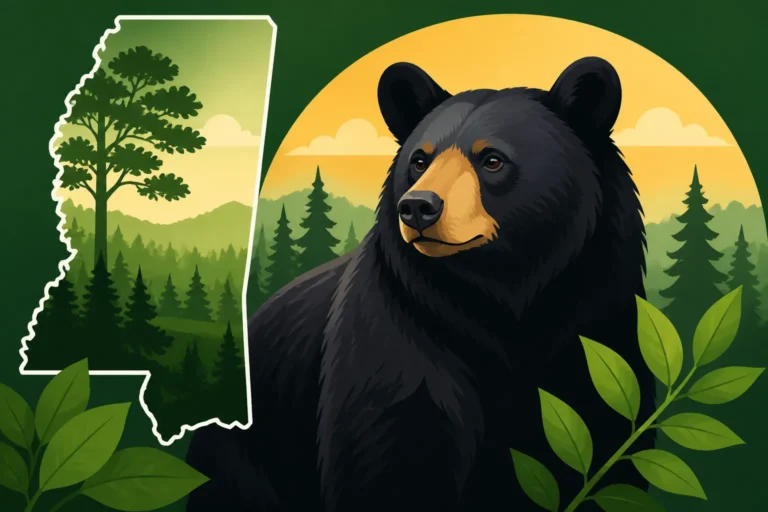
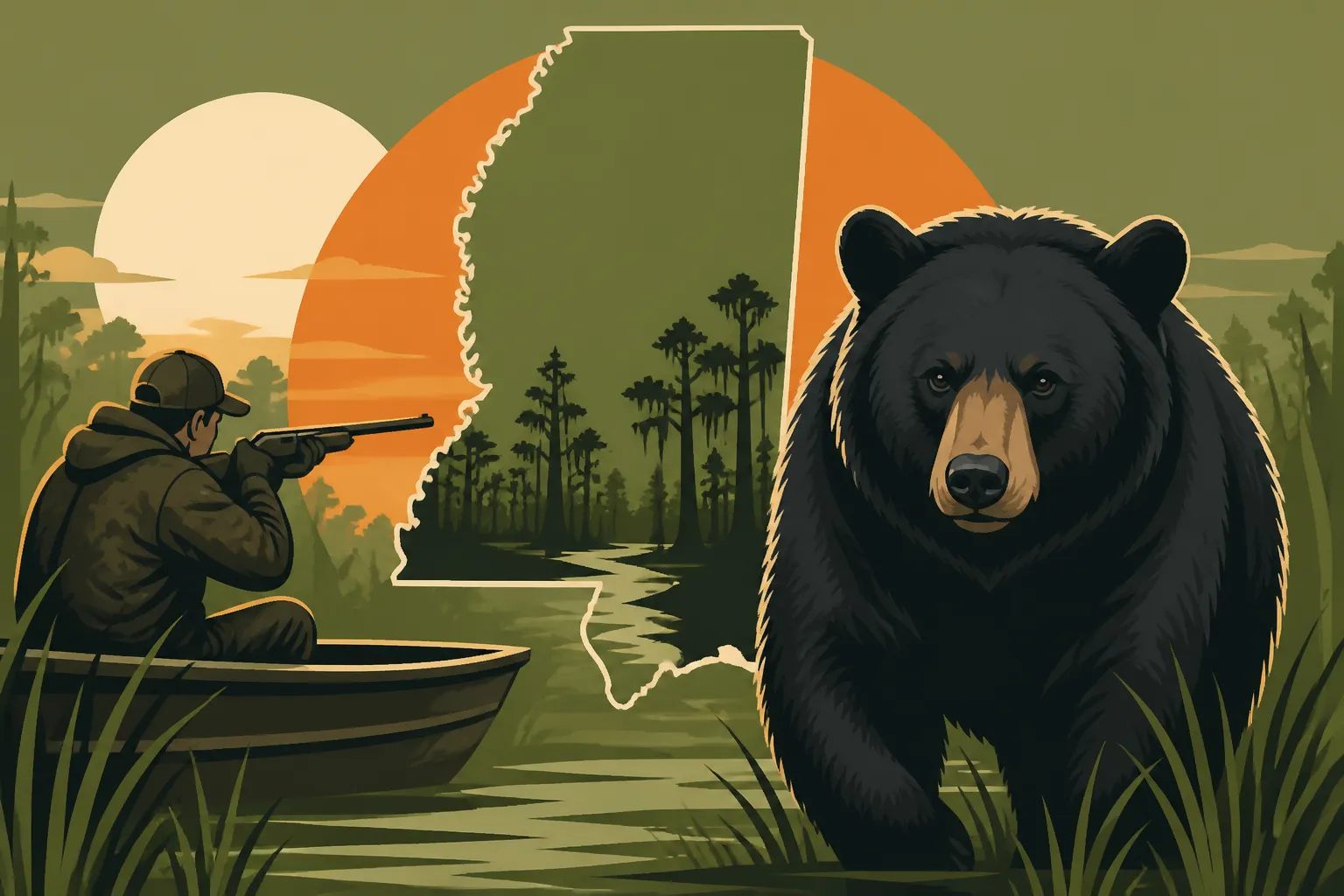
When we talk about the South Mississippi swamp bear population, we're really talking about a specific type of environment that provides everything these animals need to thrive. Unlike their cousins in other parts of the state that might frequent agricultural fields or pine plantations, these southern bears are deeply tied to the extensive bottomland hardwood forests, cypress-tupelo swamps, and dense canebrakes that characterize the major river systems flowing towards the Gulf Coast. Think of places along the Pascagoula River, the Pearl River, and their countless tributaries – these are the true strongholds.
These low-lying, often flooded areas offer an abundance of resources. The dense canopy provides crucial cover from the intense Mississippi sun and a safe haven from human disturbance. The rich soils produce a diverse array of food sources, from acorns in the fall to various berries, nuts, and tubers throughout the warmer months. Imagine a vast, interwoven network of sloughs, oxbow lakes, and backwater channels, all choked with thick vegetation – this is the bear's pantry and bedroom rolled into one. They utilize these areas for everything from denning in hollow logs or beneath dense root masses to raising their cubs in secluded thickets. When you're out scouting with a tool like GoHunt, paying attention to topographic maps and satellite imagery for these specific habitat types can give you an idea of where bears might be present, even if you're targeting other game. Understanding the lay of the land, especially the really remote, hard-to-access swamps, is key to appreciating their preferred habitat. Knowing Where Mississippi Black Bears Live Today also helps you narrow down these core areas.
Understanding the South Mississippi Bear Population
The black bears of South Mississippi are generally more elusive and shy than bears you might encounter in more human-populated areas. They're often smaller in stature compared to bears found in northern states, adapted to a diet heavy on vegetation and smaller prey. Their behavior is typically crepuscular or nocturnal, meaning they're most active during dawn, dusk, and throughout the night, further contributing to their rarely-seen reputation. This makes direct observation challenging for even the most dedicated wildlife enthusiasts.
Their diet is truly omnivorous and shifts with the seasons. In spring, they'll forage for tender shoots, roots, and insects. Summer brings a bounty of berries, from blackberries to wild grapes, while the fall is dominated by the hunt for acorns and other hard mast, which are critical for building up fat reserves for winter. They're also opportunistic, and while they aren't major predators of large game, they won't pass up carrion, fawns, or even small game like rabbits or squirrels if the opportunity arises. Reproduction typically involves sows giving birth to one to three cubs in late winter, often in secluded dens within the densest cover. These cubs will stay with their mother for about 1.5 to 2 years, learning essential survival skills before dispersing to find their own territories. However, these dispersing bears face significant challenges. Habitat fragmentation due to development, logging, and agriculture can create barriers, while roads pose a constant threat from vehicle collisions. As more bears venture out, encounters with humans, while rare, become more likely, leading to potential conflicts. Researchers are always working to monitor these populations, sometimes even through studies like a Mississippi Black Bear DNA Tracking Study to better understand their movements and health.
Coexistence and Responsible Outdoor Practices
As the black bear population slowly expands in South Mississippi, it's increasingly important for everyone who enjoys the outdoors—hunters, hikers, campers, and landowners alike—to understand how to coexist safely and responsibly. The good news is that black bears are generally shy and will avoid human contact if possible. However, they are also intelligent and opportunistic, and once they associate humans with an easy food source, problems can arise.
One of the most crucial things to remember is to never intentionally feed a bear, directly or indirectly. If you're camping or recreating in known bear country, secure all food and scented items in bear-resistant containers or hung from a tree, away from your tent. Always pack out all trash. For hunters, particularly those targeting deer or hogs, it's vital to be aware of bear presence. Avoid leaving gut piles or carcasses easily accessible near trails or campsites. If you're using bait for hogs or other game, understand that it can also attract bears, and in Mississippi, it is illegal to bait bears or hunt over bait where bears might be present. Always check current regulations regarding baiting in areas known for bear activity. Tools like GoHunt can help you scout for natural travel corridors bears might use, helping you select stand locations or routes that minimize surprise encounters.
If you are fortunate enough to see a bear in the wild, the general rule is to give it space. Do not approach it, especially if cubs are present. Make noise, wave your arms, and generally try to make yourself look as large as possible. Most bears will flee. Carrying bear spray can be a wise precaution in dense bear habitat, though it's rarely needed with black bears. Reporting any bear sightings to the Mississippi Department of Wildlife, Fisheries, and Parks (MDWFP) is also incredibly helpful, as it contributes to their ongoing population monitoring efforts. Education is our best tool for ensuring a successful future for Mississippi's Recovering Black Bear Population.
Here's a quick comparison of general characteristics between Mississippi's two main bear populations:
| Characteristic | Delta Region Bear Population | South Mississippi Swamp Bear Population |
|---|---|---|
| Primary Habitat | Bottomland hardwoods, agricultural fields, river corridors | Cypress-tupelo swamps, dense river bottoms, coastal marshes |
| Main Food Sources | Acorns, agricultural crops (corn, soybeans), small game, carrion | Palmetto berries, acorns, tubers, roots, insects, carrion |
| Key River Systems | Mississippi River, Yazoo River, Sunflower River | Pascagoula River, Pearl River, Leaf River |
| Population Origin | Historically from Arkansas/Louisiana, natural expansion | Historically from Louisiana/Alabama, natural expansion |
| Human Interaction | Potential for crop damage, encounters near fields | Generally more elusive, encounters often in remote areas |
| Habitat Type | Vast, fertile floodplains and agricultural mosaic | Extensive, often inundated, forested wetlands and riverine areas |
These bears are a vital part of Mississippi's natural heritage, and their return is a testament to the wildness that still exists within our state. Understanding their habits and respecting their space ensures that future generations will also have the chance to share the woods and swamps with these incredible animals. When you're planning your next outdoor adventure in the southern part of the state, be sure to consider the possibility of sharing the landscape with a bear. Whether you're hunting small game in Squirrel and Small Game Hunting in Mississippi country or exploring the dense cover on Pascagoula River Wildlife Management Area, awareness is key. For those curious about venturing into bear-dense areas, understanding the permits and rules on Public Hunting Land in Mississippi is a good first step, as is knowing general Mississippi Hunting Licenses and What They Cost requirements. If you're specifically hunting deer, consider topics like Hunting the Extended Southeast Unit Archery Window or Late-Season Food Sources for Mississippi Whitetails, which can overlap with areas where bears are more active. Even if your focus is on other species, being knowledgeable about our wildlife, including Mississippi's Recovering Black Bear Population, enriches the entire outdoor experience.
Disclaimer
This article is for general informational purposes only and does not constitute professional advice. Laws, prices and regulations vary by location and change over time. Consult a qualified professional for guidance on your specific situation.