Mississippi Wildlife Rehabilitation for Injured Game
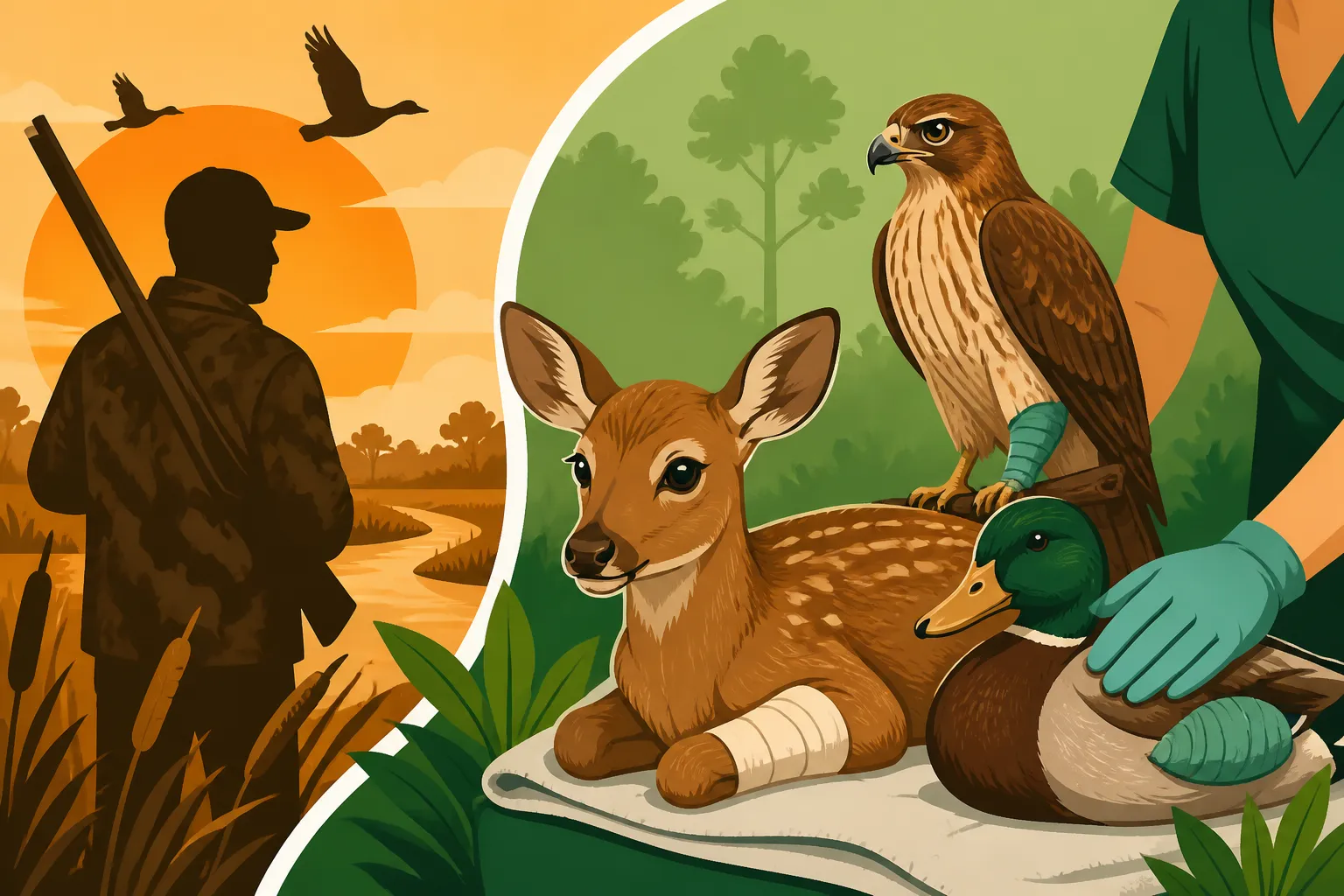
It’s a heart-wrenching moment for any outdoor enthusiast: stumbling upon an injured deer, a dazed bird, or a seemingly abandoned fawn. Our instincts often scream at us to intervene, but knowing how to help without causing further harm, or even breaking the law, can feel impossible. This comprehensive guide will walk you through the proper steps to take when you encounter injured game wildlife in Mississippi, connecting you with the right resources and dispelling common myths so you can truly make a difference.
Understanding Wildlife Rehabilitation and Why It Matters
When you’re out in the Mississippi woods, whether you’re scouting a new hunting spot with a tool like GoHunt or just enjoying a quiet hike, it's easy to assume that all wildlife is self-sufficient. But the truth is, animals, even robust game species, can face injuries or become orphaned, often through no fault of their own. Vehicle collisions, accidental encounters with farm equipment, falls, territorial fights, or even natural disasters can leave an animal in desperate need of assistance. Recognizing that some animals can be saved, rehabilitated, and returned to their natural environment is a critical part of ethical wildlife stewardship.
Wildlife rehabilitation isn't just about saving an individual animal; it plays a role in public health and disease monitoring too. For example, if a deer is found injured with unusual symptoms, a rehabilitator might be the first line in identifying potential issues like Mississippi Wildlife Disease Monitoring or the spread of Chronic Wasting Disease. It’s a specialized field requiring trained professionals who understand animal behavior, nutrition, medicine, and the ultimate goal of successful reintroduction to the wild. Trying to "rescue" and care for a wild animal yourself, no matter how good your intentions, can actually do more harm than good and is often illegal without proper permits.
Our state's wildlife management agencies, like the MDWFP, work tirelessly to manage healthy populations, but individual animals will inevitably run into trouble. Knowing there’s a system in place to care for these unfortunate creatures provides a pathway for concerned citizens to contribute positively. It’s about more than just sentiment; it's about respecting the animals that share our landscape and upholding our commitment to conservation.
What to Do When You Encounter Injured or Apparently Orphaned Wildlife
Finding an injured animal can trigger a rush of emotions, but the most important thing is to pause and assess the situation calmly and safely. Your first priority should always be your own safety, followed by the animal's welfare. Remember, wild animals, especially when injured or frightened, can be unpredictable and dangerous. They are not pets and can inflict serious bites or scratches.
Firstly, observe the animal from a distance. Is it truly injured, or simply resting? Often, young animals, like fawns, are left alone by their mothers for extended periods while the mother feeds nearby. What appears to be an "orphaned" animal might simply be a fawn doing exactly what it's supposed to do. If you see visible wounds, a broken limb, or the animal is clearly disoriented or unable to move, then intervention might be necessary. But if it's just lying quietly, especially a fawn, giving it space and observing from afar for a few hours can often reveal that the mother returns. Remember, if you move a fawn that isn't truly orphaned, you might inadvertently cause its abandonment.
If intervention seems necessary, resist the urge to immediately pick up the animal or bring it home. Instead, contact a licensed wildlife rehabilitator immediately. These professionals have the knowledge and permits required to legally possess and care for wild animals. You can find contact information for licensed rehabilitators through the Mississippi Department of Wildlife, Fisheries, and Parks (MDWFP) website. Local animal shelters or veterinary clinics might not be equipped or licensed to handle wild game species, but they can sometimes provide initial advice or direct you to the correct resources. For specific issues, like discovering an animal with concerning symptoms, you might be directed to Reporting a Sick Animal in Mississippi.
Safety First: Handling and Transporting Injured Game
The actual handling and transportation of an injured wild animal present the biggest risks, both to you and to the animal. It's crucial to minimize stress on the animal, which is already in a vulnerable state. If you absolutely must move an injured animal because it's in immediate danger (like in the middle of a busy highway after a Mississippi Deer Vehicle Collisions), always prioritize safety. Wear thick gloves, use a blanket or a sturdy box, and avoid direct contact as much as possible.
For larger game, like deer or turkeys, attempting to move them yourself can be extremely dangerous. A thrashing deer, even with a broken leg, can cause severe injury. In such cases, your best bet is to call a rehabilitator or local law enforcement for guidance. They can often dispatch someone with proper training and equipment. For smaller game, like an injured squirrel from a tree fall (think about those Mississippi Squirrel Harvest Numbers and how many more are out there living their lives!), a ventilated box lined with a soft cloth can work for temporary containment. Ensure the box is dark and quiet to reduce stress. Do not offer food or water unless specifically instructed by a rehabilitator, as improper feeding can lead to severe digestive issues or aspiration.
Keep the animal warm, especially if it's cold outside, but avoid overheating. A towel or blanket over the carrier can help maintain a stable temperature and provide a sense of security. The goal of transport is quick and efficient delivery to the rehabilitator, minimizing jostling and loud noises. Remember, illegal possession of game species, even with good intentions, can lead to Mississippi Wildlife Violation Penalties, so always work with licensed professionals.
Connecting with Licensed Rehabilitators in Mississippi
Finding the right person to help injured game is paramount. In Mississippi, the MDWFP maintains a list of licensed wildlife rehabilitators. These individuals and organizations have undergone training, demonstrated competence, and secured the necessary permits to legally care for wild animals. Without this license, it is illegal to possess most native wildlife. You won't find specific prices or fees here, as these services are often provided by volunteers or non-profits, but they may have operational costs, so it's always good to ask about that when you call.
When you contact a rehabilitator, be prepared to provide clear, concise information:
- What kind of animal is it? (Deer, turkey, squirrel, etc. – if you’re unsure, describe it.)
- What is the apparent injury or situation? (Broken wing, hit by car, orphaned, appears sick.)
- Where exactly did you find it? (Be specific with crossroads, landmarks, or GPS coordinates.)
- Your contact information.
- Your current location and if you are able to transport the animal.
Don't be discouraged if you have to leave a message. Rehabilitators are often volunteers with busy schedules and may be out in the field. Leave a clear message with all the details, and they will get back to you as soon as they can. Many rehabilitators specialize in certain types of animals, so you might be referred to someone else, which is a normal part of the process. For hunters using platforms like GoHunt to explore different areas, you might keep a list of local rehabilitators in mind for the specific regions you frequent.
Here’s a simplified table outlining the do's and don'ts when you encounter injured wildlife:
| Do's | Don'ts |
|---|---|
| Keep a safe distance and observe. | Approach or touch without proper precautions. |
| Call a licensed wildlife rehabilitator. | Try to care for the animal yourself. |
| Note the exact location of the animal. | Feed or water the animal unless instructed. |
| Use gloves and a secure box for small animals if transport is advised. | Make loud noises or sudden movements. |
| Keep the animal warm, dark, and quiet during transport. | Assume a young animal is orphaned if its parent isn't in immediate sight. |
| Prioritize your own safety. | Illegally possess wildlife. |
Misconceptions, Ethical Dilemmas, and Long-Term Goals
There are many myths surrounding injured wildlife. One of the most common is that a mother will reject her young if a human touches it. While it's best to minimize contact, many species, especially mammals, will not abandon their young based solely on human scent. However, stress from human intervention can cause a mother to move her young to another location or flee the area, making a reunion harder. This is why giving space is always the first step, especially with something like Mississippi Fawn Survival Rates being so dependent on natural rearing.
Another misconception is that all injured animals can be fully rehabilitated. The reality is that severe injuries, diseases, or prolonged stress can make successful rehabilitation and release impossible. In these cases, a licensed rehabilitator, often in consultation with a veterinarian, may determine that humane euthanasia is the most compassionate option. This is a difficult but necessary decision that prevents an animal from prolonged suffering. This also includes considerations for diseases like CWD; for deer found in affected areas, Handling Venison From a CWD Management Zone is an important consideration, even if the animal is injured and not harvested.
The ultimate goal of wildlife rehabilitation is always release back into the wild. This means the animal must be able to fend for itself, find food, avoid predators, and reproduce naturally. Rehabilitators work to ensure the animal is not only physically healed but also behaviorally capable of surviving independently. This isn't always possible, but when it is, it's a testament to the dedication of these professionals and the resilience of Mississippi's wildlife, from the mighty buck you might track using GoHunt to the smallest songbird. Your careful, informed actions can be the critical first step in an injured animal's journey back to the wild.
Disclaimer
This article is for general informational purposes only and does not constitute professional advice. Laws, prices and regulations vary by location and change over time. Consult a qualified professional for guidance on your specific situation.