Mississippi Longleaf Pine and Quail Habitat
It’s a tough pill to swallow for many hunters across Mississippi: the sound of a bobwhite quail covey exploding from cover is becoming rarer and rarer. Decades of changing landscapes, agricultural practices, and a fundamental misunderstanding of what these incredible birds truly need to thrive have led to a drastic decline in their numbers. This guide will dive deep into why this happened, but more importantly, it will explore the critical role of longleaf pine ecosystems in bringing back the bobwhite quail and what landowners and enthusiasts can do to help restore this cherished game bird to our Mississippi woodlands.
The Historic Decline of Mississippi's Bobwhite Quail
For generations, the bobwhite quail was an iconic staple of Mississippi's hunting heritage. Grandparents recall fields teeming with birds, and the whistle of a quail was a common soundtrack to rural life. Today, those memories often come with a sigh, as many lament the silence where coveys once called. This isn't just a nostalgic ache; it's a stark reality driven by significant ecological shifts. The truth is, bobwhite quail face a complex web of challenges, but at its heart, it almost always comes back to one thing: habitat. Without the right places to live, eat, and raise their young, these birds simply cannot survive, let alone flourish.
A Legacy Lost: Why Quail Vanished
The widespread disappearance of quail isn't due to a single culprit, but rather a perfect storm of environmental changes that gradually eroded their living spaces. Back in the day, much of Mississippi's landscape naturally provided ideal quail habitat: a mosaic of open pine forests, diverse native grasslands, and small-scale agriculture that left plenty of edge cover and fallow fields. These areas were often managed, whether intentionally or not, by frequent low-intensity fires that kept the understory open and promoted the growth of crucial food plants. As land use shifted, so did the fate of the bobwhite.
One major factor was the conversion of vast tracts of diverse habitat into monoculture agriculture, especially large-scale row crops that offer little in the way of nesting cover or escape routes. Modern farming practices often involve clean fence rows and intensive herbicide use, eliminating the very weeds and native plants that provide both food and shelter for quail. Beyond agriculture, significant changes in forestry practices, moving away from naturally open pine stands towards densely planted, fast-growing timber plantations, also played a devastating role. These thick stands choke out the understory plants, making it impossible for quail to move, feed, or nest. Lastly, the suppression of natural fire, which once sculpted Mississippi's forests, allowed dense brush and hardwoods to invade and dominate areas that were historically open and grassy. This transformation turned ideal quail country into dense, impenetrable thickets, pushing the birds out. It's a sad narrative, but understanding it is the first step toward a solution. We delve deeper into this history in Mississippi's Historic Quail Decline.
The Ghost of Bobwhites Past: A Glimpse at the Numbers
While specific, year-to-year population figures are always fluctuating and can be tricky to nail down perfectly, the trend lines for bobwhite quail across Mississippi and much of the Southeast tell a sobering story. We're talking about declines that often exceed 80% in many regions since the mid-20th century. For many hunters and landowners, this isn't abstract data; it's a palpable absence in their fields and woods. What was once a reliable opportunity for a challenging bird hunt has, in many places, become a wistful dream.
The impact of these declines stretches beyond just hunting opportunities. Quail are considered an "indicator species," meaning their health reflects the health of the broader ecosystem. Their disappearance signals a loss of biodiversity and a degradation of habitat that affects countless other species, from songbirds to beneficial insects. When you look at the long-term trends, it's clear that the landscape has fundamentally changed in ways that are incompatible with bobwhite quail survival on a large scale. The challenge, then, is not just to bring back some quail, but to restore entire ecosystems that can support thriving populations of Bobwhite Quail in Mississippi. This isn't just about hunter enjoyment; it's about ecological responsibility and reconnecting with a vital part of our natural heritage.
The Resurgence of Longleaf Pine: A Quail Sanctuary
Amidst the grim statistics, there's a beacon of hope: the resurgence of longleaf pine. This majestic, fire-adapted tree species once dominated millions of acres across the Southeast, including significant portions of Mississippi. Its unique ecological characteristics create an environment that is perfectly tailored to the needs of bobwhite quail, making it a cornerstone of any serious restoration effort. Replanting and managing longleaf is more than just forestry; it's a commitment to a vision of a healthier, more diverse, and quail-rich Mississippi.
What Makes Longleaf Pine So Special for Quail?
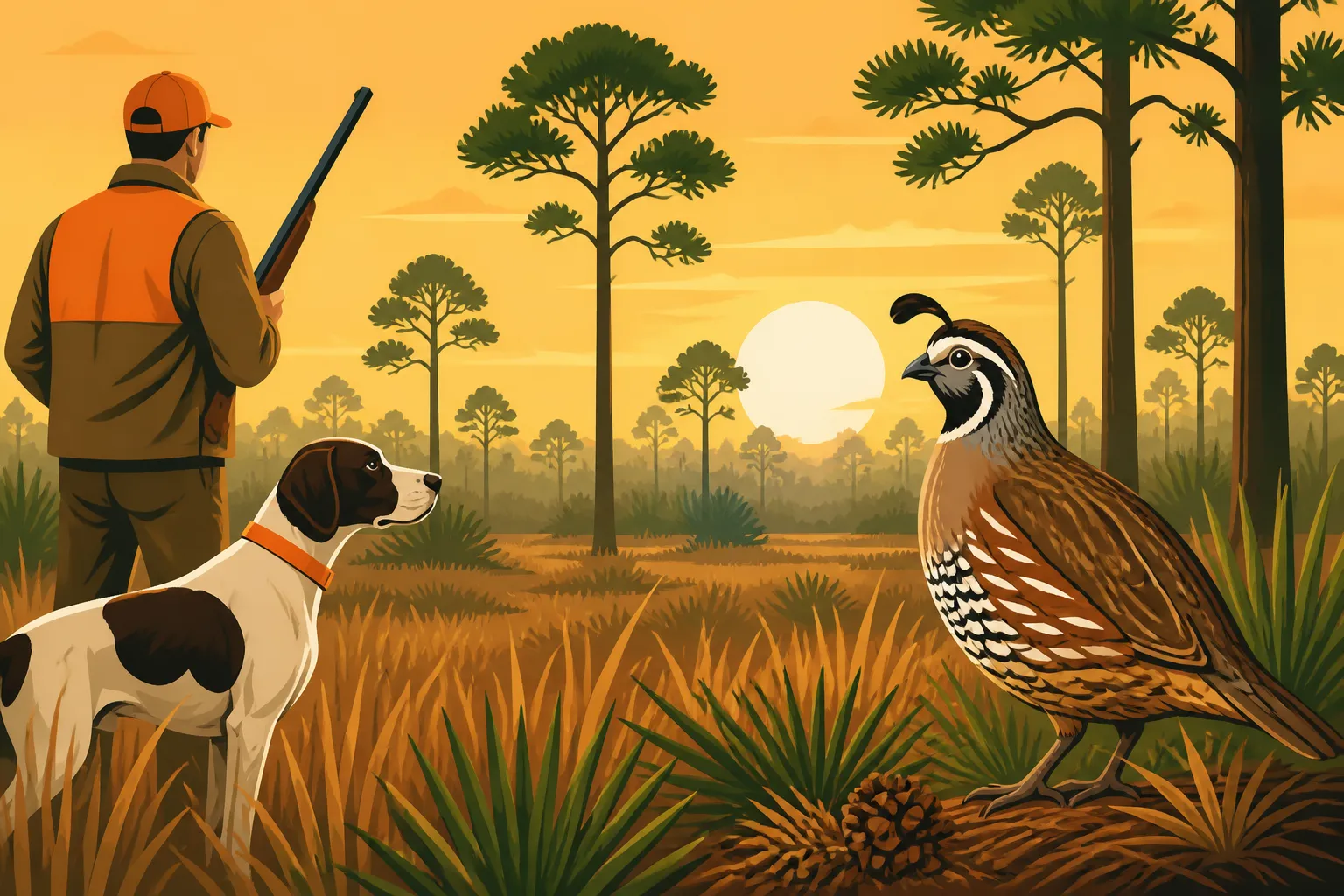
Imagine walking through a longleaf pine forest that's been properly managed with fire. It's not the dark, dense, claustrophobic pine plantation most people picture. Instead, it's an open, airy landscape with widely spaced trees, allowing sunlight to stream down to the forest floor. This sunlight is crucial because it fuels the growth of a vibrant, diverse understory of native grasses, wildflowers, and legumes – all essential components of quail habitat. These plants provide dense, grassy nesting cover, protection from predators, and a constant buffet of seeds and insects.
The open understory allows quail to move freely, escape predators, and forage without constantly fighting through thick brush. The diverse insect population, fostered by the native plant community, is absolutely vital for quail chicks, providing the high-protein diet they need to grow rapidly in their first few weeks of life. Furthermore, the large, slow-growing longleaf cones eventually drop seeds that offer a seasonal food source. This combination of open canopy, diverse understory, and rich insect life makes a healthy longleaf ecosystem a five-star resort for bobwhite quail, providing everything they need to thrive, from nesting to feeding to evasion.
The Role of Prescribed Fire in Longleaf Ecosystems
You can't talk about longleaf pine without talking about fire. These trees are incredibly fire-adapted; their thick bark protects mature trees, and their "grass stage" seedlings are virtually immune to low-intensity burns. For quail, prescribed fire is not just beneficial; it's absolutely essential. It's nature's way of cleaning house and maintaining the open, diverse understory that quail require. Without fire, a longleaf stand will eventually become overgrown with woody brush and dense hardwoods, shading out the vital groundcover.
Prescribed burns clear out the accumulated leaf litter and duff, returning nutrients to the soil. More importantly, they suppress undesirable hardwood encroachment and stimulate the growth of desirable native grasses and forbs (broadleaf plants). These herbaceous plants provide crucial nesting cover, seeds, and attract insects, creating a perfect environment for quail. By burning on a regular rotation, typically every one to three years, landowners can mimic the natural fire regimes that historically shaped these landscapes, ensuring a continuous supply of fresh, nutritious forage and open travel lanes for quail. This management strategy is foundational to How Managed Pine Could Restore Mississippi Quail and something we've learned a lot about in recent years. Landowners looking to implement prescribed fire should always consult with professionals and ensure proper permits and safety measures are in place, particularly with considerations like Prescribed Burns and Mississippi Hunting Closures.
Restoring Quail Habitat: Practical Steps for Landowners
Bringing back bobwhite quail isn't a quick fix; it's a long-term commitment that requires deliberate action and a deep understanding of their habitat needs. For Mississippi landowners, whether you have five acres or five hundred, there are tangible steps you can take to contribute to quail restoration. It often starts with a willingness to change management practices and embrace a more natural, fire-dependent approach to the land.
Establishing Longleaf Pine Stands
The first and most critical step for many properties is establishing or expanding longleaf pine stands. This isn't like planting typical loblolly or slash pine; longleaf has a unique growth pattern and requires careful attention during establishment. You'll want to source high-quality longleaf pine seedlings, preferably from local or regional nurseries, to ensure they're adapted to Mississippi's climate. Site preparation is key – this often involves clearing competing vegetation, sometimes through herbicide application or mechanical means, to give the young seedlings the best chance to survive.
Planting density is another important consideration. Unlike dense timber plantations, quail-friendly longleaf stands are typically planted at wider spacings to ensure ample sunlight reaches the forest floor. Think 400-600 trees per acre, rather than 700-800 or more. This wider spacing might feel counterintuitive for timber production, but it's paramount for creating the open understory that defines quality quail habitat. Patience is also a virtue here; longleaf spends its first few years in a "grass stage," focusing its energy on root development before shooting up rapidly. It's a slower start, but the long-term ecological benefits are immense.
Active Management: Fire, Thinning, and Food Sources
Once your longleaf pines are established, the real work of active habitat management begins. This isn't a "plant it and forget it" endeavor; it's an ongoing process that responds to the dynamic nature of the ecosystem. The cornerstone of this management, as we've discussed, is prescribed fire. Developing a burn plan that incorporates a 1-3 year rotation will be essential. This might mean burning a third of your property each year, or breaking it into smaller blocks, depending on your property size and resources.
Beyond fire, timber thinning will become important as the longleaf pines grow. As the trees mature, they will begin to shade the forest floor. Strategic thinning allows more sunlight to penetrate, reinvigorating the understory and promoting the growth of native grasses and forbs. This cyclical process of burning and thinning is what creates and maintains the ideal open, grassy conditions for quail. Furthermore, consider enhancing natural food sources by encouraging native warm-season grasses and legumes. These plants provide critical seeds and attract insects that are vital for quail diets. While supplemental feeding can sometimes be considered, focusing on natural, diverse forage is far more sustainable and ecologically beneficial. Using tools like GoHunt, landowners can sometimes find resources, mapping data, and even connect with habitat consultants who specialize in these practices, helping to plan and visualize their long-term management strategy.
The Long-Term Commitment to Quail Restoration
Restoring quail habitat isn't an overnight project; it's a marathon, not a sprint. It takes dedication, consistent effort, and a willingness to see the land through a different lens. You won't typically see an explosion of quail coveys the year after your first burn or thinning. Ecological recovery takes time. However, the rewards extend far beyond just the potential return of the bobwhite. A well-managed longleaf pine ecosystem is incredibly resilient and biodiverse.
It supports a wide array of other wildlife, from deer and wild turkeys to countless songbirds and pollinators. The aesthetic beauty of an open, park-like longleaf forest is also undeniable. Moreover, healthy longleaf forests are more resistant to diseases and destructive wildfires. Embracing this long-term commitment means becoming a steward of the land, understanding its natural processes, and making choices that benefit the entire ecosystem. It's a rewarding journey that connects you deeply to Mississippi's natural heritage, providing habitat not just for quail, but for the full spectrum of Mississippi Small Game and Furbearers.
Public and Private Efforts in Quail Conservation
The task of quail restoration is far too big for any single individual or agency. It requires a concerted, collaborative effort, bringing together state wildlife agencies, conservation organizations, and, perhaps most importantly, private landowners. Mississippi has a rich history of land stewardship, and that spirit is key to bringing back the bobwhite. Understanding the resources available, both public and private, can be a game-changer for those looking to make a difference on their land.
Mississippi Department of Wildlife, Fisheries, and Parks Initiatives
The Mississippi Department of Wildlife, Fisheries, and Parks (MDWFP) plays a vital role in quail conservation through various initiatives. While they manage public lands like Wildlife Management Areas (WMAs) where habitat work, including prescribed burning and longleaf restoration, is actively undertaken, their impact extends to private lands as well. MDWFP biologists often provide technical assistance to landowners, offering expert advice on habitat management plans tailored to individual properties. They can help identify appropriate native plant species, develop burn plans, and offer guidance on thinning regimes that benefit quail.
These initiatives are crucial for demonstrating successful management techniques and for educating the public on the importance of habitat. They also work to monitor quail populations across the state, helping to understand where efforts are most needed and where success is being achieved. For anyone serious about managing their land for quail, reaching out to the MDWFP is an excellent first step to gain valuable insights and support. Their efforts on WMAs like those requiring a Mississippi WMA Permit Requirement often serve as living laboratories for effective quail habitat restoration.
Private Landowner Incentives and Resources
For many Mississippi landowners, the upfront costs and labor involved in habitat restoration can seem daunting. Thankfully, there are often incentive programs and resources available to help. Various federal and state cost-share programs, often administered through the USDA's Natural Resources Conservation Service (NRCS) or state forestry commissions, can provide financial assistance for activities like longleaf pine planting, prescribed burning, and native grassland restoration. These programs recognize the public benefit of private land conservation and aim to make it more feasible for landowners to undertake these important projects.
Beyond financial aid, numerous private conservation organizations, such as the National Wild Turkey Federation (who often work on broader upland bird habitat), Quail Forever, and local conservation districts, also offer technical guidance, workshops, and even volunteer labor for habitat projects. These groups are passionate about bringing back quail and can be incredible partners. Utilizing online mapping tools and resources, like those found through GoHunt, can also help landowners analyze their property, identify potential habitat areas, and even connect with local contractors for services like prescribed burning or mechanical thinning. The key is to seek out these resources, as you don't have to go it alone. Understanding Mississippi Hunter Education Requirements is also a good starting point for learning about responsible land use and wildlife management from a broader perspective.
Here's a quick look at common habitat management techniques and their benefits for quail:
| Technique | Primary Purpose | Benefits for Quail | Frequency / Timing |
|---|---|---|---|
| Prescribed Burning | Reduce fuel load, control hardwoods | Creates open understory, promotes native grasses/forbs, insect production | Every 1-3 years (dormant or growing season) |
| Timber Thinning | Increase sunlight to forest floor | Enhances understory growth, improves foraging/escape cover | Every 5-15 years (as needed) |
| Native Grass/Forb Planting | Restore diverse groundcover | Provides nesting, brood-rearing, foraging habitat, seeds | As needed (often after initial clearing) |
| Herbicide Application | Control undesirable woody vegetation | Reduces competition, opens up dense areas | Spot treatment or broadcast (as needed) |
| Edge Feathering | Create soft transition between habitats | Increases usable space, offers cover/food | Periodically (as needed) |
| Old Field Management | Maintain herbaceous cover, diverse plants | Excellent nesting, brood-rearing, foraging habitat | Every 1-5 years (disking, burning) |
Disclaimer
This article is for general informational purposes only and does not constitute professional advice. Laws, prices and regulations vary by location and change over time. Consult a qualified professional for guidance on your specific situation.