Donating Venison in Mississippi
It's a fantastic problem to have, isn't it? You've had a successful deer season here in Mississippi, perhaps even tagged out, and your freezer is bursting at the seams with delicious venison. While it's a blessing, it can also feel a little overwhelming when you're looking at pounds and pounds of meat and wondering how you'll possibly get through it all before next season. This guide is all about turning that abundance into a powerful act of giving, explaining exactly how you can donate venison to help feed hungry families right here in Mississippi.
Why Donating Venison Matters Beyond Just Giving Back
The satisfaction of a successful hunt is immense, but sometimes, our freezers can only hold so much. If you're anything like me, you've probably stood in front of a chest freezer packed with deer meat, feeling a mix of gratitude and slight panic. Donating that surplus venison isn't just about clearing space; it's about extending the harvest's bounty to those who need it most, truly honoring the animal and the spirit of the hunt.
The Ethical Hunter's Dilemma: Too Much Meat
We hunters take pride in utilizing our harvest, wasting nothing. We process the meat, render the fat, and some even tan the hides. But what happens when you've filled your tags early, or maybe had an exceptionally good year, and suddenly your deep freeze is packed solid with steaks, roasts, and ground venison? The dilemma is real: you don't want the meat to go to waste, and you certainly don't want to feel like you're hoarding when others might be struggling to put food on their tables.
It’s a common feeling, that internal struggle between the joy of a full freezer and the knowledge that there’s a limit to how much your family can consume. Sometimes, the sheer volume of a successful season can lead to venison lingering in the freezer far longer than it should, potentially diminishing its quality. This is where the idea of donation truly shines, offering an ethical, practical, and deeply fulfilling solution to ensuring every ounce of that hard-earned meat serves a purpose. It respects the animal by ensuring its life wasn't taken in vain, and it respects the community by providing a valuable resource.
Bridging the Hunger Gap in Mississippi
Mississippi faces significant challenges with food insecurity, meaning many individuals and families don't always know where their next meal is coming from. While organizations work tirelessly to provide meals, lean, healthy protein is often one of the most expensive and hardest items for food banks to acquire in large quantities. This is where a hunter's venison donation becomes incredibly impactful.
Imagine the difference a few pounds of ground venison can make to a family stretching their budget, or the nutritional value it brings to a child who might not otherwise get enough protein. Donated venison isn't just "filler" food; it's a high-quality, lean source of protein that directly addresses a critical need. Programs designed to facilitate venison donation bridge this gap directly, transforming your successful hunt into a tangible benefit for your neighbors. It’s a powerful cycle of conservation and compassion, where the bounty of our wild places feeds not just our own families, but the wider community. It feels good to know that your efforts in the field are directly helping others right here in our home state.
Navigating Mississippi's Venison Donation Programs
So, you're ready to share your harvest – that's fantastic! But just like anything involving food safety and public health, there are specific channels and rules you need to follow to ensure your venison gets to those in need safely and efficiently. You can't just drop off a whole deer at your local food bank; there's a system in place to guarantee quality and compliance.
Finding Approved Processors and Drop-Off Points
The cornerstone of any successful venison donation program is the network of approved meat processors. These aren't just any local butcher shops; they are facilities that have agreed to participate in recognized donation programs, adhering to specific guidelines for processing donated wild game. This ensures the meat is handled, processed, and packaged to meet health standards before it reaches food distribution centers.
Locating these participating processors is usually straightforward. Many state wildlife agencies, including the MDWFP, will often list approved facilities on their websites, especially for programs similar to "Hunters for the Hungry" that operate throughout the state. You might also find this information through local hunting clubs or conservation organizations, as they are often deeply involved in these community efforts. A good starting point can often be found by checking official state resources, or by using tools like GoHunt to see if they have any community-driven maps or directories. Don't assume your regular processor is automatically part of the program; always verify beforehand. Calling ahead is always a smart move to confirm their participation and current drop-off procedures.
Understanding the Rules and Regulations for Donating
Mississippi has specific rules for deer hunting, and these extend to donation as well. It’s not just about getting the meat processed; it’s about making sure it’s safe and legal for consumption by others. One of the most critical aspects, especially in recent years, revolves around Chronic Wasting Disease (CWD).
| Requirement Category | Specific Details for Donated Venison in Mississippi |
|---|---|
| Source Animal | Must be legally harvested, healthy-appearing deer. |
| CWD Testing | Mandatory in Mississippi's Chronic Wasting Disease Zones; results must be negative. |
| Processing | Must be processed by an MDWFP-approved facility. |
| Meat Form | Typically boned-out meat is required (no bone-in cuts). |
| Packaging | Meat must be properly wrapped and labeled by the processor. |
| Donation Form | Hunters often fill out a simple donation form at the processor. |
| Condition | Carcass must be clean, free of dirt, hair, and spoilage. |
If you harvest a deer in one of Which Eleven Counties Sit in the North CWD Zone or other designated CWD management zones, mandatory testing for CWD is often required before the meat can be released, especially for donation. This is a non-negotiable step to protect public health and the integrity of the donation program. You'll need a negative test result for your venison to be accepted. Furthermore, most programs require the deer to be boned out, meaning no bone fragments are left in the meat, which helps prevent the spread of potential CWD prions and simplifies processing for the receiving organizations. Always double-check with the specific processor or program for their exact requirements before you even head to the field. Using a platform like GoHunt to stay updated on current MDWFP regulations can really help avoid any last-minute surprises or disappointments.
The Step-by-Step Process of Donating Your Harvest
Donating your venison shouldn't be a complicated affair, but knowing the process can help you prepare and ensure everything goes smoothly. It really starts from the moment your deer is on the ground, and good practices there will make all the difference for a successful donation.
Field Dressing and Initial Care for Donation
The journey of donated venison begins the instant you harvest your deer. Proper field dressing is paramount. This means eviscerating the animal promptly and thoroughly to allow the carcass to cool down as quickly as possible. Heat is the enemy of good meat, especially in Mississippi's often warm hunting conditions. Any delay in gutting or cooling can lead to spoilage, rendering the meat unsuitable for donation.
After field dressing, focus on keeping the carcass clean. Avoid dragging the deer through dirt and mud if possible, or at least clean it thoroughly afterwards. If you're quartering the deer in the field, ensure your hands and knives are sanitized. Rapid cooling, whether with ice in a cooler or by hanging the carcass in a cool environment, is crucial. Think of it this way: if you wouldn't feel comfortable serving that meat to your own family, it shouldn't be donated. The quality of the meat you donate reflects not only on you as a hunter but also on the entire donation program, so starting with a pristine product is key. Remember, the goal is to provide healthy, high-quality protein to those who need it most.
Transporting and Handing Off Your Deer
Once your deer is field-dressed and cooled, the next step is transportation to an approved processor. This is where keeping the meat clean and cool remains vital. If you're traveling a significant distance or hunting in warmer weather, having coolers packed with ice is non-negotiable, especially for quartered meat. Ensure the carcass or quarters are protected from dirt, road grime, and insects during transport. A clean tarp or game bags can make a big difference.
When you arrive at the designated processor, be prepared for a few formalities. You'll likely need to provide proof of your hunting license and harvest information, just like you would for any deer checked in with the state, perhaps even using a system like Reporting a Deer Through Mississippi's App. The processor will guide you through any specific paperwork required for donation, which might include signing a release form. They'll also inspect the carcass to ensure it meets their acceptance standards for cleanliness and condition. This is also the point where, if you harvested in a CWD zone, they might require proof of a negative CWD test or take a sample for testing before processing begins. They're typically very helpful and understand the process, so don't hesitate to ask questions.
Post-Donation: Knowing Your Impact
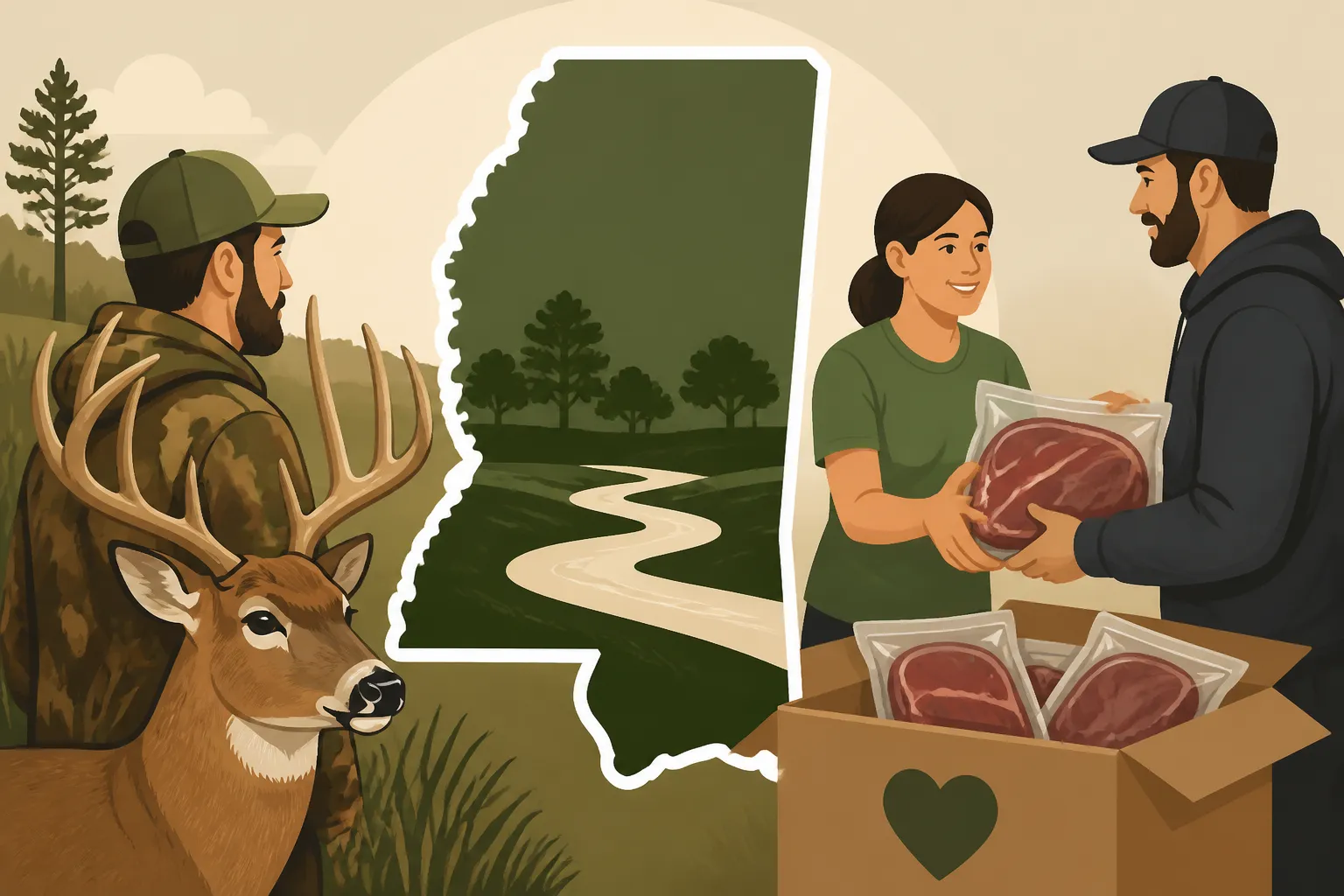
After you've dropped off your deer and completed the necessary forms, your part is done. The approved processor will take over, handling the butchering, packaging, and often freezing of the venison. From there, the meat will be distributed to local food banks, pantries, and other charitable organizations throughout Mississippi. These organizations then provide the nutritious venison directly to families and individuals facing hunger.
There's a deep sense of satisfaction that comes with knowing your efforts in the field have extended far beyond your own dinner table. You’re not just an ethical hunter; you’re a community provider. Each pound of venison you donate contributes to a healthier, more secure food supply for Mississippians in need. It's a direct way to give back, to share the bounty of our state's incredible White-Tailed Deer Across Mississippi population, and to make a genuine difference in the lives of your neighbors. This act truly embodies the spirit of hunting, transforming a personal pursuit into a powerful act of charity and community support.
Common Challenges and Tips for a Smooth Donation Process
While donating venison is a straightforward and rewarding process, there can be a few logistical bumps in the road that are good to anticipate. Knowing these ahead of time can help you plan and ensure your charitable act goes off without a hitch.
Overcoming Logistics: Time, Distance, and Freezer Space
One of the biggest hurdles for hunters looking to donate is often logistics. Mississippi is a big state, and finding an approved processor that's open, convenient, and within a reasonable driving distance from your hunting spot isn't always easy, especially if you're out deep in Delta National Forest Hunting or another remote area. Processors also have specific operating hours, and if you tag a deer late in the day, getting it there before closing can be a frantic dash.
Another common challenge is freezer space. Maybe you planned to keep the venison but unexpectedly filled your tags quickly, or perhaps your home freezer is already dedicated to other goods. This is where pre-planning becomes crucial. Before the season even starts, identify a few approved processors within a reasonable radius of your hunting areas. Call them to confirm their participation in donation programs and their typical operating hours. If you know you'll be hunting in a Mississippi's Chronic Wasting Disease Zones, plan for the mandatory CWD testing turnaround. Consider having a dedicated cooler or two for potential donation harvests, allowing you to keep the meat properly chilled until you can get it to a processor, even if that means waiting until the next day. Being proactive about these details, perhaps even identifying potential routes and processor locations with a tool like GoHunt, can save you a lot of stress when you're tired from the hunt.
Ensuring Your Deer Meets Donation Standards
The success of venison donation programs hinges on the quality and safety of the meat, so ensuring your harvested deer meets all the standards is paramount. Nothing is more frustrating than making the effort to donate, only for your deer to be rejected because it doesn't meet the program's criteria. The most common reasons for rejection typically involve poor field care or failing to meet CWD testing requirements.
To avoid this, treat every deer you harvest as if you intend to donate it – even if you don't. This means meticulous field dressing, rapid cooling, and keeping the carcass as clean as possible. Any sign of spoilage, excessive dirt, or shot-up areas that compromise too much meat can lead to rejection. Again, if you wouldn't eat it, don't expect a food bank to accept it. For hunters in CWD management zones, remember that Mandatory Testing Inside a Mississippi CWD Zone is a critical step; a deer from these areas without a negative CWD test result will almost certainly be turned away from donation programs. Stay up-to-date on all the current regulations for your specific hunting unit, as these can change. Resources like the MDWFP website or platforms like GoHunt are invaluable for getting the latest information, ensuring your generous act is a truly successful one.
Disclaimer
This article is for general informational purposes only and does not constitute professional advice. Laws, prices and regulations vary by location and change over time. Consult a qualified professional for guidance on your specific situation.