Mississippi Feral Hog Diet and Rooting Damage
If you've spent any time at all outdoors in Mississippi, whether you're tending crops, walking timber, or scouting for deer, you've probably come across the tell-tale signs of feral hogs: disturbed earth, damaged fields, and an overall sense of chaos where nature once held a more predictable rhythm. These incredibly adaptable animals are more than just a nuisance; their relentless search for food drives them to wreak havoc on our landscapes, ecosystems, and agricultural operations. Understanding exactly what fuels these destructive foragers and how their dietary habits translate into devastating rooting damage is the first step toward managing their pervasive impact.
The Opportunistic Appetite of Mississippi Feral Hogs
Feral hogs are not picky eaters – and that's precisely what makes them such a formidable challenge across our state. Their diet is incredibly varied, allowing them to thrive in almost any environment, from the rich bottomlands of the Delta to the piney woods of the south. They are true omnivores, meaning they consume both plant and animal matter, adapting their menu based on what's most readily available and nutritionally beneficial at any given time. This extreme adaptability is a huge part of why the feral hog problem is so widespread in Mississippi, as they can sustain themselves even when preferred food sources are scarce.
What's on the Menu: A Diverse Foraging Strategy
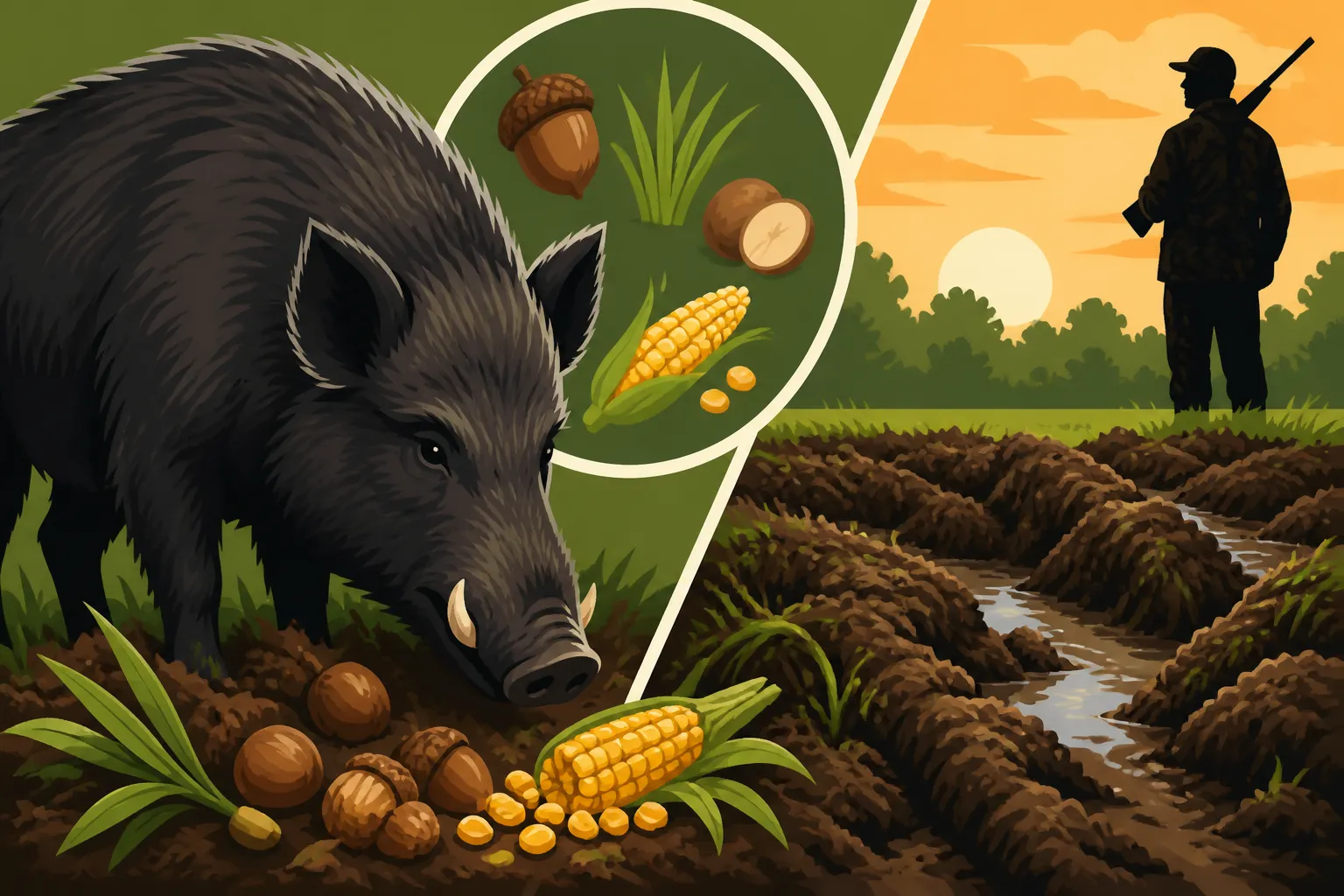
When it comes to plant matter, feral hogs are relentless in their pursuit of energy-rich resources. They will dig extensively for roots, tubers, and bulbs, leaving behind massive, torn-up sections of ground that look like a rototiller has been through. During the fall and winter, acorns are a primary target, providing a high-fat, high-carbohydrate meal that helps them put on weight and sustain through colder periods. They also consume a wide variety of other nuts, seeds, fruits, and berries when available, spreading these seeds far and wide through their droppings, which can contribute to the proliferation of invasive plant species. This constant quest for vegetative food sources is a major driver of their rooting behavior, which we’ll delve into shortly.
Beyond plant life, feral hogs have a significant carnivorous streak. They are known to prey on ground-nesting birds and their eggs, including species like turkeys and quail, which further compounds the challenges faced by these native populations. Mississippi Songbird Nest Predation by Hogs is a serious concern for conservationists trying to protect vulnerable species. They also readily consume insects, grubs, and worms found in the soil, which explains some of their subsurface rooting activity. Small mammals, reptiles, and amphibians are also fair game, and they won't hesitate to scavenge on carrion, including deer or other animals that have died from natural causes or vehicle collisions. This broad dietary spectrum ensures that even when one food source dwindles, they have plenty of alternatives to fall back on, making them incredibly resilient.
Impact of Agricultural Crops on Hog Diet
Perhaps the most significant and financially devastating aspect of the feral hog diet revolves around agricultural crops. Mississippi’s rich farmlands, particularly in the Delta region, offer an irresistible buffet for these animals. Crops like corn, soybeans, peanuts, sweet potatoes, and wheat provide dense, easily accessible calories that allow hog populations to explode. A single sounder can decimate an entire field overnight, trampling more than they actually consume. For farmers, this isn't just a loss of yield; it's a loss of income, a blow to their livelihood, and an immense source of frustration.
The presence of these high-energy crops directly influences hog behavior and distribution. Hogs will often move from forested areas or dense cover into crop fields at night, taking advantage of the cover offered by mature plants and the lack of human activity. This creates a pattern where they might bed in one type of habitat and feed voraciously in another, making them challenging to locate and remove. Understanding these movement patterns is crucial for farmers trying to protect their fields and for hunters looking to thin populations. It also highlights why comprehensive management strategies are needed, as simply addressing one area won't solve the problem if their primary food source remains untouched elsewhere.
Understanding Rooting Damage: A Deep Dive into Destruction
The term "rooting damage" is almost synonymous with feral hogs, and for good reason. It’s the most visible and widespread form of destruction they inflict upon the landscape. This isn’t just some casual digging; it's a profound disturbance that fundamentally alters ecosystems, damages property, and makes vast tracts of land nearly unusable for their intended purpose. Imagine waking up to find your manicured lawn or a freshly planted food plot looking like a battlefield – that's the reality many landowners face.
The Mechanics of Rooting: How Hogs Cause Damage
Feral hogs use their powerful snouts, which are reinforced with cartilage, almost like a plow. They push and dig into the soil, flipping over sod and exposing roots, tubers, grubs, and other underground delicacies. Their tusks, especially on mature boars, can also be used to tear at tougher roots or break through compacted soil. This isn't a gentle process; it's a violent upheaval of the earth, often leaving deep furrows, craters, and overturned soil in its wake. The depth and extent of this rooting can vary from a few inches to over a foot, depending on what they're searching for and the soil type. When you see a field or a section of woods that looks like it's been rototilled, you can be almost certain it's the work of feral hogs.
The constant need to forage means this activity is almost ceaseless. A sounder of hogs can systematically work through an area, leaving no stone unturned – or rather, no patch of soil unturned. This isn't just about finding food; it's an ingrained behavior. Even in areas where surface food is abundant, they will still root, driven by instinct to explore and discover hidden edibles. This persistent, powerful digging motion creates an immense amount of soil disturbance that goes far beyond what any other native animal might cause, setting off a chain reaction of negative ecological consequences.
Ecosystem-Wide Repercussions of Rooting
The immediate impact of rooting is clear: ruined fields, damaged food plots, and destroyed natural forage. However, the consequences ripple much further, affecting the entire ecosystem. One of the most significant issues is soil erosion and water quality degradation. When hogs turn over the topsoil, they loosen it and destroy the protective layer of vegetation, making it highly susceptible to erosion from rain and wind. This leads to increased sediment runoff into streams, rivers, and lakes, which can degrade aquatic habitats, harm fish populations, and negatively impact drinking water sources.
Furthermore, rooting directly impacts native plant communities. Hogs often target specific native plants, removing them from the soil and preventing regeneration. This can lead to a shift in plant composition, often favoring invasive species that are less palatable or beneficial to native wildlife. For example, their rooting can destroy nascent tree seedlings, particularly in hardwood forests like those found in the Delta, hindering the regeneration of valuable timber and critical wildlife habitat. They also directly impact ground-nesting birds, like our wild turkeys and quail, by destroying nests and consuming eggs and chicks. This widespread ecosystem disruption contributes significantly to habitat degradation and loss of biodiversity across Mississippi. Crop Damage Hogs Cause in the Delta illustrates just how devastating this can be.
The Economic and Environmental Costs
The damage caused by feral hogs isn't just an inconvenience; it represents a tangible financial burden for many and a severe, long-term threat to Mississippi's natural resources. It's a problem that touches everything from individual farmers' wallets to the overall health of our state's ecosystems. When you consider Feral Hogs Across Mississippi, the sheer scale of their impact becomes apparent.
Financial Strain on Farmers and Landowners
For farmers, the financial strain is immediate and often devastating. Feral hogs can destroy an entire crop yield in a matter of days, leading to direct losses of thousands, or even tens of thousands, of dollars. Imagine investing time, money, and effort into planting and cultivating a field of corn, only to have a sounder of hogs come through the week before harvest and lay waste to it. This loss of revenue forces many farmers to spend additional funds on mitigation efforts, such as repeated replanting, implementing exclusion fencing, or hiring professional trappers, further eating into their already thin margins.
Beyond crop destruction, hogs cause extensive damage to agricultural infrastructure. They tear down fences, costing landowners time and money for repairs. They can disrupt irrigation systems by rooting around pipes and canals, leading to water loss and further crop damage. Roads, levees, and pond banks are also susceptible to their destructive rooting, creating hazardous conditions and requiring expensive maintenance. This constant cycle of damage and repair adds significant, unbudgeted expenses for landowners, making it incredibly difficult to operate profitably or manage their land effectively. Tools like GoHunt can help landowners map out damage areas and plan mitigation strategies, but the physical work remains.
Long-Term Environmental Degradation
The environmental costs of feral hog activity are less immediately obvious than crop damage but are far-reaching and deeply concerning. One major issue is their role in spreading invasive plant species. Hogs can carry seeds on their fur or ingest them and then disperse them through their feces across vast areas. This accelerates the spread of non-native plants that can outcompete native vegetation, reduce biodiversity, and alter habitat structures, making it harder for native wildlife to thrive.
Furthermore, feral hogs are known carriers of numerous diseases, posing a significant risk to both domestic livestock and native wildlife. Diseases like brucellosis, leptospirosis, and pseudorabies can be transmitted to cattle, deer, and other animals, leading to sickness, reproductive issues, and even death. This creates a complex public health and wildlife management challenge. The cumulative impact of their rooting on soil health, water quality, and plant communities, combined with disease transmission, creates a cycle of environmental degradation that is incredibly difficult to reverse, fundamentally altering the natural balance of Mississippi’s diverse landscapes.
Mitigating the Damage: Strategies Beyond Hunting
While hunting remains a popular method for reducing feral hog populations, it's widely accepted that it alone isn't enough to control the widespread damage these animals cause. Effective management requires a multi-faceted approach, combining various techniques and sustained effort. Understanding Mississippi Feral Hog Regulations is key to any strategy. Even with the year-round open season on private land, you need more than just a rifle.
Trapping and Exclusion Fencing
Trapping is often considered the most effective method for removing large numbers of hogs, especially when targeting entire sounders. Large corral traps, which can capture multiple hogs at once, have proven far more successful than smaller box traps. The key to successful trapping lies in consistent pre-baiting, allowing hogs to become accustomed to feeding within the trap area before setting the trigger. Utilizing tools and mapping features from platforms like GoHunt can help identify prime trapping locations, track hog activity, and plan baiting schedules. Building and Freshening a Hog Bait Site is a crucial step in drawing them into the trap. It requires patience and persistence, but the payoff of removing an entire family group at once is invaluable.
Exclusion fencing, while costly and labor-intensive, can be an effective way to protect high-value areas like crop fields or sensitive natural habitats. A sturdy fence, often a combination of woven wire and electric strands, can prevent hogs from entering a specific parcel of land. However, hogs are incredibly powerful and intelligent; they will test fences and exploit weaknesses. Therefore, fencing requires regular maintenance and careful installation to be truly effective. It's a significant investment but can save far more in crop losses or habitat restoration in the long run.
Integrated Management Approaches
The most successful hog management programs combine multiple strategies into an integrated approach. This means not relying solely on trapping or hunting, but using them in conjunction with other methods. For example, after a successful trapping operation, supplementing with targeted Night Hunting Hogs With Lights on Private Land can address any remaining wary individuals. For those who enjoy it, Running Dogs on Mississippi Feral Hogs can be another effective tool, especially in thick cover where trapping might be difficult or less efficient. The constant pressure from various methods prevents hogs from simply adapting to one tactic.
The success of these integrated strategies often hinges on landowner collaboration and community efforts. Feral hogs don't respect property lines, so a comprehensive approach across multiple adjacent properties will always yield better results than isolated efforts. Sharing information on hog sightings, damage reports, and successful removal techniques can help coordinate efforts and make a significant dent in local populations. Utilizing mapping tools, perhaps through a platform like GoHunt, can aid in this coordination, showing where hog activity is highest and where management efforts are most needed. While there's no silver bullet, a persistent, varied, and coordinated effort is our best defense against the pervasive threat of feral hogs in Mississippi. Tracking Mississippi Hog Trapping Success Rates helps refine these strategies over time.
Feral Hog Food Sources and Associated Damage
To summarize the vast impact of Mississippi's feral hogs, here's a quick look at their primary food sources and the specific types of damage they cause:
| Food Source Category | Specific Examples | Type of Damage Caused |
|---|---|---|
| Plant Matter | Acorns, roots, tubers, bulbs, wild berries | Extensive rooting, soil disturbance, destruction of native plant communities, hindered forest regeneration. |
| Agricultural Crops | Corn, soybeans, peanuts, sweet potatoes, wheat | Direct crop loss (trampling and consumption), damage to irrigation systems, fences, roads, and levees. |
| Insects & Grubs | Larvae, worms | Subsurface rooting, localized soil disturbance, impact on soil invertebrate populations. |
| Animal Matter | Ground-nesting bird eggs, small mammals, reptiles, carrion | Predation on vulnerable wildlife (turkeys, quail), disruption of food chains, disease transmission. |
| Water Sources | Pond banks, stream beds | Erosion of banks, increased sedimentation, contamination of water sources, disruption of aquatic habitats. |
Disclaimer: This article is for general informational purposes only and does not constitute professional advice. Laws, prices and regulations vary by location and change over time. Consult a qualified professional for guidance on your specific situation.