Mississippi Deer Weight Averages by Region
Oh, the age-old question that plagues every Mississippi deer hunter: "Just how big is that buck, really?" We've all been there, standing over a downed deer, convinced it's a monster, only to get it on the scale (or worse, load it into the truck) and realize our eyes, fueled by adrenaline and hopeful dreams, might have added a few dozen pounds. Understanding the average weights of deer across Mississippi's diverse regions isn't just about bragging rights; it's crucial for setting realistic expectations, planning your hunt, and even preparing for the drag out of the woods. This guide is here to shed some light on what you can truly expect from a Mississippi whitetail, region by region.
Understanding Mississippi's Deer Units and Their Impact on Weight
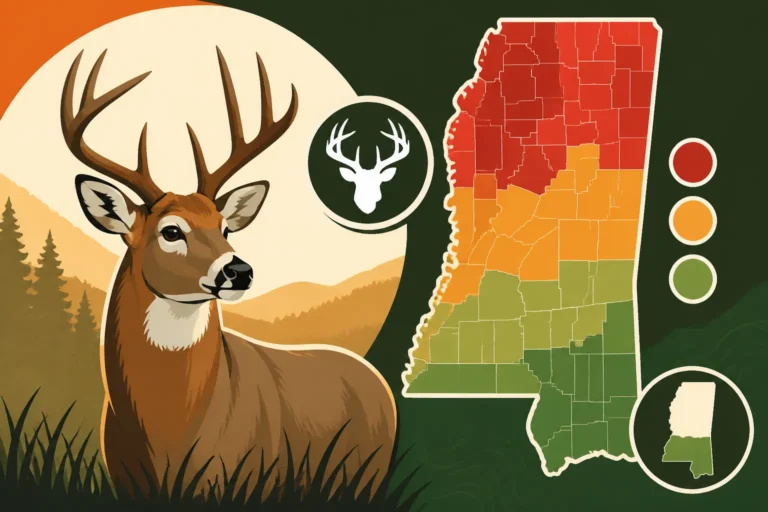
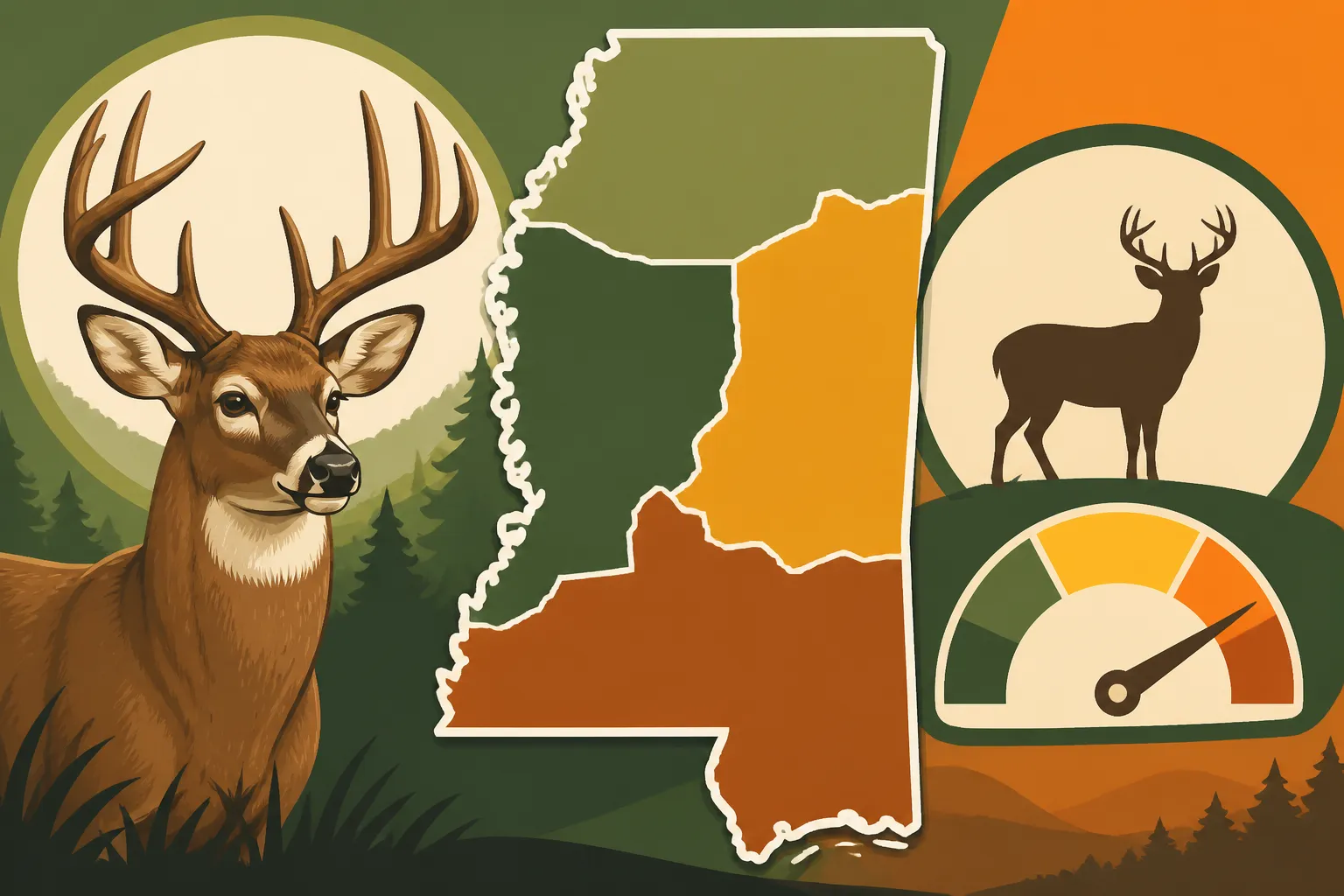
Mississippi isn't a monolithic deer hunting landscape. From the fertile Delta plains to the rolling Hills and the unique Piney Woods, the environment profoundly shapes the size and health of our deer. Knowing these regional differences is key to understanding why some areas consistently produce heavier animals than others.
The Delta Unit: Heavyweights of the Hardwoods
When you talk about big deer in Mississippi, the Delta Unit almost always comes up first—and for good reason. This region, characterized by its incredibly rich, alluvial soils, extensive bottomland hardwoods, and vast agricultural fields, is a deer's paradise. The sheer abundance of high-quality food sources here is unparalleled. Think about those endless acres of soybeans, corn, and winter wheat that provide an all-you-can-eat buffet for deer for much of the year. This consistent, nutrient-dense diet, combined with ample cover and often milder winters, translates directly into larger body sizes and heavier deer.
It's not uncommon for mature Delta bucks to push the scales well into the 200-pound range, and even yearlings in this region often show impressive growth compared to their counterparts elsewhere. The fertile ground supports lush browse, and the vast tracts of timber offer protection and prime bedding areas. This rich environment is a significant factor in Why the Delta Grows Big Bucks. Hunters in the Delta often find deer with broader shoulders and deeper chests, a direct result of that superior nutrition.
The Hills Unit: Leaner, Tougher Deer
Venture east or north from the Delta, and you'll find yourself in the Hills Unit. This region is a stark contrast, with its undulating terrain, generally poorer, sandier soils, and a mixed landscape of pine plantations, mixed hardwoods, and smaller agricultural plots. While still offering good hunting, the nutritional availability for deer here isn't quite the same as in the Delta. Deer in the Hills Unit often have to work harder for their meals. The browse might be less abundant or lower in protein, and mast crops like acorns can be inconsistent year to year.
As a result, deer from the Hills Unit tend to be leaner and typically weigh less, on average, than those from the Delta. A mature buck might top out around 160-180 pounds field dressed, with many falling into the 120-150 pound range. They're still robust, healthy animals, but their body mass reflects the challenges and opportunities of their environment. They're often adapted to cover more ground and utilize a wider variety of forage. The overall Hills Unit Deer Density might be high, but individual deer often carry less bulk. Don't get me wrong, a mature Hills buck is a fantastic trophy, but you're less likely to consistently see the same sheer mass as in the Delta.
The Southeast Unit: A Mix of Coastal Plain and Piney Woods
The Southeast Unit is a bit of a transitional zone, blending elements of both the Hills and the coastal plain environment. Here, you'll find extensive pine forests, managed timberlands, and pockets of agricultural fields, particularly closer to river bottoms or larger agricultural developments. The soils can vary, from sandy coastal plains to more fertile areas along waterways.
Deer weights in the Southeast Unit can be quite variable, often falling somewhere between the Hills and Delta averages, though generally closer to the Hills. In areas with managed pine forests, deer might rely more heavily on specific browse plants and regenerating vegetation after timber harvests. Where agriculture is present, especially near river systems like the Pascagoula, you might encounter heavier deer similar to those found in the richer pockets of the Hills. Overall, expect averages for mature bucks to be in the 130-170 pound range field dressed. Hunters in this unit really need to understand the micro-habitats they're hunting to set expectations. A clear-cut regenerating with prime browse will often support heavier deer than an older, dense pine plantation with a sparse understory.
Factors Influencing Individual Deer Weight Beyond Region
While regional differences set a broad expectation, it's vital to remember that a deer's weight isn't just about where it lives. Several critical factors come into play, influencing how much any individual deer will tip the scales.
Age Class: The Biggest Factor
If there's one single factor that dictates a deer's body weight more than anything else, it's age. This might sound obvious, but it's often overlooked in the excitement of a hunt. A 1.5-year-old buck, sometimes called a yearling or spike, is still growing rapidly. Its energy is largely directed towards skeletal and muscular development, and crucially, antler growth. These young bucks are typically the lightest mature animals you'll encounter. They might only weigh 90-120 pounds field dressed, even in the Delta.
As a buck matures through 2.5, 3.5, and especially into the 4.5 to 5.5-year-old range, its body mass dramatically increases. By 4.5 years, a buck has typically reached its full skeletal and muscular maturity, and its weight often peaks. These older deer put on significant bulk, developing thicker necks, deeper chests, and overall more robust bodies. That's why a 4.5-year-old Hills buck might outweigh a 2.5-year-old Delta buck, despite the regional differences. Understanding Mississippi Buck Age Structure is paramount for predicting size. This is also why many hunters focus on letting young deer walk to allow them to reach their full potential, both in body and antler size.
Nutrition and Habitat Quality
Beyond the broad regional classifications, the specific nutritional quality of a deer's local habitat plays a massive role. A deer living in a rich river bottom with abundant mast crops (acorns, persimmons) and lush browse will almost always be heavier than a deer of the same age living in a pine monoculture with sparse food. The timing and abundance of mast crops from year to year can also cause significant fluctuations in deer weights. A year with a bumper acorn crop often leads to fatter, heavier deer going into winter, while a poor mast year can mean lighter animals struggling for sustenance.
Food plots, whether planted by landowners or managed by agencies on public land, also provide a significant nutritional boost. A deer that has consistent access to a high-protein clover or soybean plot will likely be healthier and heavier. Even mineral licks, where legal, can contribute to overall health and growth. This is where scouting really pays off, because even within a single unit, there can be "hot pockets" of exceptional habitat that support heavier deer. Services like GoHunt often provide detailed mapping layers that can help identify areas with prime habitat features, allowing you to scout for these rich food sources virtually.
Genetics and Herd Health
While environment and age are king, genetics do play a role in a deer's maximum growth potential. Some deer herds might simply have a genetic predisposition for larger body size, though this is often intertwined with the habitat's ability to express that genetic potential. More commonly, though, herd health is a significant factor. An overpopulated deer herd, where too many deer are competing for limited resources, will often result in smaller, lighter animals across all age classes. The limited food is stretched thin, leading to stunted growth.
Diseases can also impact average weights. EHD Die-Offs in Mississippi Deer can reduce herd numbers, sometimes leading to a temporary increase in weight for surviving deer due to less competition. However, chronic diseases like Chronic Wasting Disease Risk in Mississippi can lead to severe weight loss and emaciation in affected animals. While thankfully CWD prevalence is still low in most areas, it's a reminder that overall herd health directly impacts the individual deer you encounter. The MDWFP works hard to manage herd health, and understanding their data on deer populations, often accessible through their app or website, can give you insight into the potential size of deer in different areas.
Interpreting Field Dressed Weights vs. Live Weights & Expectations
When you hear hunters talk about deer weight, it's often a mix of field dressed and live weights, which can get confusing. Knowing the difference and what to expect can help you set realistic goals and prepare for the post-harvest work.
The Live Weight vs. Field Dressed Weight Distinction
This is a critical distinction that often trips up new hunters. "Live weight" is what the deer weighed when it was alive, walking around in the woods. "Field dressed weight" is the weight after the internal organs (viscera) have been removed, but before skinning or butchering. Most often, when you hear hunters discuss a deer's weight, they are referring to its field dressed weight because that's usually how it's weighed at a check station or when taken from the field.
As a general rule of thumb, field dressing removes about 20-30% of a deer's live weight. So, if a buck weighs 150 pounds field dressed, its live weight was likely closer to 187-214 pounds. The specific percentage can vary based on the deer's diet, fat reserves, and how thoroughly it was field dressed.
Here's a simple table to give you a rough idea of how these weights might compare across Mississippi's regions for a mature buck:
| Deer Unit | Estimated Live Weight (Mature Buck) | Estimated Field Dressed Weight (Mature Buck) | Notes |
|---|---|---|---|
| Delta Unit | 180-230 lbs+ | 140-190 lbs+ | Often higher due to rich agriculture and bottomland hardwoods. |
| Hills Unit | 150-200 lbs | 115-160 lbs | Leaner, but still robust. Weights vary with local habitat quality. |
| Southeast Unit | 160-210 lbs | 125-175 lbs | Transitional zone, can vary. Higher weights near agricultural areas. |
Remember, these are averages for mature bucks. Younger deer will be significantly lighter. Does will also be lighter than bucks of the same age class, typically by 15-25%.
Setting Realistic Expectations and Planning for Harvest
Chasing a monster buck is fun, but setting realistic expectations based on your hunting area's average deer weights will prevent disappointment. Don't go into a Hills Unit hunt expecting to consistently tag 200-pound field-dressed bucks; while they exist, they are exceptions, not the rule. Instead, appreciate the deer for its age, its antlers, and the experience of the hunt itself.
Practically speaking, knowing these weight averages helps you plan. A 180-pound field-dressed Delta buck is a completely different animal to drag than a 120-pound Hills yearling. You'll need more manpower, a robust game cart, or an ATV plan for those heavier animals. Planning for post-harvest logistics, like cooler space or scheduling with a processor, also benefits from a realistic understanding of the deer's likely size. When considering Deer Meat Yield From a Mississippi Buck, a heavier deer obviously means more delicious venison for your freezer! When processing your own, you'll also need to consider the space required.
Practical Tips for Estimating Weight in the Field and Maximizing Harvest
So, how can you better gauge the size of a deer when it’s still standing or after you've made a successful shot? A little practice and some smart preparation can go a long way.
Visual Cues for Deer Size
Learning to "read" a deer's body can help you estimate its age and, by extension, its likely weight. For bucks, look beyond the antlers. A young, 1.5-year-old buck will have a thin neck that blends smoothly into its shoulders, and its legs will often look disproportionately long for its body. It will have a sleek, athletic appearance. As a buck matures, its neck will thicken, especially during the rut, and its shoulders will become more muscular and pronounced. A mature 3.5-year-old or older buck will have a deep chest and a sag in its belly, indicating a fully developed body. Its legs will appear shorter in proportion to its deep body.
For does, similar cues apply. A young doe will be slender, while an older, mature doe will have a deeper body, a more pronounced gut, and often a thicker neck, especially if she's carrying fawns. These visual cues are crucial when trying to judge if you're looking at a well-fed 2.5-year-old or a truly mature, heavier deer. Even something as simple as observing the overall body mass from a trail camera photo can give you an edge.
Using Technology for Pre-Season Scouting
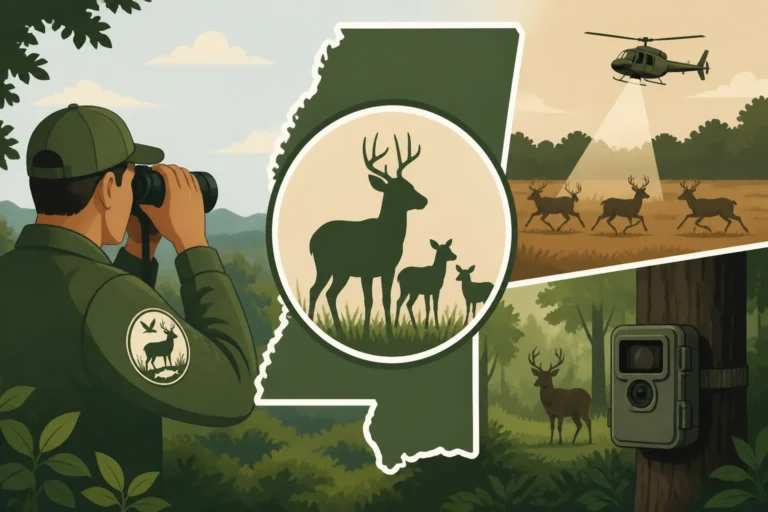
Modern hunting technology is a game-changer for understanding the deer in your hunting area. Trail cameras are invaluable for capturing images of specific bucks and does over time. By tracking individuals, you can gauge their growth from year to year and get a better sense of the overall age structure and average size of the deer herd. Many hunters use a system like GoHunt's mapping tools, which allow you to mark specific deer sightings, identify prime food sources, and scout for areas with ideal cover. Layers on such apps can show you agricultural fields, timber types, and even topographical features, all of which influence deer movement and nutrition, and thus, their size.
Before the season even starts, spending time Scouting Mississippi Public Land Before Season with these tools can help you pinpoint areas where deer are likely to find the best nutrition, increasing your odds of encountering a larger animal. Remember, heavy deer are often found where food and cover are plentiful, and undisturbed.
Proper Field Dressing for Easier Handling and Better Meat
Once you've harvested a deer, the work isn't over. Proper field dressing is not only essential for preserving the meat quality, especially in Mississippi's often warm weather, but it also significantly reduces the weight you have to transport. Removing the internal organs makes the deer lighter and easier to handle, whether you're performing Dragging a Deer Out of a Slough or loading it onto a truck.
Make sure you have a sharp knife, game bags, and a plan for how you'll get the deer out of the woods. For heavier animals, a game cart is a lifesaver, and for truly massive Delta bucks, having a friend or two to help is almost a necessity. Taking the time to Field Dressing a Deer in Warm Weather correctly means you'll have less weight to deal with and higher quality venison at the end of the day. And always remember to report your harvest according to MDWFP regulations, providing valuable data that helps estimate deer herd health and size across the state.
Disclaimer
This article is for general informational purposes only and does not constitute professional advice. Laws, prices and regulations vary by location and change over time. Consult a qualified professional for guidance on your specific situation.