Mississippi Alligator Nuisance Complaints
Mississippi alligator nuisance complaints involve specific criteria, safe observation rules, and reporting steps for dangerous animals.
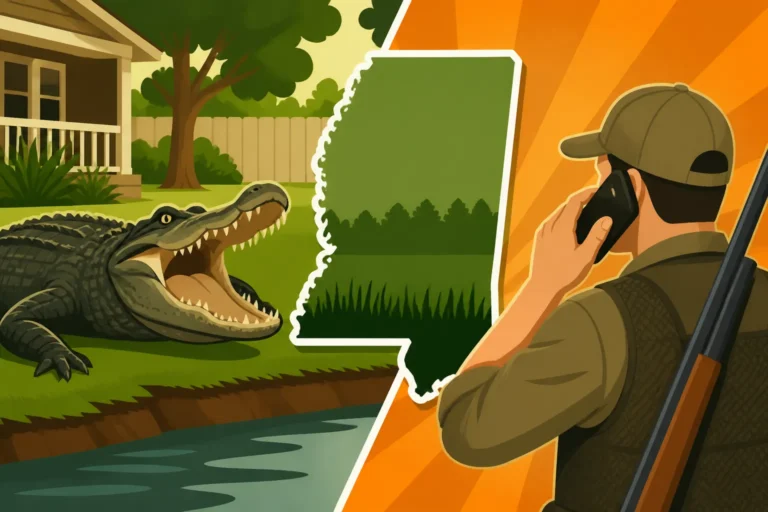
Mississippi alligator nuisance complaints involve specific criteria, safe observation rules, and reporting steps for dangerous animals.
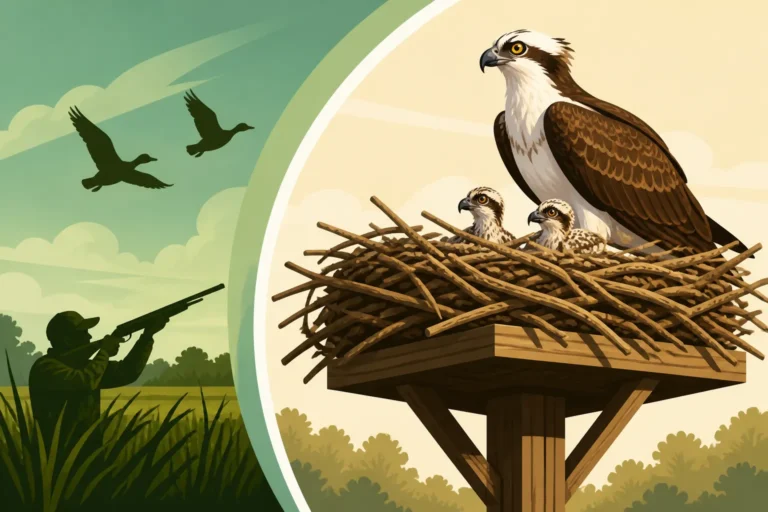
Mississippi osprey nesting platforms provide safe artificial habitats to help bird populations recover from declining natural trees.
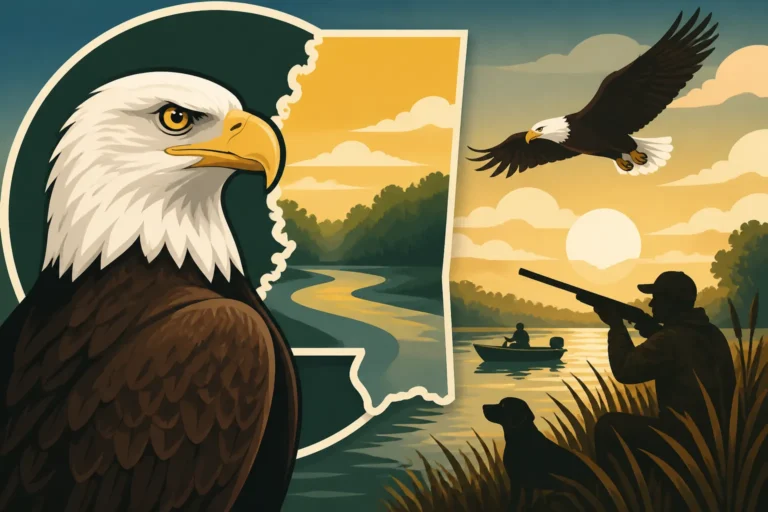
Mississippi bald eagle recovery explains the return of these birds after DDT declines and identifies the best viewing spots.
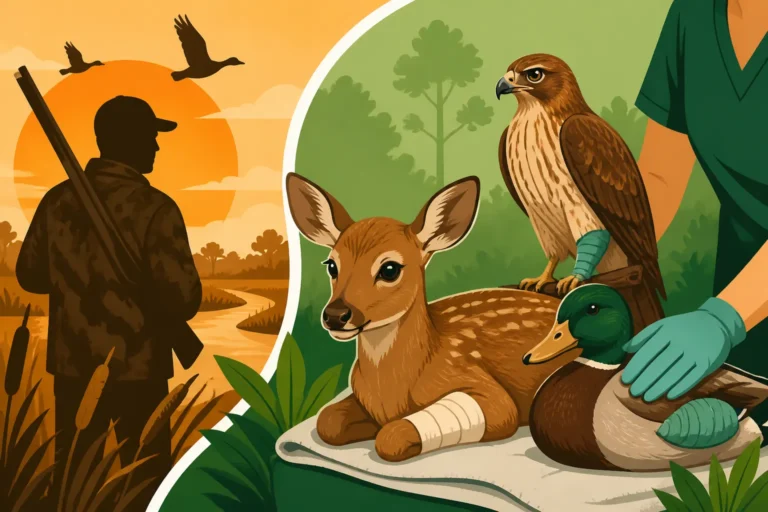
Mississippi wildlife rehabilitation laws and licensed rehabilitators help citizens safely assist injured deer and orphaned game animals.
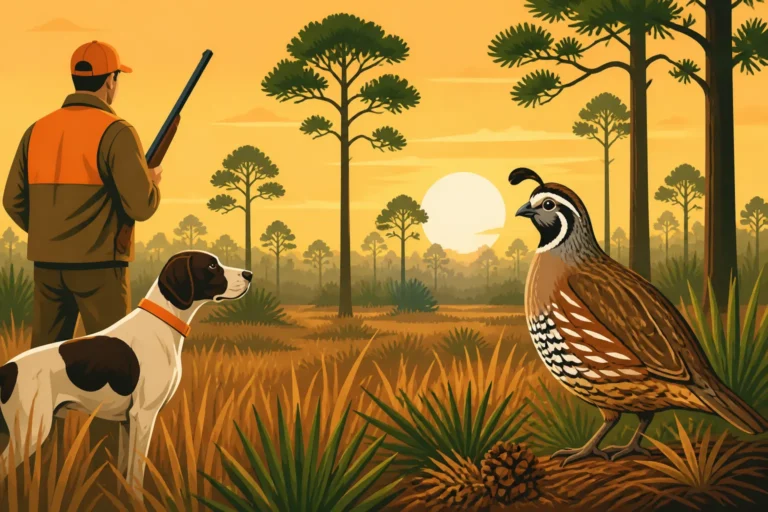
Mississippi bobwhite quail populations declined over eighty percent since the mid-twentieth century due to habitat loss.
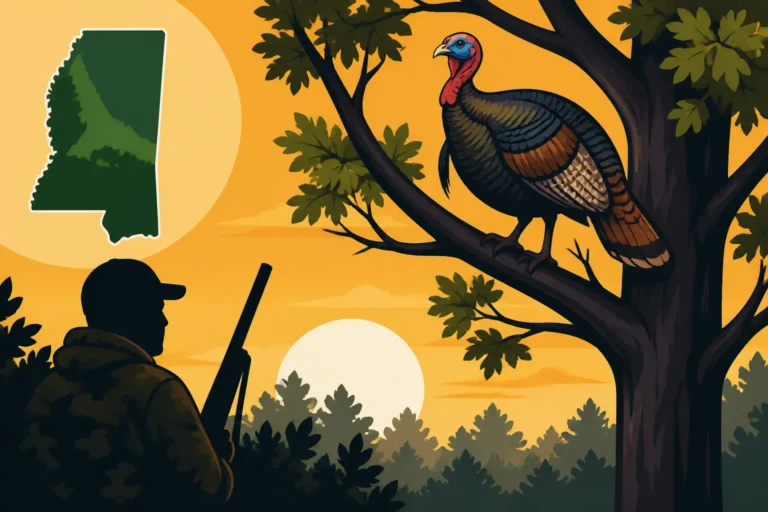
Mississippi wild turkey roost tree preferences include mature water oaks, willow oaks, and Nuttall oaks chosen for safety and survival.
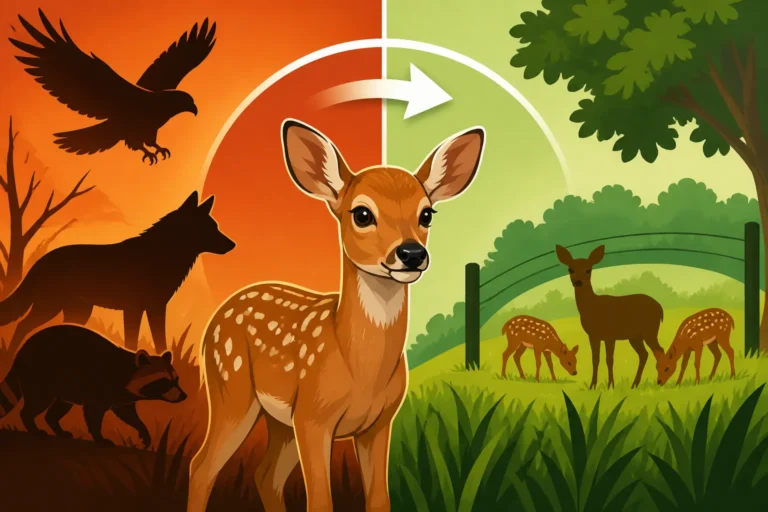
Mississippi predator impact on fawn recruitment explains how coyotes and feral hogs reduce newborn deer survival rates during the first weeks.
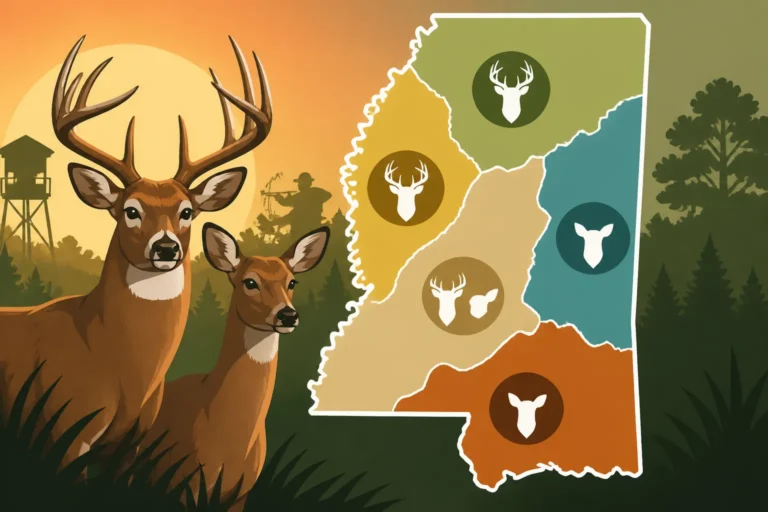
Mississippi buck-to-doe ratios vary across state management units, explaining regional herd dynamics, rut timing, and mature deer hunting strategies.
Mississippi fawn survival rates depend heavily on predators like coyotes, habitat cover, and maternal health during the critical first months.
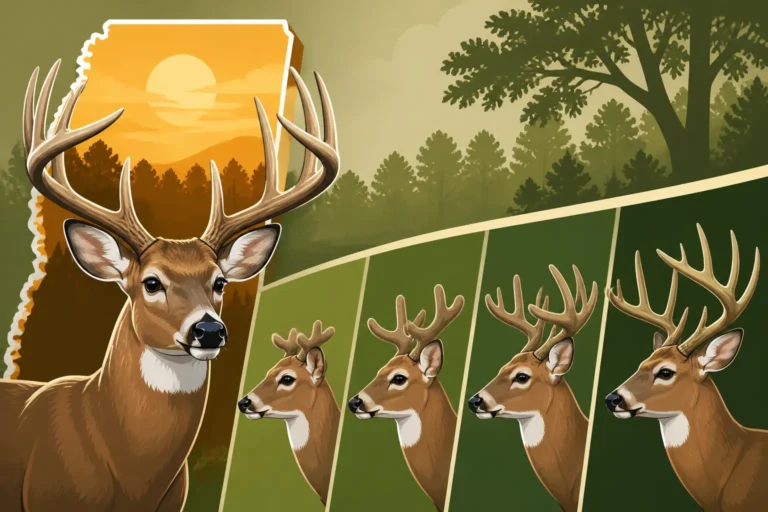
Mississippi deer antler growth timeline explains the annual cycle of velvet emergence, rapid summer mineralization, and autumn hardening.