Mississippi Mallard Sub-Limit Rules
It's incredibly frustrating when you're out there, the ducks are flying, and suddenly you're second-guessing yourself on a specific regulation – especially something as nuanced as species-specific limits. Many hunters have found themselves in that exact spot, squinting at a bird, wondering if it's a hen or a drake, and if they've already hit their quota for that particular species. This guide is here to clear up all that confusion, specifically diving into the Mississippi mallard sub-limit rules so you can hunt confidently and legally.
Deciphering the General Duck Daily Bag Limit in Mississippi
Let's be honest, trying to keep track of all the different duck limits can feel like trying to remember all the details of a family reunion after a long day in the blind. You've got your overall daily bag limit, and then, nestled within that, are these tricky sub-limits for specific species. It's not as simple as just shooting six ducks and calling it a day, and that's where a lot of hunters, especially those new to Mississippi's fantastic waterfowl opportunities, can get tripped up.
Mississippi, like many states along the Mississippi Flyway, sets a daily bag limit for ducks to ensure sustainable populations for future generations of hunters. For a long time, the standard has been a total of six ducks per day. But here's the kicker: this isn't a free-for-all on any six ducks you see. The U.S. Fish and Wildlife Service, working with state agencies like the Mississippi Department of Wildlife, Fisheries, and Parks (MDWFP), establishes these regulations based on population surveys, breeding success, and overall flyway health. It's a complex science that ultimately determines what we can and can't harvest each season. Knowing your general Mississippi Duck Daily Bag Limit is your first step, but it's just the start of the journey. You might be able to bring down six birds, but what kind of birds they are is where the real regulation education comes in. For example, if you fill your limit with a mix of species, you need to ensure you haven't over-harvested a more restricted duck.
The point of these layered limits is pure conservation. Some species are doing better than others, so biologists adjust harvest levels accordingly. It ensures that while we're enjoying our time in the blind, we're also contributing to the health of the resource. Imagine going to a buffet where you can eat as much as you want, but only a certain number of slices of prime rib – the good stuff – are allowed. That's essentially how duck limits work. You get a generous overall limit, but for those prized or more sensitive species, there's a cap to make sure they're not over-pressured. Many hunters find using a reputable hunting app or platform, like those offered by GoHunt, invaluable for quickly looking up these regulations in the field, ensuring they're always compliant.
Breaking Down the Specific Mallard Sub-Limit
Now, let's talk about the star of the show for many Mississippi waterfowl hunters: the mallard. These ducks are absolutely iconic, known for their distinct calls, beautiful plumage, and incredible table fare. It's no wonder they're a favorite. But because they're so popular, and their populations fluctuate like any other wildlife, they often come with specific harvest restrictions, known as sub-limits. For hunters in Mississippi, understanding these mallard sub-limit rules is absolutely crucial to avoiding a citation and, more importantly, to hunting responsibly.
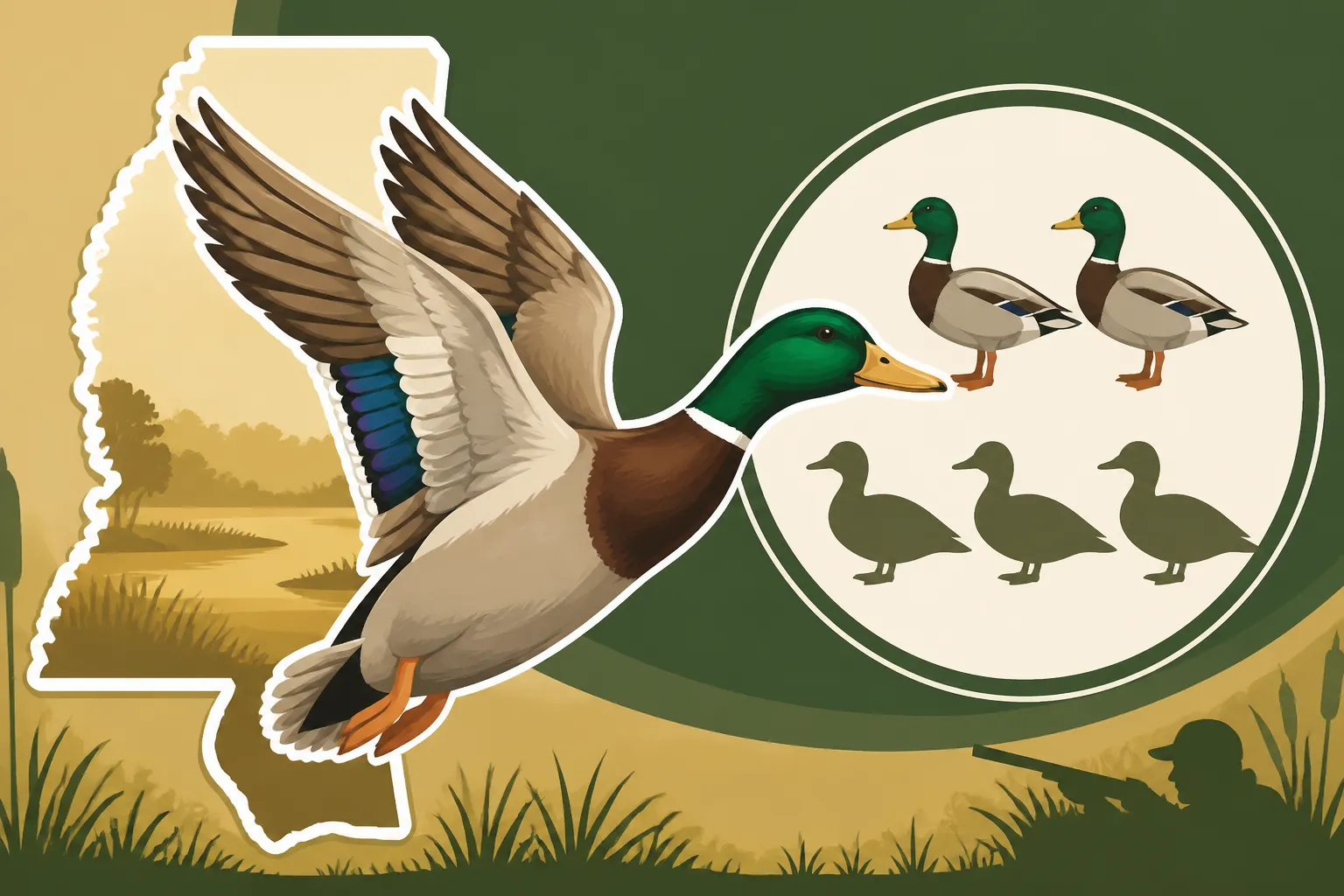
The current federal framework, adopted by Mississippi, sets a daily bag limit for mallards at four birds, with a further restriction that no more than two of those four can be hen mallards. This is where the rubber meets the road, folks. It's not just four mallards total; it's four mallards, and you have to pay attention to their sex. The reason for this specific hen restriction is rooted deeply in conservation biology. Hen mallards are the egg-layers, the producers of the next generation. Protecting them directly impacts the breeding success and overall population health of the species. When you look at Mississippi Mallard and Wood Duck Numbers, you'll see why managing these species is so critical.
Identifying hens versus drakes, especially when they're zipping by in low light or at a distance, can be a real challenge. Drakes, with their iridescent green heads, white neck rings, and chestnut breasts, are usually quite distinctive. Hen mallards, however, are a mottled brown and can sometimes be confused with other brown-phase ducks, or even other species of dabblers. This is why knowing your birds cold is paramount. Before the season even begins, I highly recommend spending time studying waterfowl identification guides. There are countless resources online, in books, and through local Ducks Unlimited chapters that can help sharpen your skills. Practicing on decoys, or simply observing ducks in non-hunting scenarios, can dramatically improve your ability to quickly and accurately sex a mallard. It's an essential skill for any serious duck hunter in Mississippi.
Navigating Practical Scenarios and Avoiding Common Mistakes
Alright, let's get down to the nitty-gritty of how these mallard sub-limit rules play out in real-world hunting situations. It's easy to read the regulations, but applying them in the heat of the moment, with adrenaline pumping and birds decoying, is a different story entirely. This is where most hunters, even seasoned ones, can sometimes make honest mistakes. The key is constant vigilance and a clear understanding of your current bag.
Imagine you're tucked into your blind, whether you're Hunting Greentree Reservoirs for Mallards or working a spread in a flooded field. The ducks are working well, and you've already downed a couple.
- Scenario 1: You've shot two mallard drakes. You're doing great! You still have two more mallard slots open, and importantly, both hen mallard slots are also available. You could take two more drakes, two hens, or one of each.
- Scenario 2: You've shot two mallard hens. This is a critical moment. You have now reached your daily limit for hen mallards. You can still shoot two more mallards, but they must be drakes. If a hen pitches in, you absolutely cannot shoot it, even if you only have four birds in your bag. This is a common trap for hunters who aren't constantly checking the sex of their birds.
- Scenario 3: You've shot three mallard drakes and one mallard hen. In this situation, you've hit your overall mallard limit (four birds). While you still have one hen mallard slot technically open (you're only at one hen, and the limit is two), you cannot shoot any more mallards, regardless of sex, because you've reached the four-mallard total. You would need to shift your focus to other duck species to fill your remaining two slots in the overall six-duck daily bag limit.
These scenarios highlight why it's so important to identify your birds before you shoot, and to keep a running tally of not just the number of mallards, but the sex of those mallards. Many hunters use visual markers in their bag, or even simply a mental note, to keep track. Some even use dedicated apps or dry-erase boards in the blind for group hunts. When hunting with a group, clear communication is paramount. Everyone needs to know what's been shot and what's still legal to target. It’s also wise to educate yourself on specific species like wood ducks, as Hunting Flooded Timber for Wood Ducks often presents mixed bags, each with their own rules.
Ensuring You Stay Legal and Ethical Throughout the Season
Beyond just knowing the mallard sub-limit, being a legal and ethical hunter in Mississippi involves a broader understanding of regulations. It's not just about what you shoot, but how you prepare for the hunt and how you conduct yourself in the field. This commitment to legality and ethics not only protects you from penalties but also upholds the integrity of hunting for everyone.
First and foremost, always ensure your licensing is squared away. Before you even step foot in a blind, you need a valid Mississippi hunting license, your Mississippi Federal Duck Stamp Requirement affixed and signed, and your Mississippi HIP Certification for Bird Hunters. These are non-negotiable legal necessities, and conservation officers are vigilant about checking them. Many hunters find resources like the MDWFP website or the GoHunt platform incredibly helpful for staying up-to-date on all licensing requirements and any late-breaking regulation changes.
Consider the dynamic nature of Mississippi's waterfowl season. We have distinct Mississippi Waterfowl Zones and Seasons, with different dates for the Mississippi Duck Zone Split Rules. These details matter, and failing to adhere to them can lead to serious consequences. When you factor in potential CWD management zones for deer, or changes to hog hunting regulations, it's clear that staying informed is an ongoing process, not a one-time check.
Beyond the letter of the law, ethical hunting means making responsible decisions. That includes knowing your effective range, taking clean shots, and making every effort to retrieve downed birds. Leaving a crippled bird or an unretrieved duck in the marsh is not only unethical but also a waste of a valuable resource. It also means showing respect to fellow hunters, landowners, and the environment. Understanding specific nuances like when Mississippi Waterfowl Migration Timing occurs can also help you anticipate prime hunting periods and be better prepared.
Violating waterfowl regulations, especially bag limits, isn't just a minor infraction. It can lead to hefty fines, confiscation of equipment, and loss of hunting privileges, sometimes even across state lines. The best defense is a good offense: know the rules, respect the resource, and hunt responsibly. It’s about being a good ambassador for the sport, ensuring that the legacy of waterfowl hunting in Mississippi continues to thrive for generations to come.
Disclaimer
The information provided in this guide is for general informational purposes only and does not constitute legal advice. Hunting regulations can change frequently. Always consult the most current Mississippi Department of Wildlife, Fisheries, and Parks (MDWFP) official regulations and federal guidelines before engaging in any hunting activities. It is the hunter's responsibility to know and abide by all applicable laws and regulations.