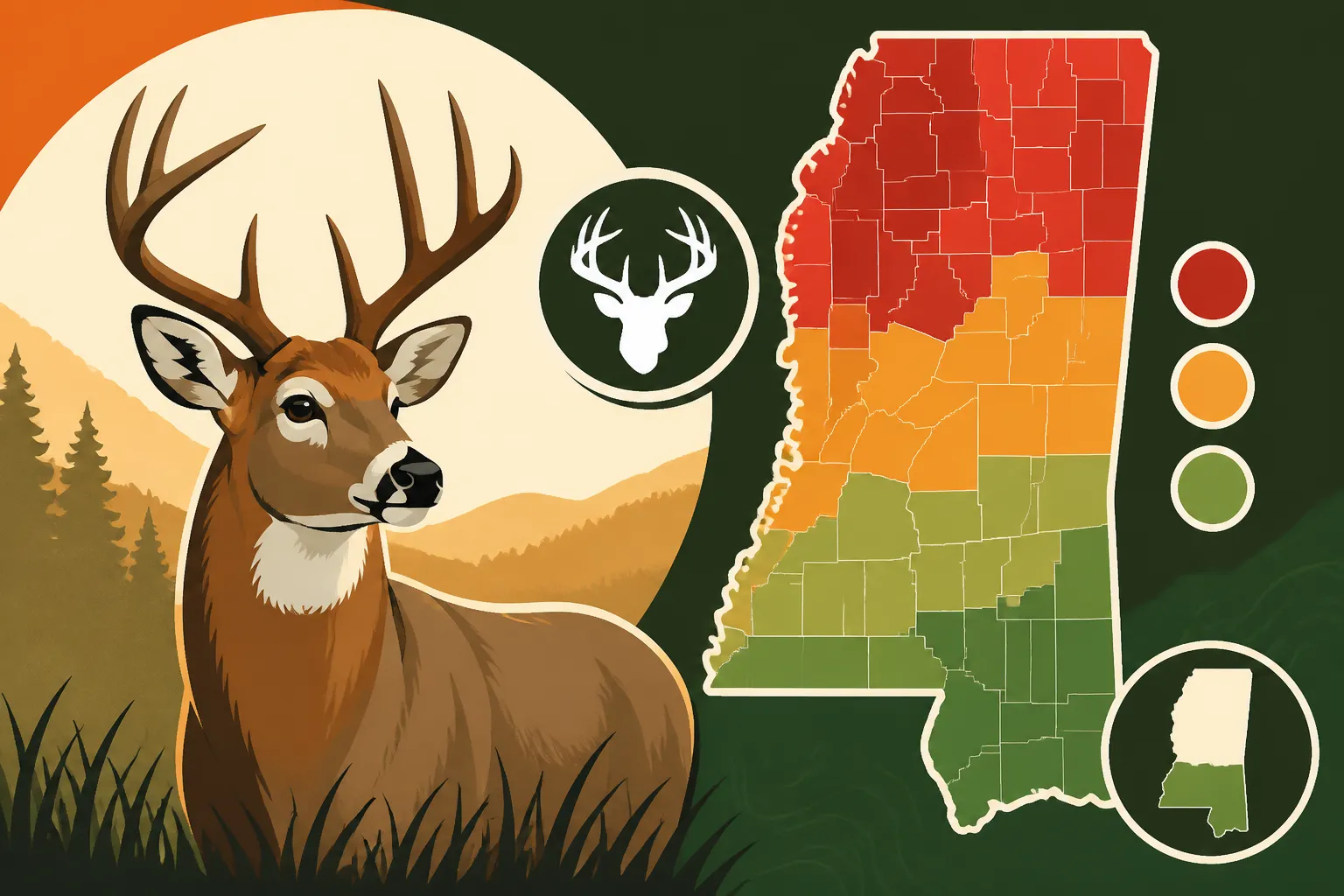
Mississippi’s CWD Case Count by Zone
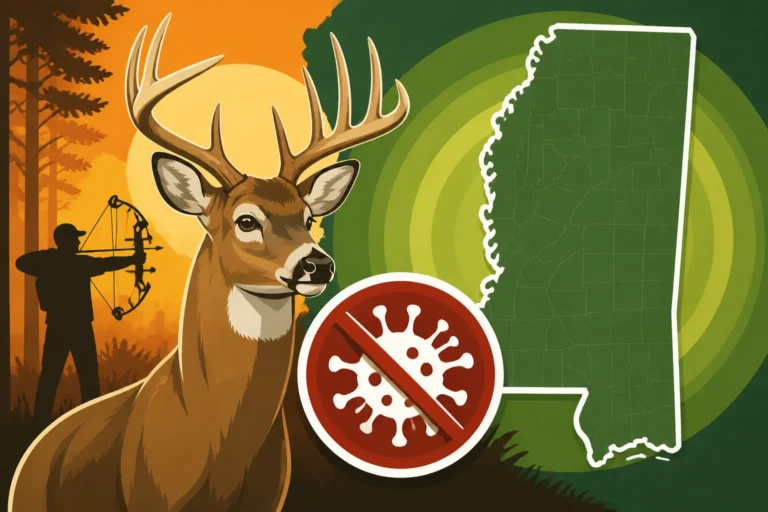
It's a gut punch when you hear about Chronic Wasting Disease showing up in your favorite hunting grounds, and for us here in Mississippi, that reality has hit harder in some areas than others. Understanding exactly where CWD has been detected and how many cases we're talking about in each zone is crucial for any hunter wanting to stay informed and help protect our deer herd. This guide will walk you through Mississippi's CWD case counts by zone, shedding light on the numbers and what they mean for your hunting season and the future of whitetails in our state.
Understanding Mississippi's CWD Zones and Why They Matter
When we talk about Chronic Wasting Disease, it's easy for panic to set in. But as hunters, being informed and proactive is our best defense. Mississippi has faced the reality of CWD for a few years now, and understanding the disease itself and how our state is managing it through designated zones is the first step to staying part of the solution.
A Quick Recap of Chronic Wasting Disease
Chronic Wasting Disease, often simply called CWD, is a neurological disease that affects cervids – that's deer, elk, moose, and caribou. It's caused by abnormal proteins called prions, which slowly damage the brain and nervous system of infected animals. Unlike bacteria or viruses, these prions are incredibly persistent in the environment, making management a real challenge. Think of it like a slow, degenerative illness that eventually leads to emaciation, behavioral changes, and ultimately, death. It's not bacterial, it's not viral; it's just there, and it spreads through direct contact with infected animals or indirectly through contaminated environments like soil and vegetation. For us Mississippi hunters, the big concern is how it impacts our beloved white-tailed deer, their health, and the future of hunting opportunities.
The Establishment of CWD Management Zones
In response to the first confirmed case back in 2018, the Mississippi Department of Wildlife, Fisheries, and Parks (MDWFP) quickly established specific CWD Management Zones. These aren't just arbitrary lines on a map; they're areas where CWD has been detected or where there's a heightened risk of detection, and they come with specific regulations aimed at containing the spread. The whole idea behind these zones is to intensify surveillance, limit the potential for human-assisted spread of the disease, and gather critical data. It's about protecting the broader deer population, especially those outside the known CWD areas. Initially, the focus was heavily on the northern part of the state where the first cases emerged, leading to the creation of the expansive North Mississippi CWD Zone. Over time, as new cases were detected in other parts of the state, additional, more localized zones were established to address those specific findings, showing how critical proactive monitoring really is. If you're wondering which areas fall under these strict regulations, take a look at our article on Mississippi's Chronic Wasting Disease Zones.
Breaking Down the Case Counts: A Zone-by-Zone Look
The numbers can be daunting, but they tell a story of where CWD is currently impacting our deer herd the most. The reality is that not all CWD zones in Mississippi are experiencing the same level of prevalence, and understanding these differences is key to grasping the overall picture.
The North Mississippi CWD Management Zone
This is where Mississippi's CWD journey began, and unfortunately, it remains the area with the highest number of detections. The first positive CWD case in Mississippi was discovered in Benton County in 2018, launching this extensive management zone. Since then, the disease has slowly but surely shown up in other surrounding counties within this designated area. This zone typically includes a significant cluster of counties in the northern reaches of the state.
The reason this zone has seen the most cases is largely due to it being the initial point of detection and, therefore, the focus of the most intense surveillance and testing efforts. Every deer harvested in this area, particularly during the early gun seasons, is a potential data point. Hunters have done an incredible job bringing in deer for testing, which, while sometimes an inconvenience, is absolutely vital for tracking the disease. While the MDWFP doesn't release exact day-by-day counts, the ongoing mandatory testing within this zone consistently reveals more positives than any other area. This situation makes it clear why understanding Which Eleven Counties Sit in the North CWD Zone is so important for hunters planning their trips. The collective data gathered over the past several years paints a picture of a persistent, if slowly spreading, presence of CWD within these northern counties.
The Warren-Claiborne CWD Management Zone
Further south and west of the initial North Mississippi hot zone, another CWD detection led to the creation of the Warren-Claiborne CWD Management Zone. This zone, as its name implies, primarily encompasses Warren and Claiborne counties. The discovery of CWD here wasn't part of the initial northern spread, but rather an independent detection that sparked new concerns about the disease's presence in other parts of the state.
While the number of confirmed cases in the Warren-Claiborne Zone has historically been much lower than in the North Mississippi Zone, the establishment of this separate management area underscores the MDWFP's commitment to containing every detected instance. Even a single positive case can trigger a CWD Management Zone designation, with all the associated mandatory testing and carcass movement restrictions that follow. The fact that CWD popped up here demonstrates the insidious nature of the disease and how it can emerge in seemingly isolated areas, reminding us that vigilance isn't just for the northern counties. Hunters in these areas now face the same responsibilities for testing and carcass disposal as their counterparts in the North Zone. It’s definitely worth looking into Why Warren and Claiborne Joined the CWD Zone if you hunt in that region.
The Hancock County CWD Management Zone
Perhaps the most surprising, and certainly the most isolated, CWD detection occurred in Hancock County, leading to the creation of its own, very specific CWD Management Zone. This single positive case was a real head-scratcher for many, as Hancock County is located along Mississippi's Gulf Coast, a considerable distance from both the North Mississippi and Warren-Claiborne zones.
An isolated case like this, especially one so far removed from other known infected areas, highlights the challenge of tracking and understanding CWD's transmission routes. It raises questions about potential human-assisted spread (such as transporting an infected carcass or live deer), or perhaps simply the undetected presence of the disease in areas not previously under intensive surveillance. Despite it being a single case, the MDWFP acted swiftly to designate Hancock County as a CWD Management Zone, implementing the same strict protocols to prevent further spread. For hunters in the southern part of the state, this discovery served as a potent reminder that CWD is a statewide concern, not just an issue for northern Mississippi. Understanding the specific rules for Hancock County CWD Zone Access is paramount for hunters in that coastal region.
Here's a quick overview of Mississippi's CWD Zones and their general status:
| CWD Management Zone | Approximate Case Count Status | Key Hunter Impact / Regulations |
|---|---|---|
| North Mississippi Zone | Highest number of detections | Mandatory testing, carcass movement rules, intense surveillance |
| Warren-Claiborne Zone | Fewer detections, but present | Mandatory testing in effect, carcass movement rules |
| Hancock County Zone | Isolated single detection | Mandatory testing for local harvests, strict carcass rules |
What These Numbers Mean for Hunters and the Future
Looking at the CWD case counts by zone can feel a bit overwhelming, but for us hunters, these numbers aren't just statistics; they're calls to action. They directly influence how we prepare for hunting season, where we can take our deer, and how we contribute to the long-term health of Mississippi's deer population.
Mandatory Testing and Carcass Movement Restrictions
One of the most immediate and impactful consequences of hunting in a CWD Management Zone is the requirement for mandatory testing. If you harvest a deer within one of these zones, especially during designated mandatory sampling periods, you must submit samples for CWD testing. This isn't optional; it's a critical part of the state's surveillance strategy to understand the prevalence and distribution of the disease. While it might add an extra step to your post-harvest routine, it’s a necessary one. You'll need to know where to find official CWD sampling locations, which are often at check stations or designated drop-off points. Don't forget to check resources like the MDWFP app or a reliable hunting tool like GoHunt, which often have updated maps of these locations. You can get more details on Mississippi CWD Testing for Hunters to make sure you're fully prepared.
Equally important are the carcass movement restrictions. These rules are designed to prevent hunters from inadvertently spreading CWD prions from an infected zone to a non-infected area. Generally, this means you can't transport whole carcasses or certain parts (like brains, spinal cords, and lymph nodes) out of a CWD Management Zone. There are specific exemptions for deboned meat, clean antlers, hides, and taxidermy-ready skulls, but understanding these nuances is critical. Failing to adhere to these rules can not only result in penalties but also put uninfected deer populations at risk. Always have the latest rules on hand, whether it's via a printed guide or a digital reference like the GoHunt app on your phone, to ensure you're in compliance with Mississippi Carcass Movement Restrictions. It's a small price to pay to help contain this serious threat.
Long-Term Outlook for Mississippi's Deer Herd
The long-term outlook for Mississippi's deer herd in the face of CWD is complex and relies heavily on continued management efforts and hunter cooperation. While the presence of CWD is a serious concern, it's not a death sentence for our deer. States that have dealt with CWD for decades have shown that with diligent management, robust testing, and informed hunters, deer populations can still thrive, albeit with ongoing adjustments. The goal isn't necessarily eradication, which is largely considered impossible once the disease is established, but rather containment and management to keep prevalence rates low and minimize impact on the herd's health and overall numbers.
This means that as hunters, our role extends beyond just the harvest. We become vital partners in wildlife disease monitoring, reporting any sick or abnormally behaving animals, and participating in voluntary testing when available outside mandatory zones. Apps like GoHunt can provide updated information on CWD management units, helping hunters stay informed while in the field. Continued research into detection methods, vaccine development, and even genetic resistance in deer offers glimmers of hope. The future of Mississippi's hunting heritage depends on every one of us taking CWD seriously, adapting to new regulations, and supporting the efforts of the MDWFP in protecting our white-tailed deer for generations to come. Your participation in things like Mississippi Wildlife Disease Monitoring and being aware of resources like Reporting a Sick Animal in Mississippi are small but incredibly important ways to contribute.
Disclaimer
This article is for general informational purposes only and does not constitute professional advice. Laws, prices and regulations vary by location and change over time. Consult a qualified professional for guidance on your specific situation.