Mississippi Coyote Diet in Farm Country
Living in Mississippi farm country, many of us have a complicated relationship with coyotes. We know they're out there, a shadowy presence that sometimes feels like a ghost, but their impact is undeniably real, especially when it comes to the livelihoods of farmers and the health of our local wildlife populations. This guide is dedicated to pulling back the curtain on what these incredibly adaptable predators are actually eating when they set up shop in our agricultural landscapes, and why understanding their diet is crucial for both coexistence and effective management.
The Opportunistic Hunter: Understanding Coyote Diet in Mississippi Farm Country
Coyotes, much like a hungry teenager, aren't particularly picky eaters. They're what we call opportunistic omnivores, meaning they'll eat just about anything that provides sustenance, from a juicy rabbit to a ripe persimmon, or even leftover corn kernels in a field. This adaptability is precisely why they thrive in diverse environments, including the rich, varied ecosystems of Mississippi's farm country. They're survivors, and their diet reflects that fierce drive to make the most of whatever resources are available.
Primary Food Sources: What Coyotes Are Supposed to Eat
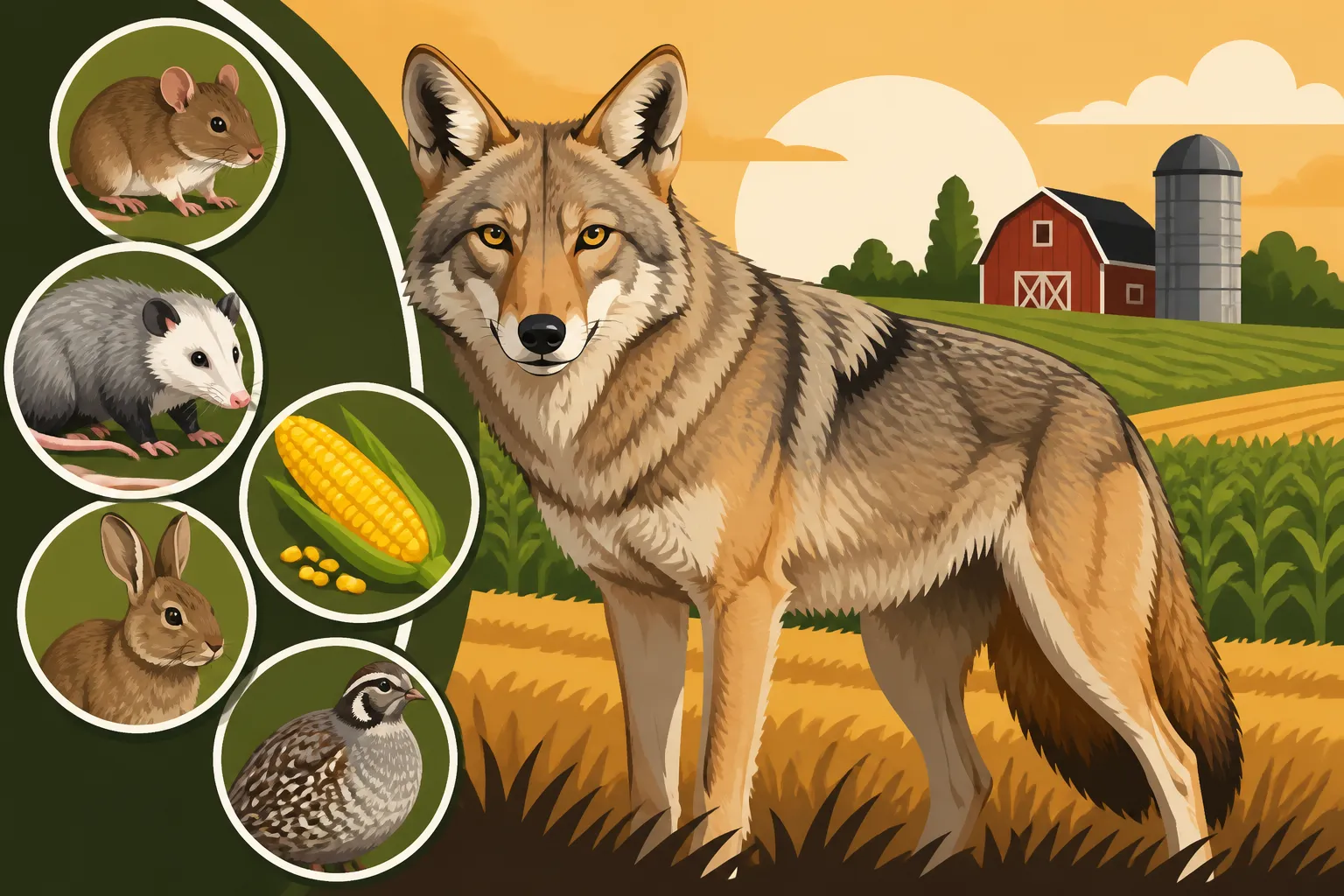
In a perfectly natural, undisturbed ecosystem, a coyote's diet would largely consist of smaller mammals. Think of cottontail rabbits darting through the underbrush, field mice scurrying between rows, or even a plump rat seeking shelter in an old barn. These animals provide a consistent, energy-rich food source for coyotes, forming the backbone of their traditional diet. When these populations are healthy, coyotes spend a good deal of their hunting effort chasing down these quick, elusive prey animals.
Beyond the furry critters, coyotes aren't above supplementing their meals with insects during certain times of the year. Grasshoppers, beetles, and even worms can become part of the menu, especially for younger coyotes learning to forage or when other food sources are scarce. Furthermore, our Mississippi landscape is rich with natural vegetation, and coyotes will readily consume wild fruits and berries like persimmons, muscadines, and blackberries when they're in season. These plant materials offer essential vitamins and fiber, showcasing just how truly omnivorous these animals are.
Adaptation to Agricultural Landscapes: The Farm-Specific Menu
Now, take that naturally opportunistic eater and drop them into a sprawling Mississippi farm setting – suddenly, their menu expands dramatically. The very nature of agriculture creates an abundance of new, easily accessible food sources that coyotes quickly learn to exploit. This isn't just about what's growing in the fields; it's about the entire ecosystem that farm activity creates, from disturbance to waste.
One of the most significant shifts in a farm country coyote's diet comes from crop residues and waste grains. After harvest, fields of corn, soybeans, or wheat often leave behind a scattering of fallen kernels or beans. While a combine might be efficient, it's never 100% perfect, and coyotes are masters at gleaning these leftovers. This can provide a surprisingly rich and easy source of calories, particularly through the lean winter months. They'll spend hours meticulously working through a harvested field, picking up every edible scrap, and you can see their tracks all over after a good rain.
Moreover, the presence of livestock – whether it's cattle, hogs, or poultry – introduces a whole new realm of possibilities. While active predation on healthy adult livestock is less common, the presence of sick or injured animals, afterbirth, or even discarded feed can become a regular part of a coyote's diet. These animals are intelligent and quickly learn that where there are farms, there are usually easy meals to be had, whether directly from a pasture or indirectly from the byproducts of farming operations.
When Opportunities Arise: Scavenging and Predation on the Farm
Coyotes are not just hunters; they are also highly efficient scavengers. This trait serves them incredibly well in farm country, where the landscape often provides a steady, albeit sometimes unfortunate, supply of carrion. This willingness to consume deceased animals, coupled with their predatory instincts, defines their relationship with the farm ecosystem.
The Role of Carcasses and Roadkill
It's a grim reality, but dead animals are a common sight in rural Mississippi. From wildlife victims of vehicle collisions on country roads to livestock that succumb to illness or injury on a farm, carcasses are a readily available food source for coyotes. A coyote's keen sense of smell can pick up the scent of carrion from a surprising distance, drawing them to a free meal without expending precious energy on a hunt. This isn't just a casual snack; it can be a substantial portion of their diet, especially during times when live prey is harder to come by or when they're raising pups.
Farmers might find that coyotes are quickly drawn to any livestock that dies in the field. Proper disposal of dead animals, such as prompt removal or rendering, is crucial not only for sanitation but also to avoid inadvertently creating a consistent food source that draws coyotes closer to the farm. If coyotes consistently find easy meals in the form of carrion, they are more likely to frequent the area, increasing the chances of conflict with live animals. This behavior reinforces their presence, potentially drawing in more coyotes to an area.
Livestock Depredation: A Farmer's Nightmare
While scavenging is a part of their nature, the most devastating aspect of coyote diet for many Mississippi farmers is their predation on livestock. Calves, lambs, and poultry are particularly vulnerable. A young calf, weak from birth or separated from its mother, can become an easy target. Similarly, a flock of chickens or turkeys, often kept in less secure enclosures, represents a low-effort, high-reward meal for a hungry coyote. Mississippi Coyote Attacks on Livestock are a serious concern for many producers.
This predation isn't always random. Coyotes are intelligent and will learn patterns. If they successfully take a lamb or a chicken once, they'll likely return. The circumstances often involve opportunism: a poorly fenced pasture, a gap in a chicken coop, or a distracted mother animal. While it's easy to vilify the coyote, it's simply following its instinct to find the easiest meal. Understanding these patterns, and utilizing tools like GoHunt to analyze terrain features and potential travel corridors, can help landowners predict likely approach routes for coyotes. This kind of insight allows farmers to fortify vulnerable areas or implement deterrents more strategically, rather than just reacting to an attack.
Seasonal Shifts and Availability: How the Farm Menu Changes
Just like our own diets change with the seasons, so does a coyote's in Mississippi farm country. Their adaptable nature means they're constantly shifting their focus to whatever is most abundant and easiest to acquire throughout the year. Understanding these seasonal dietary patterns is key to predicting their movements and potential impacts on wildlife and livestock.
Spring and Summer: Young Prey and Growing Crops
Spring in Mississippi is a time of renewal, but it's also a time of extreme vulnerability for many native species. This is when fawns are born, turkey poults hatch, and a host of other young animals are at their most defenseless. For coyotes, this represents a significant dietary shift. Instead of relying heavily on adult prey, they can target these inexperienced, small, and often slow-moving young animals. Mississippi deer fawn survival rates are directly influenced by predator populations, and coyotes are a major factor. Similarly, turkey poults are extremely susceptible to predation during their first few weeks of life, making coyotes a concern for those passionate about Mississippi Turkey Brood Survey Results.
Beyond young wildlife, the agricultural landscape itself provides new opportunities. As crops like corn and soybeans begin to grow, they offer not only potential food sources but also dense cover. This cover can be used by coyotes for denning, raising pups, and ambushing prey. Newly planted fields might also contain seeds or young plants that coyotes will eat, or they'll be hunting the rodents and rabbits drawn to these emerging fields. The shift from sparse winter fields to lush, growing crops completely alters the hunting grounds and available menu items for a coyote.
Fall and Winter: Harvest Scraps and Vulnerable Wildlife
As summer wanes and harvest season kicks into full swing, the coyote's diet pivots once again. The combines roll through, leaving behind a scattering of waste grain that becomes a major draw. A harvested cornfield, for instance, can provide a bounty of calories for coyotes well into the winter months. This is particularly important for sustaining them through periods when small game populations might be lower or more difficult to hunt due to lack of cover. They’ll work these fields diligently, often under the cover of darkness, to scavenge every last kernel.
Winter also brings colder temperatures and often leaner times for wildlife. Native prey like rabbits and rodents might be less active or more concentrated, making them easier targets. Any sick, injured, or elderly animals – be it a deer, a hog, or a domestic animal – become more vulnerable in the colder months. Late-Season Food Sources for Mississippi Whitetails are often also late-season food sources for coyotes, as they’ll follow deer to these areas or scavenge any deer that don’t make it through the winter. This is also when hunters are active, and unfortunately, gut piles from deer or other game can act as a huge attractant, drawing coyotes into areas they might not frequent otherwise. Knowing these seasonal patterns can help hunters and landowners prepare and manage their properties more effectively; mapping tools like GoHunt can be invaluable for understanding terrain and how these seasonal food shifts might influence coyote movements.
Impact on Wildlife and Farming Operations
The adaptable diet of coyotes in Mississippi's farm country creates a complex web of interactions, influencing everything from the health of local wildlife populations to the economic viability of farming operations. Their presence is a constant factor in the ecological and agricultural equations of our state.
Ecological Ripple Effects
The dietary habits of coyotes, particularly their opportunistic predation on young animals, have noticeable ripple effects on other wildlife populations. As mentioned, they can significantly impact Mississippi deer fawn survival rates, especially in areas with high coyote densities. This isn't just about the occasional fawn; it can affect the overall recruitment of new deer into the herd, which in turn impacts future hunting opportunities. Hunters often see fewer fawns accompanying does in areas with strong coyote presence.
Similarly, coyotes are a known predator of turkey poults and even nesting hens. A hungry coyote can wipe out an entire clutch of eggs or a brood of young turkeys, contributing to challenges in maintaining healthy turkey populations, which are vital for Mississippi Spring Turkey Season Rules. Beyond these larger game species, coyotes also prey on smaller game like rabbits and squirrels, though these populations are generally more resilient. Understanding these predator-prey dynamics is a crucial piece of the puzzle for wildlife managers aiming to maintain balanced ecosystems across Mississippi.
Management Strategies and Mitigation
Given the impacts coyotes can have, particularly on livestock and game species, management strategies often become necessary. These can range from preventative measures to direct population control. For farmers, non-lethal methods are often the first line of defense. This includes things like installing robust fencing, utilizing guard animals (such as LGDs – Livestock Guardian Dogs), or employing frightening devices. Proper carcass disposal, as we discussed earlier, is also a low-cost, high-impact method to prevent attracting coyotes to your property.
When non-lethal methods aren't sufficient, or when predation becomes severe, targeted removal of problem coyotes may be considered. This can involve trapping or hunting. For those interested in pursuing coyotes, understanding their dietary patterns and how they use the landscape is vital for success. Tools like GoHunt can help identify potential ambush points, travel corridors along field edges, or areas where coyotes might be drawn by specific food sources. Knowing when and where to focus efforts – for instance, focusing on field edges during the early summer when fawns are present, or near harvested fields in the fall – can make management efforts far more efficient. This proactive approach, informed by an understanding of coyote behavior and diet, is essential for mitigating their impact and fostering a healthier balance in Mississippi's farm country. Coyote Calling in Mississippi Farm Country is one popular method used by hunters and landowners.
Here’s a quick overview of what coyotes are typically feasting on in Mississippi’s agricultural areas:
| Diet Component | Primary Natural Source | Opportunistic Farm Source | Impact on Farm Operations & Wildlife |
|---|---|---|---|
| Small Mammals | Rabbits, mice, voles, rats | Rodents drawn to stored grain/feed | Competition with native predators |
| Insects | Grasshoppers, beetles | Incidental in disturbed soils | Minimal direct impact |
| Wild Fruits/Berries | Persimmons, muscadines, blackberries | Rare in managed fields | Minimal direct impact |
| Crop Residues/Grains | N/A | Post-harvest corn, soybeans, wheat | Draws coyotes to fields, minimal harm |
| Carrion/Scavenging | Dead wildlife (deer, hogs) | Deceased livestock, roadkill, gut piles | Attracts coyotes, disease vectors |
| Livestock | N/A | Calves, lambs, poultry, weak adults | Direct economic loss, significant concern |
| Young Wildlife | N/A | Deer fawns, turkey poults, ducklings | Impact on game populations, hunting opportunities |
In Mississippi farm country, the coyote is a testament to nature's incredible adaptability. Their diet is a dynamic reflection of the resources available, shifting with the seasons and the specific agricultural practices of a given area. From scavenging a gut pile left by a hunter to preying on a newborn calf, their food choices are driven by opportunity and survival. For farmers and wildlife enthusiasts alike, understanding these dietary habits isn't just academic; it's a practical necessity for coexisting with, and managing, these shrewd and persistent animals across our beloved landscapes.
Disclaimer
This article is for general informational purposes only and does not constitute professional advice. Laws, prices and regulations vary by location and change over time. Consult a qualified professional for guidance on your specific situation.