Mississippi Turkey Brood Survey Results
Hunting Mississippi's wild turkeys can be an incredibly rewarding pursuit, but let's be honest, some years feel like a feast and others feel like a famine. That roller coaster of anticipation and sometimes frustration often comes down to one critical factor: how successful the turkey broods were in the previous spring and summer. Understanding the Mississippi turkey brood survey results can offer invaluable insight into what kind of season might be ahead, helping you adjust your expectations and refine your hunting strategy. This guide will walk you through what these surveys mean, what factors shape them, and how you can use this knowledge to become a more informed and adaptable turkey hunter here in our great state.
Understanding Turkey Brood Surveys
When we talk about turkey brood surveys, we're really talking about a critical piece of the puzzle that helps wildlife biologists and, by extension, us hunters, understand the health and future prospects of our wild turkey populations. It's not just about counting birds; it's about evaluating the reproductive success that directly impacts how many gobblers we'll hear (or not hear) in the upcoming seasons.
The Importance of Poult-to-Hen Ratios
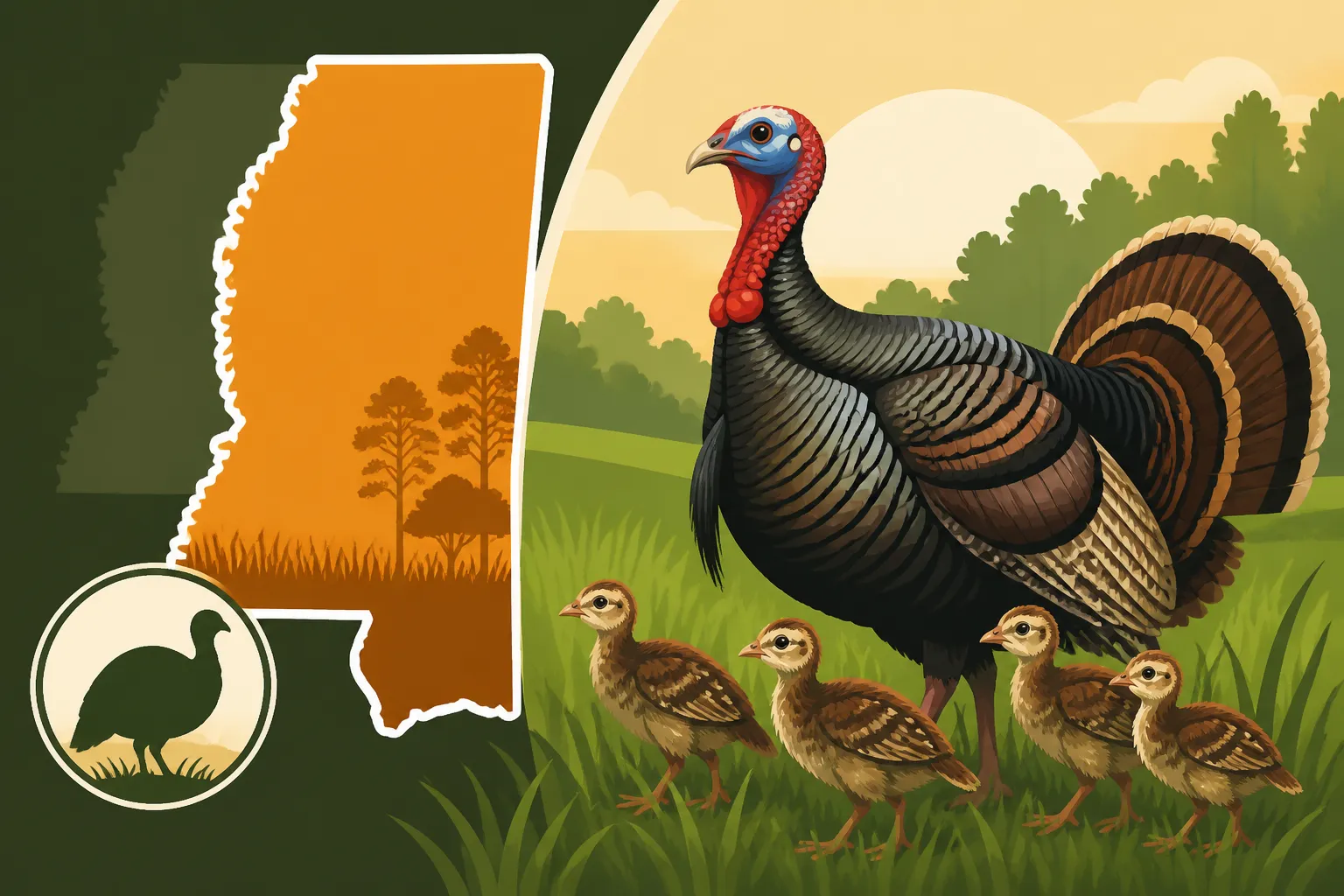
At the heart of any turkey brood survey is the "poult-to-hen ratio." This number might sound a bit academic, but it's incredibly simple and powerful. It's literally the average number of young turkeys, called "poults," observed per adult hen. Think of it like a report card for the turkey breeding season.
A high poult-to-hen ratio suggests a successful hatch and good poult survival, meaning more young birds made it through the critical first few weeks of life. This is the kind of news that gets turkey hunters excited because it generally translates to a larger overall turkey population a year or two down the road, and hopefully, more gobblers reaching maturity. On the flip side, a low ratio indicates a tough year – perhaps poor hatching success, high predation on poults, or adverse weather conditions that significantly impacted survival. When this happens, we know to brace ourselves for potentially fewer birds in the future, and hunting might be a bit more challenging. Understanding these trends, like those often outlined in Mississippi Turkey Population Trends, is crucial for long-term management and hunter success.
This ratio is the most direct indicator of recruitment, which is the number of young birds successfully added to the adult population. Without good recruitment, even a robust adult population can dwindle over time. It helps biologists identify areas where turkeys might be struggling or thriving, guiding their habitat management and season recommendations. For us hunters, it's a peek into the future, giving us a heads-up on whether we should expect to encounter abundant young birds or focus our efforts on locating those elusive older gobblers.
How Surveys Are Conducted in Mississippi
The Mississippi Department of Wildlife, Fisheries, and Parks (MDWFP) gathers this vital information through a combination of methods, often relying on the eyes and ears of dedicated professionals and citizen scientists alike. It's a year-round effort that really picks up steam in the summer months after the bulk of the nesting and hatching activity has occurred.
One key method involves direct observations by MDWFP staff, including biologists and game wardens, who are constantly in the field. They document groups of hens and the number of poults accompanying them, noting the general age class of the poults (e.g., small, medium, large) to get a sense of when they hatched and how well they're growing. This systematic observation across different regions and habitat types provides valuable, localized data.
Beyond the agency's direct efforts, Mississippi often enlists the help of volunteers – ordinary citizens, landowners, and hunters – to participate in what are often called "citizen science" surveys. These programs typically ask participants to record any turkey broods they see during specific summer months, noting the date, location, number of adult hens, and the number of poults. This broad participation allows for a much wider data collection effort than the agency could achieve alone, covering more ground and offering a more comprehensive snapshot of brood success across the state. This crowdsourced data, when compiled, paints a clearer picture of how nesting and brood-rearing went. While you can use sophisticated mapping tools like those offered by GoHunt to navigate your hunting lands, these grassroots efforts are what truly inform the big picture for our state's wild turkeys. These surveys, combined with data on Mississippi Turkey Harvest Numbers, help paint a holistic picture of the population dynamics.
Key Factors Influencing Brood Success in Mississippi
Wild turkeys are resilient birds, but their reproductive success is incredibly sensitive to a variety of environmental factors. Mississippi's diverse landscape, from the Delta's bottomlands to the Piney Woods, presents unique challenges and opportunities for nesting hens and their vulnerable poults. Understanding these variables helps us interpret brood survey results with more context.
Weather's Role in a Good Hatch
Few things impact turkey brood success as profoundly as the weather. A hen might lay a perfect clutch of eggs and be a diligent sitter, but if conditions turn sour, the hatch and subsequent poult survival can be devastated.
For hatching success, moderate, consistent temperatures are ideal. Prolonged cold snaps, especially in early spring when many hens are nesting, can chill eggs and reduce viability. Similarly, extreme heat can also be detrimental. But it's often rain, or the lack thereof, that plays the biggest role. Heavy, cold rains during or immediately after the hatch are notoriously tough on poults. Young poults are extremely susceptible to hypothermia; they can't regulate their body temperature well, and if they get soaked and can't dry out quickly, mortality rates can spike. Flooding in low-lying areas, common in parts of Mississippi, can also destroy nests before eggs even hatch.
On the other hand, a dry, warm spring and early summer often correlate with excellent brood survival. Poults can dry off quickly after morning dew, and hens can move them more effectively without battling mud or prolonged wet conditions. This is why when we hear about a particularly mild spring, many turkey hunters start optimistically predicting a strong upcoming season.
Predators and Nest Survival
Mississippi is a biologically rich state, and with that richness comes a full complement of predators, many of whom consider turkey eggs and poults a tasty meal. Predation is a natural and constant pressure on wild turkey populations, and a significant factor in whether a hen's efforts lead to a successful brood.
Common nest predators in Mississippi include raccoons, opossums, skunks, and even some snakes. These animals are opportunistic, and a turkey nest, especially one not well concealed, can be an easy target. Feral hogs, unfortunately, are also a major threat. Not only do they directly predate on nests and poults, but their constant rooting and destructive feeding habits can also degrade the very nesting and brood-rearing cover that turkeys depend on. This issue of Nest Predation and Mississippi Turkey Hatches is a constant challenge for wildlife managers.
Once poults hatch, the list of predators expands to include coyotes, bobcats, and various avian predators like hawks and owls. Young poults, for their first few weeks, are practically defenseless beyond their camouflage and the hen's vigilance. Good, dense brood-rearing habitat that offers protection from aerial and ground predators is essential. Years with high predator populations, especially of species like coyotes or raccoons, can see lower poult survival even if the hatch itself was successful. This constant pressure reinforces the need for robust habitats and, in some cases, predator management efforts to give turkeys a fighting chance.
Habitat Quality and Brood Rearing
Beyond weather and predators, the actual quality of the habitat where hens attempt to nest and raise their young is paramount. A hen needs a secure, concealed place to lay her eggs, and once hatched, the poults need specific types of cover and food resources to grow and survive.
Ideal nesting habitat often includes areas with dense understory, such as thickets, briar patches, or areas with tall grasses and forbs. This concealment helps protect the nest from visual predators. Once the poults are on the ground, they need what's called "bugging habitat." This typically means areas with abundant insects – fields with diverse wildflowers, open pine stands with good groundcover, thinned timber with sunlight hitting the forest floor, or even the edges of agricultural fields. Poults grow rapidly, and insects are their primary protein source for the first several weeks of life. They also need this habitat to be relatively open at ground level for easy movement, yet still provide overhead cover from aerial predators and places to dry out. This complex need for both open and dense areas is why diverse landscapes, often managed through techniques like prescribed burning or selective timber harvest, are so beneficial for turkeys. You can often scout for these diverse areas using the detailed mapping features found on GoHunt. Good habitat also ensures gobblers have quality areas for strutting and roosting, vital for their success in breeding seasons. Where Mississippi Gobblers Roost is often dictated by the surrounding habitat quality.
Without suitable brood-rearing habitat, even a strong hatch can lead to high poult mortality. If young turkeys can't find enough insects, or if they lack adequate cover to escape predators and shelter from the elements, their chances of making it to adulthood drop significantly.
Interpreting and Applying Brood Survey Information as a Hunter
So, you've heard the state had a "good" or "tough" brood year. What does that actually mean for your time in the woods? While the surveys give us a broad picture, savvy Mississippi hunters know how to translate those general trends into actionable strategies for their local hunting spots.
Connecting Survey Trends to Your Hunting Strategy
The biggest takeaway from brood survey results is often about future population density and the age structure of the gobblers you'll be encountering.
If the surveys indicate a strong brood year, especially for the year prior to the current season, it means more two-year-old gobblers will be in the woods – those energetic, often less-wary birds that are famous for gobbling aggressively and being more responsive to calls. This can translate to a season where you hear more birds, encounter more eager gobblers, and perhaps have more opportunities. Your strategy might lean towards more aggressive calling, trying to locate those vocal young Toms. You might even find that Hunting the Statewide Turkey Opener in March is especially productive due to increased bird numbers.
Conversely, a year or two following a weak brood report means fewer young gobblers. You might still find mature, older birds, but they tend to be warier, more experienced, and often less vocal. They've heard it all before. In such a scenario, your strategy needs to shift. You might focus more on patience, subtle calling, and extensive scouting to locate those harder-to-find, older gobblers. Instead of blindly calling, you might rely more on quiet observation and strategic ambush. This is where really understanding the nuances of how a particular area holds birds, perhaps from insights gained while using a mapping tool like GoHunt, becomes paramount.
It's about managing expectations and adapting. Don't go into a "tough" year expecting birds to gobble on every ridge, and don't get complacent in a "good" year. Use the survey information as a guide, not a definitive map.
Beyond the Numbers: Your Own Observations on the Ground
While statewide or regional brood survey data provides a valuable macro-level perspective, it's absolutely crucial to remember that turkey populations can be incredibly localized. A statewide "good" year doesn't guarantee every woodlot or public land tract you hunt will be teeming with birds. Similarly, a "tough" year doesn't mean your specific honey hole will be barren.
This is where your boots-on-the-ground scouting and personal observations become invaluable. Before the season, pay attention to the signs in your specific hunting areas. Are you seeing hens with poults in the summer? How many? What size are they? Are there abundant fresh tracks and droppings? Are you hearing gobbling during the early spring before the season opens? These micro-level observations are just as, if not more, important for your immediate hunting success. A great tool for recording and tracking these observations is GoHunt, which allows you to mark sign, roost locations, and past encounters directly on your maps.
If the statewide survey suggests a strong year, but you're not seeing much activity on your particular property, it might mean local conditions (like habitat, or localized predation) weren't as favorable there. You might then adjust to try a new area, or focus on a specific habitat type within your area that looks more promising. This combination of statewide trends and hyper-local intel is the most powerful tool a Mississippi turkey hunter has. You can learn more about specific tactics in areas like Roost Hunting Mississippi Gobblers to better apply your observations.
What a "Good" or "Tough" Brood Year Means for Mississippi Hunters
Knowing the brood survey results isn't just trivia; it directly impacts how you plan and execute your hunts. It shapes your expectations and, more importantly, informs the strategies you should deploy to maximize your chances of success.
Hunting Strategies for Strong Brood Years
When Mississippi experiences a strong brood year, it means that a healthy number of poults survived to adulthood. Two years after a strong hatch, these birds will be prime two-year-old gobblers – often the most vocal, eager, and sometimes less cautious turkeys in the woods. This can create a truly exciting season, but it also means you might adjust your approach.
- More Aggressive Calling: With more gobblers around, especially those younger, impressionable ones, you can often get away with (and even benefit from) more aggressive calling. Louder yelps, cuts, and clucks might grab the attention of multiple birds, sparking a competitive gobble-off.
- Wider Ranging: Don't be afraid to cover more ground. With higher densities, you might find birds in areas you wouldn't expect in a lean year. If one spot isn't producing, pick up and move to another, increasing your chances of stumbling upon a hot gobbler.
- More Competition (from other hunters): A good year often means more hunters in the woods, especially on public lands. Be prepared for increased pressure. This means getting out earlier, scouting even harder to find less-pressured birds, and being willing to walk farther than others. This is particularly true for When Mississippi's Spring Turkey Season Opens.
- Focus on Young Birds: While older birds are always a prize, don't overlook the opportunity to call in a two-year-old. They provide excellent action and a great hunting experience, and with a limit of Mississippi Adult Turkey Bag Limit, you'll have opportunities to punch tags.
Adapting to Challenging Brood Years
A challenging brood year, unfortunately, means fewer young birds making it to maturity. This can lead to a season with lower turkey densities, particularly fewer of those boisterous two-year-old gobblers. The birds you do find might be older, wiser, and significantly more difficult to hunt. This calls for a more nuanced and patient approach.
- Patience is Paramount: In a tough year, you might not hear as much gobbling, and birds might not respond as readily. Be prepared to sit longer, call less frequently, and be incredibly patient. Sometimes, the best strategy is to simply sit in a good ambush spot near known travel routes or feeding areas and wait for a bird to come to you.
- Subtle Calling: Instead of aggressive tactics, lean into softer, more realistic calling. Sweet yelps, clucks, and purrs might entice a wary gobbler that's heard every trick in the book. Focus on realism over volume.
- Extensive Scouting and Stealth: Your scouting efforts become even more critical. Locate fresh sign, identify roosting areas, and pinpoint where birds are feeding and traveling before the season. On the hunt, prioritize stealth. Minimize movement and noise. Use tools like GoHunt to mark every piece of sign you find.
- Targeting Older Birds: With fewer young birds, your focus will naturally shift to those mature gobblers. These birds are survivors for a reason; they're smart. You'll need to outsmart them, often by being in their known territory before they ever hit the ground, or by intercepting them along predictable travel corridors.
- Focus on Best Habitat: In lean years, birds will concentrate in the best available habitat – areas with abundant food, water, and cover. Prioritize hunting these prime locations where birds are most likely to be holding. Information on Mississippi Turkey Population Trends might indicate specific regions where birds are more resilient.
Understanding the brood survey results for Mississippi isn't about predicting the future with 100% accuracy, but rather about gaining a better understanding of the overall health of our wild turkey population. It empowers us, as hunters, to be more informed, adaptable, and ultimately, more successful in the field. Every year is a new adventure, and by staying tuned into what these surveys tell us, we can better appreciate the nuances of our wild turkeys and refine our strategies to meet the challenges and joys that each spring season brings.
Disclaimer
This article is for general informational purposes only and does not constitute professional advice. Laws, prices and regulations vary by location and change over time. Consult a qualified professional for guidance on your specific situation.