Mississippi Black Bear DNA Tracking Study
Mississippi’s shy, nocturnal black bears live in thick bottomlands and swamps, so aerial surveys and sightings fall short, leaving population counts a hurdle.
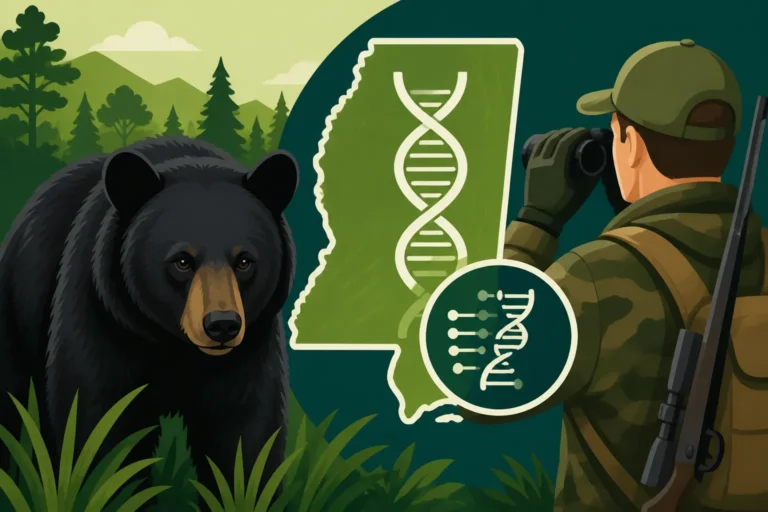
Mississippi’s shy, nocturnal black bears live in thick bottomlands and swamps, so aerial surveys and sightings fall short, leaving population counts a hurdle.
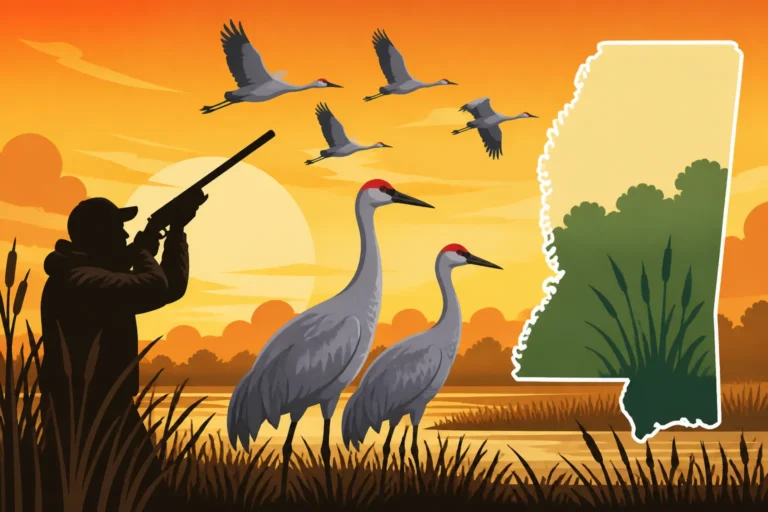
The Mississippi Sandhill Crane Restoration Zone protects Jackson County wet pine savannas where endangered nonmigratory cranes nest.
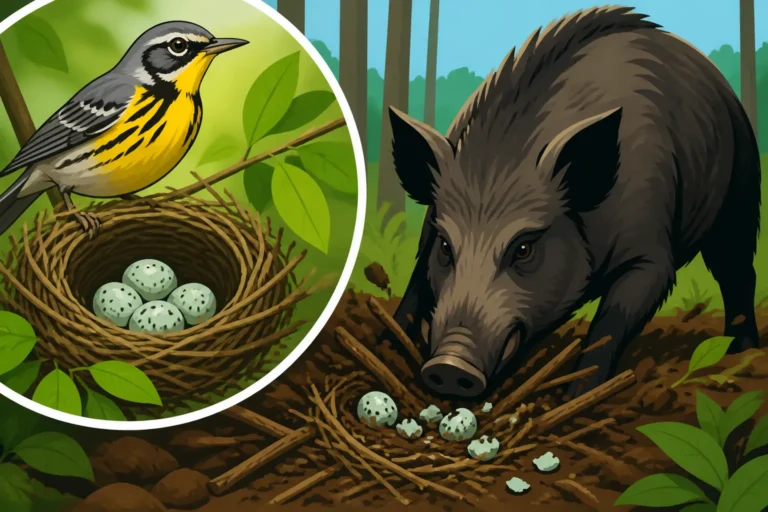
Feral hogs destroy Mississippi songbird nests and disrupt fragile ecosystems by consuming ground eggs and helpless nestlings.
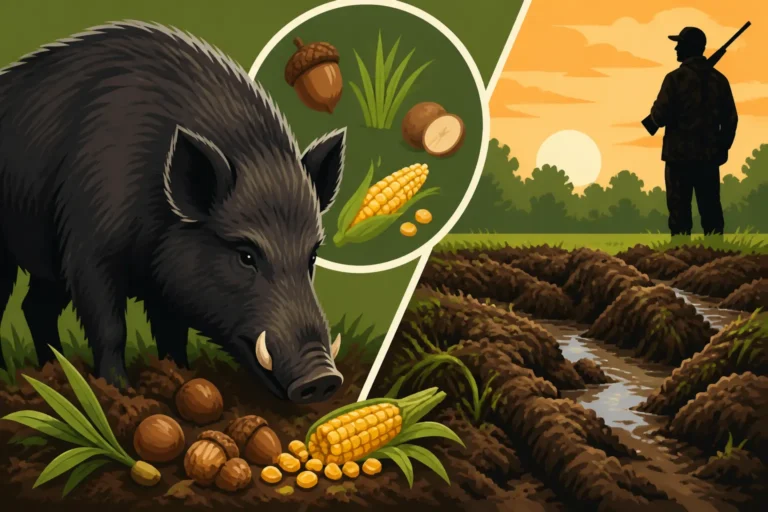
Mississippi feral hogs consume agricultural crops and ground nests, causing severe rooting damage across the Delta region.
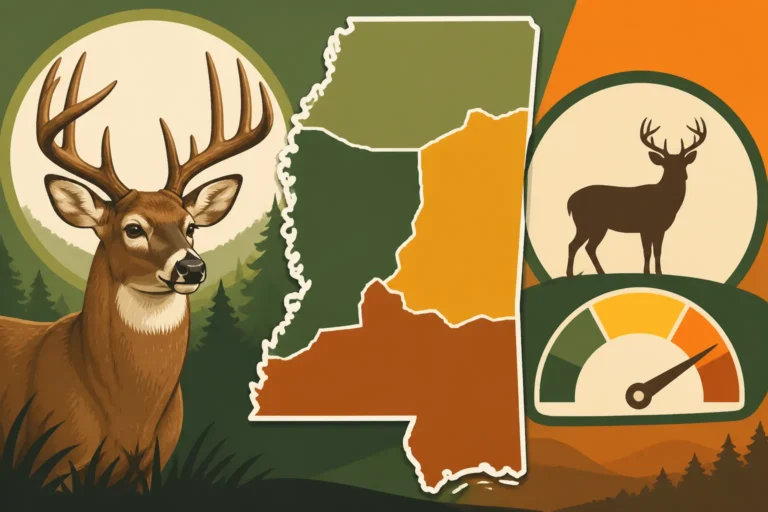
Mississippi deer weight averages vary by region, showing how Delta bucks reach two hundred pounds while Hills bucks weigh less.
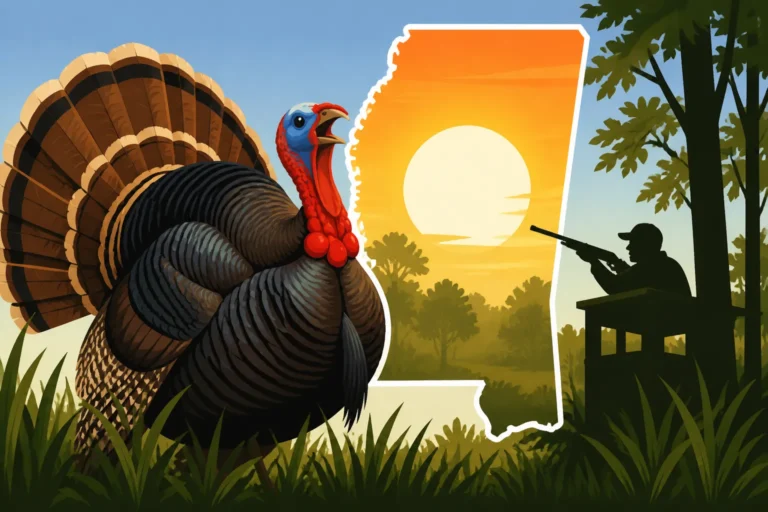
Mississippi turkey gobbling activity timing and seasonal patterns explained for hunters planning successful spring hunts.
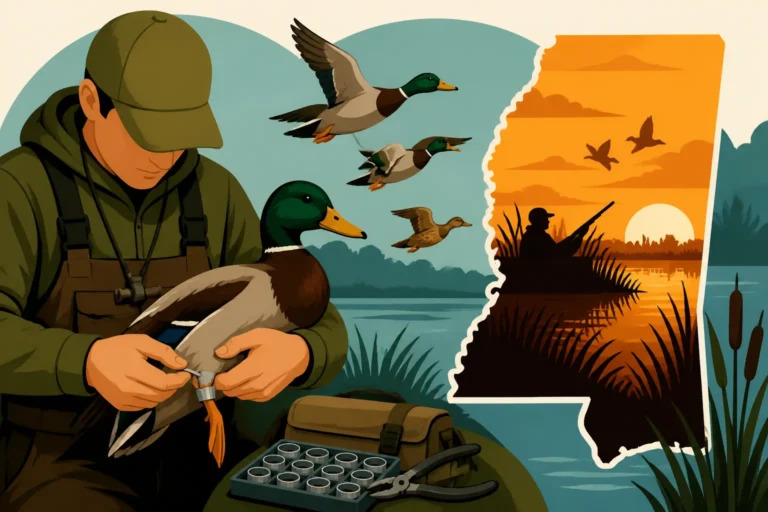
Mississippi waterfowl banding programs track ducks and geese to inform hunting seasons and protect migratory bird populations.
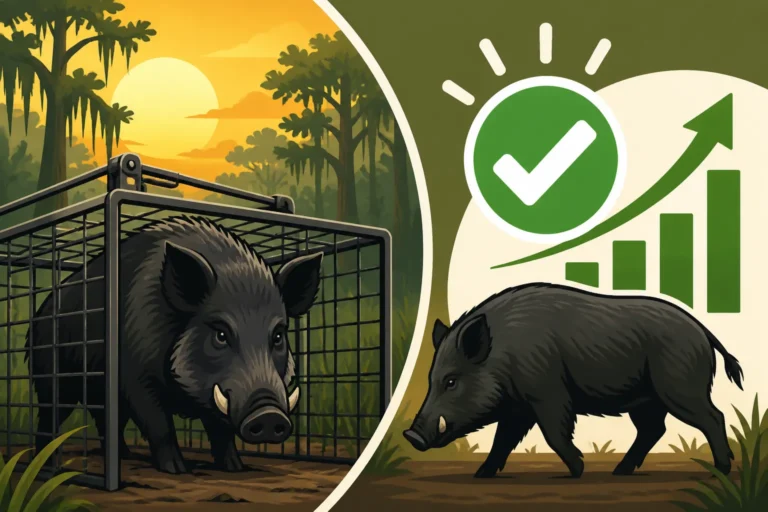
Mississippi feral hog trapping success rates depend heavily on smart trap placement, pre baiting, and understanding wild animal behavior.
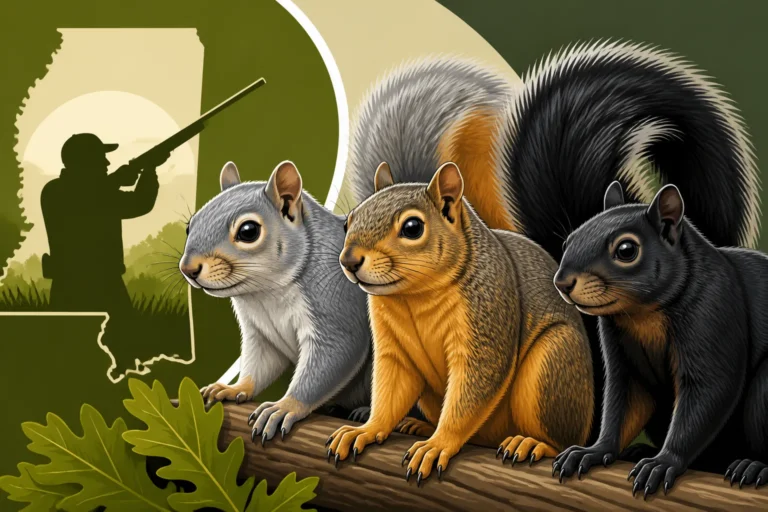
Mississippi fox squirrel color variations, ranging from rich tawny red to dark black, explained with identification tips.
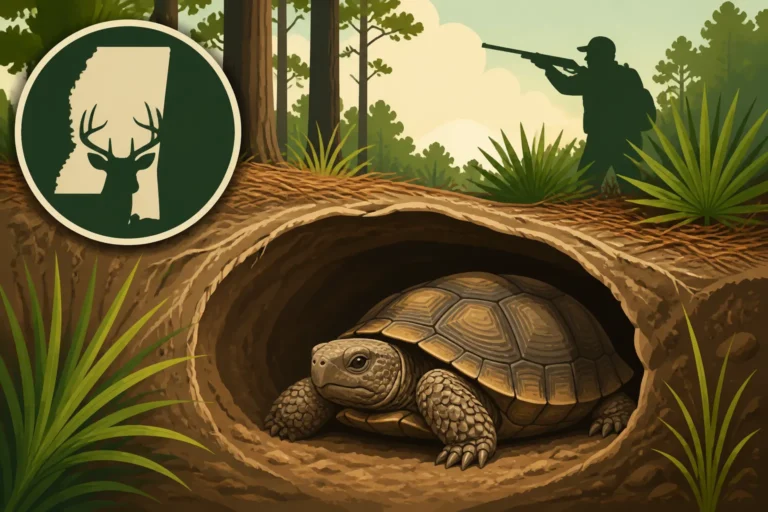
Mississippi gopher tortoise burrows provide underground shelter for hundreds of species in southern pine forest ecosystems.