Mississippi Sandhill Crane Restoration Zone
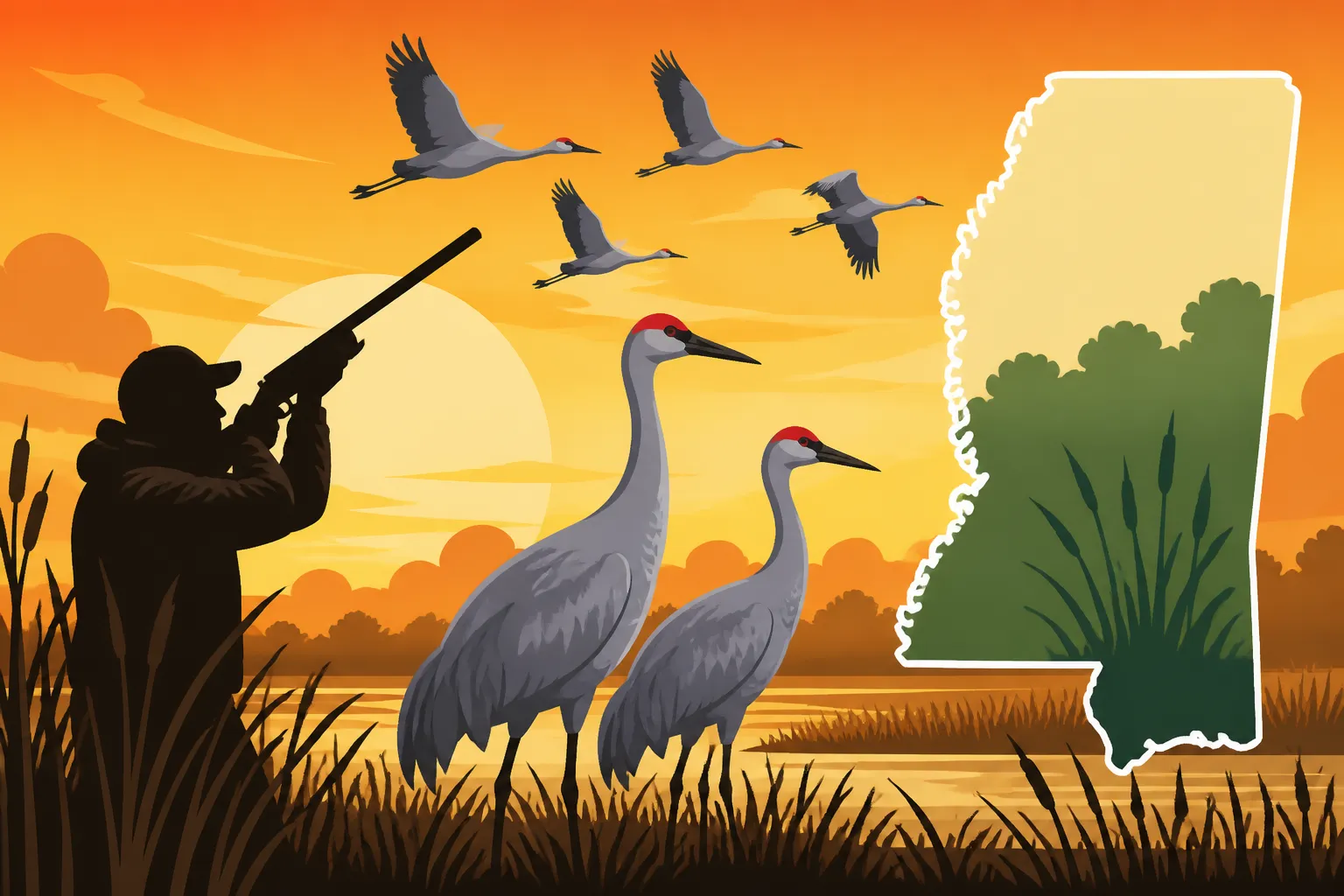
For folks who spend time in Mississippi's outdoors, whether you're hunting deer or scouting for ducks, you might occasionally hear whispers or even spot a truly magnificent, long-legged bird that seems a bit out of place. This isn't just any bird; it's the Mississippi Sandhill Crane, a unique and critically endangered subspecies whose survival hinges on one specific area: the Mississippi Sandhill Crane Restoration Zone. Understanding this zone isn't just for birdwatchers; it's vital for every Mississippian who cares about our state's rich natural heritage and how our outdoor activities intersect with crucial conservation efforts.
The Plight of the Mississippi Sandhill Crane: A Unique Challenge
When we talk about hunting and conservation in Mississippi, deer and turkey often come to mind first. But there's another incredible creature, the Mississippi Sandhill Crane, that represents one of our state's most challenging and important conservation stories. These aren't the migrating sandhill cranes you might see flying south in the fall; this is a distinct, non-migratory subspecies that calls a very specific part of our state home year-round. Their story is one of resilience against immense odds, and it highlights just how precious and fragile some of our natural populations can be.
A Subspecies on the Brink
The Mississippi Sandhill Crane ( Grus canadensis pulla) is truly special because it's a non-migratory population, meaning they don't leave Mississippi when the seasons change like their migratory cousins do. They are adapted to a very particular environment: the wet pine savannas of Jackson County in coastal Mississippi. For generations, these cranes thrived in this unique ecosystem, but as human populations grew and land use shifted, their world began to shrink dramatically. We started draining wetlands for agriculture, cutting down the longleaf pine forests for timber, and developing coastal areas for homes and businesses.
Imagine waking up one day to find your pantry half empty, then a quarter empty, and then only a few scraps left. That's essentially what happened to the Mississippi Sandhill Cranes. Their specialized diet and nesting habits meant they couldn't just pick up and move when their preferred savanna habitat disappeared. Their numbers plummeted to critically low levels, a stark reminder of how quickly even a thriving species can face extinction when its home vanishes. It's a sobering thought, especially for us who value the bounty of Mississippi's wild places.
Why This Specific Zone Matters
The decision to establish a dedicated restoration zone wasn't arbitrary; it was a desperate, calculated move to save a species on the very edge. The specific area chosen in Jackson County, which now forms the Mississippi Sandhill Crane National Wildlife Refuge, holds the last significant remnants of the wet pine savanna ecosystem that these cranes absolutely depend on. This isn't just a patch of woods; it's a complex, fire-dependent landscape characterized by open longleaf pine forests, a dense understory of grasses and wildflowers, and most importantly, seasonally wet depressions and shallow ponds where the cranes feed and nest.
Without this specific type of habitat, the Mississippi Sandhill Crane simply cannot survive. It's their ancestral home, perfectly suited to their foraging techniques for insects, small vertebrates, and plant tubers, and offering the secluded, wet nesting sites they require. Protecting and actively restoring this acreage is literally protecting the future of this beautiful bird. It's a testament to the idea that sometimes, to save a unique piece of our natural world, you have to draw a clear line in the sand and dedicate specific resources to its recovery. It's a different kind of "public land" than we often discuss, but just as vital.
Understanding the Mississippi Sandhill Crane National Wildlife Refuge
The existence of the Mississippi Sandhill Crane National Wildlife Refuge is a direct answer to the desperate need for conservation of this unique bird. This isn't just a passive protection area; it's an active, dynamic landscape managed with specific, science-backed strategies to ensure the cranes not only survive but hopefully, one day, truly thrive again. Understanding its purpose and how it operates gives us a deeper appreciation for the complex world of wildlife management beyond traditional game species.
The Refuge's Mission and Mandate
Established in 1975, the Mississippi Sandhill Crane National Wildlife Refuge operates under the authority of the U.S. Fish and Wildlife Service. Its primary mission is unequivocally clear: to protect and recover the critically endangered Mississippi Sandhill Crane. This mandate guides every decision made within the refuge, from land acquisition to habitat manipulation. It's a legal framework that prioritizes the crane above all else, recognizing its precarious position on the endangered species list. This means that while other wildlife benefits from the healthy ecosystem, the crane is the driving force behind the refuge's very existence.
For those of us used to thinking about state wildlife agencies, it’s a good reminder that federal agencies also play a huge role in protecting our natural heritage. The refuge is a critical component of wider efforts to manage Mississippi's Chronic Wasting Disease Zones for deer, for example, even though the species are vastly different. The refuge staff work tirelessly, often partnering with other conservation organizations, to ensure that the protections are robust and the recovery efforts are effective. It’s a long game, played out over decades, where every small success brings hope for the future of this magnificent bird.
Habitat Management and Restoration Efforts
The work inside the Mississippi Sandhill Crane National Wildlife Refuge is incredibly hands-on, a far cry from simply "leaving it alone." The wet pine savanna habitat, which is crucial for the cranes, is a fire-dependent ecosystem. Without regular fire, woody brush would encroach, shading out the diverse herbaceous layer and drying up the ephemeral wetlands the cranes rely on. So, one of the most vital tools in the refuge's toolbox is prescribed burning. These controlled fires mimic natural fire regimes, clearing out undergrowth, releasing nutrients, and stimulating the growth of the plants that form the base of the crane's diet. It’s a constant battle against natural succession, ensuring the habitat stays open and healthy.
Beyond fire, hydrology restoration is paramount. Many of the natural wetlands and wet savannas were historically ditched and drained for timber production or agriculture. The refuge works to undo this damage, plugging ditches, restoring natural water flow, and encouraging the seasonal saturation that creates ideal crane foraging and nesting conditions. This can be a complex engineering challenge, requiring a deep understanding of the local landscape and water table. Additionally, the fight against invasive species is ongoing. Non-native plants can quickly outcompete native flora, degrading habitat quality. Staff and volunteers work to identify and remove these invaders, ensuring the native plant communities, which the cranes have evolved with, can flourish. All these efforts create a mosaic of healthy habitats, which can be seen by those who use tools like GoHunt to scout and understand land features, even if they aren't directly hunting cranes.
The Impact on Hunters and Wildlife Enthusiasts
While the Mississippi Sandhill Crane Restoration Zone is dedicated to a non-game species, its presence and purpose absolutely have implications for anyone who enjoys Mississippi's outdoors. Understanding these connections is crucial for responsible outdoor behavior and appreciating the broader conservation landscape of our state. It's not just about what you can hunt, but what we must protect, and how those two worlds coexist.
Hunting Regulations Near and Within the Zone
Let's be unequivocally clear: Mississippi Sandhill Cranes are a federally protected, critically endangered species. This means they are absolutely not a huntable species in Mississippi or anywhere else they occur. Their conservation status is paramount, and any disturbance, let alone hunting, is strictly prohibited by law. This is a critical distinction, especially for hunters who are used to focusing on species like deer, turkey, or waterfowl. Mistaking a sandhill crane for another species, even accidentally, could lead to severe penalties.
While direct hunting within the refuge boundaries is generally very restricted, if not entirely prohibited for most species, understanding the refuge boundaries is essential for any hunter operating in the surrounding areas of Jackson County. If you're Hunting the Piney Woods Region, particularly the southern parts, you need to be acutely aware of where the refuge lies. Always check the specific regulations for any area you plan to hunt, especially if it's adjacent to a federal refuge. Maps and GPS applications like GoHunt are invaluable for identifying property lines and ensuring you don't inadvertently stray into a protected area. It's our responsibility as outdoorsmen and women to know and respect these boundaries, not just for legal reasons, but for the health of this imperiled population.
Educational Opportunities and Public Access
The Mississippi Sandhill Crane National Wildlife Refuge isn't just a fortress for cranes; it's also a place for people to connect with nature and learn about this incredible conservation story. The refuge offers various educational opportunities and limited public access points, designed to foster appreciation for the cranes and their unique habitat without disturbing them. Many people, including birdwatchers, photographers, and nature enthusiasts, visit the refuge to catch a glimpse of these majestic birds.
The visitor center is often the best starting point, providing interpretive exhibits that detail the crane's history, biology, and the intensive efforts being undertaken for its recovery. There are often designated viewing platforms or short hiking trails that allow for crane observation from a safe distance, minimizing disturbance. These opportunities are vital for building public support for conservation. When people see the cranes up close, they develop a connection and a deeper understanding of why such dedicated efforts are necessary. It's a chance to see a truly wild, beautiful part of Mississippi that few other places can offer, and a great way to introduce younger generations to the importance of protecting all wildlife, not just those we pursue for sport.
The Broader Ecological Significance and Future Outlook
The Mississippi Sandhill Crane Restoration Zone is more than just a place where one bird lives; it's a vital piece of a larger ecological puzzle. The efforts within this zone resonate far beyond the cranes themselves, influencing the health of an entire ecosystem and offering lessons for broader conservation challenges across Mississippi and beyond. Its future, like the future of many wild places, depends on continued dedication and understanding.
The Role of the Sandhill Crane in the Ecosystem
When we protect a species like the Mississippi Sandhill Crane, we're not just saving a single bird; we're essentially safeguarding an entire ecosystem. The crane is considered an "indicator species," meaning its health and population status can tell us a lot about the overall health of the wet pine savanna it inhabits. If the cranes are doing well, it suggests that the savanna's hydrology is intact, its plant diversity is rich, and its fire regime is appropriate. This, in turn, benefits countless other species that share this unique environment.
Think of the Mississippi Gopher Tortoise Burrow Habitat, or the rare orchids and carnivorous plants that thrive in these savannas. All these species rely on the same healthy, fire-maintained, wet pine savanna that the cranes do. The conservation efforts for the cranes create a ripple effect, providing a sanctuary for a wide array of biodiversity. It's a powerful example of how focusing on a keystone or indicator species can lead to holistic ecosystem recovery, enriching the wild tapestry of Mississippi for everyone, from deer hunters scouting new areas to birdwatchers enjoying a quiet morning.
Challenges and Continued Conservation
Despite the decades of dedicated work, the Mississippi Sandhill Crane still faces significant challenges, and its future is by no means guaranteed. Habitat fragmentation remains a major threat outside the refuge boundaries. As development continues along the Mississippi Gulf Coast, the remaining patches of suitable habitat become smaller and more isolated, making it harder for cranes to expand their range or find new territories. Climate change also poses a long-term threat, with potential shifts in rainfall patterns and increased intensity of storms impacting the delicate hydrology of the wet savannas.
Funding for conservation is another perpetual challenge. The extensive land management, research, and outreach efforts require sustained financial support. It's a continuous, uphill battle that demands vigilance and long-term commitment from federal agencies, state partners, and private organizations. The success of the Mississippi Sandhill Crane is a testament to what can be achieved with concerted effort, but it's also a powerful reminder that conservation is never truly "finished." It's an ongoing stewardship, a commitment to preserving Mississippi's natural heritage for generations to come. Every tool, including resources like GoHunt that help us visualize and understand land use, plays a small part in this larger story.
Key Aspects of the Mississippi Sandhill Crane Restoration Zone
| Aspect | Description | Significance |
|---|---|---|
| Location | Jackson County, coastal Mississippi | Unique wet pine savanna habitat, last stronghold for the subspecies |
| Primary Goal | Protect and recover the critically endangered Mississippi Sandhill Crane | Prevents extinction of a unique, non-migratory subspecies |
| Managed By | U.S. Fish and Wildlife Service | Federal mandate for endangered species protection and habitat management |
| Key Habitat | Wet pine savanna, longleaf pine forests, ephemeral wetlands | Essential for crane foraging, nesting, and survival |
| Management Practices | Prescribed fire, hydrology restoration, invasive species control | Maintains open, diverse, fire-dependent ecosystem crucial for cranes |
| Hunting Status | Fully Protected – NOT A HUNTABLE SPECIES | Strict legal protections, crucial for species survival |
| Public Access | Limited, primarily for observation and education | Balances conservation needs with public awareness and appreciation |
| Broader Impact | Indicator species for ecosystem health, benefits other savanna biodiversity | Holistic conservation, preserving a unique and rich ecological community |
Internal Links for Further Reading:
- Public Hunting Land in Mississippi
- Hunting the Piney Woods Region
- Mississippi Wildlife Management Areas
- Mississippi's Recovering Black Bear Population
- Scouting Mississippi Public Land Before Season
- Mississippi Wildlife Disease Monitoring
- Game You Cannot Hunt in Mississippi
- Mississippi Gopher Tortoise Burrow Habitat
- Reading Aerial Photos for Hills Unit Deer
- Mississippi Hunter Education Requirements
- Mississippi Hunting Licenses and What They Cost
- Mississippi Sunday Hunting Rules
Disclaimer
This article is for general informational purposes only and does not constitute professional advice. Laws, prices and regulations vary by location and change over time. Consult a qualified professional for guidance on your specific situation.