Posting a Drive Around a Delta Slough
There’s nothing quite like the Mississippi Delta – the rich soil, the towering hardwoods, and the incredible wildlife. But anyone who’s spent time chasing whitetails in this unique landscape knows the frustration of trying to get a wily old buck out of a slough. These natural depressions, often filled with water and incredibly dense cover, are where deer disappear as if by magic. It feels like they just vanish into thin air, doesn't it? This guide is going to walk you through the strategic art of posting a deer drive around those tricky Delta sloughs, helping you understand deer behavior and maximize your chances of success.
The Unique Challenges of Delta Sloughs for Deer Drives
Mississippi’s Delta region is truly a world unto itself when it comes to hunting, and the omnipresent slough is a defining feature. These aren't just puddles; they're often elongated, often crescent-shaped low spots in the landscape that collect water, sometimes year-round, sometimes seasonally. What makes them so challenging for deer drives is their incredible density. Imagine a tangle of cypress knees, buttonbush, dense cane, briars, and often standing water anywhere from ankle-deep to waist-deep. This isn't just a place for deer to drink; it's a fortress.
Deer are drawn to these sloughs like magnets for several critical reasons. First, they offer unparalleled sanctuary. The thick cover provides excellent thermal regulation, keeping deer cool in the brutal Delta heat and offering some protection from the biting cold fronts. More importantly, sloughs are fantastic escape routes and bedding areas. A wise old buck knows he can slip into the matted vegetation, lay low, and let hunters walk right past him. When pressure mounts, these sloughs become superhighways for deer looking to evade detection, often moving silently through the water and thickets to emerge far from where you expect them.
The frustration for us hunters is palpable. You might have a line of pushers moving steadily, feeling confident they’re going to push deer toward your waiting standers, only to find that the deer have somehow circled back, slipped out a narrow finger of cover, or simply melted into the depths of the slough. It’s a testament to the deer’s intelligence and adaptability to this specific environment. Understanding that deer see these sloughs as their safest havens and escape routes is the absolute first step in developing an effective drive strategy. If you're going to attempt Hunting Delta Unit Bottomland Deer, understanding these water features is paramount.
Mastering Watcher Placement for Effective Slough Drives
The success of any slough drive hinges almost entirely on where you place your watchers. This isn't a random affair; it requires careful planning and, ideally, some good old-fashioned pre-hunt scouting. You need to think like a deer. If you were being pushed out of that dense, wet cover, where would you go? What’s the path of least resistance? Where’s the thickest cover on the other side?
Before you even step foot in the woods on the day of the hunt, you should spend time studying aerial maps. Tools like GoHunt can be invaluable here. Look for subtle elevation changes, natural pinch points where the slough narrows or bumps up against a field edge, and any fingers of timber or brush that extend away from the main body of the slough. These are your primary escape routes. Deer don't just bolt wildly; they tend to follow established trails, even if those trails are underwater or barely visible. Identifying these key funnels and escape corridors is crucial for knowing where to put your primary standers. For help with this, consider reading Scouting Mississippi Public Land Before Season.
When positioning your primary watchers, aim for spots that offer a clear line of sight into potential escape lanes without giving up your position. This often means placing them on field edges, along the higher ground of a timber line overlooking a slough, or where two pieces of cover converge. You need good shooting lanes, but also enough cover to break up your silhouette. Think about using natural features or even Using a Ground Blind on Mississippi Public Land if the terrain allows. Remember, deer will often try to use the wind to their advantage, circling downwind of the drive. Therefore, positioning watchers to cover downwind escape routes is often critical. Also, always consider Wind and Thermals in Delta Bottomland when setting up.
Secondary watchers can be just as important. These individuals are placed to cover less obvious escape routes, or to reinforce a primary position if the slough is particularly large or complex. Sometimes, deer will try to circle back around the pushers, using the very cover they just left. A strategically placed secondary watcher can intercept these evasive maneuvers. Communication is absolutely vital. Every watcher needs to know where the other hunters are, both for safety and to understand which escape routes are being covered. Radios are a godsend for this, allowing for quiet coordination without spooking game.
Here's a quick breakdown of roles and objectives for a slough drive:
| Role | Objective | Key Considerations |
|---|---|---|
| Pushers | Move deer out of the slough towards posted watchers. | Maintain a steady, controlled line. Understand deer's likely escape paths. Communicate with other pushers and watchers. Be aware of the terrain's difficulty (water, thickets). |
| Watchers | Intercept deer exiting the slough via identified escape routes. | Position for clear shooting lanes. Be concealed. Understand wind direction. Maintain silence. Know the locations of all other hunters. Identify pinch points, field edges, and natural funnels. Be prepared for quick shots and deer moving fast. |
Executing the Drive: Pushing Deer from the Slough Effectively
Now that your watchers are strategically placed, it’s time for the pushers to do their part. The effectiveness of the drive itself is a delicate balance of numbers, pace, and understanding how deer will react to pressure in this specific type of cover. The number of pushers required will depend heavily on the size and density of the slough. A small, narrow slough might only need Deer Drives With Three or Four Hunters, but a massive, sprawling one might require more to maintain an effective line. The goal is to apply enough pressure to make the deer uncomfortable but not so much that they panic and break through the line of pushers or circle back unnoticed.
Pace is critical. For the incredibly dense, wet cover of a Delta slough, a slow, methodical push is often more effective than a fast, aggressive one. Fast pushes can cause deer to simply duck down in the thickets and let you walk past, or to burst out in unpredictable directions. A slow, steady advance, with pushers spaced to maintain visual or audible contact, allows deer to feel the pressure building, prompting them to move predictably along their preferred escape routes towards your waiting watchers. Imagine walking through knee-deep water and tangled briars; you'll naturally move slower, and that's often exactly what you want the deer to react to.
Maintaining a tight, even line is paramount. Deer are masters of exploiting any gap. If one pusher gets too far ahead or lags behind, a clever buck will often use that void to slip back through the drive itself. Pushers should communicate constantly, ensuring they are moving in unison. Natural features within or bordering the slough, like old logging roads, elevated ridges, or even subtle changes in water depth, can serve as excellent guides for maintaining a straight line. Pushers should also be mindful of the wind; pushing crosswind or slightly into the wind can sometimes help direct deer, as they'll often try to keep the wind in their face to detect danger.
The communication between pushers and watchers is a two-way street. Pushers can call out when they see fresh sign, or when they suspect a deer has slipped past them. Watchers can alert pushers if they see deer trying to circle back or if they detect movement in an unexpected direction. This real-time feedback allows the entire group to adapt. Knowing when to adapt is crucial; if deer break early and head in an unforeseen direction, the pushers might need to adjust their line or pace, and watchers might need to shift their focus or even reposition if safety allows. Remember, even the best-laid plans need flexibility when dealing with smart Delta deer. Thinking about where a Where Delta National Forest Bucks Bed might influence how you plan your drive.
Crucial Safety and Gear Considerations for Delta Slough Hunts
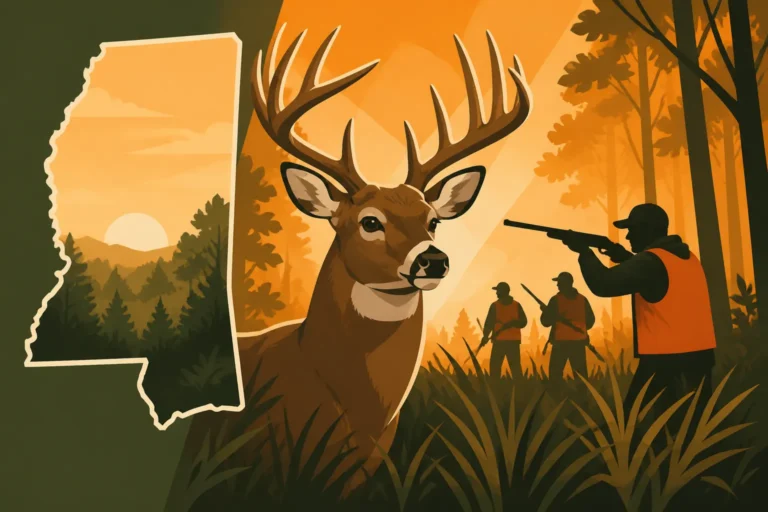
Hunting, especially driving deer in challenging terrain like a Delta slough, always puts safety first. One non-negotiable aspect is visible clothing. In Mississippi, you're required to wear blaze orange during gun season, and for a deer drive, you should always go above and beyond the minimum. This isn't just a rule; it's a lifesaver. Everyone involved in the drive, both pushers and watchers, should be wearing substantial amounts of blaze orange or blaze pink. This ensures every hunter can be clearly seen by others, preventing accidents. To understand the specifics, check out Mississippi Blaze Orange Requirements.
Beyond visibility, the terrain itself demands specific gear. Delta sloughs are wet, thorny, and often muddy. Waterproof and briar-resistant clothing is an absolute must. Think durable, canvas-like briar pants or chaps that can withstand the constant abuse of thorns and thick brush. Forget your everyday jeans; they’ll be soaked and torn within minutes. For footwear, knee-high rubber boots or Muck Boots are highly recommended. You’ll be sloshing through water, mud, and decaying leaf litter, and dry feet are essential for comfort and avoiding nasty trench foot.
Communication is another critical safety component. As mentioned, two-way radios are invaluable. Cell service can be spotty or nonexistent in some remote Delta areas, so don't rely solely on phones. Radios allow pushers and watchers to communicate silently and effectively, letting everyone know where deer are moving, where other hunters are, and if anyone needs assistance. Before the hunt, always establish clear communication protocols and hand signals, just in case.
Given the potential for falls, cuts, and other mishaps in rough terrain, carrying a well-stocked first-aid kit is prudent. It should include basics for cuts, scrapes, and blisters, as well as any personal medications. Also, consider the retrieval challenges. If you successfully harvest a deer in a slough, getting it out can be a monumental task. The water, mud, and dense vegetation make dragging a deer incredibly difficult. Have a plan in place for how you’ll extract the animal, whether that involves multiple people, a game cart, or even a small boat or ATV if feasible. Knowing how to perform Blood Trailing After Dark in Mississippi could also be crucial. Also, be prepared for Field Dressing a Deer in Warm Weather, as the Delta can stay warm well into hunting season. Planning for these challenges beforehand can save you a lot of headache and ensure a safer, more successful hunt. You might also want to consult Reading Delta Mud for Fresh Deer Movement for better insight into deer activity around these areas.
Disclaimer
Hunting is an inherently dangerous activity. This guide provides general information and recommendations. Always prioritize safety, understand and obey all local, state, and federal hunting laws and regulations, and obtain appropriate licenses and permits. The author and publisher are not responsible for any accidents, injuries, or legal issues that may arise from the use of this information. Always hunt responsibly and ethically.