Red Flags When Booking in Mississippi
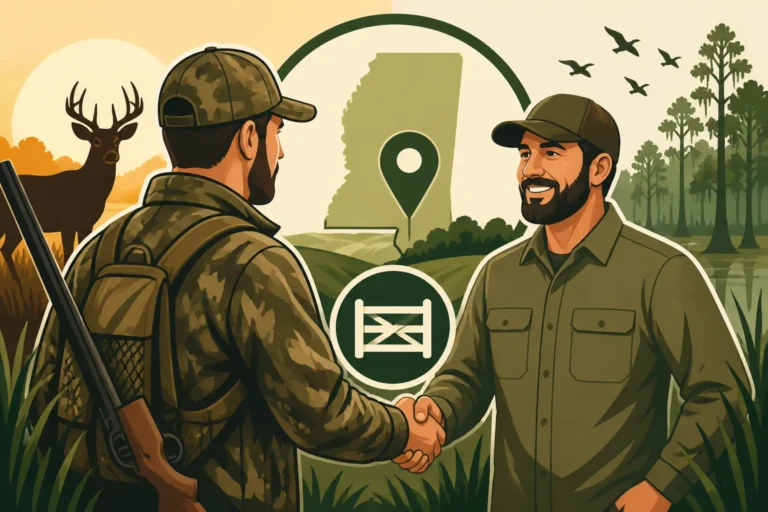
Booking a guided hunting trip in Mississippi can be an incredible experience, offering access to some of the best whitetail, turkey, or waterfowl opportunities in the South. But with so many outfitters out there, it's easy to get swept up in the excitement and overlook crucial details that could turn your dream hunt into a nightmare. This guide is all about helping you spot the red flags that can signal a less-than-reputable operation, ensuring your hard-earned money and precious hunting time are well-spent.
Unclear Communication and Transparency Issues
One of the biggest indicators of a potentially problematic outfitter is a lack of clear, consistent, and transparent communication. When you're investing in a hunting experience, you deserve to know exactly what you're getting, what it costs, and what to expect. Any hesitation or evasiveness in these early conversations should immediately raise an eyebrow.
Vague Pricing and Hidden Fees
You've probably seen it before: an advertisement for a hunt that sounds too good to be true, only to find the actual price tag is much higher. A red flag here is an outfitter who avoids giving you a straightforward, all-inclusive price when you first inquire. They might quote a low "base" price, then slowly reveal a laundry list of additional charges for things you assumed were included. This could be anything from licensing assistance, transportation from the airport, meal costs, or even field dressing and caping your animal.
Imagine you're chatting with an outfitter about a three-day deer hunt in the Mississippi Delta. He quotes you a daily rate that seems very competitive. However, when you dig deeper, you find that the "lodge fee" is separate, meals are an extra charge, and a "trophy fee" is applied if you shoot a buck over a certain score. Suddenly, that initial competitive price has inflated dramatically. A reputable outfitter will provide a comprehensive quote upfront, detailing what's included and what isn't, often with an easy-to-understand breakdown. This clarity is paramount, especially for non-residents who might not be familiar with all the local nuances of Mississippi Nonresident License Options or Mississippi Nonresident Deer Permit Rules.
Lack of Specifics on Hunt Details
Another common issue is an outfitter who remains vague about the actual hunting experience itself. You ask about stand types, hunting pressure, typical weather conditions, or what kind of terrain you'll be hunting, and you get generic, non-committal answers. For instance, if you're looking for a bowhunt, but they only talk about gun season tactics, that's a clue. They might not be specialized or prepared for the hunt type you're seeking.
Consider trying to book a duck hunt in the Mississippi Delta. You inquire about the style of hunting, asking if it's flooded timber, field blinds, or open water. If the response is simply, "We hunt ducks," without any further detail about decoys, blind setups, or the specific habitat, it's a cause for concern. A good guide will be excited to talk about their specific setups, recent scouting reports, and the methods they employ. They should be able to tell you about Hunting Greentree Reservoirs for Mallards or Layout Blind Hunting Delta Farm Fields with enthusiasm and expertise. If they can't or won't provide these specifics, they might be hiding a less-than-ideal operation or simply don't have a solid plan.
Evasive Answers to Direct Questions
Perhaps the most glaring communication red flag is outright evasiveness. You ask a direct question about their success rates, how many hunters they take concurrently, or their specific property access, and they either change the subject, provide a roundabout answer, or even get defensive. This kind of interaction often suggests they have something to hide.
For example, you might ask, "How many other hunters will be in camp during my stay?" and the guide says, "Oh, we always keep it comfortable," without giving a number. Or you inquire about their specific land leases, and they simply say, "We have access to plenty of ground," without mentioning actual acreage or specific locations. A truly professional operation will be upfront about these details. They understand that hunters need to manage their expectations regarding solitude, hunting pressure, and the quality of the experience. Being cagey in these conversations could mean they overbook, have limited access, or aren't confident in the quality of their offering.
Questionable Credentials and Professionalism
Beyond communication, the actual legitimacy and professional standing of an outfitter are critical. While Mississippi doesn't always require stringent outfitter licensing for all types of operations, a professional will still operate with a high degree of transparency and accountability.
Missing or Outdated Licensing/Insurance
While specific outfitter licensing can vary, any legitimate business operating on private or public land in Mississippi should carry appropriate business licenses and, crucially, liability insurance. A red flag is an outfitter who either can't or won't provide proof of current liability insurance. This isn't just about covering them; it's about protecting you in the event of an accident or unforeseen circumstance.
Imagine booking a hunt and realizing, after an incident, that the outfitter had no insurance. This could leave you in a difficult position. A professional operation will have this paperwork in order and readily available for serious inquiries. They understand that Mississippi Hunter Education Requirements exist for a reason, and they take safety and legal compliance seriously. Similarly, if they are using state or federal lands, they must have the proper permits, which also implies a level of accountability.
Poor Online Reputation or No Digital Footprint
In today's connected world, a reputable outfitter will almost certainly have an online presence. This could be a professional website, an active social media page, or listings on reputable booking platforms like BookYourHunt or GoHunt. A significant red flag is an outfitter who has no discernible online footprint, or worse, one that has a string of negative reviews and complaints. While not every small, family-run operation will have a slick website, they should at least have some verifiable presence.
If you can't find anything about them online, or their only presence is a bare-bones Facebook page with no recent activity or reviews, proceed with extreme caution. Conversely, a quick search might reveal forum discussions or online reviews detailing bad experiences, misleading claims, or safety issues. Platforms that compile outfitter reviews, like BookYourHunt, can be invaluable resources for pre-booking research. Remember, even a single highly critical review might be an isolated incident, but a pattern of similar complaints is a definitive warning sign. Always check multiple sources and look for consistency in feedback.
Lack of Client References or Reluctance to Provide Them
Any established outfitter should be proud to share references from past clients. This is one of the oldest and most reliable ways to vet an operation. A major red flag is an outfitter who balks at providing references, claims privacy issues, or only offers a single, very enthusiastic "friend" as a reference.
When you ask for references, a good outfitter will typically provide contact information (with permission) for at least three to five recent clients. Don't just take the list; actually call or email these individuals. Ask specific questions about their experience: Was the hunt as advertised? Was the guide knowledgeable? Were the accommodations comfortable? Were there any hidden costs? How was the food? Did they feel safe? Getting candid feedback from someone who has already been through the experience is incredibly valuable. If an outfitter won't let you speak to past clients, it’s a strong indication that their past clients might not have positive things to say. This is an essential step in Vetting a Mississippi Outfitter Before You Book.
Over-the-Top Promises and Guarantees
Hunting is inherently unpredictable. Wildlife is wild, and success is never guaranteed. Be wary of any outfitter who makes extravagant claims or guarantees that seem to defy the realities of hunting.
"Guaranteed Kill" or Unrealistic Success Rates
This is one of the oldest tricks in the book. No ethical outfitter can guarantee a kill on a free-ranging animal. Period. Wildlife moves, weather changes, and hunting conditions are dynamic. An outfitter who promises a "guaranteed kill" for deer, turkey, or anything else is either operating unethically (e.g., pen-raised hunts, which are often illegal or highly restricted for many species) or is simply lying.
While a high success rate is desirable, question anything that sounds too good to be true, especially for trophy animals. For instance, if an outfitter claims 100% success on 150-inch class deer in Mississippi, where such animals are certainly present but not easily taken, it's a huge red flag. A reputable outfitter will discuss their historical success rates in a realistic context, often providing percentages of opportunities or harvest, rather than outright guarantees. They might talk about providing a high-quality experience and maximizing opportunities, but never a guaranteed outcome.
Exaggerated Trophy Claims
Similarly, be skeptical of outfitters who constantly boast about "monster bucks" or "record-book gobblers" without any substantiating evidence or realistic discussion of the hunt's challenges. Mississippi certainly produces impressive animals, especially in regions like the Delta, which is known for Why the Delta Grows Big Bucks. However, consistent, over-the-top trophy claims for every client, especially without photos or verified scores, can be misleading.
An outfitter might plaster their website with photos of enormous bucks, but those could be from years ago, from different properties, or even from other states. Ask about the average size of animals taken by their clients, and specifically inquire about the trophy minimums or antler restrictions in place for that area, like the Delta Unit Twelve-Inch Spread Rule Explained or the Hills Unit Ten-Inch Spread Rule Explained. A trustworthy outfitter will offer a balanced view, showing what's possible while also managing expectations for what's typical. If they only show the absolute biggest animals and brush off questions about typical harvests, it's time to be cautious.
Pressure Sales Tactics
Do you feel rushed or pressured to book immediately? Is there a constant insistence that "this amazing deal won't last" or "we only have one spot left"? These are classic pressure sales tactics and a common red flag. Reputable outfitters understand that booking a significant hunting trip is a big decision and will give you the time and information you need to make an informed choice.
Beware of tactics like demanding an immediate deposit over the phone without giving you time to review a contract or discuss details with family. A legitimate outfitter will gladly answer your questions, provide information, and allow you a reasonable amount of time to decide. They won't try to strong-arm you into a commitment. Feeling uncomfortable or rushed during the booking process is a strong signal that you should slow down and reconsider.
Unprofessional Booking and Contract Practices
The nuts and bolts of the booking process, particularly the contract and payment terms, are where many problems can arise. A professional outfitter will have clear, fair, and legally sound procedures.
No Written Contract or Vague Terms
This is a huge red flag. Never, ever book a guided hunt without a clear, detailed, written contract. An outfitter who operates purely on a handshake or provides a vague, one-page agreement is leaving you vulnerable. The contract should outline everything: hunt dates, species, inclusive services (lodging, meals, guiding, transportation), specific pricing, payment schedules, cancellation policies, refund terms, and any responsibilities of both the hunter and the outfitter.
Imagine showing up for your hunt, only to find the lodge accommodations are far from what was promised, or the guide decides to take you to a different, less productive area. Without a written agreement, you have very little recourse. A good contract protects both parties and ensures everyone is on the same page. It should detail contingencies for unforeseen events like bad weather or illness, and clearly state what happens if you harvest an animal or if you don't. This transparency is crucial for any substantial investment like a multi-day hunt.
Demanding Full Payment Upfront or Cash-Only
While deposits are standard, an outfitter demanding full payment upfront, especially many months in advance, or insisting on cash-only payments, should raise immediate concerns. This practice can be a sign of financial instability or an attempt to avoid a paper trail. Most reputable outfitters require a deposit to secure your booking and then the remaining balance closer to the hunt date, or upon arrival.
A typical arrangement might be a 50% deposit at booking, with the remainder due 30-60 days before the hunt or upon arrival. This provides security for the outfitter while also giving the hunter some leverage. If an outfitter insists on cash-only, particularly without a clear receipt or contract, it's a major warning sign. This makes it incredibly difficult to dispute charges or prove payment if issues arise. Always use a traceable payment method, like a credit card or check, whenever possible.
Inflexible Cancellation and Refund Policies
Life happens. Sometimes, despite your best intentions, you have to cancel a trip. A fair and reasonable cancellation policy is a hallmark of a professional outfitter. An inflexible, "no refunds under any circumstances" policy, especially if you're canceling far in advance, can be a red flag. While outfitters need to protect their bookings, they should also be willing to work with clients where possible, perhaps offering to rebook for a later date or issuing a partial refund based on the timing of the cancellation.
A good contract will clearly define the cancellation terms, including deadlines for refunds and any forfeiture of deposits. Be wary of policies that seem punitive or that don't offer any flexibility for emergencies. Before you even send a deposit, make sure you thoroughly understand the Deposits and Cancellation Terms in Mississippi for any outfitter you're considering. This is also where hunt insurance can come into play, but it shouldn't be the outfitter's sole solution for an unfair cancellation policy.
Suspicious Logistics and Property Access
The actual logistics of the hunt, including where and how you'll be hunting, are critical. Any ambiguity or concern about these practical details needs to be thoroughly investigated.
Unwillingness to Discuss Hunt Locations
A major red flag is an outfitter who refuses to discuss, or is extremely vague about, the specific areas where you will be hunting. While they don't need to give you GPS coordinates, they should be able to tell you the general region, county, or type of land (e.g., private farm ground, national forest, WMA). An outfitter who won't even confirm if they hunt private versus public land, or if they have legal access to the land they claim, is highly suspect.
For example, if you're booking a whitetail hunt, they should be able to tell you if you'll be hunting in the Delta Unit, Hills Unit, or another specific area, and broadly describe the habitat. They should be able to describe how they find Late-Season Food Sources for Mississippi Whitetails or what kind of Scrape Lines Along a Logging Road they expect to find. If they can't confirm they have permission to hunt specific properties or are vague about their actual hunting grounds, it could mean they're illegally trespassing or don't have the quality land access they claim. Don't be afraid to ask about their specific leases or public land permits.
Poorly Maintained Equipment or Facilities
While not every camp needs to be a five-star resort, a generally unkempt appearance of vehicles, stands, blinds, and lodging facilities can be a warning sign. It suggests a lack of attention to detail and, potentially, a lax attitude towards safety and overall client experience. If their equipment looks neglected, what else might be neglected?
Consider arriving at a camp where the ATVs used to transport hunters are rattling, the treestands look rusty and old, or the lodge itself is unsanitary. These conditions not only detract from the experience but can also pose safety risks. A professional outfitter invests in maintaining their equipment and facilities, understanding that the quality of these elements contributes significantly to a successful and safe hunt. This extends to things like food preparation, sleeping arrangements, and even the cleanliness of the hunting blinds.
Concerns About Legal Land Access
Perhaps the most serious red flag, and one that can have legal repercussions for you, is any doubt about the outfitter's legal right to hunt the land they claim. This includes private land permission or proper permits for public lands. If an outfitter can't provide clear evidence of leases or landowner permission, or if they suggest "bending the rules" regarding boundaries or access, run the other way.
You don't want to find yourself in a situation where you've paid for a hunt, only to discover you're trespassing or hunting illegally. This is especially pertinent for new hunters or non-residents who might not be familiar with Mississippi Trespass and Permission Law or public land regulations. Always confirm that the outfitter has legitimate, current access to the properties they promise to hunt. A simple question about their leases or a glance at a property map can often clear up any doubts.
Here's a quick summary of common red flags to watch for:
| Category | Red Flag | Implication |
|---|---|---|
| Communication | Vague pricing, hidden fees | Unexpected costs, budget overruns |
| Lack of specific hunt details | Mismanaged expectations, unsuitable hunt type | |
| Evasive answers to direct questions | Hiding something, lack of transparency | |
| Professionalism | No proof of licensing/insurance | Legal/safety risks, no recourse if issues arise |
| Poor online reputation / no digital footprint | Unreliable, scam, bad past experiences | |
| No client references | Can't prove past client satisfaction | |
| Promises | "Guaranteed kill" or unrealistic success | Unethical practices, false advertising, disappointment |
| Exaggerated trophy claims | Misleading expectations, focus on quantity over quality | |
| Pressure sales tactics | Exploitative, rushing you into a bad decision | |
| Booking Practices | No written contract or vague terms | No legal protection, disputes over inclusions/exclusions |
| Demanding full payment upfront / cash-only | Financial instability, difficult to track payments, no recourse | |
| Inflexible cancellation policy | Unfair, leaves you with no options if plans change | |
| Logistics/Access | Unwillingness to discuss specific locations | Illegal access, poor quality land, misrepresentation of hunting grounds |
| Poorly maintained equipment/facilities | Safety hazards, uncomfortable experience, lack of professionalism | |
| Doubts about legal land access | Trespassing, legal trouble for the hunter |
Ultimately, booking a guided hunt in Mississippi should be an exciting and stress-free process. By being diligent and knowing what red flags to look for, you can significantly increase your chances of having a memorable and successful trip. Do your homework, ask tough questions, and trust your gut. There are many fantastic outfitters in Mississippi who are passionate about sharing the state's incredible hunting opportunities, from Hunting the Mississippi Rut by Unit to Waterfowl Hunting the Mississippi Delta. Finding the right one just takes a little careful vetting.
Disclaimer
This article is for general informational purposes only and does not constitute professional advice. Laws, prices and regulations vary by location and change over time. Consult a qualified professional for guidance on your specific situation.