Working a Dove Field on Opening Day
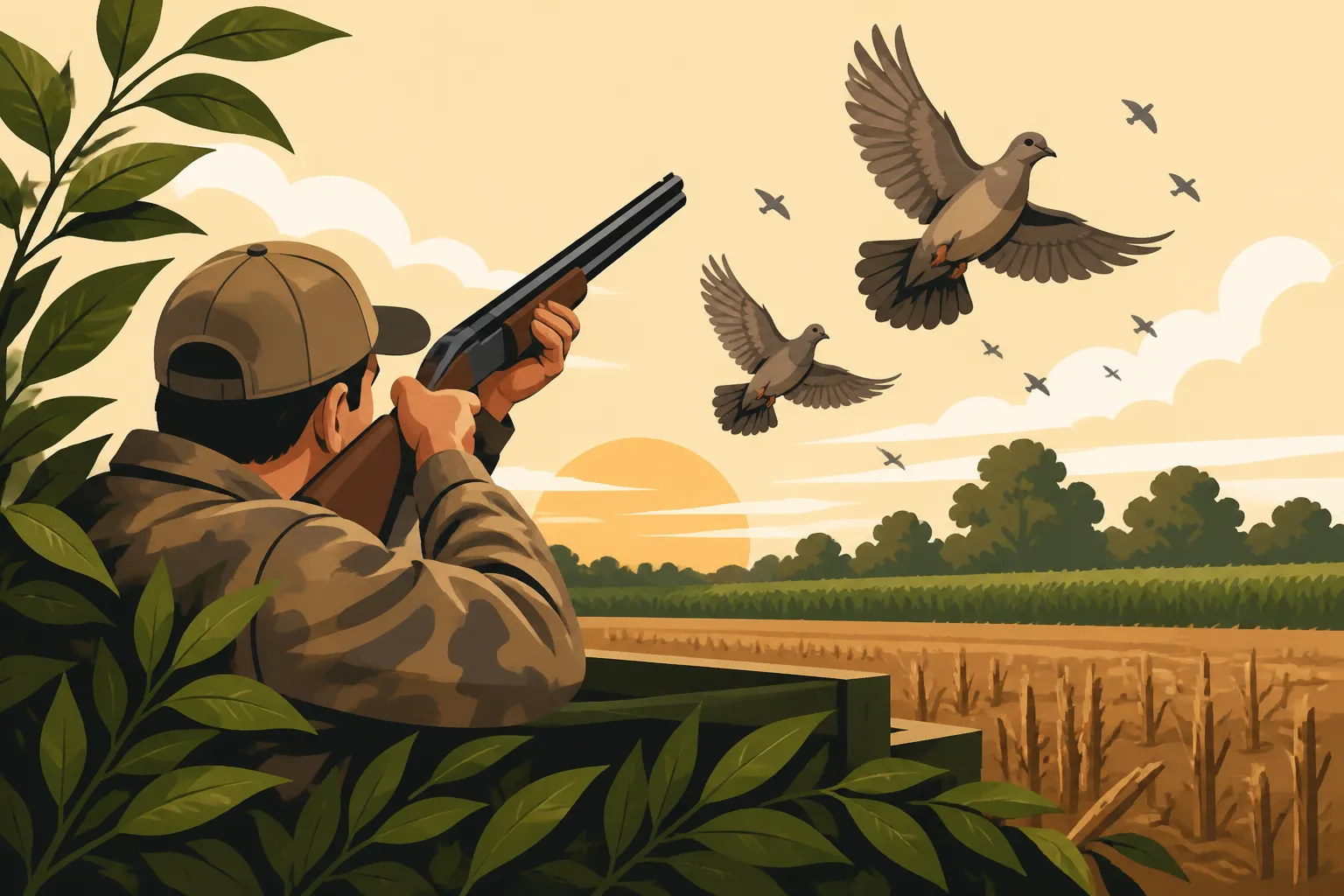
Opening day of dove season in Mississippi is a tradition for so many of us, but let's be real, it can also be a chaotic whirlwind of missed shots, crowded fields, and birds that seem to vanish right when you thought you had them patterned. This isn't just about showing up with a shotgun; it's about understanding dove behavior under pressure, strategic setup, and knowing how to adapt. This guide will walk you through the nitty-gritty of maximizing your success and enjoyment when working a dove field on opening day.
Understanding Opening Day Pressure and Dove Behavior
There's nothing quite like the excitement of the first Saturday in September when dove season kicks off across Mississippi. You've got your shells loaded, your cooler packed, and that eager anticipation buzzing in the air. But what often follows that initial rush of birds is a stark reality: crowded fields and highly pressured doves that learn faster than you'd think. It's crucial to understand these dynamics to truly have a successful hunt.
The Reality of Crowds and Competition
Picture this: you pull up to your favorite public dove field, or even a leased private spot, and cars are already lined up down the road. Shotgun blasts are echoing long before legal shooting hours, and you can see hunters dotted around the perimeter like scarecrows. This isn't an exaggeration; it's the norm for Mississippi Dove Season Opening Weekend. Everyone wants a piece of that early-season action, and that means you're sharing the airspace, and the doves, with a lot of other folks. The frustration can be immense when you spend all morning watching birds flare from other hunters, or worse, have a prime flight path get cut off by someone who set up just a little too close.
This competition means a few things for your strategy. First, early arrival is paramount if you're on public land or a popular private field. You want to stake out a spot that offers a clear shot at potential flight lines, or access to key features doves will be drawn to. Second, patience is a virtue. While the initial flurry might be intense, the birds often become educated quickly. You can't just expect them to fly right into your lap all day long. Finally, remember that every hunter is also a source of disturbance, pushing birds around. Understanding where these birds might be pushed to can be a game-changer.
How Doves React to Heavy Pressure
Doves are smart, and they learn quickly. What seems like an endless stream of birds at 8 AM can turn into a ghost town by 10 AM, not because all the doves are gone, but because they've changed their patterns. When shot at repeatedly, doves will start to fly higher, wider, and skirt the edges of the field, avoiding the areas where most hunters are concentrated. They'll also become more wary of decoys that aren't perfectly placed or blinds that aren't well concealed.
Think about it from their perspective: one minute they're happily feeding on seeds, the next, a cacophony of booms erupts, and their buddies are falling out of the sky. They're going to adjust. They might switch their approach routes to the field, opting for a less direct line over a treeline or a low dip in the terrain. They might also choose to feed in adjacent fields or areas that haven't seen as much hunting pressure. Understanding this behavioral shift is key to adapting your tactics. You're not just hunting doves; you're hunting pressured doves, which is a very different game.
Scouting the Field Before the Shotgun Blast
You wouldn't head into deer woods without scouting, and dove hunting is no different, especially on opening day. The biggest mistake you can make is showing up cold. Doves are creatures of habit, and even under pressure, they'll stick to certain flight paths between their roosting, feeding, and watering areas. Before opening day, take some time to observe the field. Use an app like GoHunt to mark potential hot spots on an aerial map. Where are the birds entering and exiting the field? Are there specific power lines they perch on? Do they prefer a particular corner of the field, or a certain type of food source? Are they hitting a specific pond or creek for water mid-morning?
Look for "sign": droppings on fences, power lines, or bare patches of ground. Pay attention to wind direction, as doves often fly into the wind when approaching a field. If you can't scout the exact field, try to scout similar habitat nearby to get a feel for the local dove patterns. This reconnaissance gives you a massive advantage when it comes to selecting your exact setup location, knowing that the birds might alter their flight but still adhere to general travel corridors. A good scouting trip, even just the afternoon before, can reveal those subtle nuances that make all the difference.
Strategic Setup for Success
Once you've done your homework and understand the battlefield, it's time to set up your ambush. This isn't just about picking any spot; it's about choosing the right location, presenting an irresistible invitation to incoming birds, and making yourself invisible. A well-thought-out setup can turn a frustrating day into a memorable one.
Key Positions: Field Edges, Water Sources, and Travel Corridors
The number one rule for dove hunting is to be where the doves want to be. On opening day, especially in a popular spot, this means identifying the choke points and preferred routes.
- Field Edges and Corners: Doves often hug treelines or the edges of fields, especially when flying in from roosts or to adjacent feeding areas. A corner where two treelines meet can act as a natural funnel, giving you a better chance at consistent shooting. Look for areas where the field crops change, creating a natural break or edge that doves might follow.
- Water Sources: Doves need water, especially during hot September days. Ponds, creeks, or even muddy puddles can be absolute magnets, particularly during mid-morning and late afternoon. Setting up near a water source, especially one with open, bare ground around it, can offer fantastic pass-shooting opportunities. You can learn more about Pass-Shooting Doves Over a Water Hole specifically if this is a tactic you plan to use.
- Travel Corridors: This refers to the invisible highways doves use. Power lines, isolated trees, fence lines, and even changes in topography like small dips or rises can serve as these corridors. Doves will often use these features as guides. Identifying where multiple corridors converge or where a corridor narrows can provide strategic advantage. Sometimes, a single tall dead tree can be a natural "landing strip" for doves before they drop into a field. Using your GoHunt app to study the topography and features around the field can highlight these subtle travel corridors.
Don't just pick a spot based on where you think looks good. Think like a dove: where would you feel safest flying in, landing, and getting a quick drink or bite to eat?
Decoy Spreads and Motion Devices
Decoys are your silent partners in a dove field, but they need to be used wisely. On opening day, with lots of natural birds flying, some hunters skip them, but I find they still add an undeniable draw, especially for those wary, high-flying birds.
- Static Decoys: These are your bread and butter. Place them in clusters of 3-5, spaced a few feet apart, mimicking doves feeding or resting. Position them facing into the wind, as that's how real birds land. Don't be shy; a dozen or more static decoys can really create a visible "spread" that catches the eye of passing birds. If you're near a treeline or fence, place some on elevated perches to simulate lookout birds.
- Motion Decoys: A rotating wing dove decoy, often called a "mojo" or similar brand, can be incredibly effective. The flashing wings mimic a landing bird, acting as a visual beacon. Place it slightly upwind of your static spread, about 10-20 yards out, so incoming birds see it, circle, and commit to your spread. However, be aware that heavily pressured birds can become "mojo shy." If you notice birds flaring from your motion decoy, try turning it off for a while or moving it further from your static spread. Sometimes, less is more, but on opening day, that initial flash can be a huge attractor.
- Decoy Placement: The goal is to draw birds in for a comfortable shot. Generally, you want them to finish their flight around 20-30 yards from your position. Consider how the wind will affect their approach and adjust your decoy spread to force them into that sweet spot. Remember, the sun can also affect decoy visibility; try to place them where they'll be well-lit, but not directly in your eyes when shooting.
Blinds and Concealment
Doves have incredible eyesight, and they'll spot you a mile away if you're not concealed. Don't underestimate this. Standing out in the open, even in camo, is usually a recipe for frustration.
- Natural Cover: The best blind is often no blind at all, but rather using existing natural cover. A thick fencerow, a patch of standing weeds, the edge of a timber block, or even a small clump of saplings can provide excellent concealment. Position yourself so you have a clear shooting lane but are broken up from the birds' line of sight. Make sure there's cover behind you to prevent silhouetting.
- Portable Blinds: If natural cover is sparse, a simple pop-up ground blind or a camouflage net draped over some stakes can work wonders. Ensure the blind blends in with its surroundings. Avoid bright colors or unnatural shapes. If you use a ground blind, make sure it's brushed in thoroughly with local vegetation. You don't want it to look like a giant box in the middle of a field. Even a simple camo umbrella can break up your silhouette effectively.
- Sitting Still: This is perhaps the most important aspect of concealment. Even in the best blind, fidgeting, talking, or sudden movements will spook incoming birds. When doves are approaching, freeze. Wait until they're committed to the decoys or directly in your shooting lane before rising or swinging your gun. On Hunting Pressure on Mississippi Public Land, doves are extra sensitive, so stillness is paramount.
Mastering the Shot and Retrieval
You've done the scouting, found the perfect spot, and set your decoys. Now it's time for the moment of truth: the shot. Doves are notoriously fast and erratic flyers, making them a challenging target. But beyond pulling the trigger, there's the critical step of retrieving your downed birds, especially in a chaotic opening day environment.
Shot Selection and Ammunition Choices
Let's talk guns and shells. For dove hunting, a 12-gauge or 20-gauge shotgun is most common, with the 20-gauge being a lighter, more agile option often favored by younger hunters or those who prefer less recoil. Some folks even opt for a 28-gauge or .410, but these require more precise shooting.
- Shot Size: For doves, smaller shot sizes are generally preferred. #7.5, #8, or even #9 shot are common. These smaller pellets create a denser pattern, increasing your chances of hitting the fast-moving bird. A typical load for doves might be 1 1/8 oz of #7.5 or #8 shot in a 12-gauge, or 7/8 oz of #8 in a 20-gauge. There's really no need for heavy waterfowl loads when pursuing doves.
- Choke Selection: An Improved Cylinder (IC) or Modified (MOD) choke is usually ideal. IC is great for closer shots over decoys, while MOD offers a slightly tighter pattern for longer passing shots. A Full choke is generally too tight for doves, leading to blown-up birds at close range and making it harder to hit them cleanly.
- Practice, Practice, Practice: Doves are not like clay pigeons. They zig, they zag, and they dive. The best way to improve your hit ratio is to practice your wingshooting. Skeet or sporting clays can mimic dove flight patterns much better than trap shooting. Focus on a smooth swing, good lead, and follow-through.
Here’s a quick overview of common choices:
| Shotgun Gauge | Recommended Shot Size | Typical Shot Weight (oz) | Ideal Choke(s) |
|---|---|---|---|
| 12 Gauge | #7.5, #8, #9 | 1 to 1 1/8 | Improved Cylinder, Modified |
| 20 Gauge | #7.5, #8, #9 | 3/4 to 7/8 | Improved Cylinder, Modified |
| 28 Gauge | #8, #9 | 3/4 | Improved Cylinder, Modified |
| .410 Bore | #8, #9 | 1/2 to 11/16 | Modified, Full |
The Importance of a Good Dog or Marking System
Missing a dove is one thing; losing a downed dove is another, and it’s a big problem on opening day. Losing birds is not only wasteful but also disrespectful to the resource and your fellow hunters. A good retriever is an absolute game-changer in a dove field. Labs, Chessies, Goldens, and other retrieving breeds excel at this. They can quickly find birds in thick cover that you might walk past a dozen times.
If you don't have a dog, you need a meticulous marking system:
- Spot the Fall: As soon as you shoot, keep your eyes on the bird until it hits the ground. Don't look away, even if another bird is flying.
- Pick a Landmark: Immediately identify a landmark where the bird fell – a specific bush, a fence post, a clod of dirt, a broken stalk. Use an app like GoHunt to drop a pin.
- Walk a Straight Line: Walk directly to that landmark. Resist the urge to scan left and right as you walk; just go straight.
- Grid Search: Once at your landmark, begin a systematic grid search in ever-widening circles or lines. Doves are small and can be incredibly camouflaged in stubble or weeds.
Don't wait to pick up birds. The longer you wait, the harder they are to find, and on a crowded field, other hunters might inadvertently walk over your downed bird. Plus, warm Mississippi weather means you want to get birds into a cooler as soon as possible.
Staying Safe and Courteous in a Crowded Field
Opening day crowds mean safety and etiquette are more important than ever. This isn't just about following the rules; it's about mutual respect.
- Zone of Fire: Always be aware of your safe zone of fire. Never swing on a bird if it means pointing your muzzle toward another hunter, a dog, or a vehicle. The bird isn't worth it. Communicate with nearby hunters about your respective zones.
- Picking Your Spot: Don't crowd other hunters. Give everyone ample space. If someone is already set up in a prime spot you scouted, find an alternative. There are plenty of birds to go around. A good rule of thumb is at least 50-75 yards between hunting parties, more if possible.
- Call Your Birds: A simple "Bird!" or "Incoming!" can alert others and help coordinate shots, reducing confusion and potential unsafe situations.
- Noise and Disturbance: Keep loud talking, yelling, and unnecessary movement to a minimum. Remember how quickly doves become pressured. Constant noise and movement not only annoy other hunters but also contribute to making the birds shy.
- Cleaning Up: Pack out all your spent shells, trash, and anything else you brought in. Leave the field cleaner than you found it. This helps ensure continued access to hunting spots.
Remember, everyone is out there to have a good time. A little courtesy goes a long way in making opening day enjoyable for all. You can review Mississippi Hunter Education Requirements for more details on general hunting safety.
Adapting to Mid-Day Lulls and Changing Conditions
Opening day isn't typically a constant barrage of birds from dawn till dusk. There are usually peak flights, then a lull, and then another push of birds later in the day. Understanding and adapting to these patterns, as well as external factors like weather, is crucial for continued success.
The Afternoon Shift: Food, Water, and Roosting
Doves have a daily routine. They'll typically fly out from their roosts early in the morning to feed, hitting fields vigorously. As the morning progresses and temperatures rise, they'll often seek out water sources before finding shady spots to rest and digest. Then, in the late afternoon, as temperatures cool, they’ll embark on another feeding foray before heading back to roosts.
- Morning Peaks: Often, the first hour or two after legal shooting light sees the most intense action. Birds are fresh from the roost and eager to hit feeding areas.
- Mid-Day Lull: From late morning until mid-afternoon, things can get really slow. Birds are watering and resting. This is a great time to take a break, grab some lunch, gather your downed birds, or even scout another part of the field. Don't just sit there getting frustrated; use the lull constructively.
- Afternoon Push: As shadows lengthen and the heat of the day subsides, doves start moving again, often hitting feeding fields one last time before heading to their night roosts. This second wave can be as productive, if not more so, than the morning flight. This is often the time when you might try Hunting a Standing Cornfield in Farm Country if there are suitable fields nearby.
Adjusting your focus from feeding fields to water sources during the mid-day lull, or looking for flight paths leading to roosting areas in the late afternoon, can turn a slow period into productive hunting.
Relocating for Second-Wave Action
One of the biggest mistakes hunters make on opening day is staying put in a spot that has gone cold. If the birds have stopped flying your way, or are flying too high and wide, it's time to move. Doves are mobile, and you should be too.
- Observe and React: Pay attention to where the birds are flying, even if it's not over your spread. Are they concentrated on another part of the field? Are they consistently using a different treeline? Is there a pond that seems to be attracting all the action?
- Move to the Movement: If you see a consistent flight pattern developing elsewhere, carefully pack up and relocate. Even a move of a few hundred yards can make a huge difference. Sometimes, simply moving from the middle of a field to a corner, or vice versa, can put you under a new flight path.
- Secondary Fields: If the primary field is completely shot out or pressured beyond belief, consider if there are any adjacent, less-pressured fields that doves might be moving to. A little extra walking or driving can pay off significantly, especially if you used your GoHunt app to identify potential alternatives during your scouting phase.
Relocating doesn't mean giving up on your original spot; it means adapting to the birds' changing behavior. Flexibility is a virtue in dove hunting.
Weather's Impact on Dove Flight
Weather plays a huge role in dove activity, and Mississippi's early September weather can be anything from blistering hot and humid to a sudden cool front or a passing thunderstorm.
- Heat and Humidity: Hot, still days often mean birds will water more frequently and may have shorter feeding flights during peak heat. Early mornings and late evenings will be most active.
- Cold Fronts: A sudden cold front can sometimes trigger a strong migration push, bringing in fresh birds. However, it can also make birds act more erratically or fly higher.
- Wind: Wind direction and intensity significantly affect dove flight. Doves typically fly into the wind when landing or approaching a field. A strong, steady wind can push birds lower, making for easier shots, or channel them along protected routes. Light, variable winds can make their flight patterns more unpredictable.
- Rain: Doves generally don't fly much in heavy rain. A light drizzle might keep them moving, but a downpour usually sends them to cover. However, immediately after a rain shower, especially if it cools things down, doves can become very active as they seek food and water. This is also a good time to reconsider Hunting Deer After a Cold Front or Warm-Weather Sitting Strategy in Mississippi for deer, as cooler temperatures impact all wildlife movement.
Always check the forecast before you head out, and be prepared to adjust your gear and strategy accordingly. A sudden pop-up thunderstorm can send everyone scrambling, so having rain gear and a plan for shelter is smart.
Post-Hunt Logistics and Regulations
So, you've had a fantastic opening day, perhaps limited out, or at least had plenty of shooting. The hunt isn't over when the shooting stops. There are still crucial steps to ensure you comply with regulations, preserve your harvest, and maintain access to hunting grounds.
Bag Limits and Legal Requirements
First and foremost, know your limits. For mourning doves, Mississippi typically has a daily bag limit of 15 birds, with a possession limit of 45. This means you can't have more than 45 doves in your possession at home, even if you hunted for multiple days. Always double-check the current year's Mississippi Dove Season Bag Limit as regulations can change.
- HIP Certification: If you're hunting migratory birds like doves, you must have a Harvest Information Program (HIP) certification, which you get when you purchase your license. This is a federal requirement that helps wildlife agencies track migratory bird harvests. It's usually a quick question at the license vendor or online. You can find more details under Mississippi HIP Certification for Bird Hunters.
- Legal Shooting Hours: Remember that shooting hours are typically one-half hour before sunrise to sunset. Do not shoot before or after these times. Enforcement is vigilant, especially on opening day.
- License and Permits: Ensure you have your valid Mississippi hunting license and any required permits. Non-residents will need a nonresident hunting license. Carrying your proof of license, whether physical or on your phone, is essential.
Failing to comply with these regulations can lead to fines, loss of hunting privileges, and even confiscation of your gear. It's simply not worth the risk.
Field Dressing and Storage
Once your birds are on the ground and retrieved, prompt field dressing is critical, especially in Mississippi's warm climate. Doves spoil quickly if not handled properly.
- Cooler is Key: Bring a cooler with plenty of ice. As soon as you retrieve a bird, get it into the cooler.
- Field Dressing: Most hunters breast out doves in the field. This involves plucking the breast feathers, making an incision, and removing the breast meat. You can also pluck the entire bird if you want to cook it whole.
- Keep a Wing: A common regulation, especially when hunting migratory birds, is to leave one fully feathered wing attached to the bird while in the field and during transport from the field. This allows game wardens to identify the species and ensure compliance with bag limits. Check current regulations for Mississippi, but it's a good practice to follow.
- Storage at Home: Once home, rinse the breast meat thoroughly, pat it dry, and then either refrigerate it (for immediate use) or freeze it. Vacuum sealing is an excellent way to prevent freezer burn and keep the meat fresh for longer. Doves are delicious and versatile, perfect for grilling, frying, or making delicious poppers!
Respecting the Land and Your Fellow Hunters
The future of hunting access depends heavily on how we conduct ourselves. This means showing respect for the land, landowners, and other hunters.
- Trash No-Go: Absolutely no littering. Spent shotgun hulls, empty water bottles, snack wrappers – everything comes out with you. This is non-negotiable. Landowners are far more likely to grant access or renew leases if their property is left pristine.
- Damage Control: Be mindful of crops, fences, and equipment. Don't drive off-road unless explicitly permitted. Don't cut fences. Don't damage irrigation systems.
- Public vs. Private: If you're hunting public land, remember that it's a shared resource. If you're on private land, ensure you have explicit Do You Need Written Permission in Mississippi? from the landowner. A simple verbal agreement might suffice, but written permission is always safer. Build positive relationships with landowners; they are the gatekeepers to some of the best hunting experiences.
- Educate Newcomers: If you see someone new to dove hunting, especially a youth hunter, take a moment to share some knowledge, point out a safety rule, or offer a tip. Mentoring new hunters is vital for the future of our sport. You might want to consider the Mississippi Apprentice Hunter License Rules for youth.
By following these post-hunt logistics and regulations, you're not just being a responsible hunter; you're ensuring that the tradition of opening day dove hunting continues for generations to come.
Disclaimer
Please note: Hunting regulations and seasons can change. Always consult the official Mississippi Department of Wildlife, Fisheries, and Parks (MDWFP) website or current hunting digest for the most up-to-date and accurate information before planning your hunt. This guide is for informational purposes only and does not supersede state or federal hunting laws.