Hunting the Second Dove Split in October
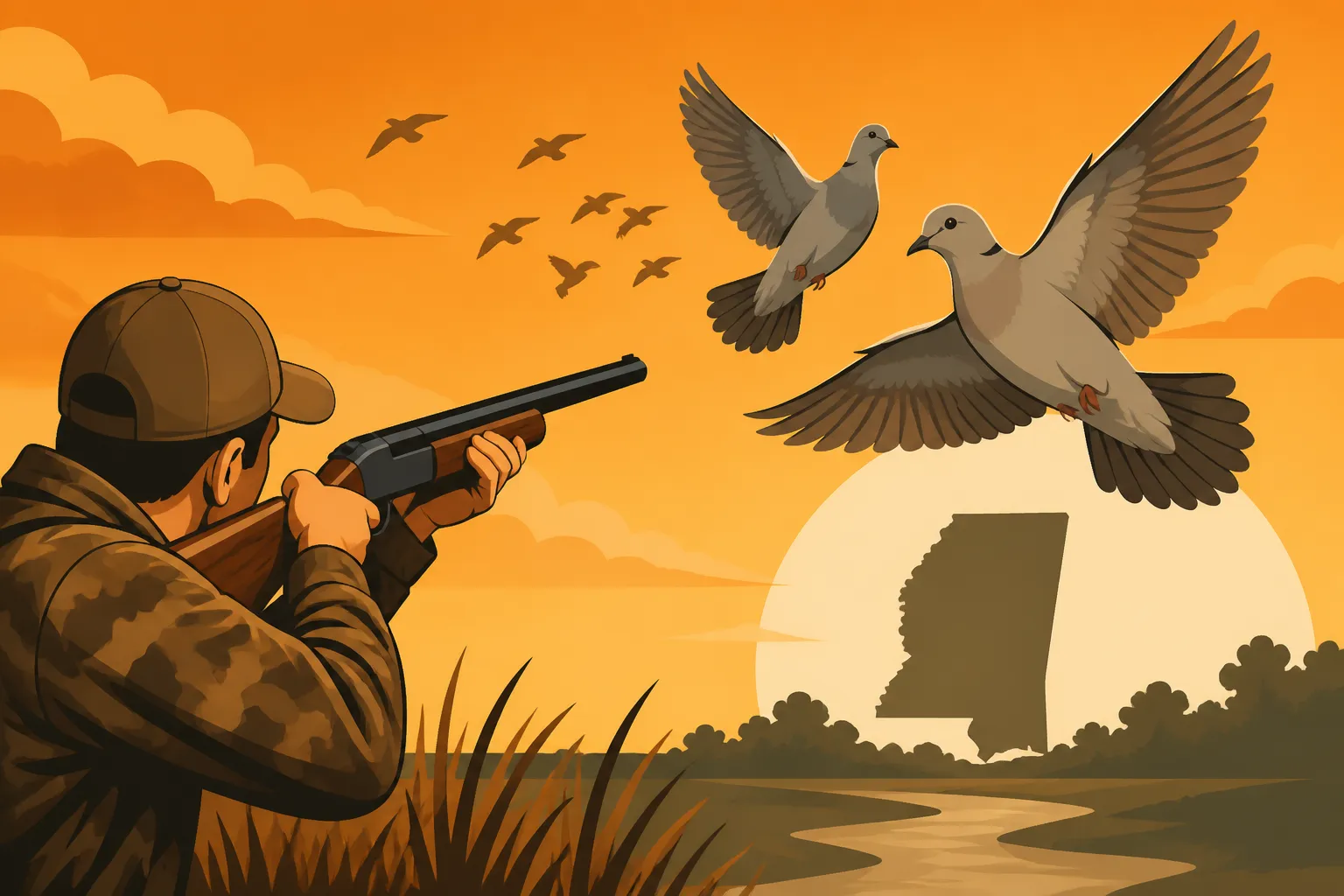
That initial rush of opening day, the camaraderie, the sheer volume of birds – it's something special, isn't it? But then it ends, and for many, that’s the end of their dove hunting season. What a shame, because if you're overlooking Mississippi's second dove split in October, you're missing out on some incredibly rewarding, albeit different, hunting opportunities. This guide will walk you through everything you need to know to make the most of that often-underestimated later season.
Understanding Mississippi's Dove Season Structure
Mississippi’s dove season isn’t just one long stretch; it’s broken into distinct "splits," and each one offers a unique set of challenges and experiences. The Mississippi Department of Wildlife, Fisheries, and Parks (MDWFP) structures these seasons to align with dove migration patterns and local populations.
The Splits and Why They Exist
These breaks aren't just arbitrary; they're a carefully considered management strategy. The first split, often kicking off in early September, aims to capitalize on the peak local bird populations before significant migration begins. It’s when you see those massive flocks of resident birds. Then there's a break, typically in late September, which allows the birds a breather from hunting pressure and often coincides with the arrival of cooler weather and the beginning of more significant migratory movements.
The second split, which usually opens sometime in October, is strategically placed to intercept those migrating doves moving south through the state. These aren't always the same birds you saw buzzing around a few weeks prior. They're often "new" birds, pushed down from northern states by dropping temperatures. This staggered approach ensures sustainable harvests while providing hunters multiple opportunities throughout the fall. It's a smart way to manage the resource, even if it sometimes feels like the season is over just as you're hitting your stride.
October's Unique Challenges and Opportunities
Hunting doves in October is a different ball game compared to the chaos of opening day. The weather has usually started to cool, though Mississippi can still surprise you with a warm spell. The biggest difference, though, is the birds themselves. Those early-season resident doves that were relatively easy to decoy and pattern have either been harvested, moved on, or become incredibly educated. The doves you encounter in October are often migrating birds, which means their patterns can be less predictable but also potentially offer a fresh wave of targets.
Challenges:
- Warier Birds: These doves have likely been shot at before, making them much more cautious. They'll flare at perceived threats more readily and often fly higher.
- Scattered Food Sources: Many of the prime early-season food plots like sunflowers or millet might be picked clean, or farm fields could be completely harvested and disced under. This means doves are more spread out.
- Less Hunting Pressure (sometimes): While less competition can be an opportunity, it also means fewer hunters are "working" the birds, which can sometimes concentrate them.
Opportunities:
- Fewer Crowds: You're much less likely to deal with the shoulder-to-shoulder crowds of Mississippi Dove Season Opening Weekend. This can lead to a more relaxed hunt and safer shooting lanes.
- Migratory Birds: The influx of new birds can sometimes provide phenomenal shooting if you're in the right place at the right time. These birds haven't seen your specific field or waterhole before.
- Combination Hunts: October can also be a prime time for other small game like squirrels or rabbits, allowing you to diversify your hunting day. Check out Squirrel and Small Game Hunting in Mississippi for more info on that!
Locating Doves in October
Finding doves in October requires a bit more savvy than simply showing up at the traditional opening-day honey hole. The landscape changes, and so do the birds' needs.
Post-Harvest Fields and Food Sources
By October, many of Mississippi's agricultural fields have been harvested. The vast seas of standing corn and soybeans that provided cover and food in September are often gone. However, don't despair! Doves are opportunistic feeders, and they'll quickly home in on what's available.
- Waste Grain: Fields that have been harvested, particularly corn and soybeans, will often have significant amounts of waste grain left on the ground. A good rain can sprout some of this, making it even more attractive. Doves will spend considerable time picking through these fields.
- Native Weeds: Don't underestimate natural food sources. Ragweed, pokeberry, and various grass seeds are often abundant in fallow fields, field edges, and clear-cuts. These are consistent food sources that don't rely on farmer schedules.
- Planted Food Plots: If a landowner planted specific dove fields, check if they've had a second planting or if there's still accessible seed. Fields planted with wheat or oats in late summer for deer or turkey can also attract doves if they're well-established and offering seed. Remember to always be mindful of Mississippi Dove Field Baiting Rules and ensure any fields you hunt are legally prepared.
When scouting, look for active feeding. Birds will often land on power lines or dead snags along field edges before dropping down to feed. Scan these perches for signs of regular use. A good pair of binoculars and a scouting app like GoHunt can be invaluable here. Use satellite imagery to identify different crop types and then hit the ground to see what's actually been harvested.
Water Sources and Roosting Areas
As the season progresses, and even with cooler temperatures, water remains a critical factor for doves. They need to drink multiple times a day.
- Ponds and Sloughs: Look for small ponds, stock tanks, or even shallow areas in sloughs and creeks that offer open access. Doves prefer clear, exposed edges where they can land and drink without feeling vulnerable. Muddy banks are fine, but heavy vegetation right up to the water's edge will deter them.
- Isolated Puddles: After a rain, temporary puddles in field roads or low spots can become prime watering holes, especially if larger bodies of water are far away or heavily pressured. These can be incredible spots for Pass-Shooting Doves Over a Water Hole.
- Roosting Trees: Doves typically roost in dense stands of pines, cedars, or other conifers. These offer thermal cover and protection from predators. By late afternoon, doves will start moving from their feeding and watering areas towards these roosts. Identifying these flight paths is key to setting up for an evening shoot. Look for areas with dense cover, especially near open fields. A good hunting app can help you pinpoint these thicker blocks of timber.
It's all about putting the puzzle pieces together: food, water, and roosting cover. The birds will move between these three essentials throughout the day. Your job is to intercept them.
October Dove Hunting Tactics
Hunting educated, migratory doves requires a more refined approach than the run-and-gun excitement of opening weekend.
Decoy Strategies and Blind Selection
Those big, sprawling spreads of Mojo doves that worked wonders on day one might be overkill for October birds, or worse, they might spook them.
- Less is More with Decoys: Consider a smaller, more natural spread. Three to five stationary decoys placed on the ground in an open spot, perhaps near a suspected feeding lane or watering hole, can be very effective. Sometimes, just a single spinning wing decoy (like a Mojo) is enough to grab their attention, especially if it's placed high on a pole or a prominent branch to simulate a landing bird. The key is subtlety. These birds have seen it all.
- Natural Blinds are Your Friend: October foliage can be thinner, making concealment even more crucial. Instead of a pop-up blind in the middle of a field, look for natural cover. A hedgerow, a brush pile, the edge of a standing corn strip, or a clump of cedars can provide excellent concealment. If you're using a layout blind, make sure it's brushed in thoroughly. Doves have incredible eyesight, and they will absolutely flare if they spot you.
- Sun and Wind: Always try to position yourself with the sun at your back, making it harder for incoming birds to spot you. Doves also prefer to land and take off into the wind, so understanding the prevailing wind direction can help you predict their approach.
Remember, the goal isn't to draw them right into your lap; it's to get them within effective shooting range without them knowing you're there.
Shotgun and Ammunition Choices
Your gear choices might also need a slight adjustment for these warier, potentially higher-flying birds.
- Gauge and Choke: While a 20-gauge is perfectly adequate, many hunters opt for a 12-gauge in October for the increased payload and flexibility it offers. A modified or even a full choke can be beneficial for those longer shots on higher-flying birds. Don't be afraid to experiment with tighter chokes than you might use on opening day.
- Shot Size: Stick with 7 ½ or 8 shot. These sizes offer a good pattern density for doves. Some hunters might consider 7 shot for longer range, but pattern density is often more important for small birds like doves.
- Ammunition Quality: Since shot opportunities might be fewer, make each one count. Using high-quality ammunition with consistent patterns can make a difference. Buy a few boxes and pattern your shotgun at 30-40 yards to see what combination of choke and shot size works best.
Always carry plenty of shells. Even with fewer birds, you might still go through a good amount if the flight is on, and you don't want to run out when the action heats up. Don't forget that if you're hunting small game like doves, you'll need your Mississippi HIP Certification for Bird Hunters.
Navigating Regulations and Ethical Considerations
Even during the second split, all hunters must adhere to the rules set forth by the MDWFP. Ignorance of the law is no excuse, and respecting regulations ensures the future of our hunting heritage.
Bag Limits and Reporting
The daily bag limit for doves in Mississippi remains consistent across all splits. For mourning and white-winged doves, it's typically 15 birds per day, with a possession limit of 45. It's easy to get excited when the birds are flying, but it's crucial to keep an accurate count. Exceeding your Mississippi Dove Season Bag Limit is a serious offense.
While specific reporting requirements for doves are usually limited to the HIP certification (Harvest Information Program), it's always a good practice to stay informed. Many states encourage voluntary harvest reporting, which helps biologists gather critical data for population management. Always check the current MDWFP hunting guide for any updates or changes before heading afield.
Respecting Landowners and Fellow Hunters
Because October hunts often involve smaller groups or even solo outings, the issue of hunting pressure might be less intense than opening day. However, respecting those around you, whether they are fellow hunters or private landowners, is paramount.
- Private Land Etiquette: If you're lucky enough to have private land access, ensure you have explicit permission. A simple text or call can go a long way in maintaining a good relationship with a landowner. Remember, they are doing you a favor. Consider bringing a small token of appreciation, especially if you harvest birds. For advice on getting access, see Hunting Small Private Tracts in Mississippi.
- Public Land Courtesy: If you're on public land, be aware of other hunters. Give them ample space and avoid setting up too close to an active shoot. Communication is key; a friendly wave or quick chat can prevent conflicts. Also, follow all public land rules regarding vehicle access, scouting, and blind construction. A resource like GoHunt can help you identify public boundaries and plan your approach while minimizing impact on others.
- Safety First: Always identify your target and what's beyond it. Ensure safe shooting lanes and be mindful of other hunters, structures, or livestock. Wear hunter orange when required, or if you feel it enhances safety, even when not mandated, especially if other game seasons (like archery deer) are open simultaneously.
The second dove split in October is a fantastic opportunity to extend your season and enjoy a more serene hunting experience. It demands a bit more scouting, a touch more patience, and a smarter approach, but the rewards—a cooler day afield, fewer crowds, and the challenge of warier birds—are absolutely worth it. So, grab your shotgun, pack your shells, and head back out there. You might just find your new favorite way to hunt doves.
Disclaimer
Please remember that hunting regulations can change. Always consult the most current Mississippi Department of Wildlife, Fisheries, and Parks (MDWFP) official hunting guide and local ordinances before engaging in any hunting activities. This article is for informational purposes only and should not be considered legal advice.