Hunting the Extended Final Weekend
The final days of hunting season can feel like a real punch to the gut, can't they? All those early mornings and late evenings, the scouting, the anticipation – suddenly, it’s all drawing to a close. But for many of us in Mississippi, there's often an "extended final weekend" or a unique late-season window that offers one last, incredible chance to fill a tag or just soak in the woods. This guide is all about helping you understand those last opportunities, how to approach them strategically, and ultimately, make the most of those precious final moments.
Understanding Mississippi's Late Season Calendar
Navigating Mississippi's deer season calendar can sometimes feel like trying to untangle a bowl of spaghetti. With different management units and varying season structures, knowing exactly when your last opportunity truly is can be confusing. However, understanding these nuances is critical to maximizing your chances during the final push.
Deciphering Unit-Specific End Dates
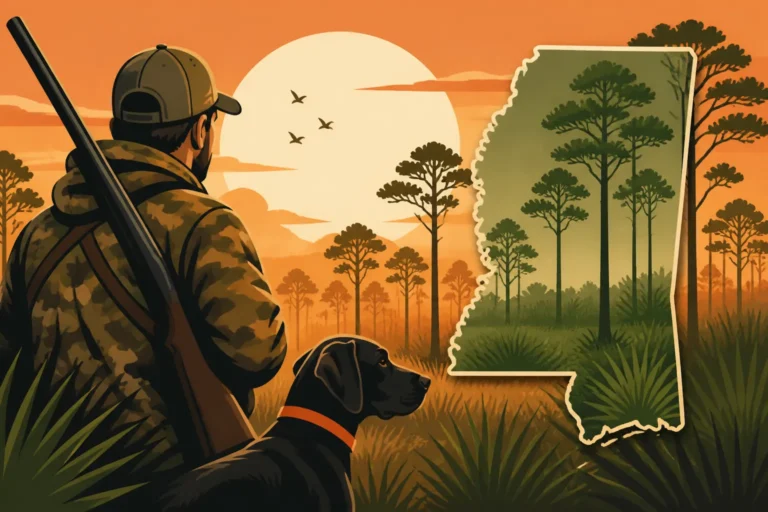
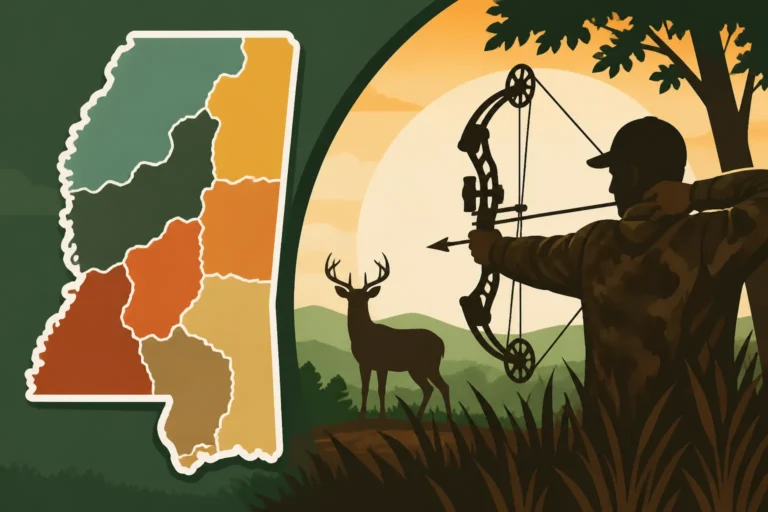
Mississippi is divided into four main deer management units: Delta, Hills, Southeast, and North Central. Each of these units operates under slightly different regulations and, critically, different season end dates. What might be the final weekend in the Delta Unit could still be prime time in the Southeast for certain weapon types. For example, while gun season often wraps up around mid-January across much of the state, archery seasons can sometimes stretch further. It’s absolutely essential to consult the current year's Mississippi Department of Wildlife, Fisheries, and Parks (MDWFP) hunting guide or their website for the precise dates in your specific unit and for the type of weapon you plan to use. Don't rely on memory or what was true last year; regulations can change. Being caught off guard because you thought the season was open, only to find it closed, is a truly heartbreaking way to end a season. You really need to understand Mississippi's Four Deer Management Units and their individual schedules.
The Southeast Unit's Extended Archery Window
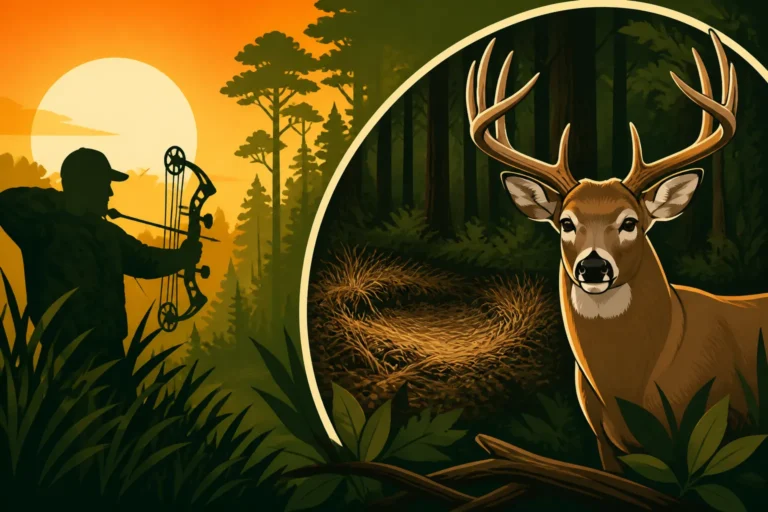
If there's one area that truly embodies the spirit of an "extended final weekend," it's often the Southeast Unit, particularly for archery hunters. This unit frequently boasts a significantly longer archery season, sometimes extending well into February. This offers a fantastic, often less-pressured, opportunity to chase whitetails when other units have long since closed. This extended period usually falls after the peak of the rut and after much of the gun season pressure has subsided, meaning deer might be settling back into more predictable patterns, albeit focused heavily on food and security. For those dedicated archers, this extra time can be gold, allowing for meticulous late-season scouting and targeting of specific deer. If you're looking for extra time in the woods, exploring Hunting the Southeast Unit's Longer Archery Run might be just what you need.
Why Every Day Counts on the Calendar
Whether it's the official last day or just one of the final few weekends, every moment in the late season truly counts. By this point, deer have been hunted for months, and they are incredibly wary. The deer that are still around, especially the mature bucks, are survivors. This means your approach has to be flawless, and you need to be prepared to spend significant time in the stand or still-hunting, even if the action is slow. It’s not just about harvesting a deer; it’s about appreciating the journey, the challenge, and the solitude of the late-season woods. Missing even one good hunting day during this critical window could mean missing your only real chance at a late-season encounter.
Navigating Pressured Deer Behavior in the Late Season
By the time the final weekend rolls around, the deer herd has usually undergone significant changes compared to the early season. They've been pushed, prodded, and picked at by hunters for months. Understanding how this pressure shapes their behavior is paramount to finding success in these waning days.
The Impact of Weeks of Hunter Pressure
Imagine being constantly pursued for months on end – that's essentially what deer experience during a long hunting season. This consistent pressure forces deer, especially mature bucks, into extremely secretive and nocturnal patterns. They become masters of evasion, utilizing the thickest cover available and often moving only under the cover of darkness. This means that during daylight hours, you're less likely to see deer casually browsing in open fields. Instead, they'll be holed up in dense swamps, clear-cuts, or briar thickets, moving only when absolutely necessary. This behavior shift means hunters need to adapt, too, focusing on those secure, out-of-the-way places. They've learned to avoid human contact, making them much tougher to pin down.
Where Deer Seek Refuge and What They Eat
With natural food sources like acorns often depleted by late winter, and fields picked clean or covered in winter crops, deer become highly focused on remaining sustenance and impenetrable cover. They will gravitate towards evergreens, thick creek bottoms, dense regenerating timber, or even small, overlooked pockets of briars and honeysuckle that offer both food and security. Think about thermal cover too; on colder days, south-facing slopes with dense pines can be a magnet for deer trying to soak up what little warmth the sun offers. As far as food, they'll key in on late-season browse, hard mast that might still be clinging to trees, or the last remnants of planted food plots like brassicas or winter wheat. Understanding Late-Season Food Sources for Mississippi Whitetails is crucial. Using mapping tools like GoHunt can really help you pinpoint these areas by identifying changes in vegetation density and terrain features that scream "security cover."
Changing Daily Patterns and Movement
The daily patterns of deer in the late season are often starkly different from those observed during the early season or even the peak of the rut. Instead of cruising for does, bucks are conserving energy and prioritizing survival. Their movement might be reduced, and when they do move, it's often directly from bedding to feeding and back, using the thickest routes possible. You'll rarely see them dawdling. They might only emerge in the last 30 minutes of legal shooting light or right at first light, making your timing and stealth absolutely critical. This is where patience truly becomes a virtue. You could be sitting for hours with no activity, only for a ghost to slip through at the very last second.
Strategic Scouting for the Last Dance
You might think it's too late to scout effectively for the final weekend, but I'm here to tell you that couldn't be further from the truth. Late-season scouting is different, more focused, and can provide invaluable insights for those last precious hours.
Fresh Sign and Overlooked Pockets
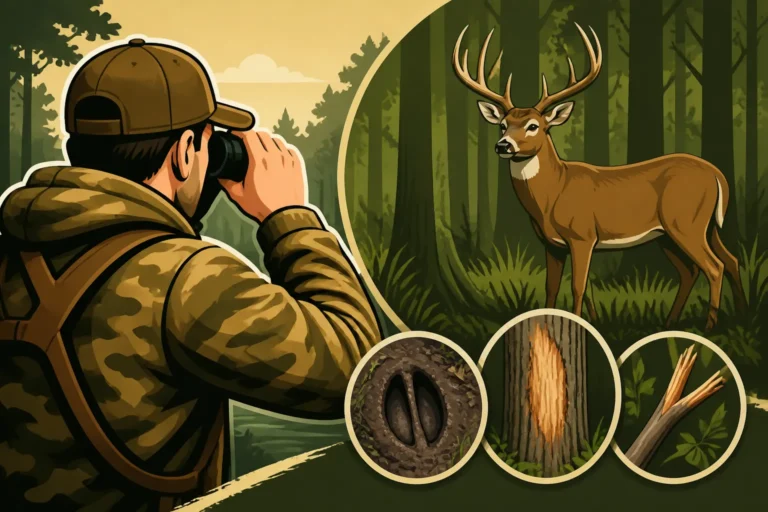
Forget about the well-worn trails and rubs from early fall; those are old news. For the extended final weekend, you need to be looking for fresh sign. This means small, barely noticeable tracks in soft dirt near dense cover, a recently nibbled browse line on a bush, or fresh droppings. These subtle clues tell you that deer are currently using an area. Pay close attention to transition areas – where a thick bedding area meets a sparse food source, or along the edges of swamps and hard-to-reach creek bottoms. Often, the best late-season spots are small, overlooked pockets of cover that other hunters have bypassed, thinking they were too small or too thick to hold deer. These are the diamonds in the rough that can produce a surprise encounter.
Leveraging Technology for Last-Minute Intel
Modern hunting technology is a game-changer for late-season scouting. Aerial imagery and topo maps are your best friends. Use apps like GoHunt to zoom in on your hunting area and identify those unpressured sanctuaries, hidden funnels between bedding and feeding, or dense cover patches that might be overlooked on the ground. Look for subtle changes in elevation, pinch points, or areas where different types of cover converge. You can often mark potential stand sites on your phone and then verify them with a quick, low-impact boots-on-the-ground visit. This minimizes disturbance and maximizes your efficiency. Reviewing historical weather patterns and using a tool like GoHunt to predict animal movement based on current conditions can give you an edge, helping you decide which stand to sit or where to still-hunt.
The Importance of a Low-Impact Approach
At this point in the season, deer are hyper-sensitive to human presence. Any heavy-handed scouting approach will likely blow them out of an area you plan to hunt. Think surgical strikes: sneak in, find what you need, and get out. Avoid making noise, leave scent trails to a minimum, and only go into areas you intend to hunt immediately. If you're on public land, which is often heavily pressured, consider scouting with binoculars from a distance, or focusing on marginal areas that might be adjacent to known bedding thickets. Remember, your goal is to gather information without alerting the deer to your presence. This might mean only scouting a few hours before an afternoon hunt, or briefly slipping in at midday when deer are typically bedded. Always think about your entry and exit routes, making them as quiet and scent-free as possible. This is particularly important if you're venturing into spots that are typically ignored by other hunters, as deer will feel extra secure there. You'll want to avoid Hunting Pressure on Mississippi Public Land by picking overlooked spots.
Effective Tactics for the Final Weekend
Success on the extended final weekend isn't about luck; it's about employing smart, disciplined tactics tailored to the challenges of late-season hunting. These deer are survivors, and your strategy needs to reflect that.
Targeting Scant Food Sources and Thick Cover
By late season, the deer's primary driver is survival, which means finding calories and staying safe. Your best bet is to key in on the remaining reliable food sources, no matter how small or meager they seem. This could be a lonely white oak still holding acorns, a patch of honeysuckle along a creek bank, a small, unpressured food plot, or even agricultural waste like standing corn or soybean stubble if you have access to private land. However, deer will not risk exposing themselves in open areas for these food sources unless absolutely necessary. Therefore, you must focus on the edges of these food sources, particularly where they meet thick cover. Think about hanging a stand right on the transition line, or still-hunting through the thickest possible cover adjacent to a known feeding area. Deer are often only moving a few yards from their bedding to grab a bite before retreating. Consider setting up a ground blind if the cover is dense enough, allowing you to move in quietly and stay concealed. If you're hunting in the Delta, Hunting Delta Unit Bottomland Deer often means keying in on these dense cover areas.
Still-Hunting and Patience in Stands
Both still-hunting and patient stand hunting have their place during the extended final weekend. Still-hunting, moving slowly and deliberately through thick cover, can be incredibly effective when deer are bedded tight. Take one step, pause, scan, listen, then repeat. Focus on micro-terrain features that might hold a bedded deer. This method allows you to cover ground and find deer in their sanctuaries, but requires immense discipline and a keen eye. On the flip side, extreme patience in a well-placed stand overlooking a crucial travel corridor or a small food source can also pay dividends. This is where you might sit for hours, fighting the cold and the urge to move, knowing that one mature buck might slip through for just a few precious minutes. The key is to commit. Don't move to a new stand every hour; pick a good spot based on your scouting and stick with it. Even in slow conditions, your presence might be what eventually bumps a deer, so staying put and being ready is vital. When it's chilly, practicing a Warm-Weather Sitting Strategy in Mississippi can actually help keep you more comfortable, despite the paradox in the title; the principles of minimizing movement and staying alert are universal.
| Tactic | Best Use Case | Pros | Cons |
|---|---|---|---|
| Stand Hunting | Overlooking critical food/cover transitions, funnels | Low impact once set, allows for patient observation | Fixed position, can get cold/boring, deer can pattern you |
| Still-Hunting | Navigating thick bedding cover, looking for sign | Covers more ground, proactive, exciting | Requires extreme stealth and discipline, high chance of bumping deer |
| Ground Blind | High-pressure areas, field edges, thick cover | Excellent concealment, warmth, can set up quickly | Limited visibility, deer can spot if not brushed in well |
The Role of Weather in Late-Season Success
Weather can be your best friend or your worst enemy during the extended final weekend. A significant cold front, especially one following a period of warmer temperatures, can ignite deer movement. They'll need to feed to maintain body temperature, pushing them out of cover even during daylight. Overcast days, light snow (rare but possible in parts of MS), or even a drizzly rain can also encourage deer movement, as these conditions often reduce hunter activity and make deer feel more secure. Conversely, bright, blue-bird days with high pressure often lead to deer remaining bedded and inactive. Always check the forecast and adjust your hunting plans accordingly. If a cold snap is coming, plan to be in your best stand. If it’s going to be unseasonably warm, you’ll need to focus even more on deep, shaded cover and short, intense hunting windows around dawn and dusk. Understanding Hunting Deer After a Cold Front can give you a significant advantage.
Gear Considerations for Cold, Hard Hunting
Late-season hunting in Mississippi can present a mixed bag of weather, from surprisingly mild days to genuinely frigid snaps. Having the right gear isn't just about comfort; it's about being effective and safe during those long, quiet hours.
Staying Warm and Comfortable
The last thing you want is to cut your hunt short because you're shivering uncontrollably. Layering is king for late-season Mississippi hunts. Start with a good moisture-wicking base layer, add insulating mid-layers like fleece or wool, and top it off with a waterproof, windproof outer shell. Hand warmers, insulated boots, and a warm hat are non-negotiable. Don't forget a thick, insulated seat cushion, especially for stand hunting. Staying warm allows you to sit longer, stay focused, and remain motionless, all critical factors for success. Consider packing an extra warm jacket in a backpack and only putting it on once you're in your stand to avoid sweating on the walk in. Sweat is the enemy of warmth!
Optics and Ethical Shot Placement
With deer often moving at first light or last light, and frequently in thick cover, quality optics are indispensable. A good pair of binoculars will help you pick apart dense cover, identify deer at a distance, and confirm antler restrictions. Your rifle scope or bow sight needs to be tuned and ready for low-light conditions. Ethical shot placement is always paramount, but it becomes even more critical in the late season when deer are tougher and recovery conditions can be challenging (e.g., cold weather stiffening a deer, dense leaf litter). Practice shooting in low light, and only take shots you are 100% confident in. If you're using a crossbow, remember to check Crossbow Rules During Mississippi Archery Season. A wounded deer in late season means a potentially much harder, colder, and longer blood trail.
Essential Accessories for a Last-Ditch Effort
Beyond your primary hunting gear, a few accessories can really make a difference. A reliable headlamp with a red light setting is crucial for navigating in the dark without spooking game. A rangefinder is always helpful, especially when judging distances in sparse late-season timber. Pack extra batteries for everything. A small first-aid kit, a knife, rope, and flagging tape for marking blood trails are also smart additions. Don't forget plenty of water and some high-energy snacks; a hungry, dehydrated hunter is a less effective hunter. Finally, a fully charged phone with mapping apps like GoHunt downloaded offline is a must, especially if you're on public land with spotty cell service. This helps you confirm your location, identify property lines, and mark any sign you find. Being prepared for any eventuality will boost your confidence and allow you to focus purely on the hunt. For those hunting public lands, remember to check the Mississippi WMA Permit Requirement.
The Mental Game and Lasting Memories
Hunting the extended final weekend can be physically demanding and often mentally draining. The deer are wary, the weather can be harsh, and the woods are quieter. This is where your attitude truly defines the experience.
Managing Expectations and Enjoying the Process
It's easy to put immense pressure on yourself during the "last chance" weekend. After all, it's your final opportunity! But I've learned that often, the best hunts happen when you release that pressure and simply enjoy being in the woods. Go into it with managed expectations. If you harvest a deer, that's fantastic, a true testament to persistence and skill. But if you don't, focus on the solitude, the crisp air, the deer you did see, even if they were out of range. The peace of the late-season forest, the chance to connect with nature, and the sheer challenge of outsmarting a wary whitetail are rewards in themselves. It’s about the entire experience, not just the punch of a tag. This is where you might reflect on Mississippi Deer Camp Traditions even if you're just out for a solo day hunt.
The Value of Every Opportunity
Every sit, every still-hunt, every quiet moment in the late season is an opportunity. An opportunity to learn, to scout, to observe, and to simply be present. These are the days that forge resilient hunters. You’ll hone your tracking skills, perfect your quiet movement, and sharpen your ability to spot subtle deer sign. Even if you don't bring home venison, the lessons learned and the memories made during these tough, final days are invaluable. They build character and expertise that will serve you well in future seasons. So, embrace the challenge, appreciate the quiet beauty of the Mississippi woods, and savor every single second of your extended final weekend. You might just find that the hunt itself, regardless of the outcome, is the greatest trophy of all.
Disclaimer
Please remember that hunting regulations, seasons, and licensing requirements can change. Always consult the latest official Mississippi Department of Wildlife, Fisheries, and Parks (MDWFP) regulations before planning any hunt. This article provides general information and recommendations but is not a substitute for official legal guidance. Hunters are responsible for knowing and abiding by all applicable laws and regulations.