Bolivar County Delta Public Ground
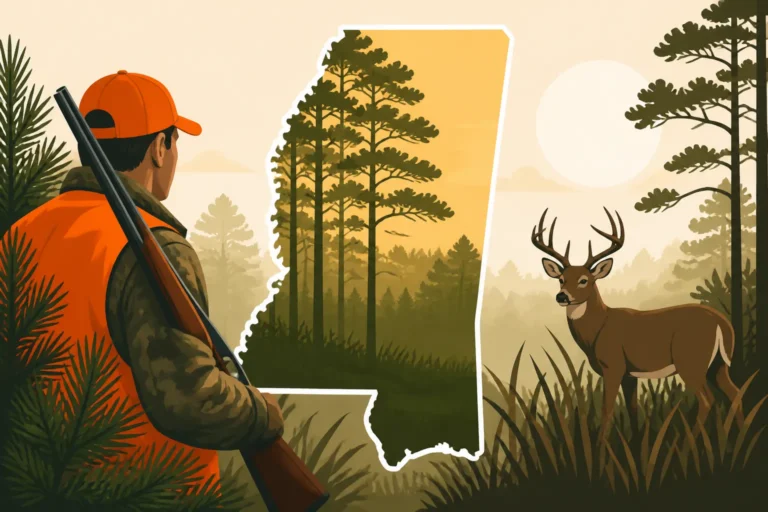
Hunting the vast bottomlands and sloughs of the Mississippi Delta can be a truly unique experience, but for many hunters, finding accessible public ground in counties like Bolivar County can feel like searching for a needle in a haystack. The Delta is renowned for its rich agricultural lands and large private timber holdings, which often leave public land users wondering where to even begin. This guide will help you pinpoint and navigate the prime public hunting opportunities available in Bolivar County and its immediate vicinity, providing practical advice to make your next Delta hunt a success.
Understanding Bolivar County's Hunting Landscape
Bolivar County, nestled deep in the heart of the Mississippi Delta, presents a landscape that is both incredibly fertile and distinctly challenging for hunters seeking public access. Dominated by row crops and expansive timber tracts, the Delta’s rich alluvial soils are legendary for growing big deer and attracting incredible numbers of wintering waterfowl. However, securing a place to hunt, especially without a private lease, requires a strategic approach.
The Allure of the Mississippi Delta for Hunters
There's a reason the Mississippi Delta draws hunters from all over. The sheer productivity of the land means game populations can thrive. For deer hunters, the nutrition from agricultural fields combined with dense cover in remaining timber blocks often translates to impressive antler growth and larger body weights. For waterfowl enthusiasts, the Delta is a critical stopover on the Mississippi Flyway, offering unparalleled duck and goose hunting opportunities when conditions are right. The network of rivers, bayous, sloughs, and flooded timber creates an ideal habitat for migratory birds. It's a land of rich traditions, where hunting camp stories are as deep as the mud after a good rain. You can learn more about the unique characteristics of this region in Delta Unit Versus Hills Unit Deer.
Public Land Opportunities within Bolivar County
While private land dominates much of Bolivar County, there are indeed significant public hunting opportunities to be found. These typically come in the form of Wildlife Management Areas (WMAs) and National Wildlife Refuges (NWRs) managed by the Mississippi Department of Wildlife, Fisheries, and Parks (MDWFP) or the U.S. Fish and Wildlife Service. These areas are specifically designated and managed to provide recreational access, including hunting. However, they often come with their own set of specific regulations, seasons, and sometimes even quota hunt requirements that differ from the statewide rules. Understanding these nuances is crucial for a successful and legal hunt.
Key Characteristics of Delta Terrain and Habitat
Hunting in Bolivar County means immersing yourself in classic Delta habitat. Think vast, flat landscapes often interrupted by meandering rivers, oxbow lakes, and cypress-tupelo sloughs. The timber here is primarily bottomland hardwoods – oak, pecan, sweetgum, and cypress – providing critical food sources and cover. Agriculture is king, so you'll often find public lands bordered by corn, soybean, or cotton fields. These edges are often prime locations for deer movement, especially at dawn and dusk. For duck hunters, flooded timber, agricultural fields, and open water impoundments are the primary draws. The mud can be legendary, often knee-deep after rain, and mosquitos can be a real nuisance even late into the season. Prepare for these conditions with appropriate gear, including chest waders and bug spray, because they are as much a part of the Delta experience as the sunrise over a flooded field. Understanding these natural features will help you with Finding Sign in Big Delta Timber or Reading Delta Mud for Fresh Deer Movement.
Navigating Bolivar County's Premier Public Hunting Areas
When you're looking for public hunting ground in Bolivar County, knowing where to focus your efforts is half the battle. While it might not be as densely forested with public access as some other parts of the state, the Delta does offer some incredible, well-managed areas.
Malmaison Wildlife Management Area: A Local Gem
Just a stone's throw from Bolivar County, primarily in the neighboring counties of Leflore and Grenada, lies Malmaison Wildlife Management Area. While not strictly within Bolivar, it's often the closest major public land destination for hunters in the county and is absolutely worth the drive. Malmaison is a sprawling WMA encompassing thousands of acres of bottomland hardwood timber, cypress sloughs, and managed agricultural fields. It's renowned for its deer hunting, particularly for mature bucks drawn to the rich forage and dense cover. Waterfowl hunting can also be exceptional, with numerous flooded areas attracting ducks. Turkey hunting, while challenging, is also available. Always check the MDWFP website or the official WMA brochure for Malmaison's specific season dates, bag limits, and special regulations, as they often differ from statewide rules. Getting to know areas like Malmaison requires dedicated scouting, often with boots on the ground long before the season opens. Detailed information can be found in Malmaison Wildlife Management Area.
Accessing Nearby National Wildlife Refuges
Bolivar County is home to Dahomey National Wildlife Refuge, a fantastic public hunting option right in your backyard. Dahomey NWR preserves over 9,000 acres of incredibly important bottomland hardwood forest, much of it representing one of the last remaining tracts of virgin timber in the Mississippi Delta. This refuge offers hunting opportunities for deer, turkey, small game, and even some limited waterfowl hunting. Like WMAs, NWRs have their own specific regulations and sometimes require special permits or draw entries for certain hunts. It's imperative to consult the refuge's official website or contact their office directly for the most current information regarding access, hunt dates, and permissible activities. Hunting in areas with such old-growth timber can be different from younger forests, requiring different tactics to find game. These refuges are vital for White-Tailed Deer Across Mississippi and Wild Turkeys in Mississippi.
Here's a quick overview of public land hunting opportunities in the Bolivar County region:
| Public Area Type | Primary County | Common Game Species | Key Habitat Features | Typical Hunting Challenges |
|---|---|---|---|---|
| Dahomey National Wildlife Refuge | Bolivar | Deer, Turkey, Squirrel, Rabbit, Waterfowl (limited) | Virgin Bottomland Hardwoods, Cypress Sloughs, Openings | Access, Mud, Specific Refuge Regulations, Pressure |
| Malmaison WMA (nearby) | Leflore, Grenada | Deer, Turkey, Waterfowl, Squirrel, Rabbit, Feral Hogs | Bottomland Hardwoods, Managed Fields, Impoundments | Mud, High Water, Crowds on Opening Days, WMA Rules |
| Mississippi River Batture | Bordering | Deer, Feral Hogs, Waterfowl, Small Game | River Cane, Sandbars, Scatters of Hardwoods, Mud | Flooding, Access, Dynamic Environment, Private In-Holdings |
Other Public Access Points and Considerations
Beyond the designated WMAs and NWRs, hunters in Bolivar County might find very limited opportunities on Mississippi River batture land. This is the land between the main river channel and the levee. While often considered public, ownership can be complex, and access can be challenging due to flooding, private in-holdings, or difficult terrain. Always exercise extreme caution and verify property boundaries before hunting any batture land. Tools like onX Hunt can be invaluable for identifying property lines and showing where public access might exist versus private parcels that require permission. Remember, the rule of thumb in Mississippi is that if it's not clearly marked public, assume it's private and seek explicit permission from the landowner. You can find more general guidance on Public Hunting Land in Mississippi.
Game Species and Hunting Strategies in Bolivar County
Bolivar County, as part of the Mississippi Delta, offers prime habitat for a variety of game species, each requiring specific strategies to hunt successfully. The rich soils and ample water sources provide an ideal environment for wildlife.
Whitetail Deer: Adapting to Delta Bucks
Deer hunting in Bolivar County's public lands means targeting mature whitetails that thrive in the Delta's unique environment. These bucks often utilize the thick cover of bottomland hardwoods, cypress sloughs, and river cane brakes during the day, moving into agricultural fields or forest openings at night to feed. Your strategy here should revolve around understanding deer movement between these cover and food sources. Scouting for rub lines, scrape lines, and well-used trails, especially near field edges or along natural funnels created by sloughs, is critical. Because hunting pressure can be high on public lands, focusing on overlooked pockets of cover or walking deeper than others are willing to go can pay dividends. Hunting Delta Unit Bottomland Deer offers detailed tactics for this environment. Also, pay close attention to the Delta Unit Antler Restriction Rules, which dictate a 12-inch inside spread or better for legal bucks, encouraging the harvest of more mature animals.
Waterfowl: The Delta's Undisputed Crown
If there's one thing the Mississippi Delta is famous for, it's waterfowl hunting. Bolivar County, with its proximity to the Mississippi River and numerous sloughs and agricultural impoundments, is a major destination for ducks and geese migrating down the flyway. Mallards are king here, but hunters will also find gadwalls, teal, wood ducks, and sometimes even pintails and wigeon. Public waterfowl hunting opportunities exist on Dahomey NWR and potentially on Malmaison WMA, often through draw hunts or specific regulations that require checking in and out. Decoy spreads, effective calling, and precise timing are essential. Hunting can involve everything from wading into flooded timber at first light to sitting in layout blinds in cut agricultural fields. Understanding Waterfowl Hunting the Mississippi Delta and Mississippi Waterfowl Zones and Seasons is paramount. Keep an eye on local water levels, as they heavily influence where ducks will be.
Small Game and Feral Hogs: Year-Round Pursuits
Beyond deer and ducks, Bolivar County also offers great opportunities for small game and feral hogs. Squirrel hunting in the vast bottomland hardwoods, especially during good mast years, can be incredibly productive and a great way to introduce new hunters to the sport. Look for hickory and oak groves. Rabbit hunting often involves working dense fencerows, briar patches, and thickets, sometimes with beagles. For those seeking a more consistent challenge, feral hogs are a year-round menace that provides excellent hunting opportunities. Hogs can be found throughout the Delta, often rooting in fields and timber. They can be hunted with dogs, trapped, or stalked. Public land regulations for hogs can vary, so always check the specific WMA or NWR rules before pursuing them. These opportunistic animals are destructive and offer a fantastic off-season pursuit, as detailed in Hunting Mississippi's Year-Round Feral Hogs and Mississippi Feral Hog Regulations.
Essential Tools and Considerations for Bolivar County Hunters
Hunting successfully in Bolivar County, especially on public land, requires more than just knowing where to go. It demands careful planning, the right tools, and an understanding of local regulations.
Mapping Your Success: The Role of Digital Tools
In today's hunting world, digital mapping tools are no longer a luxury—they're a necessity, especially when deciphering public and private land boundaries in a place like the Delta. Applications like onX Hunt are invaluable resources. With onX Hunt, you can view property lines, identify landownership, distinguish between public and private tracts, and overlay satellite imagery to scout potential hunting spots from home. This allows you to locate those hidden pockets of public ground, identify access points, and plan your approach routes, often saving you countless hours of unproductive walking. While platforms like GoHunt are fantastic for researching draw odds and unit information in western states, for in-depth, on-the-ground navigation and property boundary details specific to Mississippi, onX Hunt remains a top-tier choice for most hunters. Having these tools downloaded to your phone and knowing how to use them offline when cell service invariably drops in remote areas is crucial. This is a game-changer for Scouting Mississippi Public Land Before Season.
Understanding Local Regulations and Reporting Requirements
Mississippi's hunting regulations can be complex, and public lands often have additional rules. Before you step foot onto any WMA or NWR in or near Bolivar County, you must consult the MDWFP Outdoor Digest and any specific area brochures. Pay close attention to:
- Season Dates: Public land seasons can open later or close earlier than statewide seasons, and specific species may have different windows.
- Bag Limits: Daily and seasonal bag limits might be more restrictive on public lands.
- Permit Requirements: Many WMAs require a WMA permit in addition to your standard hunting license. Some hunts, especially for turkey or specific deer hunts, may be quota-based or require special applications. Mississippi WMA Permit Requirement outlines these needs.
- Legal Equipment: Rules on firearms, archery equipment, and ammunition can vary.
- Vehicle Access & Camping: Public lands often have strict rules about where you can drive or park, and designated camping areas.
- Harvest Reporting: Mississippi requires all harvested deer to be reported, usually through the MDWFP app or website. Know the deadline and process. Mississippi Deer Reporting Requirements explains this in detail.
Ignorance of the law is never an excuse, and game wardens are frequently present on public lands to ensure compliance. A quick phone call to the local MDWFP office or refuge headquarters can clear up any uncertainties before you head afield.
Scouting and Preparation for Delta Hunting
Effective scouting is the backbone of a successful public land hunt in Bolivar County. Given the dense cover and often challenging terrain, understanding deer and waterfowl movement patterns before the season begins is vital. Utilize your digital mapping tools to identify potential travel corridors, pinch points, bedding areas, and food sources. Look for subtle terrain changes, even slight elevation differences, which can act as funnels. When scouting on foot, focus on areas with fresh sign: tracks, droppings, rubs, and scrapes. For waterfowl, identify likely feeding and loafing areas, especially near water sources or agricultural fields. Be prepared for mud; wearing rubber boots or chest waders is often a must, even when just scouting. Mosquito repellent is your friend, year-round. Remember that hunting pressure can shift animal patterns, so be adaptable and willing to explore deeper into areas others might overlook. Consider doing some Shed Hunting on Mississippi Public Land in the late winter to learn where deer were feeding and bedding after the season.
The Delta can be physically demanding, requiring hunters to be prepared for long walks through thick cover and wet conditions. Pack essentials like water, snacks, a first-aid kit, and reliable navigation tools. Having a contingency plan for getting a harvested animal out of difficult terrain, like a deer cart or game sled, is also wise. Remember, respect other hunters, leave no trace, and hunt ethically and safely.
Disclaimer
This article is for general informational purposes only and does not constitute professional advice. Laws, prices and regulations vary by location and change over time. Consult a qualified professional for guidance on your specific situation.