Mississippi’s Gun Deer Season by Unit
It can feel like you need a law degree just to understand Mississippi’s deer hunting regulations, especially when it comes to gun season across the state’s distinct units. The rules aren't uniform, and misinterpreting a date or an antler restriction can quickly turn a hopeful hunt into a frustrating, or even illegal, situation. This comprehensive guide is designed to cut through the confusion, breaking down Mississippi's gun deer season unit by unit so you can hunt confidently and successfully.
Understanding Mississippi's Deer Management Units
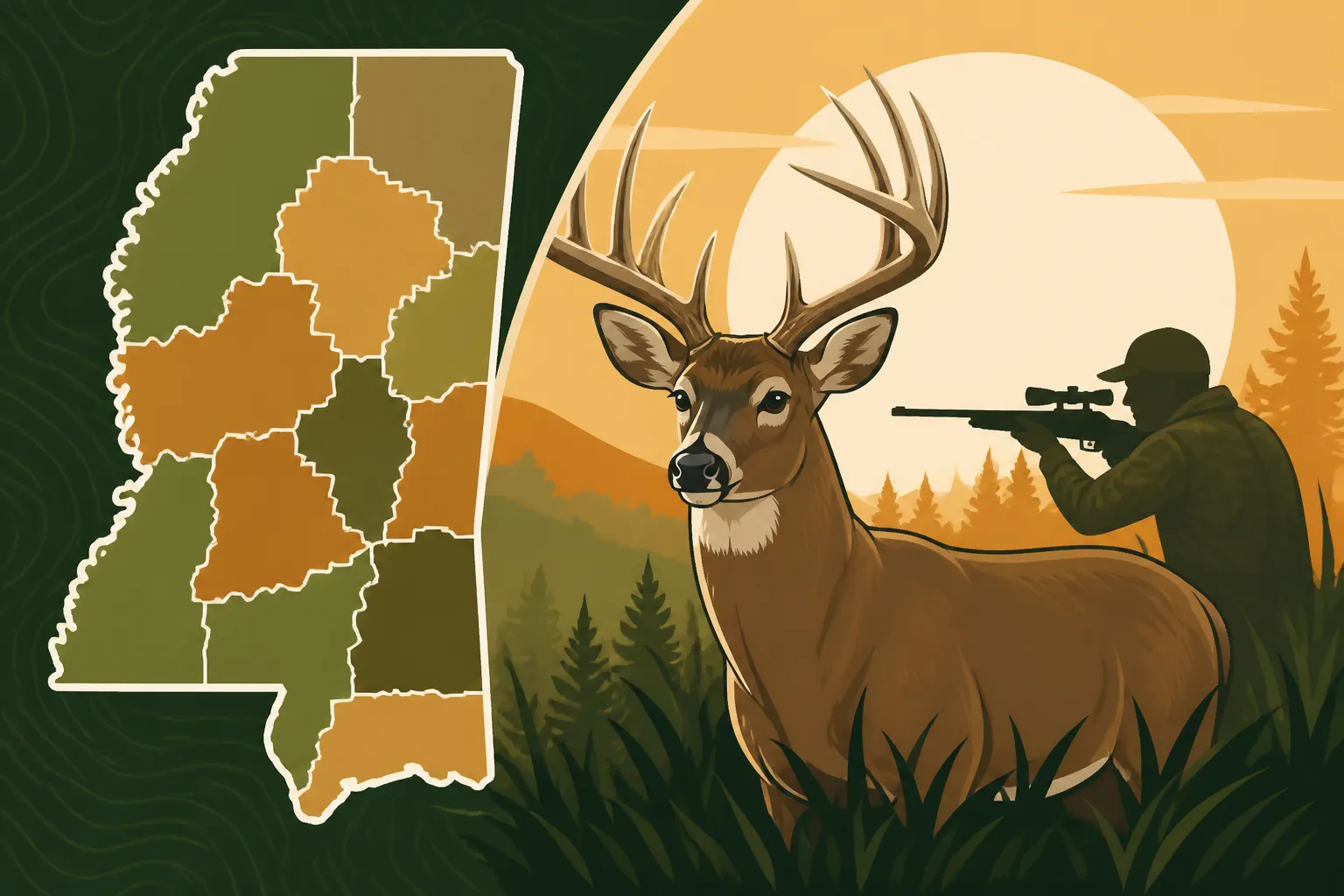
Before you even think about loading your rifle, you’ve got to understand the lay of the land, and in Mississippi, that means knowing your Deer Management Unit (DMU). The state isn't a single, homogenous hunting ground; instead, it's carved into four primary units, each with its own set of rules, seasons, and deer characteristics. Ignoring these distinctions is a surefire way to run afoul of the law or, at the very least, severely limit your success.
The Four Core Units: Delta, Hills, North Central, and Southeast
Mississippi's diverse geography and deer populations necessitate these different management zones. You've got the flat, fertile, agricultural lands of the Delta, the rolling hills of the central and northern parts of the state, and the pine-dominated forests down south. Each of these regions presents unique challenges and opportunities for deer management and, by extension, for hunters like us.
First, there's the Delta Unit, a vast, flat expanse renowned for its agriculture and impressive bottomland hardwoods. This region, encompassing much of the Mississippi Alluvial Plain, is known for its ability to produce some truly massive bucks, thanks to nutrient-rich soils and abundant food sources. However, it also comes with stringent antler restrictions.
Then we have the Hills Unit, which covers a significant portion of the state, characterized by rolling hills, mixed forests, and a blend of agricultural and timberland properties. This unit is arguably the most diverse in terms of habitat and hunting pressure, offering a wide range of experiences.
The North Central Unit is a bit of a hybrid, sharing some characteristics with the Hills but often featuring different hunting pressure dynamics and slightly varied dates. It’s a transition zone in many ways, and understanding its specific nuances is key.
Finally, the Southeast Unit stretches across the southern part of Mississippi, largely dominated by pine plantations and sandier soils. Deer in this unit often behave differently due to the habitat, and the hunting season structure reflects that.
Why Units Exist: Habitat, Pressure, and Deer Density
These units aren't arbitrary lines drawn on a map by some bureaucrat; they are scientifically determined management zones designed to optimize deer herd health and hunting opportunities. The Mississippi Department of Wildlife, Fisheries, and Parks (MDWFP) meticulously studies each region's deer population, habitat carrying capacity, and harvest data.
For instance, the Delta Unit's fertile grounds and intensive agricultural practices mean deer grow bigger and faster, but they also need careful management to prevent overpopulation and disease, hence the specific antler restrictions aimed at promoting buck maturity. In contrast, the Hills Unit might have more varied habitat but often higher hunting pressure, requiring different approaches to maintain a balanced age structure in the deer herd.
Ultimately, the goal is to provide sustainable hunting across the state while accounting for regional differences in deer biology, environmental conditions, and human impact. This granular approach ensures that whether you're chasing a mature buck in the flooded timber of the Delta or still-hunting a ridge in the Hills, the regulations are tailored to that specific environment. It pays to familiarize yourself with Mississippi's Four Deer Management Units to truly grasp the rationale behind these distinctions.
Navigating the Delta Unit Gun Season
The Delta Unit, a land of legend for big bucks and challenging hunting, demands a keen understanding of its gun season rules. It’s not just about knowing the dates; it’s about comprehending the philosophy behind the regulations that shape the hunting experience in this unique region.
Season Dates and Key Periods
Historically, the Delta Unit’s gun season is often one of the later openers in the state for primitive weapons and firearms, usually beginning in late November for primitive weapons (muzzleloader/crossbow) and then transitioning into a full firearms season. The specific dates can shift slightly year to year, so always check the most current MDWFP hunting guide. What's consistent, though, is that the primitive weapons season typically runs first, followed by the general firearms season. This allows for an earlier opportunity with a more traditional hunting method before the full-blown gun season brings increased pressure.
A critical period for many Delta hunters is the late-season push, often stretching into January. By this time, many bucks have been pressured, and food sources might be dwindling, making patterns more predictable. This can be a prime time for a hunter who understands how to read the landscape after crop harvests and find those overlooked pockets of cover. Knowing these windows is essential for strategic planning.
Antler Restrictions: The 12-Inch Spread Rule
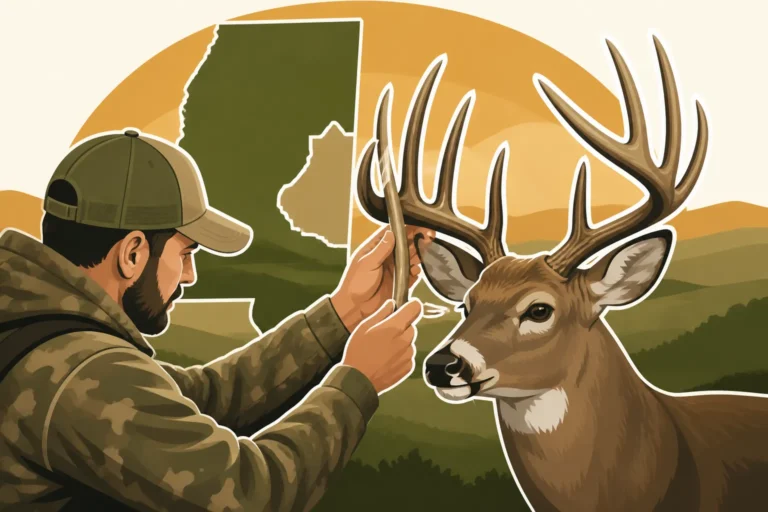
Perhaps the most famous, or infamous, regulation in the Delta Unit is its strict antler restriction. To be a legal buck, the deer must have an outside spread of at least 12 inches OR one main beam of at least 15 inches. This isn't just a suggestion; it's a hard and fast rule designed to protect younger bucks and allow them to reach maturity.
This rule often causes frustration for hunters accustomed to simpler "four points on one side" or "forked horn" regulations. You really have to train your eye to accurately field judge a buck, especially in low light or thick cover. Imagine a beautiful 8-point buck steps out, but his antlers are still inside that 12-inch window – it can be heartbreaking, but patience is paramount. The MDWFP implemented this rule to foster a healthier age structure, aiming for more mature, larger-bodied, and bigger-antlered bucks in the long run. Many hunters find using binoculars or a spotting scope like those from brands such as Vortex or Leupold essential for making that critical judgment call. If you're new to it, it's worth reviewing resources like "Delta Unit Twelve-Inch Spread Rule Explained" to hone your judging skills.
Prime Hunting Conditions and Tactics
Hunting the Delta Unit during gun season means embracing the challenges of its unique terrain. With vast agricultural fields (corn, soybeans, cotton), winding sloughs, and dense bottomland hardwoods, deer often move between cover and food sources with precision. After crops are harvested, deer become more visible, but also more susceptible to pressure.
One common tactic involves finding funnels between blocks of timber and fields. Deer use these natural travel corridors constantly, especially during the rut. Setting up a stand on a field edge or along a levee overlooking a slough can be incredibly productive. Early morning and late afternoon are prime times for deer moving to and from bedding areas. When hunting the Delta, remember that the rut often peaks a bit later than in other units, sometimes well into December or even early January. This later rut can offer fantastic opportunities for aggressive calling or rattling strategies. Using a good mapping app, such as GoHunt, can help you identify these natural travel routes and bedding areas before you ever step foot in the woods. Pay attention to wind direction, as the flat terrain offers fewer thermals, making consistent wind crucial for remaining undetected. For more specific insights into these hunting patterns, check out "Hunting the Rut in the Delta Unit."
Breaking Down the Hills Unit Gun Season
The Hills Unit, encompassing the vast majority of Mississippi's landmass, offers a hunting experience that contrasts sharply with the Delta. Here, you'll find diverse topography, from oak ridges to pine thickets, and a deer herd managed with different objectives in mind.
General Hills Unit Dates
The gun season in the Hills Unit typically opens earlier than the Delta, often around mid-November, providing hunters with a fantastic opportunity to be in the woods as the weather cools and deer patterns begin to shift. This initial opening is usually for primitive weapons, followed quickly by the full firearms season. The season then extends into late January, offering a generous window of opportunity.
This longer, earlier start allows hunters to pursue deer throughout various phases, from the pre-rut excitement to the peak rut activity and into the late season when food sources are key. Many hunters will target the early gun season opener, knowing that deer haven't faced as much pressure yet. Others might prefer the peak of the rut, which often falls in early to mid-December in much of the Hills. Understanding these general dates and planning your hunts around them is fundamental to success.
Antler Restrictions: The 10-Inch Spread Rule
Unlike the Delta, the Hills Unit has a slightly less restrictive, but equally important, antler regulation. A legal buck in the Hills Unit must have an outside spread of at least 10 inches OR one main beam of at least 13 inches. This rule, like the Delta’s, is a quality deer management initiative aimed at allowing younger bucks to mature and contribute to a healthier, more robust deer herd.
While 10 inches might sound easier to judge than 12, it still requires practice. Many hunters carry a small tape measure or use a reference point, like the distance from ear tip to ear tip on an alert deer, to help make that call in the field. It’s a moment of truth that demands confidence and a clear understanding of the rule. The MDWFP has found this restriction effective in improving the overall quality of bucks harvested in the Hills, leading to a better hunting experience for everyone. To avoid any missteps, familiarizing yourself with guides like "Hills Unit Ten-Inch Spread Rule Explained" can be incredibly helpful. It's better to pass on a questionable buck and wait for a definite shooter than to face a violation.
Topography and Hunting Strategies
The rolling hills and varied timber stands of the Hills Unit dictate a very different hunting approach compared to the flat Delta. Here, understanding topography, bedding areas on ridges, and travel corridors along creek bottoms becomes paramount. Deer often use saddles, funnels between ridges, and thick draws to move between bedding and feeding areas.
Still-hunting is a highly effective tactic in the Hills, particularly in areas with varied cover. Moving slowly, using the terrain to your advantage, and pausing frequently to scan for movement can put you on a wary buck. Treestands placed in strategic funnels or overlooking known food sources (acorns, persimmons, green fields) are also excellent choices. The rut can be intense in the Hills, with bucks actively cruising for does. Grunt calls and rattling can be very effective during this period. Hunters often focus on white oak ridges in the early season and transition to areas with remaining hard mast or green fields as the season progresses. Scouting the contours of the land, identifying natural bottlenecks, and understanding wind direction in hilly terrain are all crucial for success. For more specific tactics related to this region, consider exploring "Still-Hunting Hills Unit Ridges".
The North Central Unit: Unique Challenges and Opportunities
The North Central Unit of Mississippi, while often grouped conceptually with the broader Hills region, maintains its own distinct set of regulations and hunting characteristics. This unit presents both familiar challenges and unique opportunities for deer hunters.
Season Framework and Distinct Rules
The North Central Unit's gun season typically mirrors the general Hills Unit in its overall timeframe, with an opening usually in mid-November for primitive weapons, followed by the full firearms season, and extending through late January. However, specific county-level nuances or WMA regulations within this unit can sometimes differ, making it critical to consult the official MDWFP guide for the exact county you plan to hunt.
One of the defining aspects of this unit is often the blend of smaller private land tracts interspersed with larger timber holdings and, in some cases, significant public land opportunities. This patchwork of land ownership can influence deer movement and hunting pressure. While the antler restrictions generally align with the Hills Unit's 10-inch spread or 13-inch main beam rule, always double-check. The consistency in season length across the Hills and North Central units does provide a lengthy window for hunters to strategize and adapt to changing deer behavior throughout the fall and winter.
Public Land Access and Pressure
The North Central Unit is home to several popular public hunting areas, including portions of Holly Springs National Forest and various Wildlife Management Areas (WMAs). While these areas offer fantastic access, they can also experience significant hunting pressure, particularly on opening weekends and during the peak of the rut. This pressure can push deer into thicker, less accessible cover, making them harder to locate.
For hunters targeting public land in this unit, scouting is absolutely non-negotiable. Finding overlooked pockets of timber, steep ravines, or dense thickets that other hunters shy away from can be the key to success. This is where tools like GoHunt really shine, allowing you to identify remote corners, potential access points, and terrain features that might concentrate deer movement away from the crowds. Think about entry and exit routes that minimize disturbance, and consider walking farther than most other hunters are willing to go. Understanding how deer react to pressure and adapting your tactics accordingly is paramount. For more on this, you might find "Hunting Pressure on Mississippi Public Land" insightful.
Adapting to Smaller Tracts
Much of the North Central Unit is characterized by smaller private land holdings, which can mean different dynamics for deer movement. Deer might travel across multiple properties in a single day, especially if bedding on one property and feeding on another. This necessitates a more collaborative approach if you're hunting with neighbors or a deep understanding of how deer use fragmented habitats.
On smaller tracts, intelligent stand placement becomes even more critical. Think about pinch points, creek crossings, or areas where thick cover meets a food source. Even a small woodlot can hold deer if it offers adequate sanctuary and access to forage. Using trail cameras strategically can help you pinpoint specific travel routes and times of deer activity on these smaller parcels. If you're fortunate enough to hunt a larger, contiguous private tract, consider implementing some small-scale food plots or habitat improvements to draw and hold deer, but always remember to stay within the bounds of Mississippi's general rules regarding deer management.
Exploring the Southeast Unit Gun Season
The Southeast Unit, stretching across the lower half of Mississippi, presents a distinct hunting landscape dominated by pine forests, swamps, and a unique set of challenges and rewards. Understanding its gun season requires appreciating these regional differences.
Extended Archery Influence and Gun Season Start
One of the most notable features of the Southeast Unit is its extended archery season. Unlike other units, the Southeast often sees its archery season run significantly longer, sometimes well into January, overlapping substantially with the gun seasons. This means that deer in this unit are often exposed to archery pressure for an extended period before the full force of gun season begins. The general firearms season typically opens around mid-November, similar to the Hills and North Central units, and runs through late January.
This extended archery window can influence deer behavior, potentially making them warier by the time firearms hunters take to the woods. However, it also means that bucks are often in rutting patterns during parts of the gun season, providing an exciting opportunity. Hunters need to be particularly mindful of overlapping seasons and the specific weapon regulations in play at any given time. This unit's structure highlights the MDWFP's strategy to balance various hunting methods and manage deer populations effectively in a diverse habitat. To better understand this unique aspect, consider reading "Hunting the Extended Southeast Unit Archery Window."
Pine Plantation Hunting Tactics
The prevalent habitat in the Southeast Unit is pine plantation. From freshly cut clear-cuts to mature pine stands, this environment dictates different hunting strategies than the hardwoods of the Delta or the mixed forests of the Hills. Deer often bed in thick clear-cuts or young pine regeneration areas, utilizing the dense cover for security. They'll then move to mature pine stands with open understories or hardwood drains for food.
Hunting in pine plantations often involves still-hunting along fire lanes, glassing clear-cuts from a distance, or setting up stands along the edges of thicker bedding areas. Creek bottoms and drains that cut through pine forests often contain valuable hardwoods like oaks and hickories, serving as critical travel corridors and food sources. Understanding the growth stages of pine timber is key: young pines offer dense bedding, while older pines can have more open ground for easier movement. Thermal units like those from Pulsar or ATN are becoming increasingly popular for locating deer in the dense cover of pine plantations, especially during low light conditions or when trying to confirm movement in thickets.
Understanding Local Dynamics
While the general season dates and antler restrictions (typically 10-inch spread or 13-inch main beam) are consistent with the Hills Unit, local dynamics in the Southeast Unit can vary significantly. Large timber company lands might have different access rules or specific WMA regulations that impact hunting. Coastal counties might see deer respond differently due to proximity to the Gulf, while inland areas might have more traditional agricultural influences.
Developing a strong understanding of your specific hunting area within the Southeast Unit is crucial. Talk to local landowners, wardens, or other experienced hunters. Pay attention to mast crop production, recent timber operations, and any shifts in food sources. The flexibility offered by the long season allows hunters to adapt to these changing conditions throughout the fall and winter, switching tactics as deer patterns evolve. This adaptive approach, combined with diligent scouting, will undoubtedly increase your chances of success.
General Regulations for All Units During Gun Season
No matter which unit you're hunting in, there are universal rules and best practices every Mississippi deer hunter must follow. These aren't just suggestions; they're legal requirements designed to ensure safety, ethical hunting, and proper game management.
Blaze Orange Requirements and Safety
Safety is paramount in the woods, especially during gun season when multiple hunters might be in the same area. Mississippi law requires hunters to wear a minimum of 500 square inches of solid unbroken blaze orange (or solid unbroken fluorescent pink) visible from all sides, head to waist, during gun season on deer. This applies to both private and public lands.
This isn't a fashion statement; it's a life-saving measure. Make sure your blaze orange vest, hat, or other gear is bright, clean, and easily visible. Avoid camo patterns with just a patch of orange. Think about safety first: always treat every firearm as if it's loaded, keep the muzzle pointed in a safe direction, be sure of your target and what's beyond it, and keep your finger off the trigger until you're ready to shoot. Communication is also vital if hunting with a group; know where everyone is at all times. For a full breakdown of requirements, refer to "Mississippi Blaze Orange Requirements."
Legal Firearms and Ammunition
Mississippi has specific rules regarding what firearms and ammunition are legal for deer hunting. Generally, rifles that fire centerfire ammunition, shotguns using slugs or buckshot, and muzzleloaders are all legal during the appropriate gun seasons. Handguns firing centerfire ammunition are also permitted.
When it comes to rifle calibers, there's a wide range of popular choices that are legal and effective, from the venerable .30-06 Springfield and .270 Winchester to more modern calibers like 6.5 Creedmoor or .308 Winchester. For shotguns, 12-gauge and 20-gauge slugs are common, and buckshot is legal in some scenarios, but slugs are generally preferred for deer due to their greater accuracy and knockdown power. Always check the MDWFP regulations for any updates or specific restrictions, especially concerning magazine capacity on public lands. It’s critical to use ammunition appropriate for deer hunting; expanding bullets are generally recommended for clean, ethical kills. For a detailed list, see "Mississippi Legal Firearms for Deer Hunting".
Reporting Your Harvest: MDWFP App and Online
Once you've successfully harvested a deer in Mississippi, your responsibility doesn't end there. All harvested deer must be reported to the MDWFP. This crucial step provides valuable data for biologists to manage the state's deer herd effectively. The easiest and most common way to report your harvest is through the official MDWFP mobile app or their online reporting system.
You’ll typically need to report within 72 hours of harvest. The process is straightforward: you'll enter details like the date of harvest, county, deer management unit, sex of the deer, and whether it was antlered or antlerless. If it was an antlered buck, you'll report the number of points and the spread. This data is vital for tracking harvest trends, population health, and the effectiveness of antler restrictions. Failing to report a harvest is a violation, so make it a part of your post-hunt routine. For a step-by-step guide, you can refer to "Reporting a Deer Through Mississippi's App".
Maximizing Your Gun Season Success in Mississippi
Success during Mississippi's gun deer season isn't just about showing up with a rifle; it's about strategic planning, consistent effort, and a deep understanding of deer behavior. Hunters who put in the extra work often reap the greatest rewards.
Pre-Season Scouting and Trail Cameras
The foundation of any successful deer hunt begins long before opening day. Pre-season scouting is absolutely critical, especially on public lands or new private properties. Get out in the woods in the late summer and early fall to identify natural funnels, bedding areas, primary food sources (like oak flats for acorns or persimmon trees), and existing deer trails. Look for rubs and scrapes, which indicate buck activity.
Trail cameras are invaluable tools for this process. They allow you to monitor deer movement without being present, giving you insights into travel patterns, preferred times of activity, and the quality of bucks in the area. Place cameras on well-used trails, near food sources, or along property lines. Check them regularly but discreetly to avoid disturbing the deer. Consider using cellular trail cameras for real-time updates without having to visit the site as frequently. Services like GoHunt can also aid in scouting by providing detailed topographical maps and satellite imagery, helping you visualize potential hotspots from home. This combination of boots-on-the-ground and digital reconnaissance can drastically improve your odds. For more on this, check out "Scouting Mississippi Public Land Before Season".
Understanding the Rut by Unit
The rut, or breeding season, is arguably the most exciting time to hunt deer, as bucks become more active and less cautious in their pursuit of does. However, the timing of the rut can vary significantly across Mississippi's different deer management units. While there's always some variation from year to year and among individual deer, general peak rut periods are well-established for each unit.
In the Hills and North Central units, the rut typically peaks in early to mid-December. This means that hunters hitting the woods during this window can expect to see increased buck activity, making rattling, grunting, and doe bleats particularly effective. In the Delta Unit, the rut often occurs later, sometimes extending into late December and even early January. The Southeast Unit generally aligns more with the Hills, with its peak in early to mid-December. Knowing when the rut is peaking in your specific unit allows you to tailor your hunting strategy, spending more time in the woods when buck movement is at its highest. Dive deeper into this topic with "Hunting the Rut by Unit".
Dealing with Hunting Pressure on Public Lands
Public lands in Mississippi offer incredible hunting opportunities, but they also come with a reality: hunting pressure. Especially during gun season, popular WMAs and National Forests can see significant numbers of hunters. Dealing with this pressure effectively is key to finding success where others might struggle.
One of the most effective strategies is to walk farther than other hunters. Most people won't venture more than a quarter or half-mile from a road or parking area. By pushing deeper into the woods, you're likely to find areas that receive less pressure, where deer are more likely to behave naturally. Look for overlooked terrain features, such as deep draws, thick swamps, or dense clear-cuts that are difficult to access. Early morning entry is also crucial; being in your stand well before legal shooting light minimizes disturbance. Consider hunting during weekdays if possible, as pressure tends to be lighter than on weekends. Remember, deer will often seek refuge in the thickest, nastiest cover when pressured, so focus your efforts there. "Finding Ground Others Walk Past" offers excellent advice for this very challenge.
Common Pitfalls and How to Avoid Them
Even experienced hunters can make mistakes, especially when dealing with the complex regulations and varied conditions of Mississippi's deer season. Being aware of common pitfalls can help you avoid costly errors and ensure a more successful and compliant hunt.
Misinterpreting Antler Restrictions
This is perhaps the most common mistake made by deer hunters in Mississippi's antler-restricted units. The 12-inch outside spread or 15-inch main beam rule in the Delta Unit, and the 10-inch outside spread or 13-inch main beam rule in the Hills, North Central, and Southeast Units are not to be taken lightly. Shooting a buck that doesn't meet these criteria is an illegal harvest and can result in significant fines and loss of hunting privileges.
To avoid this, take your time. Use optics to get a clear view of the antlers. If there’s any doubt, let the buck walk. It’s always better to be safe than sorry. Practice field judging during the off-season by looking at photos or videos of deer with known measurements. Understand that a young, narrow 8-point buck might not meet the spread requirement, while a spike with a 15-inch main beam in the Delta would be legal. Don't let buck fever get the best of you. Reviewing specific guidelines, like "Measuring a Twelve-Inch Delta Spread by Eye," can save you a lot of grief.
Overlooking WMA Specific Rules
While the state sets general season dates and regulations by unit, individual Wildlife Management Areas (WMAs) often have their own unique rules that supersede or add to statewide regulations. These can include different season dates, bag limits, antler restrictions, weapon restrictions, ATV usage rules, or even specific sign-in/sign-out procedures.
It's a huge mistake to assume that if it's legal statewide, it's legal on a WMA. Always, and I mean always, check the specific regulations for the WMA you plan to hunt before you go. The MDWFP website and its mobile app are excellent resources for finding these WMA-specific rules. Some WMAs might even require a special WMA permit in addition to your regular hunting license. Ignoring these rules isn't just a minor infraction; it can lead to citations and the loss of hunting privileges on that WMA. Utilize the MDWFP app or the GoHunt platform to pull up WMA boundaries and regulations right in the field.
Not Checking for CWD Zone Updates
Chronic Wasting Disease (CWD) is a serious concern for Mississippi's deer herd, and the MDWFP is actively working to monitor and manage its spread. As a result, certain counties have been designated as CWD Management Zones, and these zones come with their own set of mandatory testing requirements and carcass movement restrictions.
Failing to understand and comply with CWD regulations can lead to violations and inadvertently contribute to the disease's spread. If you hunt in a CWD-positive county, you might be required to submit your harvested deer for testing. There are also strict rules about moving deer carcasses out of a CWD zone to prevent the spread of the infectious prions. Always check the most current MDWFP CWD map and regulations before and during your hunting trip. This information can change, so staying informed is crucial for responsible hunting and protecting the deer herd. For the latest on this critical issue, look up "Mississippi's Chronic Wasting Disease Zones".
Disclaimer
Hunting regulations, season dates, and unit boundaries are subject to change. While this guide provides comprehensive information based on current knowledge, hunters are solely responsible for verifying all regulations with the Mississippi Department of Wildlife, Fisheries, and Parks (MDWFP) before engaging in any hunting activities. Always consult the most recent official MDWFP hunting guide and any local WMA rules for the specific area you plan to hunt. Safety should always be your top priority.