Hunting Mississippi’s Year-Round Feral Hogs
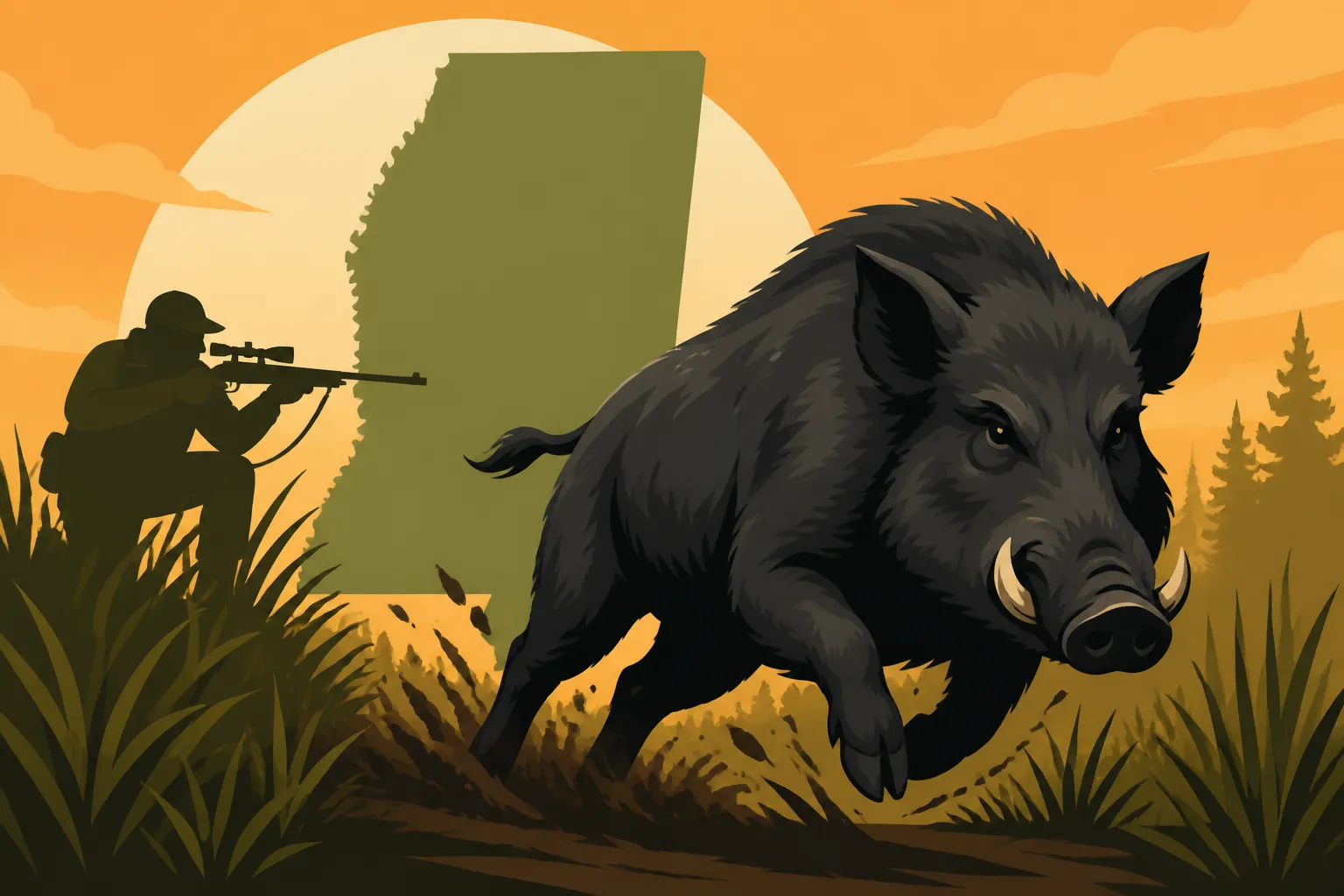
Navigating the challenges of managing feral hogs in Mississippi can feel like an uphill battle. These invasive animals aren't just a nuisance; they're an ecological and agricultural disaster, rooting up crops, destroying habitat, and spreading disease at an alarming rate. If you're a hunter looking to contribute to their control or simply seeking an exciting, year-round hunting opportunity, understanding the tactics and regulations is key. This comprehensive guide will walk you through everything you need to know about effectively hunting Mississippi's abundant feral hog population.
Understanding the Feral Hog Problem in Mississippi
Feral hogs are a pervasive issue across Mississippi, and their numbers seem to grow exponentially every year. It’s not just farmers who feel the pinch; these animals impact nearly every aspect of our state's natural resources. From the Delta to the Piney Woods, the sign of rooting, wallowing, and destruction is undeniable.
The Ecological and Agricultural Impact
Let's be blunt: feral hogs are an unmitigated disaster for our ecosystems and agricultural industry. They're like bulldozers with hooves and snouts, tearing up fields of corn, soybeans, and rice, causing millions of dollars in crop damage annually. If you've ever driven through the Delta and seen perfectly tilled fields overnight turn into a war zone of upturned dirt, you've witnessed their destructive power firsthand. Beyond crops, they decimate native plant communities, compete with native wildlife like deer and turkey for food sources, and even prey on fawns and ground-nesting birds. They also act as vectors for diseases that can affect livestock and even humans, such as brucellosis and pseudorabies.
Hog Biology and Reproduction
The reason these hogs are such a problem is their incredible ability to reproduce. They're not like our whitetail deer, which typically have one fawning cycle a year. Sows can start reproducing as early as six months old and can have two litters of four to twelve piglets each year. Imagine that: a single sow can contribute dozens of new hogs to the population every 12 months. This rapid reproduction, coupled with a lack of natural predators, means their populations explode if not aggressively managed. Understanding Why Delta Hogs Reproduce So Fast helps put into perspective the scale of the challenge we face.
Distribution Across the State
Feral hogs are found in all 82 counties of Mississippi, but their density varies. You'll find particularly dense populations in the rich agricultural regions of the Mississippi Delta, where abundant food sources and thick cover provide ideal conditions. Areas along major river systems, like the Mississippi River Batture and the Pascagoula River, also tend to hold high numbers due to the fertile ground and dense bottomland hardwoods. However, don't think you're safe in the Hills or Piney Woods; even those areas have significant populations, especially around agricultural fields and stream bottoms. Knowing Which Mississippi Counties Have the Most Hogs can help you target your efforts.
Mississippi's Year-Round Hog Hunting Regulations
One of the unique aspects of hunting feral hogs in Mississippi is the incredibly liberal regulations. Unlike deer or turkey, there's no closed season, no bag limit, and often, no restriction on hunting hours on private land. This is a testament to the state's aggressive stance on controlling these destructive animals.
Understanding the "No Closed Season" Rule
The phrase "year-round feral hogs" isn't just a catchy title; it's a legal reality in Mississippi. On private land, you can hunt feral hogs 365 days a year, day or night. This "no closed season" approach is a direct response to their rampant reproduction and the damage they cause. It essentially deputizes every hunter as a part of the solution. This is a stark contrast to regulated game species and provides ample opportunity for those looking to get out into the woods when other seasons are closed. You can find more specific details on Mississippi's Year-Round Hog Rule on Private Land.
Private vs. Public Land Rules
While private land offers maximum flexibility, public land has more restrictions. On Wildlife Management Areas (WMAs) and National Forests, feral hogs are typically considered a nuisance animal and can be harvested during any open hunting season for other game, usually with the weapon legal for that season. For example, during archery deer season, you can take a hog with your bow. During gun deer season, you can use your rifle. Some WMAs even have specific hog hunting seasons or allow hog hunting outside of established seasons with certain methods. Always, always check the specific regulations for the WMA or National Forest you plan to hunt, as they can vary greatly. For general guidelines, refer to Mississippi Feral Hog Regulations.
Important Regulatory Differences:
| Feature | Private Land | Public Land (WMAs/National Forests) |
|---|---|---|
| Season | Year-round, no closed season | During open hunting seasons for other game |
| Bag Limit | None | None |
| Hunting Hours | Day or night (with proper lights/permits) | Typically daylight hours, check WMA rules |
| Weapon Type | Any legal firearm/archery equipment | Weapon legal for the open game season |
| Baiting | Legal | Generally prohibited, check specific WMA rules |
| Dogs | Legal | Often prohibited, check specific WMA rules |
| Night Hunting | Legal with proper lights/permits | Generally prohibited, check specific WMA rules |
Legal Weapons and Methods
On private land, the options are wide open. Rifles, shotguns, handguns, muzzleloaders, bows, and crossbows are all legal. This flexibility allows hunters to use their preferred weapon or match the weapon to the hunting scenario. For public lands, the weapon must align with the open season you are participating in. For instance, if you're hunting during the deer archery season, you'll need to use archery equipment. If it's a gun season, firearms are permitted. Trapping is another highly effective method, and while not strictly "hunting" with a weapon, it falls under the purview of hog control. Make sure you understand the nuances of Mississippi Feral Hog Trapping Rules if you choose this route.
Scouting and Locating Feral Hogs
You can't hunt what you can't find. Feral hogs are smart, elusive, and often nocturnal, making scouting an absolutely critical component of a successful hunt. They don't have distinct home ranges like deer; instead, they roam across large areas, following food sources and water.
Identifying Fresh Hog Sign
Hogs leave behind a clear trail of destruction. The most obvious sign is rooting, where they use their powerful snouts to dig up soil in search of roots, tubers, insects, and grubs. This can look like a rototiller has gone through the woods or field. Look for fresh rooting, where the soil is still dark and moist, indicating recent activity.
Wallows are another tell-tale sign. Hogs love to roll in mud and water to cool off and to coat themselves in a protective layer against insects. These wallows will be muddy depressions, often near water sources, and you might see hair rubbed off on nearby trees or fence posts. Tracks are also important; hog tracks are typically rounded, with two prominent dewclaws that often show up in soft ground, unlike deer tracks where dewclaws are less common unless the animal is running or sinking in mud. And of course, droppings – hog scat can vary widely depending on their diet but is generally segmented and similar in size to a deer's, though often looser.
Key Habitat and Travel Corridors
Hogs prefer areas with dense cover for bedding and protection, proximity to water, and abundant food sources. In Mississippi, this often means bottomland hardwoods, river bottoms, dense pine thickets, and areas adjacent to agricultural fields. Look for thick cane breaks, tangled briar patches, or dense stands of young timber. They'll use creek bottoms, old logging roads, and field edges as travel corridors to move between bedding areas, food sources, and water. A particularly hot spot can be a natural "funnel" where dense cover forces them into a narrow travel path. Learning to read these landscapes is crucial for successful scouting.
Using Technology for Scouting
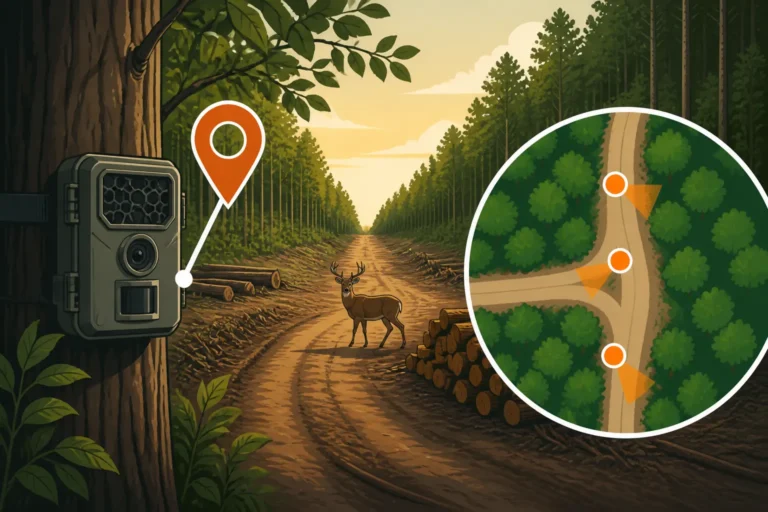
In today's age, technology is a hog hunter's best friend. Trail cameras are invaluable for pattern hogs, especially since they're often most active at night. Set up cameras on known travel corridors, around water sources, or near active rooting. Look for patterns in their movement – do they move at dusk, midnight, or dawn? How many are in a sounder (group of hogs)?
GPS apps like GoHunt can be incredibly useful for marking sign, mapping out travel routes, and identifying property lines, which is crucial when dealing with a species that roams so widely. You can drop pins on fresh rooting, wallows, and tracks to build a picture of their movement over time. Aerial imagery available through these apps helps you identify potential bedding areas, thick cover, and funnels you might miss from the ground. While GoHunt might not have a specific hog layer, its mapping capabilities for land ownership, terrain, and satellite imagery are top-notch for planning your approach.
Effective Hunting Methods for Feral Hogs
Given their numbers and the year-round opportunities, there are many ways to pursue feral hogs in Mississippi. Each method has its pros and cons, and choosing the right one often depends on the terrain, time of day, and personal preference.
Spot and Stalk in Open Terrain
Spot and stalk hunting can be incredibly exciting, especially if you enjoy the challenge of truly hunting an animal on its terms. This method is most effective in more open areas like harvested crop fields, clear-cuts, or sparse timber where you can glass a wide area.
The key is to move slowly, using the wind to your advantage, and to constantly glass ahead. Hogs have a keen sense of smell, so staying downwind is paramount. Their eyesight isn't great, but they are incredibly alert to movement. This is a game of patience and stealth. In the early morning or late evening, you might catch them moving from bedding to feeding areas. If you're Hunting Hogs Without Bait or Dogs, this can be a rewarding, if challenging, approach.
Stand Hunting Over Bait or Food Sources
Stand hunting is a classic tactic for a reason: it works. Hogs are creatures of habit, especially when it comes to food. Setting up a stand over a consistent food source—be it a persimmon patch, an oak flat dropping acorns, or an active agricultural field—can be very effective.
Baiting is also highly effective for hogs on private land. Corn is the most common bait, often mixed with attractants like sour corn, jello powder, or commercial hog lures. A well-established bait site can draw hogs in consistently. Remember, consistency is key; keep that bait pile fresh and replenished. Setting up a comfortable ground blind or an elevated treestand overlooking a bait site or a natural food source can lead to multiple encounters. If you're looking to establish a consistent pattern, read up on Building and Freshening a Hog Bait Site.
Night Hunting with Thermal and Night Vision
Night hunting for hogs is where the real action often happens, especially during warmer months when hogs are mostly nocturnal. Mississippi allows night hunting for hogs on private land, with specific rules regarding lights and equipment. This method requires specialized gear, but it significantly increases your chances of success.
Thermal imaging scopes and binoculars have revolutionized hog hunting. They detect heat signatures, making hogs stand out clearly against a cool nighttime background. Night vision devices, while different technology, also allow you to see in low light. When using these tools, safety is paramount. Always be 100% sure of your target and what's beyond it. Night hunting is exhilarating but demands extreme caution. Understanding Night Hunting Hogs With Lights on Private Land and Night Hog Hunting Light Rules in Mississippi is crucial before you head out after dark.
Running Dogs on Feral Hogs
Hunting hogs with dogs is a traditional and highly effective method, particularly in dense cover where other hunting styles are difficult. It's an active, high-adrenaline hunt that typically involves two types of dogs: bay dogs and catch dogs. Bay dogs track and corner the hog, barking (baying) to alert the hunters. Catch dogs are then released to hold the hog for the hunters to dispatch.
This method requires a lot of energy, both from the dogs and the hunters who must keep up with them, often through challenging terrain. It's a team effort, and safety for both the dogs and hunters is a major concern due to the aggressive nature of hogs when cornered. For those interested in this dynamic approach, exploring Running Dogs on Mississippi Feral Hogs can provide further insight into the nuances of this method.
Trapping Feral Hogs: A Different Approach
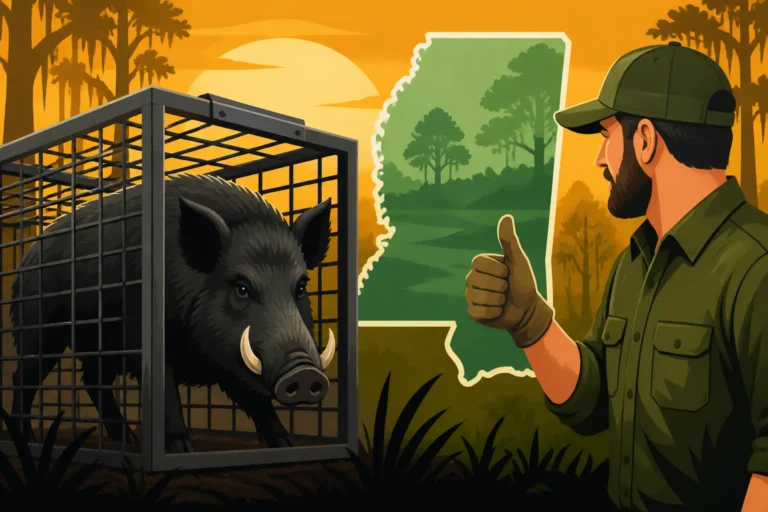
While hunting provides exciting encounters, trapping is often the most efficient method for reducing large numbers of feral hogs, especially for landowners struggling with chronic damage. It's a strategic game of outsmarting intelligent animals.
Types of Traps and Their Effectiveness
There are several types of traps available, each with its strengths:
- Corral Traps: These are typically large, circular pens made of hog panels, often with a "rooter" or "gate" style door that hogs trip to close. They are excellent for catching entire sounders (groups) of hogs at once. Their size allows you to catch many animals, making them very effective for population control.
- Box Traps: Smaller, rectangular traps designed to catch one or two hogs at a time. They are more portable and easier to set up but less effective for large-scale removal.
- Snares: These cable traps are set in trails and designed to catch a hog by the neck or leg. While effective, they require careful placement to avoid catching non-target animals and must be checked frequently.
The effectiveness of any trap depends heavily on proper setup and consistent pre-baiting. For a deeper dive into the specific equipment, check out What Hog Trappers Use in Mississippi.
Strategic Trap Placement and Baiting
Trap placement is critical. Look for areas with fresh hog sign, active travel corridors, or near water sources. Hogs are wary, so setting a trap right in the middle of a field might not work initially. Integrate the trap into existing cover, if possible.
Baiting is paramount for trapping success. You need to "train" the hogs to enter the trap freely. This involves a period of pre-baiting where you place corn or other attractants around the trap, and even inside, with the gate tied open. Once hogs are routinely entering and exiting the trap without fear, then you set the trigger. This patience pays off, as it allows you to catch more animals in a single setting. Consider Building and Freshening a Hog Bait Site for detailed baiting strategies.
Trap Management and Removal
Once a trap is set, it needs to be checked regularly—at least every 24 hours, but ideally more often. This is crucial for humane treatment of trapped animals and to prevent damage to the trap itself. When you have hogs in the trap, you'll need a plan for dispatch and removal. This often involves a .22 caliber rifle or handgun for humane dispatch, followed by proper carcass disposal or processing. Dealing with multiple large, agitated hogs in a confined space requires a calm approach and adherence to safety protocols.
Gear and Equipment for Hog Hunting
Just like any other hunting pursuit, having the right gear can make a big difference in your hog hunting success and overall experience. From your chosen weapon to optics, every piece plays a role.
Firearms and Ammunition Choices
Hogs are tough animals, so choosing an appropriate firearm and ammunition is important for quick, humane kills. While they aren't bulletproof, their bone structure and thick hides mean you want a round with good penetration and energy transfer.
- Rifles: Popular calibers include .223/5.56, 6.5 Creedmoor, .30-30, .308 Winchester, and .30-06 Springfield. The AR platform is very popular for hog hunting due to its capacity for quick follow-up shots and accessory mounting. For ammunition, choose good quality hunting bullets designed for medium to large game, such as bonded core or monolithic bullets that maintain weight and penetrate well.
- Shotguns: A 12-gauge shotgun loaded with slugs is very effective at close ranges, especially in thick cover.
- Handguns: Large caliber handguns (.44 Magnum, .45 Long Colt, 10mm) can be effective at close range, but require excellent marksmanship.
Remember that Shot Placement on a Feral Hog is always more critical than caliber. Aim for the ear or behind the shoulder for the most effective kill shot.
Bows and Crossbows for Hogs
Archery hunting for hogs offers a unique challenge and thrill. Modern compound bows and crossbows are more than capable of taking down even large boars.
- Compound Bows: A bow with a draw weight of 60 pounds or more, shooting a well-tuned arrow with a sharp, cut-on-contact or mechanical broadhead, will be effective. Practice is key to shot placement.
- Crossbows: Crossbows offer increased accuracy and can be a great option for hunters who may struggle with a compound bow's draw weight. Ensure you use strong bolts and sharp broadheads.
Whether using a bow or crossbow, pay close attention to your shot angle. Hogs have a shield of cartilage and scar tissue over their shoulders that can deflect arrows. A quartering-away shot is often ideal. For more on archery season generally, you might find Bowhunting Mississippi's Long Archery Season helpful.
Thermal and Night Vision Optics
As mentioned, night hunting often requires specialized optics. These devices have become increasingly accessible and popular among hog hunters.
- Thermal Scopes: These devices detect the infrared energy (heat) emitted by objects, displaying it as a visual image. Hogs glow brightly against a dark background, making them easy to spot even in complete darkness or dense fog. Brands like Pulsar and ATN are popular choices.
- Night Vision Scopes: These scopes amplify ambient light (starlight, moonlight) to create a visible image. While not as effective as thermal in absolute darkness or thick cover, they offer a more traditional "green" image.
When investing in thermal or night vision, consider your budget, the typical ranges you'll be shooting, and the features important to you (e.g., video recording, rangefinding). They are game-changers for night hunting, allowing you to effectively pursue hogs when they are most active.
Processing and Utilizing Feral Hogs
Taking down a feral hog is only half the battle. What you do with the animal afterward is equally important, from field dressing to ensuring the meat is safe and delicious.
Field Dressing and Transport
Hogs, especially large ones, can be quite a handful. Field dressing should happen as quickly as possible, especially in warm Mississippi weather, to cool the meat and prevent spoilage. Remove the entrails, being careful to avoid rupturing the gut. If you plan to check the hog for disease, collect any necessary samples before disposal.
Transporting a hog can be challenging due to their weight and often aggressive nature. A good deer cart or an ATV with a winch can be invaluable. Always secure the carcass properly to prevent it from shifting during transport. Understanding Handling a Hog After the Shot covers these steps in detail.
Meat Preparation and Safety
Feral hog meat can be incredibly delicious, but it's crucial to handle it safely. Unlike farm-raised pork, wild hogs can carry diseases like trichinosis. Always cook feral hog meat thoroughly to at least 160°F (71°C) internal temperature.
Once field dressed, skinning and butchering can be done at home or taken to a local processor. The meat has a strong, gamey flavor, often leaner than domestic pork. It takes well to slow cooking, smoking, and grinding into sausage. Many hunters enjoy turning hog meat into barbecue, breakfast sausage, or even wild hog carnitas.
Carcass Disposal Considerations
If you're not planning to process the entire hog for meat, proper carcass disposal is important to prevent the spread of disease and to avoid attracting other scavengers. Check with local regulations, but burying the carcass or taking it to an approved disposal site are common methods. Never dump carcasses indiscriminately, as this can exacerbate the problem by creating bait sites for more hogs.
Safety Considerations and Ethical Hunting
Hunting feral hogs is a rewarding experience, but it comes with responsibilities. Safety and ethical conduct are paramount, not just for yourself but for other hunters, landowners, and the environment.
Awareness of Surroundings and Other Hunters
Mississippi's public lands can see significant pressure during hunting seasons, and even private lands can have multiple hunters. Always wear blaze orange during gun seasons, even if you're primarily hog hunting, to ensure you're visible to others. Be aware of your shooting lanes and what lies beyond your target. Hogs can be incredibly fast and unpredictable when spooked, so know your surroundings and have an escape route if necessary.
When night hunting, the landscape changes entirely. The same principles apply—be absolutely certain of your target and what's beyond. With thermal and night vision, it's easy to get tunnel vision, so remember to scan broadly and confirm your target numerous times before pulling the trigger.
Respecting Private Property
When hunting on private land, ensure you have explicit permission. Always know your property boundaries, whether using a physical map or a GPS app like GoHunt that shows land ownership. Hogs often don't respect property lines, and it's easy to follow them onto land where you don't have permission. This can lead to serious legal issues and tarnish the reputation of hunters. Remember, Do Feral Hogs Need Landowner Permission? and the answer is always yes for private land.
Dealing with Aggressive Hogs
While most hogs will flee when they detect human presence, large boars, especially those cornered or injured, can be aggressive. Sows with piglets can also be defensive. It's rare for a hog to charge unprovoked, but it does happen.
Always approach a downed animal with caution. If you're on a blood trail, proceed slowly and with your weapon ready. Having a partner with you is always a good idea. If a hog does charge, stand your ground, make noise, and be prepared to take a quick, decisive shot. Knowing Shot Placement on a Feral Hog is even more critical in these high-stress situations.
Conclusion
Hunting Mississippi's year-round feral hogs offers a unique blend of challenging sport and vital conservation effort. From understanding their devastating impact on our natural resources to mastering various hunting and trapping techniques, every aspect of this pursuit contributes to protecting Mississippi's ecological balance. Whether you're stalking through the hardwoods with a bow, sitting over a bait site at night with thermal optics, or strategically placing a corral trap, you're playing a crucial role in managing these destructive animals. Always prioritize safety, respect land boundaries, and strive for ethical hunting practices. The fight against feral hogs is ongoing, and every responsible hunter can make a difference.
Disclaimer
The information provided in this guide is for informational purposes only and is not legal advice. Hunting regulations can change frequently. Always consult the latest official Mississippi Department of Wildlife, Fisheries, and Parks (MDWFP) regulations, available on their website or in their annual digest, before participating in any hunting activity. It is the hunter's responsibility to know and abide by all applicable laws and regulations.