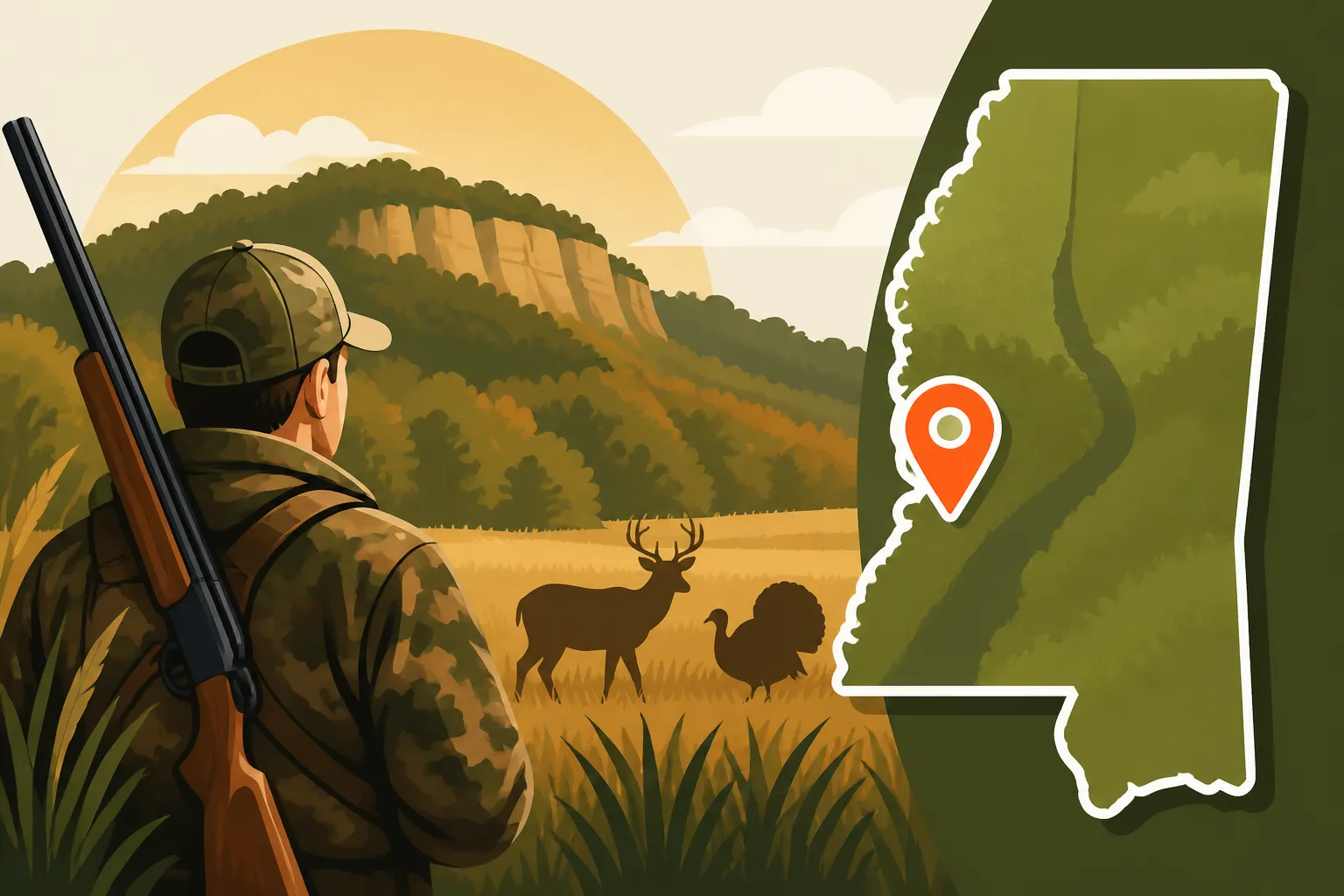
Public Ground Near Vicksburg
Finding quality public hunting ground near Vicksburg can feel like a real puzzle, especially when you're looking to escape the hustle and bustle without driving half the state. It's tough to balance daily life with the desire to be in the woods, and figuring out where you can legally and effectively hunt close to home is a common frustration for many Mississippi outdoorsmen and women. This guide aims to clear up some of that confusion, providing you with solid options for public hunting opportunities within a reasonable drive of Vicksburg, along with practical tips for making the most of your time afield.
The Unique Challenge of Hunting Near Vicksburg
Vicksburg, with its rich history and location along the mighty Mississippi River, is a fantastic place to live, but it also sits in a unique geographic spot that presents a few hurdles for the public land hunter. We're nestled right between the Delta and the central Hills, meaning some of the more famous public land tracts might feel a little far. Plus, with the river on one side and agricultural land dominating much of the surrounding private property, finding those accessible pockets of habitat that hold good game can take some dedicated scouting. Many hunters feel like they have to drive hours to get to prime public spots, but there are some excellent opportunities closer than you might think, if you know where to look and what to expect.
Balancing Proximity and Opportunity
The biggest challenge is always the trade-off: do you sacrifice a bit of drive time for potentially better hunting, or stick closer to home and work harder for your game? Near Vicksburg, you're not going to find vast, undeveloped tracts right outside city limits. Instead, you'll be looking at larger national forests that require a bit of a drive, or specific Wildlife Management Areas (WMAs) that are managed intensively for game. It means your approach to scouting and planning needs to be a little more strategic. You might not have the luxury of a 15-minute drive to a deer stand, but you definitely have viable options that offer fantastic experiences.
Understanding Land Ownership and Access
One of the first things you'll notice when you start looking at maps around Vicksburg is the patchwork of private ownership. This is where tools like onX Hunt become invaluable. You can overlay land ownership maps right on your phone, helping you distinguish between public and private tracts, and more importantly, showing you property lines. This is crucial for avoiding accidental trespass, which is a major concern for any responsible hunter. Understanding where public land begins and ends is the first step to confidently exploring new areas. Remember, always verify your exact location and the property boundaries, especially when hunting close to rural developments.
National Forest Gems Within Reach
While Vicksburg itself doesn't host a National Forest, a couple of Mississippi's incredible national forests are within a manageable drive, offering extensive public hunting opportunities. These aren't just small patches; we're talking about tens of thousands of acres of diverse habitat where you can truly get lost in the woods – in a good way!
Homochitto National Forest: A Prime Destination
South of Vicksburg, the Homochitto National Forest stands out as a premier public land destination. It’s primarily situated in southwest Mississippi, meaning it's about an hour's drive for many folks in the Vicksburg area. This forest is characterized by rolling hills, beautiful mature pine and hardwood stands, and numerous creek bottoms. It's a classic "Hills Unit" hunting environment, offering a different feel than the flat Delta land.
Here, you'll find excellent populations of white-tailed deer, healthy turkey numbers, and plenty of small game like squirrels and rabbits. The terrain can be challenging, with plenty of elevation changes, making for a physically demanding but rewarding hunt. For deer hunters, understanding how deer use ridges, saddles, and creek drainages is key. You'll often find bucks traveling these natural corridors, especially during the rut. Homochitto National Forest Hunting delves deeper into specific strategies for this area. It's also a fantastic place for spring turkey hunting, with gobblers sounding off from dense timber and working their way down to open ridges. When planning your trips, be sure to check the specific regulations for Homochitto, as they can sometimes differ slightly from statewide rules, especially concerning ATVs and camping.
Bienville National Forest: A Bit Further, But Worth Considering
A bit further to the east, the Bienville National Forest offers another significant chunk of public land. While it's probably closer to a 1.5 to 2-hour drive from Vicksburg, it's a solid option for those looking for a change of scenery or who want to spread their hunting efforts across different landscapes. Bienville is often characterized by its managed pine plantations, mixed with hardwood drains and bottomlands.
This forest is also great for deer, turkey, and small game. The pine plantations, while sometimes dense, often have open understories due to prescribed burns, creating fantastic habitat for quail and rabbits, and making it easier to still-hunt for deer. Look for areas where timber management has recently occurred, as these clear-cuts and thinned stands often provide excellent browse and cover for deer. The habitat management here is quite active, which can mean great hunting, but also means it's important to scout before you hunt to understand current conditions. For those who enjoy Squirrel and Small Game Hunting in Mississippi, Bienville can be a treasure trove, especially in the hardwood pockets within the pine country.
Wildlife Management Areas: Managed for Success
Mississippi's Wildlife Management Areas (WMAs) are intensively managed by the Mississippi Department of Wildlife, Fisheries, and Parks (MDWFP) to provide premium hunting opportunities. While some WMAs can feel a bit crowded, they often boast higher game densities and better habitat conditions than unmanaged public land. Several WMAs are within striking distance of Vicksburg, each with its own unique character and regulations. Remember, most WMAs require a WMA permit in addition to your regular hunting license. Mississippi WMA Permit Requirement explains this in detail.
Mahannah Wildlife Management Area: Delta Deer Hunting
Mahannah WMA, located in Issaquena County, is probably the closest truly premier WMA to Vicksburg, offering some classic Delta bottomland hunting. While it's still a drive, it provides a different experience than the national forests. This WMA is renowned for its big Delta bucks and excellent waterfowl hunting opportunities in its flooded timber and greentree reservoirs.
Hunting Mahannah often involves navigating thick cover, sloughs, and dense cane breaks. Deer here utilize the rich agricultural edges and the deep cover of the bottomland hardwoods. During gun season, deer drives can be popular, but still-hunting or stand hunting along known travel corridors and food sources can be very effective. Waterfowl hunters flock here during the duck season, especially when water levels are right. Remember, Mahannah often has specific rules regarding stand placement, vehicle access, and sometimes even quota hunts for deer, so always check the latest regulations directly from MDWFP. Mahannah Wildlife Management Area offers more specific insights.
Copiah County Wildlife Management Area: Hills Unit Classic
South of Vicksburg, and not too far from Homochitto, you'll find Copiah County WMA. This WMA is a great example of Hills Unit hunting, featuring mixed pine and hardwood forests, rolling topography, and creek bottoms. It's a fantastic spot for deer and turkeys, offering a more traditional, timber-focused hunting experience.
Copiah County WMA often provides opportunities for both archery and gun hunters, and like most WMAs, it has specific season dates that may differ from the general statewide season. Scouting here should focus on identifying travel corridors along ridges, pinch points in creek bottoms, and areas with preferred mast crops like acorns. For turkey hunters, the rolling terrain provides excellent opportunities for run-and-gun tactics or setting up on a ridge to call in a bird you've roosted. Copiah County Wildlife Management Area is another excellent resource for planning a trip here.
Caston Creek Wildlife Management Area: A Quiet Alternative
Another WMA worth noting, further south in Franklin County, is Caston Creek WMA. While it's a bit of a stretch for a quick morning hunt from Vicksburg, it's a strong contender for a full-day trip or a weekend camping excursion. Caston Creek is similar in many respects to its national forest neighbors, offering rolling terrain, mixed timber, and good populations of deer and turkey. It often feels a bit less pressured than some of the more popular WMAs, offering a more secluded hunting experience.
Hunters often find success here by identifying older clear-cuts that have grown into thick bedding areas, or by keying in on natural funnels along creek systems. Like all WMAs, make sure to thoroughly review the current regulations for hunting dates, bag limits, and specific rules regarding ATVs, camping, and stands. These details are critical to a legal and successful hunt. Caston Creek Wildlife Management Area provides more detail on what to expect.
Key Considerations for Public Land Hunting Near Vicksburg
Hunting public land successfully, especially near a populated area like Vicksburg, requires more than just showing up. It demands preparation, an understanding of the rules, and a commitment to ethical hunting practices.
Essential Tools for Scouting and Navigation
Gone are the days when a paper map and compass were your only friends (though they're still great backups!). Modern technology has revolutionized public land hunting. Applications like onX Hunt are incredibly useful for identifying public land boundaries, private property lines, and even specific habitat features like timber stands, old logging roads, and water sources. These layers can be downloaded for offline use, which is a lifesaver when you're deep in the woods without cell service.
Another great digital resource is the MDWFP's own interactive map tool, often found on their website or as part of their mobile app. This tool usually provides the most up-to-date information on WMA boundaries, access points, and specific regulations. Before heading out, use these tools to virtually scout, identify potential access points, and plan your routes. Don't forget to look at satellite imagery to get a bird's-eye view of the terrain and vegetation.
Understanding Regulations and Permits
Every WMA has its own set of rules, and national forests also have specific guidelines regarding camping, vehicle use, and stand placement. It's not enough to just buy your statewide license. You'll likely need a WMA permit for most of these areas, and sometimes even specific permits for quota hunts. Always check the MDWFP website for the most current regulations for the specific area you plan to hunt. Rules can change from year to year, so don't rely on last season's knowledge. Pay close attention to:
- Season Dates: WMA seasons often differ from statewide dates.
- Bag Limits: Specific WMAs may have different antler restrictions or doe limits. Delta Unit Antler Restriction Rules and Hills and Southeast Unit Antler Restriction Rules are good examples of variations.
- Weapon Restrictions: Certain areas might be archery-only or have specific firearm restrictions.
- Vehicle Access: Many public lands restrict vehicle use to designated roads.
- Camping: If you plan an overnight trip, understand where camping is allowed and any associated rules.
- Stand Placement: Rules regarding screw-in steps, climbing sticks, or leaving stands overnight vary. Treestand Rules on Mississippi Public Land covers this broadly.
Respecting the Land and Other Users
Public land is a shared resource, and it's vital to be respectful of other hunters, hikers, birdwatchers, and anyone else enjoying the outdoors. This means:
- Leave No Trace: Pack out everything you pack in, and then some.
- Be Mindful of Noise: Walk quietly, and keep calls and conversations at a reasonable volume.
- Give Space: If you see another hunter's vehicle or sign of their presence, give them a wide berth. There's usually enough room for everyone.
- Blaze Orange: Always adhere to blaze orange requirements, even if you think you're alone. How Much Blaze Orange Mississippi Requires is essential reading.
A Comparative Look at Nearby Public Land Options
To give you a clearer picture, here’s a quick comparison of some of the public land options accessible from Vicksburg:
| Public Land Area | Primary Game Species | Dominant Habitat Type | Approximate Drive from Vicksburg (one-way) | Key Considerations |
|---|---|---|---|---|
| Homochitto National Forest | Deer, Turkey, Small Game | Mixed Pine/Hardwood, Rolling Hills | ~1 hour | Extensive acreage, good for still-hunting, physically demanding. |
| Bienville National Forest | Deer, Turkey, Small Game, Quail | Managed Pine, Mixed Hardwood Drains | ~1.5 – 2 hours | Active timber management, good small game, less pressure. |
| Mahannah WMA | Deer (Big Bucks), Waterfowl | Bottomland Hardwood, Flooded Timber | ~1 hour | Renowned for trophy deer, specific WMA rules apply, waterfowl opportunities. |
| Copiah County WMA | Deer, Turkey, Small Game | Mixed Pine/Hardwood, Rolling Hills | ~1 hour | Classic Hills Unit hunting, good turkey, WMA permit required. |
| Caston Creek WMA | Deer, Turkey, Small Game | Mixed Pine/Hardwood, Rolling Hills | ~1.5 hours | Often less crowded, good for a full-day or weekend trip, WMA permit required. |
| Mississippi River Batture | Deer, Feral Hogs, Waterfowl | River Bottoms, Willow/Cottonwood | Varies, can be very close | Unpredictable access, changing habitat, excellent hog hunting. |
Hunting the Mississippi River Batture: A Unique Local Option
Don't overlook the Mississippi River Batture land. This is the un-leveled floodplain between the main river channel and the levee. Much of this land is publicly owned or at least publicly accessible for recreational purposes, though ownership can be complex. It’s wild, rugged, and can be incredibly productive for deer and especially Hunting Mississippi's Year-Round Feral Hogs.
The batture habitat is constantly changing with the river's ebb and flow, creating thickets of willow, cottonwood, and cane that offer incredible cover. Finding access can be challenging, often requiring navigation through private land to reach the public batture. You'll need to research specific areas carefully, often looking for old river roads or levee access points. Be prepared for mud, water, and dense vegetation. This isn't a "sit in a green field" type of hunt; it's a wilderness experience. Using mapping tools to identify potential access points and understanding the rules for Mississippi River Batture Public Access are key. Just be sure to always prioritize safety when hunting near moving water and be aware of any private land holdings or active logging operations.
While Mississippi doesn't have a single centralized platform like GoHunt (which is often focused on western states for tags and draws), the MDWFP website is your best local equivalent for understanding regulations and opportunities, especially for WMAs and permit requirements. Combining that with a robust mapping tool like onX Hunt will put you in a great position for successful and legal hunts.
Disclaimer
This article is for general informational purposes only and does not constitute professional advice. Laws, prices and regulations vary by location and change over time. Consult a qualified professional for guidance on your specific situation.