Hancock County CWD Zone Access
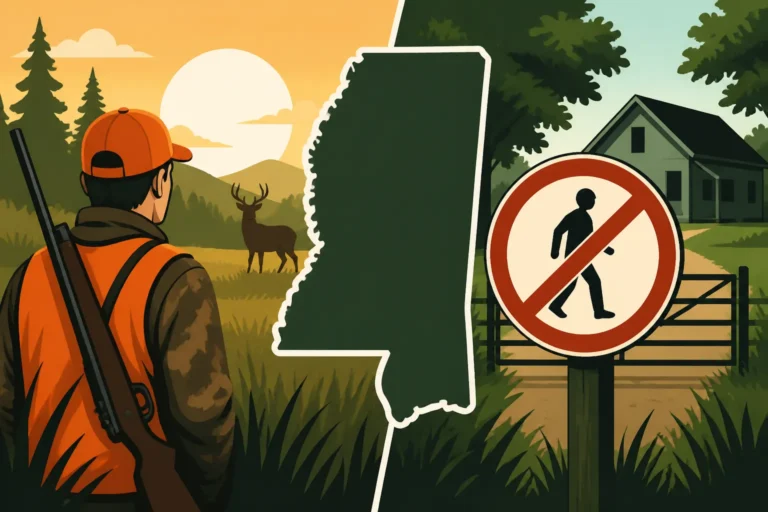
Hunting in Mississippi can feel like a labyrinth of rules and regulations, and when you add something as serious as Chronic Wasting Disease (CWD) into the mix, it's enough to make any hunter's head spin. If you're looking to hunt in Hancock County, you're now dealing with the extra layer of being in a CWD Management Zone, which means new responsibilities and considerations. This guide is here to cut through the confusion, helping you understand what this designation means for your hunting plans and how to navigate the specific rules for accessing and hunting in Hancock County.
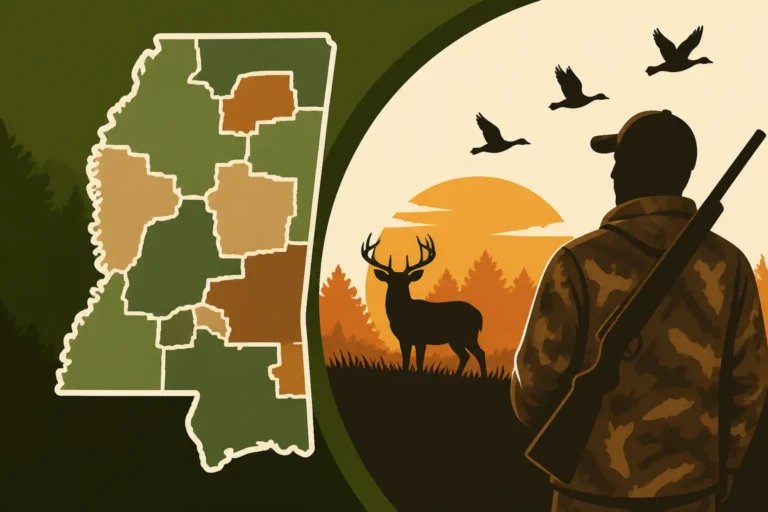
Understanding Mississippi's CWD Management Zones
Chronic Wasting Disease is a serious, fatal neurological disease affecting deer and other cervids. It’s a real threat to our state’s deer herd, and that’s why the Mississippi Department of Wildlife, Fisheries, and Parks (MDWFP) has established CWD Management Zones. When a county, like Hancock, is designated a CWD zone, it means CWD has been detected there, or it's a surrounding county that's critical for containing the disease's spread. This isn't just a geographical boundary; it comes with a specific set of rules that every hunter must follow. It's about protecting the future of hunting in Mississippi, even if it adds a few extra steps to your season.
Why Hancock County Is a CWD Zone
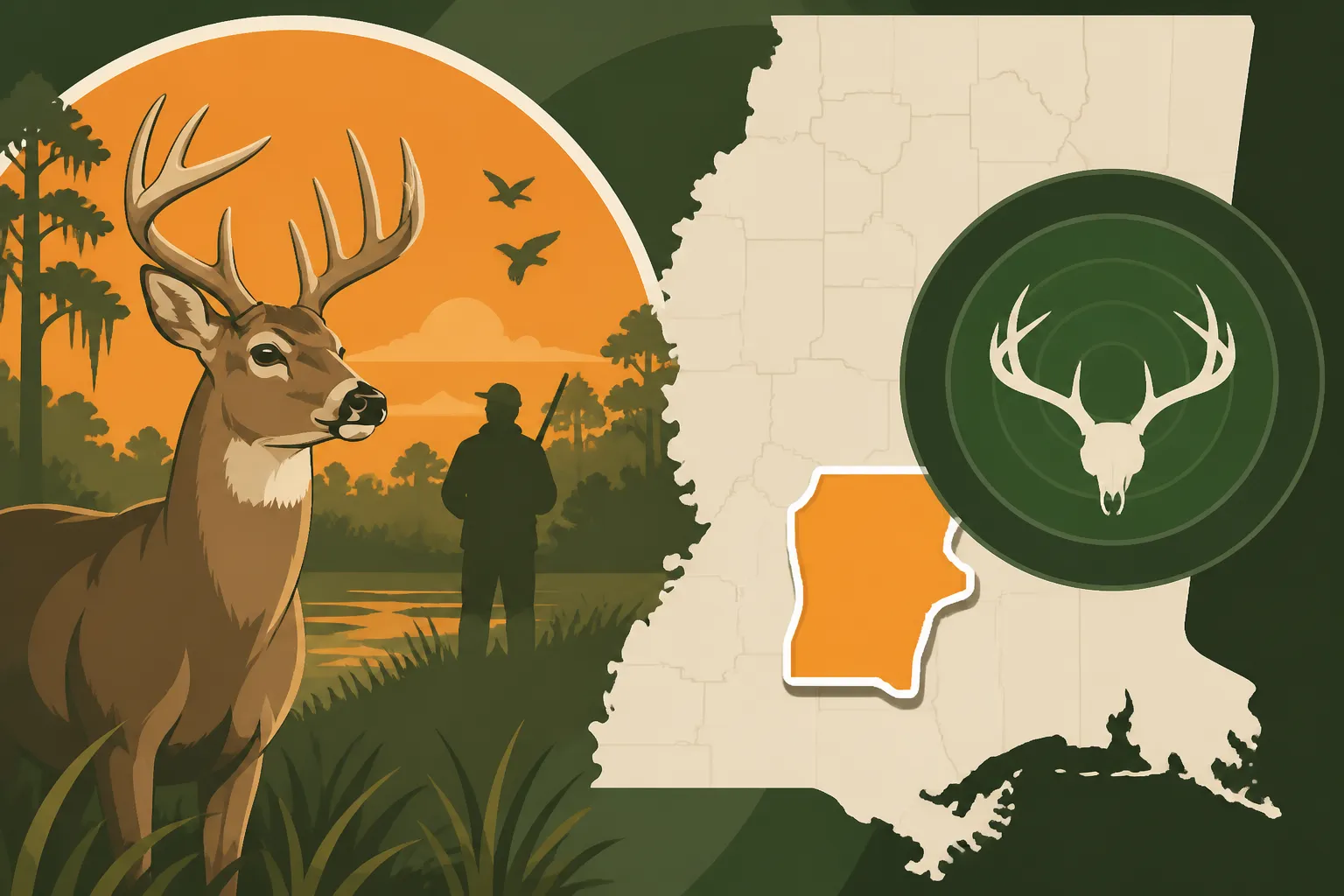
Hancock County, located in the southernmost part of Mississippi, was brought into the CWD management framework due to confirmed cases of the disease. This wasn't a decision made lightly; it came after careful monitoring and testing revealed CWD in the area. The aim is to prevent further spread by implementing strict rules within the zone. Hunters are truly on the front lines of this effort, and understanding that you're part of a larger conservation strategy can help make those extra steps feel more meaningful. You might have hunted these woods for decades, and suddenly, there's a new layer of responsibility. Mississippi's Chronic Wasting Disease Zones explains more about the statewide situation.
The designation of Hancock County as a CWD zone specifically impacts how you handle your harvest, where you can take certain parts of the deer, and sometimes, even how you interact with your fellow hunters. It's not about punishing hunters; it's about trying to manage a difficult situation with the best available science. This means that while your general deer season dates and bag limits might not change drastically, the post-harvest procedures certainly will. It’s crucial to stay updated, as these zones and their rules can be adjusted based on new data.
Key Regulations for CWD Zones
Across all CWD zones in Mississippi, certain regulations become mandatory for hunters. These aren't suggestions; they're enforceable rules designed to contain the disease. The primary regulations focus on two main areas: carcass movement and mandatory testing. For anyone hunting in Hancock County, these are non-negotiable aspects of your hunt. Imagine harvesting a beautiful buck or a doe for the freezer, and then realizing you can't just throw it in the back of your truck and drive it across the state line without consequence. It requires planning.
Mandatory Regulations Overview for CWD Zones
| Regulation Category | Specific Rule | Purpose |
|---|---|---|
| Carcass Movement | Whole carcasses or specific high-risk parts (brain, spinal cord, etc.) cannot leave the CWD zone. | Prevents the physical transportation of infected material to new areas. |
| Testing | Mandatory CWD testing for all deer harvested during specified periods (often opening weekends or full gun season). | Monitors disease prevalence, identifies new cases, and tracks spread. |
| Feeding/Baiting | Often restricted or prohibited, especially during parts of the season. | Reduces deer congregation at artificial feed sites, which can increase transmission. |
| Processing | Encouragement to process deer within the CWD zone. | Minimizes risks of spreading material to processors outside the zone. |
These regulations are put in place because CWD prions (the infectious agents) can persist in the environment for years, even after an infected animal is gone. By managing carcass movement and monitoring prevalence, we stand a better chance of keeping this disease from devastating local deer populations.
Navigating Hunting Access in Hancock County's CWD Zone
Hunting in Hancock County means you need to be acutely aware of the CWD zone boundaries and how they might affect both your access to land and your responsibilities after a successful hunt. Whether you're hunting private land or one of the public areas nearby, the CWD designation changes your game plan. It’s not just about finding deer; it’s about understanding the invisible lines that now dictate how you interact with your harvest.
Public Land Hunting Within the CWD Zone
Hancock County offers a mix of public and private hunting opportunities. For public land, you might find yourself on portions of the DeSoto National Forest or smaller state-managed areas. Even though these lands are open for public hunting, they are still subject to the CWD regulations of Hancock County. This means mandatory testing drop-off points will be established, and you'll need to know where they are. DeSoto National Forest Hunting is a great resource, but remember to overlay CWD rules on top of those general regulations.
When you're out scouting or setting up a stand on public land, especially if you're using a mapping tool like onX Hunt, it's incredibly helpful to not only mark your stand locations but also to identify the CWD zone boundaries. While Hancock County itself is designated a CWD zone, understanding its precise borders can become important if you hunt close to a county line. Knowing exactly where you are relative to these lines can save you a lot of headache and ensure you remain compliant with carcass movement restrictions. Imagine taking a deer just a mile over the line and then realizing you've got to turn around.
Private Land Considerations
For hunters on private land in Hancock County, the rules are just as strict. Landowners, leaseholders, and their guests must all abide by the same CWD regulations. This means communicating with your hunting partners and neighbors about the importance of compliance. If you're fortunate enough to hunt a family tract or a private lease, you still need to know where the CWD sampling stations are and how to properly prepare your deer for transport, even if it's just to a local processor within the county.
Many private land hunters rely on self-processing or using local, trusted butchers. In a CWD zone, this becomes even more important. You'll want to ensure that any processor you use is aware of and compliant with CWD protocols for handling deer. Furthermore, if you plan to share venison with friends or family outside of the CWD zone, only specific parts (deboned meat, clean hides, antlers with brain matter removed) can leave. This impacts how you field dress and butcher your animal right there in the woods or at your camp. Getting Private Land Permission in Mississippi is still key, but now with CWD added, it also means discussing these protocols with the landowner.
Mandatory Hunter Responsibilities in Hancock County's CWD Zone
Being a hunter in a CWD zone like Hancock County carries specific, non-negotiable responsibilities. These aren't suggestions; they are regulatory requirements designed to protect our deer herd and, by extension, our hunting heritage. Ignoring them can lead to penalties and, more importantly, contribute to the spread of a devastating disease.
CWD Testing and Sampling Stations
During specified periods, typically during peak deer season like the gun opener, mandatory CWD testing is required for all harvested deer within CWD zones. This means if you harvest a deer in Hancock County during one of these periods, you must submit a sample for testing. The MDWFP sets up convenient sampling stations, often at public access points, check stations, or even at some local businesses. You'll need to know their locations and operating hours.
The process usually involves bringing the deer's head, or sometimes just a specific part of it, to the station. Staff or volunteers will then take a tissue sample, usually from the obex region of the brainstem, which is the most reliable place to test for CWD. They'll tag your deer and provide you with information on how to check your test results online. It's a quick process that provides invaluable data. Don't skip it; it's our collective responsibility. Mississippi CWD Testing for Hunters provides a deeper dive into the overall process.
Carcass Movement Restrictions
This is perhaps one of the most impactful changes for hunters in a CWD zone. The rule is simple in principle: whole deer carcasses and certain high-risk parts (brain, spinal cord, eyes, spleen, lymph nodes) cannot leave the CWD zone. This means if you harvest a deer in Hancock County, you cannot transport the entire deer to your home in, say, Pearl or Rankin County, unless those counties are also CWD zones.
What can leave the zone?
- Deboned meat
- Clean skull plates with antlers attached (all brain tissue removed)
- Antlers detached from the skull
- Clean hides (without head attached)
- Finished taxidermy products
This often requires hunters to do more field dressing and even some rudimentary butchering at their hunting camp or at a designated facility within the CWD zone. It's not always convenient, especially after a long day in the woods, but it's vital. Imagine a hunter bringing an infected carcass out of Hancock County and discarding parts in a new area; that's how CWD spreads to new places. This is where diligent use of mapping apps like onX Hunt can help you visualize the CWD zone boundaries on your maps, so you're always aware of where you can and cannot transport your harvest. Mississippi Carcass Movement Restrictions details the rules further.
Reporting Your Harvest
Regardless of CWD zones, all harvested deer in Mississippi must be reported to the MDWFP. This is typically done through the MDWFP website or their mobile app. The information collected, including the county of harvest, is crucial for monitoring deer populations and disease prevalence. In a CWD zone, this reporting takes on an even greater significance as it ties into the overall disease management strategy. You’ll usually get a confirmation number that you might need if you're having your deer tested or processed. Mississippi Deer Reporting Requirements has the full rundown on this important step.
Practical Hunting Strategies for CWD Zones
Adapting your hunting strategies for a CWD zone like Hancock County isn't just about following rules; it's about making smart choices that enhance your hunting experience while also contributing to disease management. It might feel like an added burden, but with a bit of planning, you can still have a successful and responsible hunt.
Adjusting Your Approach to Deer Behavior
While CWD is a disease, it doesn't typically alter deer behavior in the early stages, so your core hunting tactics for locating deer won't necessarily change. You'll still focus on food sources, cover, and travel corridors. However, it’s always a good idea to be observant for any deer that look emaciated, disoriented, or are acting unusually. These could be signs of advanced CWD. If you observe such an animal, contact the MDWFP immediately. Do not attempt to harvest it unless instructed by wildlife officials.
When hunting near agricultural fields or managed food plots, be mindful of any baiting or feeding restrictions that may be in place within the CWD zone. These restrictions are often implemented to reduce deer congregation, which can facilitate disease transmission. If you're accustomed to using supplemental feed, you might need to shift your focus to natural food sources and travel patterns. Late-Season Food Sources for Mississippi Whitetails might offer alternative strategies for attracting deer.
Choosing Your Processing Plan Wisely
The carcass movement restrictions mean you need a solid plan for processing your deer before you even head into the woods. If you're hunting in Hancock County, identify local processors within the CWD zone that you can use, or be prepared to do your own butchering at your camp.
Consider these options:
- Local Processor: Find a reputable butcher within Hancock County or a neighboring CWD-designated county who understands and follows CWD protocols. Call them ahead of time to confirm their services and CWD guidelines.
- Field Deboning: Learn how to efficiently debone your deer in the field. This allows you to remove all the meat and transport it out of the zone legally, leaving the skeletal structure (and potentially high-risk parts) within the zone. This method also significantly reduces the weight you have to haul out.
- Mobile Processing Units: Some CWD zones may see mobile processors or dedicated drop-off points that facilitate in-zone processing. Check with MDWFP or local hunting communities for these resources.
It’s a bit more work, but it ensures you're compliant and doing your part to prevent disease spread.
Gear and Mapping for CWD Zones
Having the right tools can make navigating CWD regulations much smoother. A reliable mapping application like onX Hunt can be indispensable. With it, you can:
- Identify CWD Zone Boundaries: Many mapping apps include CWD zone overlays, clearly showing you exactly where the boundaries are relative to your hunting spot.
- Locate Sampling Stations: Some apps or state wildlife agency maps linked through apps will show the locations of CWD sampling stations.
- Mark Processing Facilities: Pin local processors or places where you plan to debone your deer, so you're never scrambling after a successful hunt.
Additionally, carrying game bags, a sharp knife, and potentially a small bone saw can make field quartering and deboning much more manageable. Think ahead, prepare your tools, and you'll find the CWD regulations less of a hurdle and more of a routine part of a responsible hunt. Understanding the terrain and planning your entry and exit routes for carcass recovery is always key, but even more so with CWD in mind. Scouting Mississippi Public Land Before Season becomes even more important for identifying these key locations and planning your logistics.
Disclaimer
This article is for general informational purposes only and does not constitute professional advice. Laws, prices and regulations vary by location and change over time. Consult a qualified professional for guidance on your specific situation.