Stone County Public Land Access
Trying to find quality public hunting land in Mississippi's Piney Woods, especially a specific spot like Stone County, can sometimes feel like trying to track a ghost through a thicket. It's easy to get discouraged when maps look promising but on-the-ground access is a nightmare, or when you're unsure of the specific rules and what truly defines public access. This guide is here to cut through that confusion, helping you confidently navigate Stone County's public hunting opportunities and make the most of your time afield.
Understanding Stone County's Public Hunting Landscape
Stone County, nestled in the heart of Mississippi's southern Piney Woods region, offers a distinct public hunting experience primarily dominated by one major player: the DeSoto National Forest. Unlike some areas of the state with a patchwork of Wildlife Management Areas (WMAs) and smaller public tracts, Stone County's public hunting largely centers around this expansive national forest. This means understanding the rules and terrain of the DeSoto is paramount for any hunter looking to fill a tag here.
The Dominance of DeSoto National Forest
When you talk about public hunting in Stone County, you're almost exclusively talking about the DeSoto National Forest Hunting. This vast federal land provides incredible opportunities for deer, turkey, hog, and small game hunting. It's a different beast than many private land tracts, often characterized by its sheer size, diverse but mostly pine-dominated habitats, and a management philosophy focused on multiple uses, including timber, recreation, and wildlife. This means you might encounter logging operations, hiking trails, or other outdoor enthusiasts, all of which are part of the public land experience.
Navigating the DeSoto National Forest requires a shift in mindset from hunting smaller, managed private properties. You'll often need to walk further, scout more extensively, and be prepared for less manicured landscapes. But with that extra effort comes the reward of truly wild animals and the satisfaction of earning your harvest in a challenging, beautiful environment. It's an opportunity for a true adventure, where you can disappear deep into the woods for a day or even several.
Ecosystems and Habitat in the Piney Woods
The landscape of Stone County and the DeSoto National Forest is quintessential Hunting the Piney Woods Region. This means you'll be dealing with vast stands of longleaf and loblolly pine, often managed through prescribed burns. These burns create open understories, which can be fantastic for visibility and travel, but also mean food sources might be less concentrated than in hardwood bottoms. Scattered throughout the pine uplands, you'll find creek drains and river bottoms that host hardwood trees like oaks, sweetgums, and poplars. These are often the key areas to focus on for deer, as they provide critical browse and acorn crops.
Understanding how game utilizes these varied habitats is crucial. Deer will often bed in the thick pine regeneration or clear-cuts and travel to the hardwood bottoms to feed. Turkeys will roost in the taller pines and then scratch for insects and seeds in the more open, burned areas. Hogs are ubiquitous, rooting through both pine and hardwood areas, often following creek drainages. Learning to "read" these different ecosystems for signs of activity – rubs, scrapes, tracks, rooting – is a skill that will pay dividends when hunting this unique southern forest.
Limited Alternative Public Access
While DeSoto National Forest is the main event, it's worth noting that Stone County itself doesn't offer a wide array of other public hunting lands. There aren't many state-managed WMAs directly within Stone County's borders that provide significant hunting acreage outside of the national forest system. This means that hunters specifically targeting Stone County will largely be focusing their efforts within the DeSoto's boundaries.
This concentration on the National Forest isn't a bad thing; it simply streamlines your planning. Instead of trying to juggle multiple WMA regulations and diverse land types, your primary focus will be on mastering the vastness and specifics of the DeSoto. Always remember to check the Mississippi Department of Wildlife, Fisheries, and Parks (MDWFP) website for the most current information regarding any small, localized public lands that might exist or specific DeSoto National Forest regulations that apply to your hunt.
Navigating Access and Terrain Challenges
Hunting Stone County's public land can be incredibly rewarding, but it definitely presents its own set of navigational and topographical challenges. It's not always as straightforward as pulling off a paved road and walking into a meticulously managed food plot. You'll need to be prepared for rugged terrain, potentially dense undergrowth, and a healthy dose of self-reliance.
Utilizing Digital Mapping for Strategic Entry
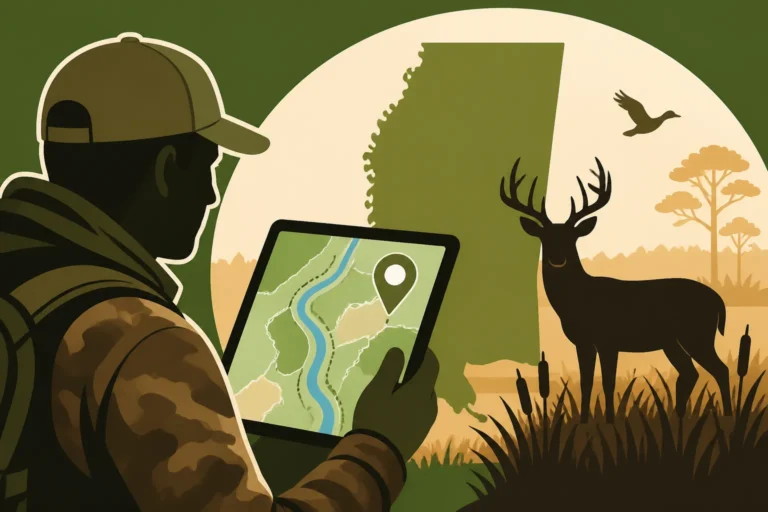
Your best friends when tackling public land in Stone County will be robust digital mapping tools. Forget the old folded paper map alone; while it’s great for backup, a modern mapping app is indispensable. Programs like onX Hunt or GoHunt are absolute game-changers for public land hunters. These apps allow you to overlay property lines, view satellite imagery, topo maps, and even mark your stands, scrapes, and travel routes. Before you even set foot in the woods, you can use these tools to identify potential access roads, parking areas, and distant timber cuts or creek bottoms that might hold game.
Think of it this way: instead of blindly wandering, you can virtually scout miles of terrain from your couch. You can find those hidden fingers of hardwoods deep within a pine plantation or identify subtle elevation changes that could funnel deer. Having a clear understanding of where public land ends and private property begins is also critical, preventing accidental trespassing. Remember, even with these tools, download offline maps if you expect to lose cell service, which is common in many remote parts of the DeSoto. This kind of preparation using digital resources dramatically reduces the frustration once you're on the ground.
Ground Truthing and Scouting the Area
No matter how good your digital maps are, there's no substitute for Scouting Mississippi Public Land Before Season. Get boots on the ground long before opening day. This means walking the logging roads, busting through some brush, and exploring those areas you pinpointed on your mapping app. Look for active deer trails, fresh hog rooting, turkey scratchings, and natural funnels created by terrain or vegetation changes. Creek crossings, saddles between ridges, and the edges where pine stands meet hardwood bottoms are always good places to start.
Scouting isn't just about finding game sign; it's also about understanding the lay of the land firsthand. How easy is it to walk through that "open pine stand" you saw on the satellite image? Is that creek crossing manageable, or will it require a significant detour? Where are the dominant winds likely to blow? Paying attention to details like these, and marking them on your onX Hunt app, will save you precious hunting time and increase your odds of success. When you're dealing with vast areas like the DeSoto, knowing your specific hunting spot intimately makes all the difference.
Understanding Water Features and Topography
Stone County's topography isn't as dramatic as the Hills Unit, but it's far from flat. You'll encounter numerous small creek drains, larger creeks like Black Creek, and the Leaf River system. These water features are magnetic for wildlife, providing water, cover, and often the richest food sources in the form of hardwood trees. Learning to read these creek bottoms and how they interact with the surrounding pine uplands is key. Deer often travel parallel to creeks, using the denser cover, and frequently cross at narrow points or where the banks are less steep.
Elevation changes, even subtle ones, can create natural funnels and thermal currents that influence game movement. Ridges and draws might not be towering, but they can still dictate how deer move from bedding to feeding areas. Understanding Wind and Thermals in Delta Bottomland (even though you're in the Piney Woods, the principle of how air moves and carries scent applies) will help you position yourself effectively. Animals will often bed on lee slopes, out of the direct wind, or use creek bottoms as protected travel corridors. A good topographical map on your GoHunt app will highlight these features, guiding your ground scouting efforts.
Regulations, Pressure, and Respecting the Land
Hunting public land successfully in Stone County, especially within the DeSoto National Forest, isn't just about finding game. It's also about understanding and adhering to the specific rules, managing expectations regarding hunting pressure, and always demonstrating respect for the land and fellow outdoors enthusiasts. Ignorance of the rules is never a good defense, and understanding the local dynamics can greatly improve your experience.
Key Regulations for National Forest Hunters
When hunting within the DeSoto National Forest, you'll be subject to a dual layer of regulations: statewide Mississippi hunting laws and specific National Forest rules. It's crucial to check the MDWFP Outdoor Digest for the latest Mississippi Deer Season Structure Explained, specific unit dates, and bag limits. Stone County typically falls within the Southeast Unit, which sometimes has different season dates or antler restrictions than other units. For example, knowing the Hills and Southeast Unit Antler Restriction Rules is critical for legal buck harvest. Beyond that, be aware of rules regarding baiting (generally prohibited on National Forest land), treestand placement (often requiring non-damaging methods and removal after season, see Treestand Rules on Mississippi Public Land), and vehicle access.
Always carry your valid Mississippi Hunting Licenses and What They Cost and any required permits. Blaze orange requirements are also important for safety during gun seasons, so make sure you understand Mississippi Blaze Orange Requirements. The National Forest also has rules about camping, fire restrictions, and leaving no trace, which are all part of responsible public land use. Familiarize yourself with these ahead of time to avoid any run-ins with forest rangers or game wardens.
Managing Hunting Pressure on Public Land
Let's be realistic: public land, especially accessible tracts of the DeSoto National Forest, sees hunting pressure. You won't always have it to yourself. Opening weekends and prime rut dates will bring out crowds. This is a reality we all face. However, this doesn't mean you can't find success. The key is to be willing to work harder and smarter than the average hunter. Many hunters won't venture far from their vehicle or a main logging road. This creates opportunities for those willing to put in the miles.
Consider hunting midweek if your schedule allows, or focusing on areas that require a longer walk or a difficult creek crossing. Deer, hogs, and turkeys learn quickly and will move to thicker, less disturbed cover when pressured. That's your cue to find those overlooked pockets. Sometimes, simply altering your approach angle or walking an extra half-mile into a block of timber can put you into unpressured territory. Understanding that others will be out there means you need to adapt your tactics, perhaps sitting longer, moving slower, or focusing on those deep, less accessible spots.
Wildlife You'll Encounter and Target
Stone County's public lands are rich in various game species. Deer hunting is a primary pursuit, with both antlered and antlerless opportunities. While not typically known for producing the truly massive bucks of the Delta, DeSoto National Forest still offers solid opportunities for healthy, mature whitetails. Don't overlook White-Tailed Deer Across Mississippi as a fantastic challenge in the Piney Woods.
Feral Hogs Across Mississippi are also abundant and can be hunted year-round on private land, but check specific National Forest rules for public land hog hunting. They provide an exciting and often chaotic hunt, and their populations are high, making them a consistent target. Squirrel and Small Game Hunting in Mississippi is also excellent in the DeSoto, with bushy-tailed squirrels and rabbits providing fun outings, especially for younger hunters or those looking for a less intense experience. You'll also find Wild Turkeys in Mississippi, though they can be quite wary on public land, making a successful spring gobbler hunt a true trophy. Always consult the specific game species seasons and bag limits for the Southeast Unit before planning your hunt.
Table: Common Game and Seasons in Stone County Public Lands
Here's a general overview of common game and their typical season frameworks within Stone County's public lands, primarily the DeSoto National Forest. Always confirm specific dates and regulations with the MDWFP Outdoor Digest for the current year.
| Game Species | Typical Season Overview (Southeast Unit) | Key Hunting Considerations |
|---|---|---|
| White-tailed Deer | Archery, Muzzleloader, and Gun seasons. Long archery window, followed by staggered primitive weapons and gun seasons. | Focus on hardwood drains, creek bottoms, and edges of pine plantations. Use digital maps like onX Hunt to identify funnels. Expect pressure on opening days; walk deeper or hunt midweek. Check specific antler restrictions. |
| Feral Hogs | Often year-round on National Forest land (confirm local rules). | Target dense cover, creek drainages, and areas with fresh rooting. Can be hunted opportunistically while deer or turkey hunting. Night hunting rules vary, so verify for specific public land. |
| Wild Turkey | Spring season only. Dates vary, typically March into May. | Roosting in tall pines, feeding in open burned areas or hardwood bottoms. Public land turkeys are savvy. Scout heavily, be patient, and adapt to pressured birds. Mississippi Spring Turkey Season Rules apply. |
| Squirrel | Fall through late winter. | Excellent opportunities in hardwood bottoms and areas with mast crops. Often less pressured than deer. Great for introducing new hunters. Mississippi Squirrel Daily Bag Limit usually generous. |
| Rabbit | Fall through late winter. | Look for thick briar patches, regenerating clear-cuts, and brushy field edges. Often hunted with dogs, but jump-shooting is possible. |
Disclaimer
This article is for general informational purposes only and does not constitute professional advice. Laws, prices and regulations vary by location and change over time. Consult a qualified professional for guidance on your specific situation.