Checking a Mississippi Guide’s License Status
It’s an exciting time when you’re planning a hunting trip in Mississippi, whether you're chasing a trophy buck in the Delta or calling gobblers in the Piney Woods. But amidst all the anticipation of scouting, gear prep, and dreaming of that perfect shot, a nagging worry can creep in: how do you know the guide or outfitter you're considering is truly legitimate? It’s a valid concern, as trusting your hard-earned money and precious hunting time to an unknown entity can be risky. This comprehensive guide is here to walk you through the essential steps to verify a Mississippi hunting guide's license status, ensuring your adventure is both legal and safe.
Why Verifying a Guide's License Matters More Than You Think
Booking a guided hunt is a significant investment, both financially and in terms of your personal time and expectations. When you hand over your money, you're not just paying for access to land or a chance at an animal; you're paying for expertise, safety, and a smooth, legal experience. Skipping the simple step of checking a guide's credentials can open you up to a world of frustration and even legal trouble.
Protecting Your Investment and Your Hunt
Imagine spending months saving up, taking vacation days, and driving hundreds of miles, only to arrive and find your guide is a no-show, operating illegally, or simply not delivering on promises. It’s a nightmare scenario, and unfortunately, it happens. Unlicensed individuals often lack the accountability of legitimate businesses. They might cut corners, provide sub-par equipment, or simply vanish with your deposit.
A licensed guide, on the other hand, typically has a business registered with the state, carries insurance, and has a professional reputation to uphold. Their livelihood depends on satisfied clients and adherence to regulations. This commitment translates directly into a better, more reliable experience for you. You're investing in their expertise, their knowledge of White-Tailed Deer Across Mississippi or Wild Turkeys in Mississippi, and their ability to navigate the complex hunting regulations, ensuring your hunt is fair chase and above board. Don't let your excitement blind you to the need for basic due diligence; it’s the best way to safeguard your financial outlay and the precious memories you hope to make.
Ensuring Safety and Legal Compliance
Beyond protecting your wallet, verifying a guide’s license is fundamentally about your safety and legal standing. Hunting, especially in unfamiliar territory, carries inherent risks. A professional guide is trained to manage those risks, from navigating challenging terrain to handling firearms safely and providing first aid if needed. They should also be well-versed in Mississippi's specific hunting laws, including harvest reporting, bag limits, and ethical practices.
Hunting with an unlicensed guide can put you in a precarious position. If an accident occurs, you might find yourself without recourse, as an unlicensed operation is unlikely to carry proper liability insurance. Worse yet, if the guide is operating outside the law, you, as a participant, could inadvertently face legal consequences yourself. You could be subject to fines, forfeiture of equipment, or even loss of hunting privileges if you're found to be hunting illegally, even if you were unaware of your guide's lack of credentials. It's crucial that everyone involved in a hunt adheres to the regulations, and that starts with ensuring your guide is fully compliant. Understanding Mississippi Hunter Education Requirements and Mississippi Wildlife Violation Penalties are important for every hunter, and a licensed guide reinforces that commitment to legal and ethical hunting.
The Professionalism Factor
A license often serves as a baseline indicator of professionalism. To obtain and maintain a license, an outfitter or guide typically has to meet certain state requirements, which can include background checks, proof of insurance, and adherence to ethical standards. This process weeds out many fly-by-night operators who are simply looking to make a quick buck without investing in a legitimate business.
A professional guide understands that their reputation is their most valuable asset. They're usually invested in proper land management, scouting, and client satisfaction because they intend to be in business for the long haul. They’ll communicate clearly, set realistic expectations, and prioritize the quality of your experience. This level of professionalism contrasts sharply with an unlicensed operator who might be less concerned with long-term client relationships or ethical hunting practices. When you’re spending your time in the field, whether it’s deer hunting or Spring Turkey Hunting in Mississippi, you want to be sure you’re with someone who takes their role seriously and provides a reputable service.
How to Navigate the Mississippi Department of Wildlife, Fisheries, and Parks (MDWFP) Resources
The Mississippi Department of Wildlife, Fisheries, and Parks (MDWFP) is your primary resource for verifying the legitimacy of a hunting guide or outfitter in the state. They are the governing body responsible for issuing licenses and regulating hunting activities, and they maintain records that can help you confirm a guide’s status.
The Official MDWFP Website as Your First Stop
Your initial step should always be to visit the official MDWFP website. This portal is a treasure trove of information, and it's where you'll find the most up-to-date regulations, licensing requirements, and often, searchable databases or contact information for various divisions.
Start by looking for sections related to "licenses," "permits," or "commercial operations." While some states have a specific "hunting guide license," others may categorize it under broader commercial recreational permits or outfitter registrations. It's important to understand that the specific terminology might vary. What you’re looking for is any official registration or license that permits an individual or business to charge clients for guided hunting services. The MDWFP website should clearly outline what is required for such operations in Mississippi. They often have dedicated pages detailing commercial hunting licenses or even lists of approved outfitters. Even if you don't find a direct search tool, the website will provide crucial contact information for the licensing division. You can also gain valuable insights into general regulations, which will help you frame your questions when speaking to an MDWFP representative. For instance, you might want to cross-reference information found on their site with what a guide tells you, much like how you might use the Scouting With the MDWFP App to confirm public land boundaries or regulations while planning your trip.
Direct Contact: Calling or Emailing the MDWFP
Sometimes, the most direct approach is the best. If you can't find a searchable database online or if the information is unclear, don't hesitate to reach out to the MDWFP directly. They have staff dedicated to handling licensing and compliance inquiries.
Before you call or email, gather all the information you have about the guide or outfitter in question: their full name, the name of their business, the general area they operate in, and any specific contact information they've provided. The more details you can offer, the easier it will be for the MDWFP staff to look up their records. When you make contact, clearly state that you are trying to verify the licensing status of a commercial hunting guide or outfitter. Ask if they hold the necessary permits to operate in Mississippi and if they have any recorded violations. You might also ask about any insurance requirements for guides in the state, as a legitimate guide will almost certainly carry it. Be prepared for potential hold times or response delays, especially during peak hunting seasons, but persistence here is key. This direct communication is invaluable for getting concrete answers. It's a fundamental part of Vetting a Mississippi Outfitter Before You Book, ensuring that you receive accurate, official information directly from the source.
Understanding What "Licensed" Means in Mississippi
The definition of "licensed" can sometimes be a little nuanced depending on the state. Mississippi, like many states, aims to regulate commercial hunting activities to ensure public safety, fair chase, and conservation. It's not just about paying a fee; it's about meeting a standard.
While the MDWFP oversees all hunting regulations, the specific permit required for a guide might be an "outfitter license," a "commercial hunting license," or fall under a broader business license category that specifically authorizes guiding services. It’s important to clarify with the MDWFP what exactly an individual or business needs to legally operate as a hunting guide in Mississippi. This might include proof of liability insurance, adherence to specific operational guidelines, or even certain certifications. Don't assume that just a general business license covers hunting guide services. The MDWFP can confirm the precise license or permit required and whether the guide you're researching holds that specific credential. This deep dive into the specifics of what "licensed" means is a critical part of making an informed decision about your hunt, and ensures you understand the full scope of Mississippi Hunting Licenses and What They Cost beyond just your personal permit.
Beyond the MDWFP: Additional Due Diligence for Your Mississippi Hunt
While the MDWFP is your ultimate authority, there are several other practical steps you can take to build a comprehensive picture of a guide's legitimacy and reputation. These additional checks provide layers of assurance and can help you spot potential red flags.
Asking the Guide Directly for Proof
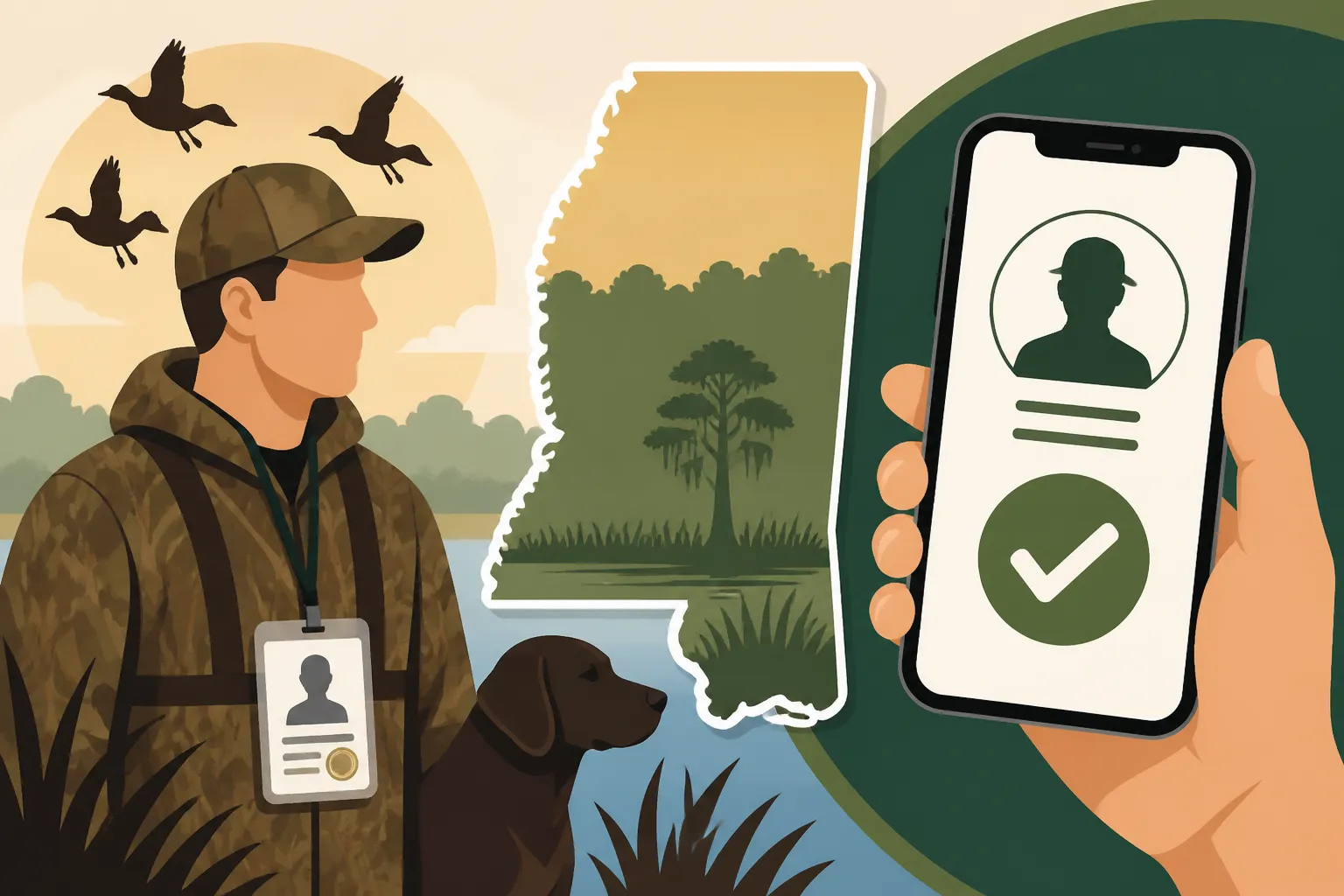
A truly reputable and legitimate guide will be proud to display their credentials. When you're in communication with a prospective guide, don't be shy about asking for proof of their licensing and insurance. A simple, polite request like, "Could you please provide your Mississippi guide or outfitter license number?" is perfectly reasonable.
A professional guide will typically respond promptly and transparently, perhaps even offering a copy of their license or insurance certificate without being asked. They understand that clients want peace of mind, and they want to demonstrate their commitment to legal and ethical operations. If a guide becomes evasive, defensive, or outright refuses to provide this information, consider that a significant red flag. It's an indicator that they may have something to hide or that they aren't operating above board. Trust your gut; if something feels off, it probably is. This direct inquiry is one of the most basic yet effective Questions to Ask Before Booking a Mississippi Hunt.
Utilizing Third-Party Booking Platforms and Associations
In the digital age, many hunters turn to online platforms to find and book guided hunts. Services like BookYourHunt and GoHunt act as aggregators, listing outfitters and guides from various regions. While these platforms can be convenient and often perform some level of vetting, it's crucial to remember that their checks might not be as thorough as your own direct verification with the state.
These platforms often have their own criteria for listing guides, which might include confirming basic business registration or positive client reviews. However, the onus is still on you, the hunter, to conduct your own due diligence. Use these platforms as a starting point to discover potential guides, but always follow up with direct verification through the MDWFP. Additionally, research if there are any professional outfitter or guide associations specific to Mississippi. Membership in such an association often indicates a commitment to higher standards and ethical practices, although it's not a substitute for state licensing. These associations may also have a code of conduct their members must adhere to. While helpful, remember that a listing on a third-party site or membership in an association doesn't automatically mean they are fully compliant with every aspect of state law; it’s just another piece of the puzzle.
Checking References and Reviews
One of the most powerful tools in your arsenal for vetting a guide is tapping into the experiences of past clients. Online reviews on platforms like Google, Facebook, or even hunting forums can offer valuable insights. However, approach online reviews with a critical eye. Look for patterns in feedback, both positive and negative, and prioritize detailed, specific accounts over vague praise or complaints.
Even better than anonymous online reviews is asking the guide for direct references – actual past clients you can speak to. A confident, reputable guide will readily provide a list of contacts. When you call these references, ask detailed questions: "Did the guide deliver on their promises?", "Was the hunt safe and organized?", "Were there any hidden costs?", "How was the communication?", "Would you hunt with them again?" Listen for consistency in their stories and their overall satisfaction. If a guide is unwilling to provide references, or only offers vague assurances, that's another potential red flag you need to consider carefully. This step is intimately linked with Reading Outfitter Success Claims and helps you discern genuine experiences from marketing hype.
What to Do If You Encounter an Unlicensed Guide
Discovering that a guide you’re considering, or have already engaged, is unlicensed can be unsettling. However, knowing how to react responsibly is crucial for your protection and for upholding ethical hunting standards in Mississippi.
The Risks of Proceeding with an Unlicensed Operation
The temptation to proceed with an unlicensed guide, perhaps because they offer a cheaper rate or seem to have promising access, can be strong. But the risks far outweigh any perceived benefits. As we’ve discussed, you expose yourself to financial loss if things go sideways, as an unlicensed individual might not be bonded or insured, leaving you with no recourse if they fail to deliver or an accident occurs. Your safety is compromised, as there’s no guarantee they meet any safety standards or possess the necessary first aid training.
Most critically, you risk legal repercussions. Hunting with an unlicensed guide, even if you’re unaware of their status, can be viewed by the MDWFP as participating in an illegal activity. This could lead to citations, fines, the confiscation of your gear, or even the loss of your hunting privileges. It could also lead to issues with game processing if an animal is harvested and reported under questionable circumstances. Your hunting license and your ability to hunt in Mississippi could be at stake, tarnishing your record and ruining your passion for the sport. It's simply not worth it.
Reporting Concerns to the MDWFP
If you uncover evidence that a guide is operating without the necessary licenses or in violation of state regulations, it's your responsibility as a conscientious hunter to report it to the MDWFP. This isn’t about being vindictive; it’s about protecting other hunters, upholding the integrity of the sport, and ensuring that Mississippi’s wildlife resources are managed ethically and legally.
When you make a report, provide as much specific information as possible: the guide's name, business name, any addresses or locations where they operate, dates of planned or observed illegal activity, and any evidence you might have (like advertisements, emails, or photographs). The MDWFP has enforcement officers who investigate such claims. You can typically find a dedicated hotline or reporting email on their website for wildlife violations. This action is similar to how one might go about Reporting a Poacher in Mississippi; it helps maintain the health and legal framework of our hunting heritage.
Finding a Reputable Alternative
After the disappointment of discovering an unlicensed guide, the best course of action is to cut ties and immediately pivot to finding a reputable, fully licensed alternative. There are many outstanding, ethical, and experienced guides operating legally in Mississippi who are eager to provide you with a fantastic hunting experience.
Go back to your verified list of criteria. Utilize the MDWFP website again, contact them directly for recommendations, and thoroughly check references for any new prospects. Look for guides who openly share their credentials, have glowing testimonials, and possess a deep knowledge of the local area and game species. Whether you’re looking for a guide specializing in Hunting Delta Unit Bottomland Deer or someone who knows the best spots for Hunting the Homochitto for Turkey, invest the time in finding a guide you can trust. By doing your homework and ensuring your guide is licensed and insured, you can proceed with confidence, knowing your hunt will be legal, safe, and hopefully, incredibly successful. Don't compromise; your hunting experience in the Magnolia State deserves the best. For those considering an out-of-state trip, understanding the specifics of Booking a Mississippi Hunt as a Nonresident also emphasizes the importance of verifying guide credentials for a smooth experience. Ultimately, these steps contribute to a positive overall experience and avoid many of the Red Flags When Booking in Mississippi.
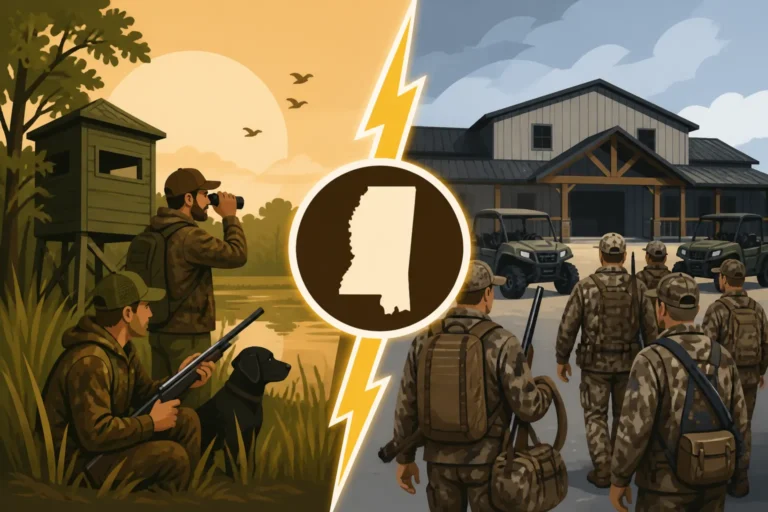
| Feature | Licensed Guide | Unlicensed Guide |
|---|---|---|
| Legal Status | MDWFP-approved, operates within state law | Operates illegally, no official sanction |
| Accountability | Subject to state regulations, professional ethics | Little to no official accountability |
| Insurance | Typically carries liability insurance | Unlikely to carry insurance, high personal risk |
| Safety Training | Often has certifications (e.g., first aid, CPR) | Unknown or minimal safety training |
| Reputation | Invested in long-term client satisfaction, references available | Often short-term focus, evasive about history |
| Financial Security | More secure deposit/payment process, contracts | High risk of lost deposits, no legal recourse |
| Game Law Knowledge | Expert in local game laws, bag limits, seasons | May disregard laws, putting hunter at risk |
| Client Experience | Structured, professional, often superior service | Unpredictable, potential for major disappointment |
Disclaimer
This article is for general informational purposes only and does not constitute professional advice. Laws, prices and regulations vary by location and change over time. Consult a qualified professional for guidance on your specific situation.