Bringing a Non-Hunting Guest to a Mississippi Lodge
It's a common desire for us hunters to share the passion of the outdoors, the camaraderie of camp, or simply the peaceful atmosphere of a hunting lodge with our loved ones. However, bringing a non-hunting guest along on what is fundamentally a hunting trip can sometimes feel like trying to fit a square peg in a round hole, leading to unexpected frustrations if not planned correctly. This guide aims to help you navigate the nuances of inviting a non-hunter to your Mississippi hunting lodge stay, ensuring everyone has an enjoyable and memorable experience.
Understanding Lodge Policies and Expectations
Before you even float the idea of bringing a non-hunting guest, the absolute first step is to thoroughly understand the specific lodge's policies. Every hunting operation is different, and what one lodge embraces, another might strictly forbid or charge a premium for. Don't assume anything; make that call or check the website carefully.
Guest Fees and Accommodation
Many Mississippi hunting lodges are set up primarily for hunters, meaning their pricing structure and accommodations are tailored to that specific clientele. This often includes meals, guiding services, and access to hunting grounds. When a non-hunting guest is introduced, they still consume resources—food, lodging, utilities—but aren't participating in the core service that generates the main revenue.
You'll almost certainly encounter a "non-hunting guest fee." This fee can vary wildly from a nominal charge to cover meals, up to a significant portion of a hunter's daily rate, especially if the lodge has limited space. For example, a lodge focused solely on Trophy Buck Guides in the Delta might have premium rooms and fewer available, making a non-hunter's stay impactful. You might find some places list their charges on platforms like BookYourHunt, so it's worth checking there for transparency. It's crucial to get a clear, itemized quote for your guest, so there are no surprises when you check out. Are meals included for them? Do they get their own room, or will they share with you at a reduced rate? Understanding these costs upfront is vital for budgeting and avoiding awkward conversations later.
Rules on Participation and Access
This is where things can get a little tricky and is often a point of contention. While your guest might be tagging along for the atmosphere, it doesn't automatically mean they can join you in the field. Lodges have strict safety protocols, insurance considerations, and often, regulations that dictate who can be present during a hunt.
Most commonly, non-hunting guests are not permitted to accompany hunters into the field, especially during actual hunting hours. This isn't just about safety; it's about minimizing disturbance to game, adhering to fair chase principles, and respecting the experience of paying hunters. Imagine booking an expensive guided duck hunt in flooded timber, only to have another hunter's non-hunting spouse chatting on a phone nearby. It just wouldn't work. However, some lodges might offer specific non-hunting activities like nature walks, birdwatching tours, or even photo safaris during non-hunting hours, which your guest might enjoy. Always clarify the exact boundaries of where your guest can and cannot go. Ask explicitly: "Can my spouse join me to watch me leave for the stand?" or "Can they sit in the blind during a lull in the action if they don't have a firearm?" The answer is almost always no to the latter, but it never hurts to clarify.
Communication with Lodge Staff
Open and honest communication with the lodge staff is your best friend when planning a trip with a non-hunting guest. Don't try to sneak someone in, or assume they'll be okay with an extra person showing up. That's a surefire way to start your trip on the wrong foot and potentially ruin the experience for everyone.
When you're making your initial inquiries, whether through their website or a service like GoHunt, explicitly state your intention to bring a non-hunting guest. Ask specific questions: what are the additional charges, what activities are available for them, what areas are off-limits, and what meals are included? For example, you might be booking a multi-day package that includes Lodge Accommodation and Meals for yourself, but your guest might need a separate arrangement. The clearer you are upfront, the better the lodge can prepare and inform you of their capabilities and limitations. A good lodge will appreciate your candor and work with you to make it a pleasant stay. If they seem hesitant or unwilling to accommodate, it might be a sign that their setup isn't ideal for non-hunters, and you might need to reconsider.
Activities and Entertainment for Non-Hunters
One of the biggest hurdles in bringing a non-hunting guest is ensuring they don't get bored. While you'll be out chasing deer or calling turkeys, they'll need engaging ways to pass the time. Mississippi lodges, especially those in scenic areas, often have more to offer than just hunting.
On-Site Amenities and Relaxing Options
Many lodges, especially those catering to a broader clientele beyond just hardcore hunters, understand the need for non-hunting activities. These might include comfortable common areas with fireplaces, reading nooks, or board games. Some may even have features like a small gym, a hot tub, or a stocked fishing pond.
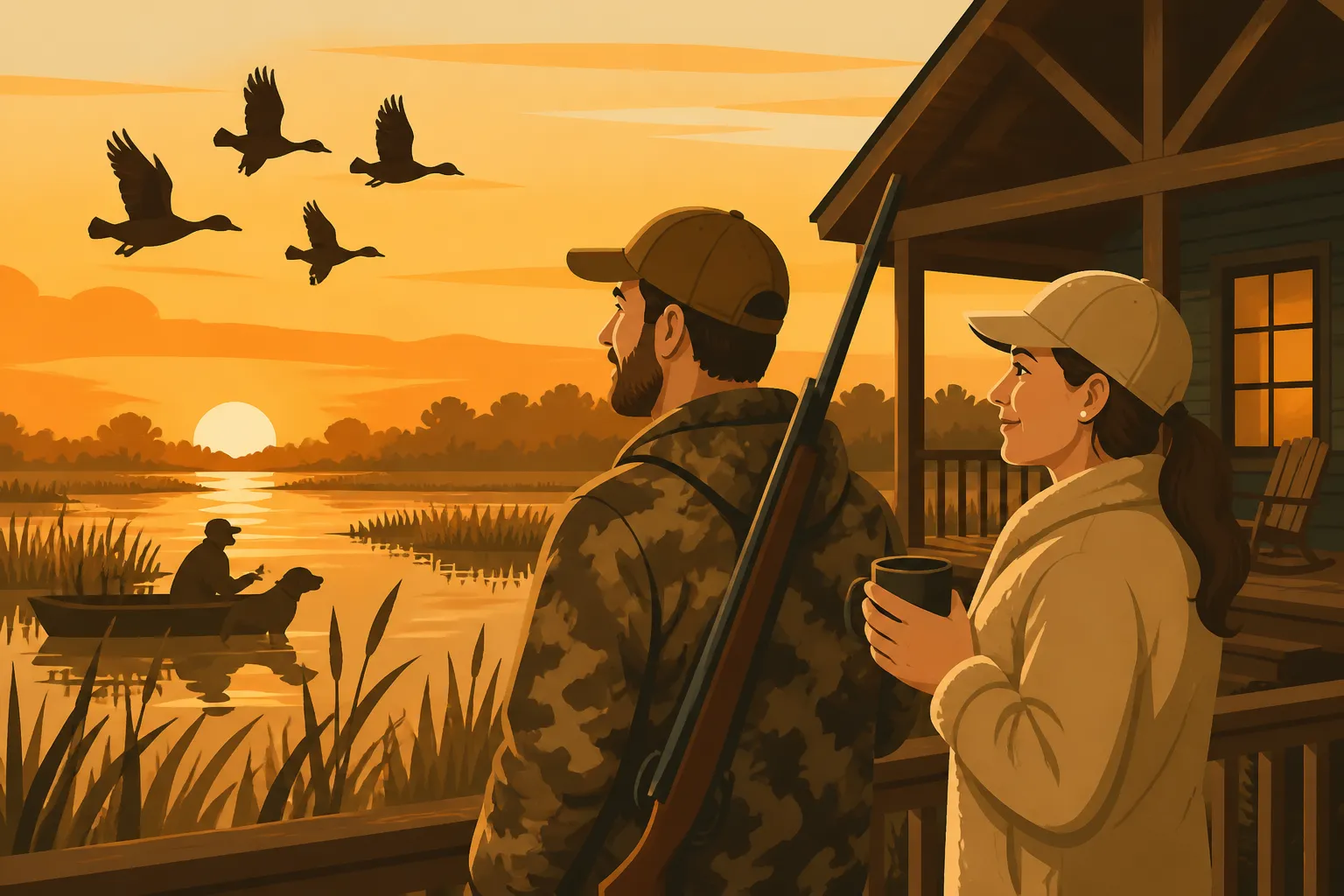
Encourage your guest to take advantage of these amenities. If your lodge is in a quiet, secluded area, a non-hunting guest might enjoy the simple pleasure of disconnecting, reading a book by the fire, or taking leisurely walks around the immediate property (after confirming safe areas with staff). Imagine a spouse enjoying a quiet morning coffee on the porch of a cabin while you're off in the woods pursuing White-Tailed Deer Across Mississippi. Many people simply crave a change of scenery and a chance to relax away from the daily grind. Clarify with the lodge if there are any designated walking trails or safe areas for exploration, particularly if hunters are actively moving about.
Exploring Local Attractions
Mississippi is rich in history, culture, and natural beauty, and many hunting lodges are situated within a reasonable drive of interesting towns, state parks, or historical sites. This offers a fantastic opportunity for your non-hunting guest to explore the local flavor.
Before your trip, do a little research together. Is the lodge near a charming small town with antique shops and cafes? Are there natural landmarks like the Loess Bluff Ridgelines or the mighty Mississippi River itself with its unique batture lands? Maybe there's a local museum or historical plantation nearby. Your guest could spend a day venturing out, perhaps having lunch in town, and then return to the peaceful lodge in the evening. This creates a balanced experience where they get to enjoy their own interests while you pursue yours. It's a great way to ensure they feel like they're on their own vacation, not just waiting around for you.
Connecting with the Hunting Experience Safely
While they might not be pulling the trigger, a non-hunting guest can still feel connected to the overall hunting experience in a variety of ways, provided it's safe and sanctioned by the lodge. This can make them feel more included and part of the adventure.
Perhaps they'd enjoy watching the dogs work during a Running Dogs on Mississippi Feral Hogs hunt from a safe distance, if the lodge allows observers. They might be fascinated by learning how to field dress a deer back at camp, or helping with the processing. Many non-hunters enjoy the camaraderie of the evening meal, listening to the day's hunting stories, and sharing in the excitement. They could also take on the role of camp photographer, capturing memories of the trip. Just make sure any involvement is purely observational and non-disruptive to the hunting activity itself. This connection can bridge the gap between their interests and yours, turning what could be a solitary pursuit into a shared, albeit distinct, experience.
Managing Expectations and Logistics for a Smooth Trip
Bringing a non-hunting guest requires more than just checking policies and finding activities. It's about careful planning and setting realistic expectations for everyone involved.
Setting Clear Boundaries and Schedules
Both you and your guest need to have a clear understanding of what the trip will entail, especially regarding your hunting schedule. A hunting trip often means early mornings, late nights, and sometimes long stretches of absence.
Be upfront about your hunting hours. Explain that you'll be up before dawn for ducks or deer, and might not return until after dark. This way, your guest isn't left wondering where you are or feeling neglected. Conversely, discuss their plans. Will they want to sleep in? Do they prefer quiet mornings or someone to chat with? Establish a loose schedule for when you will be together, perhaps for breakfast, lunch (if you return), or dinner. This structure can help avoid feelings of isolation for your guest and allow you to focus on your hunt without guilt. Consider something like Mississippi Deer Camp Traditions – these often involve shared meals and stories, which are perfect for inclusion.
Ensuring Comfort and Safety
Your guest's comfort and safety should be paramount. A hunting lodge, by its nature, can be rustic, and the surrounding environment might be unfamiliar or even intimidating to someone not accustomed to the outdoors.
Discuss the lodge's facilities honestly. Is it five-star luxury or a more basic cabin? What are the sleeping arrangements like? Are there any specific things they should pack, like comfortable shoes for walking or layers for variable Mississippi weather? Think about What to Pack for a Guided Mississippi Hunt suggests, and adapt it for a non-hunter. Most importantly, inform them of any potential hazards. This includes reminding them about wildlife (snakes, insects), respecting boundaries on hunting lands, and understanding where hunters might be active. Ensure they have access to a phone or communication device and know who to contact at the lodge if they need anything. A pre-trip chat about these practicalities can make a huge difference in their overall comfort level.
Financial Considerations
Beyond the non-hunting guest fee, there are other financial aspects to consider that might not be obvious to either you or your guest. Being transparent about these can prevent awkward moments.
Will your guest be paying their own way for their portion of the trip, or are you covering their costs? Discuss this beforehand. Also, consider incidental expenses. If they plan to explore local towns, they'll need money for meals, gas, and shopping. If the lodge has a bar or gift shop, those charges can add up. Tipping is another area where non-hunters might be unsure. While they might not be tipping a guide for a successful hunt, they might want to contribute to the general lodge staff, cooks, or housekeepers. Referencing something like Tipping Guides and Dog Handlers can help explain the general etiquette, even if their specific situation is different. Laying out all potential costs clearly will ensure no surprises for anyone.
Making the Decision: Is a Lodge Stay Right for Your Non-Hunter?
Ultimately, the decision to bring a non-hunting guest comes down to several factors, chief among them being the personality and interests of the guest themselves, and the nature of the lodge you're considering. It's not always the right fit, and that's okay.
Assessing Your Guest's Personality and Interests
Not every non-hunter will thrive in a hunting lodge environment. It's essential to realistically assess if your guest is genuinely interested in the experience or just trying to be supportive.
Consider if your guest is:
- Independent: Are they comfortable entertaining themselves for long stretches? Can they explore on their own or relax quietly?
- Outdoorsy (even if not hunting): Do they enjoy nature, wildlife viewing, or simply being away from the hustle and bustle?
- Flexible and Adaptable: Hunting schedules can be unpredictable, and lodge life sometimes involves rustic elements. Can they roll with the punches?
- Social: Will they enjoy the company of other hunters and lodge staff during meal times, even if they don't participate in the hunting?
If your guest is someone who needs constant entertainment, has an aversion to nature, or gets easily bored, a hunting lodge might not be their ideal vacation spot. While you might want to share your passion, forcing the experience on someone who won't enjoy it will likely lead to resentment.
Weighing Pros and Cons for Everyone
It's helpful to sit down and explicitly list the advantages and disadvantages from both your perspective and your guest's perspective. This can help clarify if the trip is a good idea.
Here's a simple comparison table to get you started:
| Aspect | Hunter's Perspective (Pros) | Hunter's Perspective (Cons) | Non-Hunter's Perspective (Pros) | Non-Hunter's Perspective (Cons) |
|---|---|---|---|---|
| Companionship | Shared meals, stories, presence of a loved one. | Less focus solely on hunting, potential distraction or guilt. | Unique experience, quality time, seeing hunter's passion. | Long periods alone, feeling like an afterthought. |
| Cost | Potentially split lodge costs, more affordable overall trip. | Extra guest fees, higher total trip cost. | Exposure to a new environment, relaxation. | Paying for a trip where core activity isn't enjoyed. |
| Activities | Opportunity to introduce aspects of the outdoors. | Limited interaction during hunting, needing to plan for guest. | Relaxation, local exploration, unique lodge experience. | Potential boredom, feeling isolated. |
| Flexibility | Having someone to enjoy downtime with. | Needing to consider their schedule/needs in your planning. | Freedom to set own schedule, no pressure to hunt. | Dependence on hunter for some logistics (e.g., transport). |
| Atmosphere | Sharing the hunting camp vibe with someone important. | Lodge might not be set up for non-hunters, leading to awkwardness. | Experiencing rural Mississippi, new social interactions. | Loud hunting stories, animal processing, early mornings. |
Considering these points honestly for a Mississippi Lodge and Package Hunts scenario can help make an informed decision.
Alternative Options for Sharing the Experience
If after all this consideration, it seems like a full lodge stay isn't the right fit for your non-hunting guest, don't despair! There are other ways to share your passion.
Perhaps a shorter visit to a more tourist-friendly area of Mississippi, with a hunting day trip woven in for you, is a better option. You could enjoy a weekend exploring a city like Vicksburg or Natchez, and then you could take a day to go Squirrel and Small Game Hunting in Mississippi or pursue hogs nearby. Another idea is to plan a trip focused on outdoor activities that both of you enjoy, such as hiking, canoeing, or fishing, reserving dedicated hunting time for yourself or separate trips. You could even involve them in the "after-hunt" experience by processing game meat together at home, or cooking a meal with your harvest. Sometimes, sharing the stories, the photographs, and the delicious venison at home is just as meaningful as having them physically present in the field. Remember, the goal is to share joy, not to create stress.
Disclaimer
This article is for general informational purposes only and does not constitute professional advice. Laws, prices and regulations vary by location and change over time. Consult a qualified professional for guidance on your specific situation.