Combining a Deer and Duck Trip in Mississippi
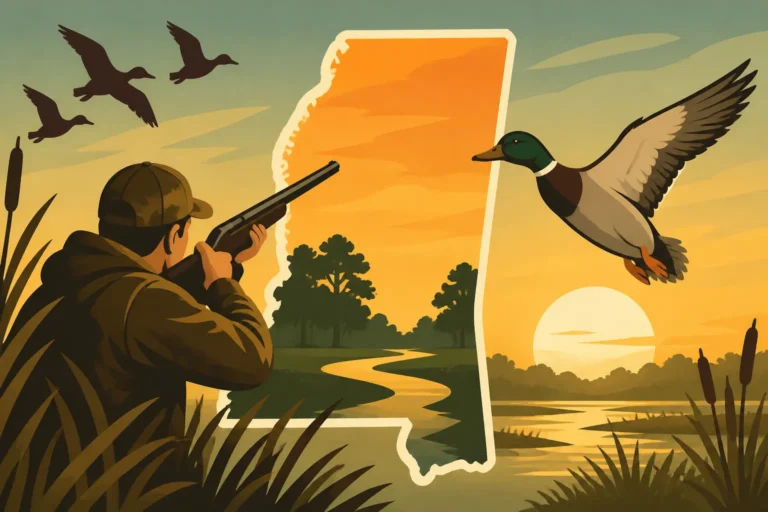
There’s a special kind of magic that happens when you combine two passions, and for many hunters, that magic is the simultaneous pursuit of Mississippi's incredible whitetails and its abundant waterfowl. It's a dream for many – filling a deer tag in the morning and then swinging on ducks in the afternoon – but the logistics can feel daunting. This guide will walk you through everything you need to know to make your dream of a combined deer and duck hunting trip in Mississippi a reality, from understanding overlapping seasons to practical gear considerations and finding the right services.
The Allure of a Combo Hunt: Why Mississippi is Perfect
Mississippi, with its diverse landscapes and prime location on the Mississippi Flyway, offers a unique opportunity for hunters looking to blend the thrill of deer hunting with the fast-paced action of duck hunting. This isn't just a pipe dream; it's a strategically viable option if you plan it right. The state boasts strong deer populations, particularly in the Delta region known for its big-bodied bucks, alongside world-class duck hunting as migratory birds funnel down the flyway.
A Confluence of Prime Hunting Opportunities
Imagine this: a crisp December morning, the sun barely peeking over the flooded timber, and you’re hidden deep in a blind, waiting for mallards to cup their wings. Later that day, with a duck strap potentially heavier than your waders, you quietly slip into a stand overlooking a soybean field edge, hoping a mature buck steps out before dark. This isn't just fantasy; it’s a tangible reality in Mississippi. The convergence of peak migratory bird season and the tail end of deer season, often coinciding with cooler weather that gets both deer and ducks moving, creates an incredible window for a dual-species adventure.
What makes Mississippi stand out is its rich blend of habitat. The vast bottomland hardwood forests, fertile agricultural fields, and intricate river systems create ideal environments for both deer and ducks. The deer thrive on the nutrient-rich forage, growing impressive antlers, while the ducks feast on waste grain and submerged vegetation in flooded areas. This ecological overlap means that, with careful planning, you can target both species in relatively close proximity, minimizing travel time between hunts and maximizing your time in the field.
The Unique Challenge and Reward of the Dual Pursuit
Undertaking a combo hunt isn't for the faint of heart; it requires adaptability, a well-thought-out gear list, and a solid understanding of both deer and duck behavior. You're essentially preparing for two different hunts simultaneously, which means double the scouting, double the gear considerations, and double the regulations to keep straight. However, the reward is equally doubled. There's an immense satisfaction in successfully transitioning from a frosty duck blind to a quiet deer stand, experiencing the full spectrum of Mississippi's wild offerings in a single trip. It’s a chance to truly immerse yourself in the natural rhythms of the state, observing how different species react to the same weather patterns and landscape features. For many, it's about pushing their skills as a hunter and experiencing the ultimate outdoor adventure that few other places can provide quite so seamlessly.
Navigating the Logistics: Timing and Zones for Success
Successfully combining a deer and duck hunt in Mississippi hinges entirely on timing and understanding the state’s distinct hunting zones. The good news is there's a significant overlap in seasons, especially from late December through January, offering prime opportunities.
Pinpointing the Overlapping Seasons
The sweet spot for a combo hunt typically falls when the general gun deer season is open and migratory waterfowl are at their peak in Mississippi. This often means late December and January. While deer seasons can vary across the state’s management units, and duck season has specific splits, there are usually several weeks when both are open concurrently.
For example, the Mississippi Deer Season Structure Explained outlines the different unit dates. The Delta Unit, known for its big bucks, often has a later gun season that can run well into January, perfectly aligning with prime duck migration. Understanding these specific dates and which unit you plan to hunt is paramount. Similarly, you'll need to consult the Mississippi Waterfowl Zones and Seasons to align your duck hunting days. Many hunters target the period after Christmas, as cold fronts typically push more ducks south, and deer are often still active, potentially even in the late stages of the rut depending on the unit. For instance, in the Delta, understanding Hunting the Rut in the Delta Unit can make your deer portion of the trip exceptionally productive during this window.
Selecting the Right Management Unit and Habitat
Choosing your hunting grounds carefully is crucial for a successful combo trip. The Mississippi Delta region is arguably the most renowned for dual-species opportunities. Here, vast tracts of flooded timber, agricultural fields, and sloughs offer prime duck habitat, often directly adjacent to or intermingspersed with deer cover like hardwood bottoms and thickets. Public lands such as Delta National Forest and its associated Sunflower WMA are excellent examples where this overlap occurs naturally.
However, other areas can also produce. Some of the river batture lands along the Mississippi River, while often private, can also hold both deer and ducks due to the blend of timber, fields, and water. When scouting or researching, look for areas that possess both standing water and diverse timber or field edges. A great duck hole might be a slough or a greentree reservoir, and the surrounding woods or nearby crop fields could hold significant deer activity. The key is to find properties or public land access points that offer both without requiring extensive travel between your morning duck hunt and afternoon deer stand.
Gear and Strategy for Dual Pursuit
One of the biggest hurdles in a combo hunt is managing your gear and adapting your strategy. You can't just bring deer hunting gear to a duck blind and expect success, or vice versa. It requires a thoughtful approach to what you pack and how you execute each part of your hunt.
Essential Gear Crossover and Specialization
While some items are species-specific, a smart hunter can find areas of overlap. For deer, your primary weapon (rifle, shotgun, muzzleloader, or bow), quiet camouflage, scent control, and a comfortable tree stand or ground blind are paramount. For ducks, a shotgun, waders, decoys, calls, and effective rain/waterproof gear are non-negotiable.
Here’s a breakdown of what you'll need:
| Category | Deer Hunting (Combo Focus) | Duck Hunting (Combo Focus) | Shared / Crossover Gear |
|---|---|---|---|
| Primary Gear | Rifle/Muzzleloader/Bow, Quiet Camo | Shotgun, Waders, Decoys, Calls | GPS/Mapping App, First Aid, Headlamp |
| Clothing | Layered, Scent-free, Earth tones | Layered, Waterproof, Camo (marsh/timber) | Warm base layers, good socks |
| Accessories | Binoculars, Rangefinder, Tree Stand/Ground Blind, Scent Eliminators | Thermos, Blind Bag, Dog Vest (if applicable), Water Bottle | Knife, Snacks, Hand Warmers |
| Footwear | Waterproof, Insulated Boots | Chest Waders or Hip Boots | |
| Post-Harvest | Field Dressing Kit, Game Bags | Game Strap, Cooler (for ducks) |
Notice the "Shared / Crossover Gear" column. Items like a reliable GPS or mapping app (like the one Scouting With the MDWFP App mentions), a headlamp, and quality base layers are invaluable for both hunts. Your choice of camouflage can sometimes pull double duty, but typically, you'll want dedicated patterns – quiet timber patterns for deer, and marsh/tree patterns for ducks. Always remember that good layering is key to adapting to Mississippi's often fluctuating winter temperatures.
Adapting Tactics from Stand to Blind
The mental shift between deer and duck hunting is as important as the gear shift. Deer hunting demands extreme stealth, quiet movement, and scent control. You're trying to outwit an animal with an incredible sense of smell and hearing. Duck hunting, while requiring concealment, allows for more movement in a blind, more noise (especially calling), and often involves water.
One effective strategy is to plan your duck hunt for the early morning, taking advantage of the prime flight times, especially when Hunting Greentree Reservoirs for Mallards. After the duck hunt, you’ll typically return to camp to change out of wet gear, grab some lunch, and then head to your deer stand for the afternoon. This break allows you to reset, change into fresh, scent-free deer hunting clothes, and switch your mindset. When hunting near water, be mindful of residual duck scent on your boots or clothing that could spook deer if not properly managed. Some hunters keep separate footwear for each species or use heavy-duty scent-eliminating sprays before heading to their deer stand. Consider setting up your deer stand near transition areas—like a field edge bordering a slough—that deer might use to travel to or from cover after the morning duck activity has settled.
Finding Your Ideal Combo Experience
Whether you prefer the grit of a self-guided adventure or the comfort and expertise of an outfitter, Mississippi offers options for combining your deer and duck hunting dreams. The choice often comes down to budget, experience, and how much planning you're willing to undertake.
Self-Guided Adventures on Public Lands
For the adventurous and budget-conscious hunter, a self-guided combo hunt on Mississippi's extensive public lands is a viable option. Places like Delta National Forest, which contains the Sunflower WMA, offer both excellent deer and duck opportunities. However, this route demands thorough preseason scouting, a deep understanding of regulations (including specific WMA rules), and the willingness to work hard. You’ll need to research Public Hunting Land in Mississippi thoroughly, utilizing resources like the MDWFP website for maps and regulations. You'll also be responsible for all your gear, setting up blinds, scouting for both deer and ducks, and adapting to conditions on the fly. This option offers immense satisfaction and a true wilderness experience, but it requires significant effort and preparation.
You might find yourself spending mornings Hunting a Sunflower WMA Greentree Reservoir for ducks, then in the afternoon, carefully traversing the same bottomland hardwoods to a deer stand you hung weeks before. This hands-on approach connects you deeply with the land and the animals.
The Ease and Expertise of Outfitted Combo Trips
For those who prefer a more structured, less labor-intensive experience, or who are new to Mississippi hunting, booking with an outfitter specializing in combo hunts is an excellent choice. Many Delta-based outfitters cater to this specific demand, leveraging their access to thousands of acres of prime private land for both deer and waterfowl.
Outfitters typically handle the scouting, provide blinds, decoys, transportation, and often include lodging and meals. This allows you to focus purely on the hunting experience. When looking for such services, platforms like BookYourHunt can be a great resource. You can often filter for outfitters that explicitly advertise "deer and duck combo hunts" or similar packages. Make sure to vet any outfitter carefully, asking detailed questions about what's included, success rates, guide-to-hunter ratios, and their contingency plans for adverse weather. Reading reviews and asking for references is crucial when Vetting a Mississippi Outfitter Before You Book. Websites like GoHunt can also offer general insights into hunting trends and regions, which can inform your conversations with potential outfitters.
Choosing a reputable outfitter means they’ll guide you through the intricacies of both types of hunts, ensuring you're in the right place at the right time for both species. They’ll also handle the often-complex access to private land, which can be difficult to secure on your own. Many Booking a Delta Duck Lodge options will also offer add-on deer hunts during the prime overlap, making it a seamless transition from one pursuit to the next.
Key Considerations for Planning Your Trip
Regardless of whether you go self-guided or outfitted, here are some final considerations for your Mississippi deer and duck combo hunt:
- Licenses: Ensure you have all the necessary licenses and stamps for both deer and ducks. This includes a general hunting license, big game permits, federal duck stamp, and HIP certification. Check Mississippi Hunting Licenses and What They Cost well in advance.
- Bag Limits: Be aware of daily and seasonal bag limits for both deer and ducks. For instance, understanding Mississippi Deer Bag Limit Rules and Mississippi Duck Daily Bag Limit is critical to stay legal.
- Weapon Restrictions: Know the legal firearms or archery equipment for each species and unit you plan to hunt.
- Weather: Mississippi winters can be unpredictable. Pack for all conditions: cold, rain, and even unexpectedly warm days. Waterproof gear is a must for duck hunting.
- Physical Demands: Be prepared for varying levels of physical exertion. Duck hunting often involves walking through mud and water, while deer hunting may require long sits and quiet movement.
- Game Care: Plan how you will process and transport your harvested game. Outfitters often assist with this, but for self-guided trips, you'll need coolers, ice, and knowledge of any CWD zone restrictions.
A combined deer and duck trip in Mississippi is an unforgettable adventure that truly showcases the state's incredible hunting heritage. With careful planning, the right gear, and a flexible mindset, you can enjoy the best of both worlds.
Disclaimer
This article is for general informational purposes only and does not constitute professional advice. Laws, prices and regulations vary by location and change over time. Consult a qualified professional for guidance on your specific situation.