What to Pack for a Guided Mississippi Hunt
There's nothing quite like the excitement of booking a guided hunt in Mississippi – the anticipation, the stories you'll tell, and the dreams of that perfect trophy. But let's be honest, that initial thrill can quickly turn into a headache when you start staring at an empty duffel bag, wondering exactly what to pack for the unpredictable weather, diverse terrain, and specific demands of a Mississippi hunt. This comprehensive guide is here to cut through the confusion and ensure you're fully prepared, whether you're chasing Delta ducks, Hills Unit whitetails, or Piney Woods gobblers.
Clothing and Layering for Mississippi's Unpredictable Weather
Mississippi weather has a mind of its own, and it loves to keep you guessing. One day you might be sweating in 70-degree warmth, and the next, a cold front could drop temperatures into the 30s. Being prepared for anything is key to a comfortable and successful hunt.
The Art of Layering: Adapting to Southern Swings
The secret to staying comfortable in Mississippi's variable climate isn't about packing one heavy coat; it's all about layering. Think of your clothing as a system you can adjust throughout the day as temperatures fluctuate, or as your activity level changes from a chilly morning sit to an active afternoon stalk.
Start with a good base layer. This is your foundation, and its primary job is to manage moisture. Synthetic materials or merino wool are excellent choices because they wick sweat away from your body, keeping you dry and preventing that clammy, cold feeling that can quickly set in. Cotton, on the other hand, absorbs moisture and holds it against your skin, making it a poor choice for any active hunting scenario. For those early season bowhunts when temperatures can still hover in the 70s and 80s, a lightweight, breathable base layer is a lifesaver. Conversely, for a late-season sit after a strong cold front, a medium to heavy base layer will make all the difference in maintaining core body warmth. If you're planning a hunt during the cooler parts of the year, make sure you've read up on strategies like Warm-Weather Sitting Strategy in Mississippi so you're not caught off guard by a sudden drop in temperature or unexpected warmth.
Next, consider your mid-layers. These provide insulation and are usually where you add or subtract warmth. Fleece jackets, vests, or insulated pullovers work wonderfully. They trap air, creating a thermal barrier, but are typically easy to shed if you start to warm up. Having a couple of different weights of mid-layers allows you to fine-tune your comfort level. For instance, a light fleece vest might be perfect for a brisk morning walk to your stand, which you can then take off once you're settled and the sun starts to climb.
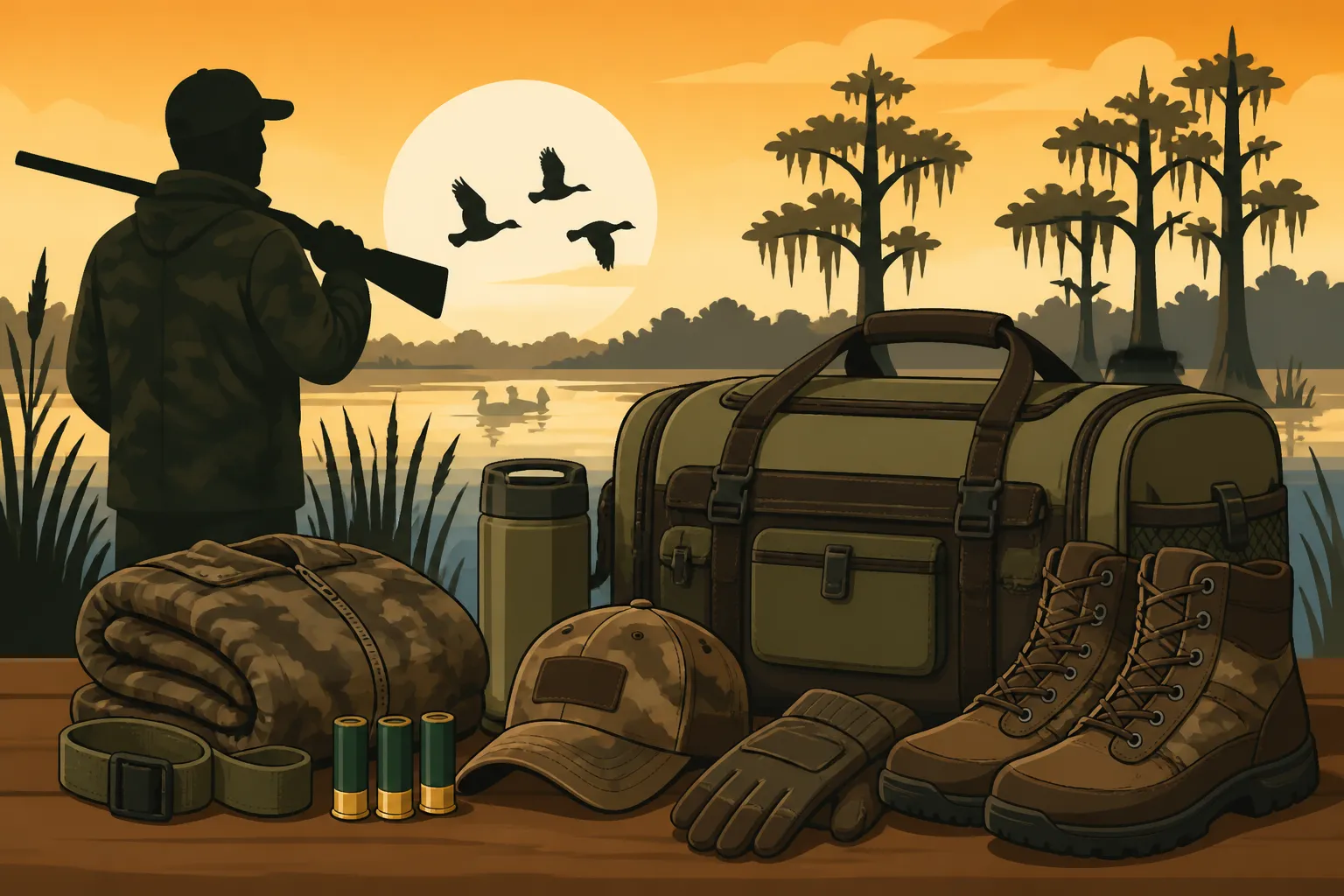
Finally, your outer layer is your protection against the elements – wind, rain, and snags. This needs to be durable, quiet, and offer appropriate camouflage for your specific hunt. Look for materials that are waterproof and windproof, especially for waterfowl hunting or if there's any chance of rain. Quietness is paramount for deer and turkey hunting; the last thing you want is a noisy jacket rustling every time you shift position. Pay attention to the type of camo pattern too; something suited for Mississippi's bottomland hardwoods will differ from a pattern designed for pine plantations or open fields.
Specific Attire for Different Hunt Types
The type of game you're pursuing will heavily influence your specific clothing choices.
For deer hunting, especially during gun season, blaze orange is a non-negotiable safety requirement on public lands and often on private leases. Make sure you understand Mississippi Blaze Orange Requirements well in advance. This typically means an outer garment, like a vest or jacket, and a head covering, all in solid blaze orange or a camouflage pattern with at least 500 square inches of blaze orange. For archery season, quiet, earth-toned camouflage is critical. You'll want clothing that allows for full range of motion without binding, especially when drawing a bow. Durable pants that can withstand briars and thick underbrush are a must, as you'll often be pushing through dense cover to get to your stand.
Waterfowl hunting demands serious waterproofing and warmth. Waders are absolutely essential if you're hunting flooded timber, a slough, or a marsh. Choose insulated waders for cold weather, and breathable, uninsulated ones for milder days, allowing you to layer underneath. Your outer camouflage needs to be waterproof and windproof, and don't forget waterproof gloves and a warm hat or face mask. Mud boots are useful for getting to and from boat launches or blinds. You'll often be sitting still for long periods in potentially damp conditions, so keeping dry and warm is critical for comfort and focus.
When chasing wild turkeys, full camouflage from head to toe is usually preferred. Turkeys have incredible eyesight, so breaking up your silhouette is vital. This includes a full-face mask or head net and camouflage gloves. Comfortable, sturdy boots are crucial, as turkey hunting often involves a lot of walking, especially when doing a run-and-gun style hunt. You might be covering miles of varied terrain, from damp creek bottoms to pine ridges, so supportive footwear that can handle mud, briars, and uneven ground is a must.
For feral hog hunting, especially night hunts, durability and dark, quiet clothing are your friends. Hogs aren't as visually acute as deer or turkeys, but they're incredibly attuned to scent and sound. Tough pants and jackets that can withstand thorns and brush are important, as hogs often inhabit the nastiest thickets. If you're planning on a night hunt, dark, non-reflective clothing is best. For dog-driven hog hunts, you'll need even more robust clothing, sometimes even protective chaps, depending on the outfitter's style.
Essential Gear Beyond Clothing: Don't Forget the Basics
While your clothes keep you comfortable, your gear is what enables you to hunt effectively and safely. A guided hunt means your outfitter will handle a lot of the logistics, but there are still personal items you absolutely need to bring.
Personal Hunting Equipment You'll Need
First and foremost, your firearm or bow is essential. Always confirm with your outfitter what specific firearms are recommended or permitted for your hunt. Bring ample ammunition or arrows, ensuring they are the correct type and caliber for the game you're pursuing. Always transport your firearm in a locked case. Remember to review Mississippi Legal Firearms for Deer Hunting if you have any questions about permissible equipment.
Optics are incredibly helpful, even with a guide. A good pair of binoculars can help you spot game at a distance or identify details in dense cover. A rangefinder is crucial for bowhunters and can assist rifle hunters in confirming shot distances, especially in open fields or longer timber lanes. Don't forget lens cleaning cloths!
Even if your guide handles the heavy lifting, having a personal hunting knife for field dressing or other tasks is a good idea. Consider a multi-tool for general utility. Some hunters also prefer to bring a small, personal field dressing kit, though most guides will have one.
A comfortable, adequately sized daypack is indispensable. This will hold your snacks, water, extra layers, first-aid kit, and any small personal items you need throughout the day. Look for a pack that's quiet, durable, and comfortable to carry, especially if you anticipate walking a significant distance.
Navigational Aids and Communication
While your guide is leading the way, it's always smart to have your own navigational aids. A GPS device or a smartphone with reliable mapping apps (like onX Hunt, which many hunters find invaluable for showing property lines and topo maps) can be a lifesaver if you get separated or need to find your way back to camp. Just be aware that cell service can be spotty in many remote Mississippi hunting areas.
Because of potential cell service issues, a portable power bank for your phone or other electronics is a must. There’s nothing worse than a dead battery when you need to check a map or take a photo.
A headlamp or small flashlight is critical for early morning walks to the stand and late-night retrieves. Choose one with a red light setting; red light preserves your night vision and is less likely to spook game. A simple whistle can also be a useful safety tool for signaling in an emergency. Many hunters use apps like the MDWFP application for checking harvest, so consider how Scouting With the MDWFP App might integrate with your needs.
Comfort and Health Items
A small, personal first-aid kit is a must-have. Include bandages, antiseptic wipes, pain relievers, and any personal medications you require. Bites, scrapes, and minor cuts are part of hunting, and being able to treat them promptly can prevent a bigger issue.
Insect repellent is absolutely critical in Mississippi. Mosquitoes, ticks, and gnats can be relentless, especially in warmer weather or damp environments like the Delta bottomlands. Look for repellents with DEET or permethrin for clothing treatment.
Sunscreen is often overlooked but important, even on cloudy days. You'll be spending long hours outdoors, and preventing sunburn contributes significantly to your comfort.
Bring a reusable water bottle or hydration pack. Staying hydrated is crucial, especially during strenuous hunts or in warmer weather. Many guided hunts involve significant physical activity, particularly if you're venturing into areas like the Delta bottomlands, where the Physical Demands of a Delta Duck Hunt can be substantial. Keep your energy up with some non-perishable snacks like energy bars, nuts, or dried fruit.
Documents, Licenses, and Outfitter Confirmations
Before you even think about packing your camo, make sure all your paperwork is in order. A guided hunt doesn't exempt you from Mississippi's hunting regulations.
All Your Paperwork in Order
The most crucial item is your Mississippi hunting license and any required stamps or permits. Depending on what you're hunting, this could include a state hunting license, a Federal Duck Stamp, a Mississippi Wild Turkey Stamp, or even a WMA permit if your hunt takes place on a Wildlife Management Area. Ensure you understand Mississippi Hunting Licenses and What They Cost and if you're pursuing gobblers, remember to check Who Must Buy the New Wild Turkey Stamp. It's best to have both a physical copy and a digital image of your license on your phone.
Always carry a photo ID, such as your driver's license, as wildlife officers may request it.
Keep a copy of your outfitter booking confirmation and any contractual agreements handy. This includes details like hunt dates, agreed-upon services, payment information, and contact numbers for your guide. Having this readily accessible can prevent misunderstandings.
Pre-Trip Communication with Your Outfitter
Effective communication with your guide or outfitter before your trip is paramount. This isn't just a courtesy; it's a critical step in ensuring you pack correctly and have a successful hunt.
Don't hesitate to ask specific questions about gear specifics. Will the outfitter provide blinds, decoys, or calls? What about treestands or ground blinds? Do they have a gun rest for a rifle hunt, or should you bring your own bipod? Confirming what they provide versus what you need to bring will prevent redundant packing or, worse, arriving without a crucial piece of equipment.
Clarify lodge amenities and meals. Will meals be provided? What kind of accommodations can you expect? Knowing if you'll have access to laundry facilities, a private room, or a shared bunkhouse will influence your personal packing. Discuss trophy care as well – does the outfitter have facilities for caping and quartering, or will you need to make arrangements? Some outfits offer additional services for taxidermy or meat processing.
It's also wise to discuss unexpected weather plans. What happens if heavy rains make an area inaccessible? What's the protocol for extreme cold or heat? Understanding their contingency plans will help you manage expectations and mentally prepare. You can find a more extensive list of important pre-booking inquiries in Questions to Ask Before Booking a Mississippi Hunt. Reputable outfitters, whether you found them through a platform like BookYourHunt or researched them independently, are generally happy to answer these questions.
Post-Harvest Considerations for Your Pack
The hunt isn't over until the meat is processed and the trophy is cared for. Thinking ahead about how you'll handle your game post-harvest can save you a lot of stress.
Preparing for Game Transport
If you're successful, you'll need to transport your game. A good-sized cooler (or several) is essential for keeping meat cold during your journey home. Consider bringing heavy-duty Ziploc bags or game bags to protect processed meat or capes. Have plenty of ice readily available, or plan where to purchase it. Some outfitters will have ice on hand, but it's always good to be prepared.
Remember your carcass tags and be familiar with Mississippi's deer reporting requirements. You'll need to know the proper procedure for tagging and reporting your harvest, especially if you're in a Chronic Wasting Disease (CWD) management zone. If you plan to ship meat, be aware of the rules and processes, which can be explored further in Shipping Game Meat Home After a Mississippi Hunt.
Trophy Care and Taxidermy
If you're hoping for a shoulder mount, your guide will typically help you with the initial caping. However, it's a good idea to bring some large, sturdy plastic bags to protect the cape for transport. While many outfitters work with local taxidermists, having a plan for your trophy is important. You might want to take high-quality photos with your own camera before any processing begins. Discuss specific arrangements for Taxidermy Arrangements Through a Mississippi Guide with your outfitter well in advance. Some hunters prefer to take the cape to their trusted local taxidermist back home.
Here's a quick rundown of key items to consider by hunt type:
| Item Category | General Hunting (All Game) | Deer (Archery/Gun) | Waterfowl (Ducks/Geese) | Turkey (Spring) | Hogs (Day/Night) |
|---|---|---|---|---|---|
| Clothing | Layers (Base, Mid, Outer) | Quiet Camo, Blaze Orange (Gun) | Insulated Waders, Waterproof Camo | Full Camo, Face Mask, Gloves | Durable, Dark/Camo, Brush Pants |
| Footwear | Comfortable, Waterproof Boots | Quiet, Sturdy Boots | Insulated Waders/Mud Boots | Sturdy, Supportive Hiking Boots | Durable, Water-Resistant Boots |
| Personal Gear | Daypack, Headlamp, First-Aid, Water | Binoculars, Rangefinder | Calls, Decoy Bag | Calls, Cushioned Seat | Thermal Scope (Night), Flashlight |
| Documents | Photo ID, License, Permits, Outfitter Info | Tags, Harvest Reporting Info | Federal Duck Stamp, HIP Cert | Turkey Stamp, Tags | Landowner Permission (if private) |
| Post-Harvest | Cooler, Ice, Game Bags | Knife, Field Dressing Kit | Knife, Field Dressing Kit | ||
| Misc. Essentials | Insect Repellent, Sunscreen, Snacks | Scent Eliminator | Hand Warmers | Snake Gaiters (Spring) | Ear Protection (Hog Dogs) |
Ultimately, preparing for a guided Mississippi hunt is about balancing anticipation with practical planning. By methodically going through your packing list and thoroughly communicating with your chosen outfitter – whether you found them through a service like GoHunt or a personal recommendation – you'll arrive ready to embrace the adventure, confident that you have everything you need for a safe and memorable experience in the Magnolia State's beautiful outdoors.
Disclaimer
This article is for general informational purposes only and does not constitute professional advice. Laws, prices and regulations vary by location and change over time. Consult a qualified professional for guidance on your specific situation.