Questions to Ask Before Paying a Mississippi Deposit
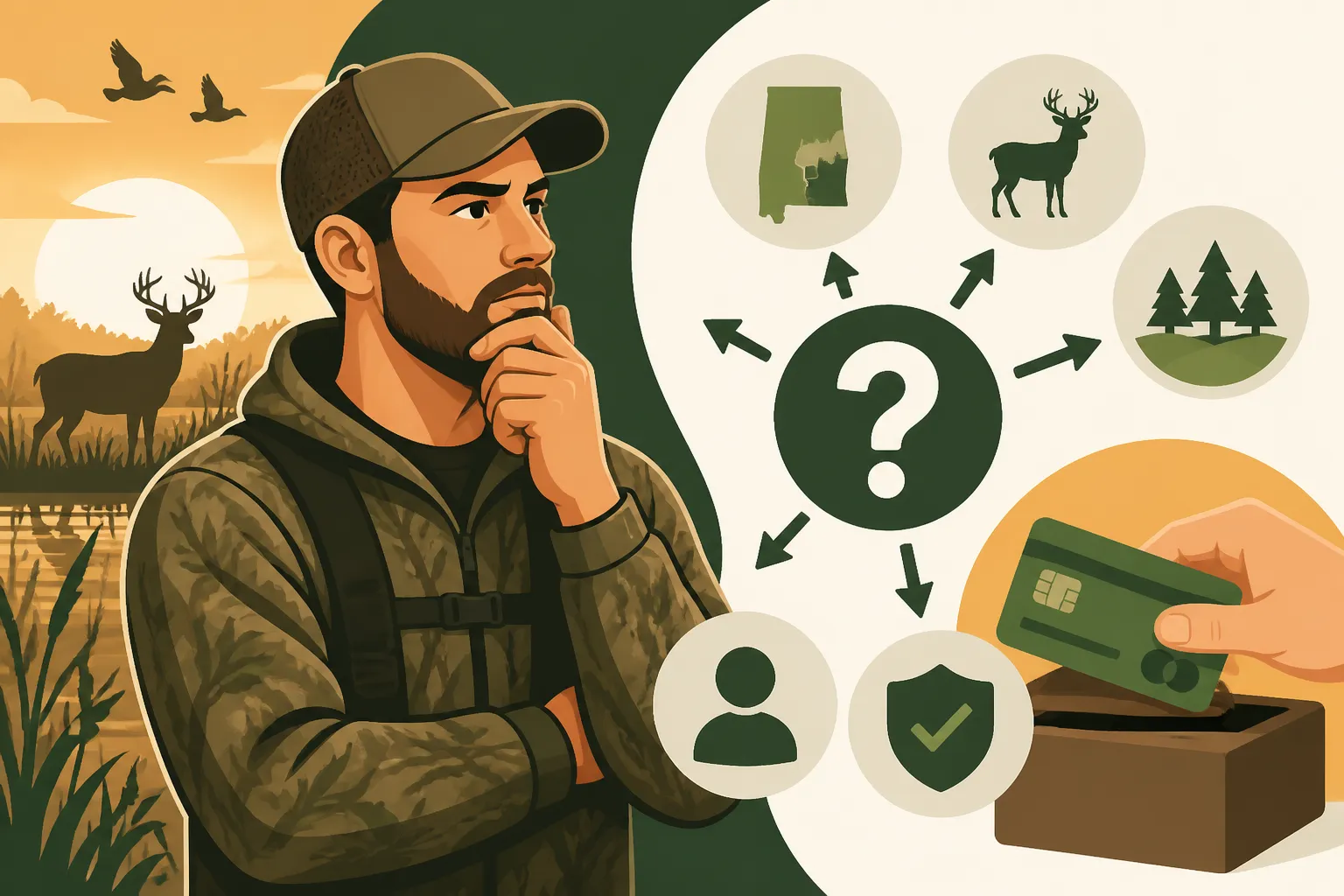
Oh, the excitement of booking a Mississippi hunt! That rush you get when you picture yourself in a Delta blind or calling a gobbler on a Hills unit ridge is something truly special. But let's be real, that initial excitement can sometimes make us gloss over the fine print. You send over that deposit, dreams already forming, only to realize later that you didn't quite understand what you were signing up for, or worse, you're hit with unexpected costs or policies. This guide is all about slowing down, taking a deep breath, and arming yourself with the crucial questions to ask before that money leaves your account, ensuring your Mississippi hunting adventure is everything you hoped for.
Understanding the Outfitter's Offer and Expectations
Before you even think about handing over a down payment, you need to have a crystal-clear picture of what you're actually getting. It's not just about the species you're chasing; it's about the entire experience, from the moment you arrive until you're heading home.
What Exactly Is Included in the Price?
This is perhaps the single most important question you can ask. So many times, hunters assume certain things are part of an "all-inclusive" package, only to find out they're extra. Beyond the actual hunt days, you need to understand every single line item. Does the price cover your lodging? Are meals included, and if so, how many per day and what kind of fare can you expect? Is transportation during the hunt—like rides to and from the stands or blinds—part of the deal, or do you need your own ATV or vehicle?
Then there's the guide service itself. Is it a dedicated guide, or are guides shared among multiple hunters? What about game recovery? If you make a shot and the animal runs a bit, is tracking included, even if it takes hours or goes onto neighboring property (with permission, of course)? What about initial trophy preparation like field dressing and caping your deer for the taxidermist? Some outfitters include this; others charge a fee. Don't forget those potential hidden fees: sometimes there are extra charges for shooting additional hogs beyond a certain number, or even for non-hunting guests who might be tagging along. Always get a detailed breakdown in writing.
What is the Typical Group Size and Hunter-to-Guide Ratio?
Your hunting experience can vary wildly depending on how many other hunters are in camp and how much individual attention you'll receive. Are you going to be one of two hunters with a dedicated guide, offering a more personalized experience, or are you part of a larger group of eight hunters sharing two guides? There's no right or wrong answer, but it needs to align with your expectations. If you're looking for a quiet, one-on-one guiding experience, a large camp might not be the best fit.
Also, ask about stand assignments. Do hunters rotate stands each day, or are you in the same spot for your entire hunt? For duck hunts, are you sharing a blind with strangers, or is your party kept together? Understanding the dynamic before you arrive helps manage expectations and ensures you're comfortable with the setup. You don't want to show up expecting a serene solo experience only to find yourself elbow-to-elbow with a bunch of strangers if that's not your style.
Logistics and Practicalities of the Hunt
The devil is often in the details when it comes to travel and what you need to bring. Planning ahead for these practicalities will save you a lot of stress once you're on the ground in Mississippi.
What Are the Specific Hunt Dates and Times?
This might seem obvious, but clarify the exact start and end dates and times for your hunt. Not just "three days in November," but "Arrive 3 PM on November 10th, hunt the 11th, 12th, 13th, and depart by 10 AM on the 14th." What's the daily schedule like? Are you expected to be in a stand before daylight and stay until dark, or are there breaks for lunch? For duck hunts, is it strictly morning flights, or do they also hunt afternoons? Knowing these details helps you plan your travel and manage your energy levels throughout the trip. It also prevents any surprises if, for example, your "full day" hunt actually means you're back in the lodge by noon.
What Equipment Do I Need to Bring?
Beyond your weapon of choice, the list of necessary gear can be extensive. Don't assume anything. Ask for a comprehensive packing list. This isn't just about clothing—and trust me, Mississippi weather can be incredibly fickle, so layering is key—but also about safety gear like a proper safety harness for treestand hunting. Do you need to bring your own treestand or ground blind, or does the outfitter provide them? Will they have headlamps, binoculars, or rangefinders available, or are those on your personal gear list? For duck hunters, are chest waders essential, and what about specialized calls or camo patterns? If you're looking into night hog hunting, will they provide thermal optics or do you need to bring your own? Remember to ask about coolers or game bags for your harvest; you'll need a plan for getting your meat home after the hunt.
What Are the Game Processing and Trophy Care Arrangements?
Harvesting an animal is only half the battle; ensuring it's properly handled afterward is crucial. Find out exactly what the outfitter's protocol is for game processing. Is field dressing handled by the guide, or are you expected to do it? If you're hoping for a shoulder mount, will they cape the animal properly, or do you need to know how to do it yourself? Are there facilities at the lodge for hanging game or keeping meat cold, such as a walk-in cooler? You should also ask if they have a preferred local meat processor or taxidermist they work with, and what the typical costs are for those services. Knowing this upfront helps you budget and plan for the post-harvest logistics. It’s no fun scrambling to find an open processor on a Sunday afternoon after a successful hunt. For a deeper dive, check out Shipping Game Meat Home After a Mississippi Hunt.
License, Regulations, and Legal Considerations
Mississippi has specific rules, and they can vary by region. It's your responsibility as a hunter to be legal, but a good outfitter will guide you through the process.
What Licenses and Permits Are Required?
Don't ever assume your outfitter will handle your licenses for you. While some might offer assistance, it's ultimately your responsibility to possess the correct paperwork. You'll need a general state hunting license, and depending on the species, specific tags or federal stamps (like a federal duck stamp for waterfowl). If you're coming from out of state, the requirements and costs for Mississippi Nonresident License Options will be different from residents. Ask the outfitter for a precise list of every license and permit you'll need and if they have any resources to help you purchase them, like a link to the MDWFP website. It's easy to overlook a small game stamp if you're only focused on deer, but being legal across the board is paramount.
What Are the Specific Rules and Bag Limits?
Mississippi's deer season is complex, with different regulations across its various units. You need to understand the legal buck requirements for the specific unit you'll be hunting in. For instance, the Delta Unit has specific antler restrictions, such as the Delta Unit Twelve-Inch Spread Rule Explained, which means a buck needs a minimum 12-inch inside spread or a main beam length of at least 15 inches. The Hills Unit has different criteria, often a 10-inch spread or a 13-inch main beam. Knowing these details is critical to avoiding a costly mistake. Beyond deer, clarify the daily and season bag limits for any other species you might be targeting, like turkeys or ducks. Are there any additional outfitter-specific rules that are stricter than state regulations? Some outfitters implement their own stricter trophy minimums to protect younger deer. For an overview of how the state structures its deer season, you can read Mississippi Deer Season Structure Explained.
How Does the Outfitter Handle Wounded or Unrecovered Game?
This is a really important, and often uncomfortable, question to ask, but it speaks volumes about an outfitter's ethics and professionalism. What is their policy if you wound an animal that isn't immediately recovered? Will they actively assist in tracking the animal, even if it's difficult or takes a long time? What if the animal crosses property lines? Some outfitters have agreements with neighbors, others don't. Is a wounded animal considered part of your bag limit, even if it's never found? Policies vary, but it's crucial to know this upfront to avoid disputes and to understand the outfitter's commitment to ethical hunting and recovery efforts. For more on this, check out Blood Trailing After Dark in Mississippi.
Contingencies, Guarantees, and References
Life happens, and sometimes things don't go as planned. A reputable outfitter will have clear policies for unforeseen circumstances and be transparent about their track record.
What is the Cancellation and Refund Policy?
This is where many hunters get burned, so listen up! Get the full cancellation and refund policy in writing before you pay anything. What happens if you need to cancel due to an emergency, illness, or travel issues? Is your deposit non-refundable, transferable to a later date, or can it be applied to another hunter? On the flip side, what happens if the outfitter has to cancel the hunt due to extreme weather, unforeseen circumstances, or a major change in game populations? Will they offer a full refund, a credit for a future hunt, or help you find an alternative? Understanding these terms is paramount to protecting your investment. If you're concerned about potential losses, you might even look into What Cancellation Insurance Covers on a Hunt.
What Happens in Case of Bad Weather or Unfavorable Conditions?
Mississippi weather can be unpredictable. A duck hunt might rely on specific water levels for flooded timber, or a deer hunt could be impacted by an unexpected heat wave. Ask your outfitter what their contingency plans are for extreme weather or other unfavorable conditions. If a major storm hits and makes hunting unsafe, or if a prolonged drought dries up the duck woods, what are the options? Do they have alternative hunting locations or species available? Can you reschedule without penalty? While no outfitter can control the weather, a good one will have a clear plan for how they manage these situations to minimize disappointment.
Can I Speak with Past Clients?
Any reputable outfitter should be happy to provide you with a list of recent references, not just a few glowing testimonials on their website. Ask for contact information (phone numbers and/or email addresses) for hunters who have been with them in the past year or two. Don't be shy about calling these references. Ask them about their experience: Was the outfitter organized? Were the guides knowledgeable and helpful? Were the accommodations as described? Did they feel safe? Would they book again? This is your chance to get an unfiltered perspective. This is also where resources like BookYourHunt or GoHunt can be helpful platforms for finding outfitters and seeing reviews, but nothing beats a direct conversation with a past client. For more guidance on this process, consider Getting References From Past Mississippi Clients.
Ensuring a Reputable and Professional Experience
Beyond the hunt itself, you want to be sure you're dealing with a professional operation that prioritizes your safety and satisfaction.
What is the Outfitter's Experience and Background?
Don't be afraid to ask about their history. How long has the outfitter been in business? Longevity often indicates stability and a proven track record. Are they licensed and insured? Mississippi Outfitter Insurance and Licensing is not always mandatory for every type of guide service, but a professional operation will typically carry liability insurance, which offers peace of mind. Also, inquire about the experience of their guides. Are they local experts with years of experience in the area, or are they newer to the game? A guide's local knowledge of game movement, habitat, and even weather patterns can make or break a hunt.
What are the Accommodations and Amenities Like?
If lodging is part of your package, get a clear picture of what to expect. Are you looking at private rooms with individual bathrooms, or a shared bunkhouse setup? What kind of sleeping arrangements are there? Are towels and linens provided? What about amenities like Wi-Fi, cell service, or laundry facilities? For meals, ask if dietary restrictions or allergies can be accommodated. Are alcoholic beverages allowed or provided? Understanding the living situation helps you pack appropriately and ensures your comfort during your downtime. It’s important to know if you're roughing it in a rustic cabin or enjoying a more luxurious lodge experience. You can get more details on typical arrangements in Lodge Accommodation and Meals.
What About Tipping and Gratuities?
Tipping is a customary part of the guided hunting experience, but it’s often an overlooked cost. Ask your outfitter about their recommended tipping policy for guides, cooks, and any other lodge staff or dog handlers. This helps you budget accurately and ensures you can properly thank those who work hard to make your hunt successful. Tipping usually ranges from 10-20% of the hunt's total cost, but it's good to clarify. You don't want to be caught off guard at the end of a great trip. For more on this, read How Much to Tip a Mississippi Deer Guide.
Pre-Payment Checklist
To help you organize your thoughts, here's a quick checklist of the critical questions to cover before you commit to that deposit.
| Category | Key Questions to Answer |
|---|---|
| Pricing | What exactly is included (lodging, meals, transport, game recovery, trophy prep)? Any extra fees? |
| Experience | What's the hunter-to-guide ratio? How many hunters in camp? Daily hunt schedule? |
| Gear | What equipment (stands, blinds, thermals) is provided? What do I need to bring? |
| Harvest | How is game processed (field dress, cape)? What are local processor/taxidermist options? |
| Legalities | Which licenses/permits are needed? What are unit-specific bag limits/antler restrictions? |
| Ethics | What's the policy for wounded/unrecovered game? |
| Contingencies | What is the cancellation/refund policy for both client and outfitter? Weather policy? |
| Verification | Can I speak to recent references? Is the outfitter licensed and insured? |
| Comfort | What are the accommodations like (private/shared, amenities)? What are meal arrangements? |
| Gratuities | What are the recommended tipping guidelines for staff and guides? |
Asking these questions diligently will empower you to make an informed decision, ensuring that your hard-earned money and precious hunting time are well spent. A good outfitter will appreciate your thoroughness and be happy to provide clear, concise answers. If they're evasive or seem annoyed by your questions, that's a significant red flag. Happy hunting!
Disclaimer
This article is for general informational purposes only and does not constitute professional advice. Laws, prices and regulations vary by location and change over time. Consult a qualified professional for guidance on your specific situation.