Physical Demands of a Delta Duck Hunt
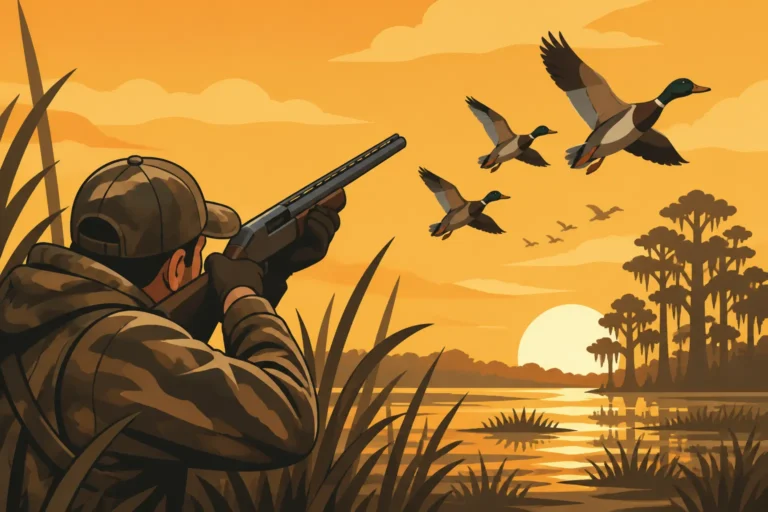
Many hunters dream of a classic Mississippi Delta duck hunt, picturing serene mornings in a blind with ducks cupping into the decoys. What often gets overlooked in those daydreams, however, is the very real physical challenge these hunts present. From slogging through deep mud to wrestling heavy bags of decoys, a successful Delta duck hunt is far more than just pointing a shotgun. This guide will walk you through the true physical demands you can expect, helping you prepare your body and your gear for an unforgettable, yet strenuous, experience in the Mississippi Delta.
Understanding the Delta Environment's Physical Toll
The Mississippi Delta is a unique and often unforgiving landscape, a vast expanse of rich, alluvial soil, winding bayous, and expansive tracts of timber and farmland. It's this very environment that makes for incredible duck hunting, but it's also what demands a significant physical effort from anyone venturing into its depths. You're not just walking on flat ground; you're often pushing through obstacles, battling resistance, and navigating unpredictable footing, all before you even lift your gun.
Navigating Flooded Timber and Impoundments
Imagine stepping out of a boat before dawn, headlamp cutting through the pre-light fog, and immediately sinking to your knees in water. This is a common start to a flooded timber hunt in the Delta. The water depth can vary wildly, from ankle-deep to waist-deep or even higher in spots, particularly in greentree reservoirs designed to hold water for waterfowl. Each step becomes a deliberate act of pushing through water, which creates significant resistance. It's like walking through a constant low-impact workout, and it can quickly drain your energy.
Beneath the water, the ground is rarely smooth. You'll encounter slippery roots from cypress and tupelo trees, submerged logs that can trip you up, and hidden holes or ditches that can send you tumbling if you're not careful. This requires constant vigilance, excellent balance, and strong core muscles just to stay upright and avoid a face-plant into the chilly water. The act of pushing through dense saplings or thick stands of buckbrush while wading only adds to the workout. If you're looking for an outfitter that specializes in these unique environments, you might find some good options on Booking a Delta Duck Lodge.
Dealing with Mud, Water, and Temperature Extremes
Ah, the mud. It's a quintessential part of the Delta experience, and often the most physically draining. That rich Delta soil, when wet, transforms into a thick, sticky, boot-sucking substance that can feel like quicksand. Every step you take, you're not just lifting your leg; you're often fighting to pull your boot free from the powerful grip of the mud. It's not uncommon to lose a wader boot in particularly deep or stubborn mud, leading to a frantic, cold-water retrieval. This struggle demands powerful leg and hip flexor strength and incredible endurance, particularly when repeated over hundreds of yards.
Then there's the water itself. On a frigid December morning, wading into icy water can deliver a real shock to your system. While good waders keep you dry, the cold still penetrates, and your body expends energy just trying to stay warm. On the flip side, warmer early-season hunts, especially when the humidity is high, mean that the physical exertion of wading and hauling gear can lead to rapid overheating and dehydration. Understanding Mississippi Waterfowl Zones and Seasons can help you anticipate these temperature variations. Proper layering and hydration are critical, regardless of the forecast.
The Actual Hunting Process: From Load-Out to Retrieval
Beyond simply navigating the environment, the actual tasks involved in a Delta duck hunt are inherently physical. It's not a sit-and-wait kind of hunt where all you do is hold still. From the moment you unload your truck to the final retrieve of the day, you'll be actively engaging your body in a series of strenuous activities.
Hauling Gear and Decoys
Let's talk about gear. A duck hunter's load is significant. You'll have your shotgun, a hefty bag of ammunition (often several boxes for a full day's shoot or a good Mississippi Duck Daily Bag Limit), a blind bag packed with calls, snacks, thermos, and extra layers, and potentially a seat or stool. All of this needs to be carried from your vehicle to the boat, then from the boat to your chosen setup spot in the timber or impoundment.
But the real workout comes with the decoys. Duck decoys, especially when wet and muddy, are surprisingly heavy. Hunters often carry them in large mesh bags or on sleds, and you might be hauling anywhere from two dozen to a hundred decoys or more, depending on the spread you're aiming for. Imagine lugging a 50-pound bag of wet plastic ducks through knee-deep mud and water, pushing through tangled brush, all in the dark. It's a true test of strength and endurance. If you're thinking about a Layout Blind Hunting Delta Farm Fields, the decoy hauling is still a significant factor, just on different terrain.
The Trek to the Blind or Setup Spot
Once you've launched your boat (often a physical task in itself, especially if navigating shallow launches or mud), the journey isn't over. Many prime duck hunting spots in the Delta require a further trek on foot, away from easy boat access. This is where the navigation challenges truly combine with the gear-hauling. You'll be carrying your gun, your blind bag, and potentially a portion of the decoys, wading through the varying depths of water and sticky mud, all while trying to maintain silence and avoid spooking birds.
This pre-dawn march can feel endless, especially when you're tired and cold. Getting into and out of a small boat, often in slippery or muddy conditions, also requires good balance, flexibility, and strength. It's not a graceful exit onto a dock; it's usually a controlled, careful maneuver to avoid soaking yourself or dropping valuable equipment. Outfitting services, many of which can be found through platforms like BookYourHunt, often simplify this aspect by utilizing airboats or side-by-sides for access to more remote areas.
Wading and Retrieving Birds
The hunt itself is far from sedentary. Once the birds start flying and shots are fired, the real work often begins again. Downed birds rarely fall perfectly into your lap. More often, they'll land out in the timber, in dense cover, or float away with the current. This means repeated trips out into the water to retrieve them.
These retrieves can be quick sprints or longer, more deliberate wades, often requiring you to push through even thicker vegetation or deeper water than you initially navigated to your setup. Dealing with crippled birds can extend these pursuits, demanding sustained effort and agility. While a good retriever dog is an invaluable asset and certainly reduces the human effort, even with a dog, hunters often find themselves wading out to assist, mark falls, or retrieve birds that the dog can't immediately locate. Each retrieve is a mini-workout, and over the course of a productive day, these can add up to significant physical exertion.
Preparing Your Body for a Delta Hunt
So, what does all this mean for you, the hunter? It means a Delta duck hunt isn't something you just show up for cold. It requires preparation, both physically and mentally. A little pre-season effort can make a huge difference between a miserable, exhausting experience and an enjoyable, productive one.
Building Stamina and Strength
The key to handling the physical demands of a Delta duck hunt is a combination of cardiovascular stamina and functional strength.
- Cardio: Incorporate activities like walking, jogging, hiking, or cycling into your routine. Focus on sustained efforts, perhaps walking for 30-60 minutes at a brisk pace, mimicking the long treks to your spot. If you have access to a pool, walking or swimming in water is an excellent way to simulate the resistance you'll face.
- Strength Training: Prioritize exercises that build strength in your legs, core, and back. Squats, lunges, deadlifts, and planks are your friends. These will help with wading through mud, lifting heavy decoys, and maintaining balance on uneven ground. Don't forget your shoulders and arms, as you'll be swinging your shotgun, setting decoys, and potentially pushing a boat or sled.
- Balance and Agility: Practice standing on one leg, doing step-ups onto unstable surfaces (carefully!), or using a balance board. These will help you navigate the slippery, uneven bottomland with greater confidence and reduce the risk of falls.
Starting your physical preparation well in advance of the season is crucial. Don't wait until the week before opening day. Platforms like GoHunt and BookYourHunt also often feature blog content or resources from outfitters that can give you further insights into the physical requirements of their specific hunts. You might also want to do some Scouting Mississippi Public Land Before Season to get a feel for the terrain, even if it's not a duck specific spot.
Essential Gear to Mitigate Demands
While physical conditioning is paramount, the right gear can significantly reduce the strain and enhance your comfort in the Delta.
- High-Quality Waders: This is non-negotiable. Invest in durable, well-fitting chest waders with sturdy, insulated boots that offer good traction. A wader belt is critical for safety and to prevent water from filling your waders if you trip. Look for models designed for harsh conditions.
- Layering System: Dress in layers. Start with a moisture-wicking base layer, add insulating layers (fleece, down), and top it off with a waterproof, windproof outer shell. This allows you to adjust to temperature changes throughout the day, from a cold pre-dawn walk to a warm mid-day retrieve.
- Hydration: Always carry water. A hydration pack is often more convenient than a bottle, especially when wading. Dehydration can sap your energy faster than anything.
- Sturdy Decoy Bag: Choose a decoy bag with comfortable, padded shoulder straps that distribute weight effectively. Some hunters prefer a decoy sled if the terrain allows for dragging, but this is less feasible in thick timber.
- Headlamp: A powerful, reliable headlamp with fresh batteries is essential for navigating in the dark and preventing falls.
- Walking Stick/Monopod: A sturdy walking stick or shooting stick can provide an extra point of balance, particularly helpful when wading through deep mud or unstable areas.
For more general packing advice, consider reading What to Pack for a Guided Mississippi Hunt.
Choosing the Right Hunt for Your Fitness Level
It's important to acknowledge that not all Delta duck hunts are created equal when it comes to physical demands. If you're a seasoned hunter in peak physical condition, you might embrace the challenge of a truly rugged, remote hunt. However, if your fitness level is more moderate, or if you're dealing with physical limitations, there are absolutely options that can still provide a fantastic experience without pushing you beyond your limits.
Guided Hunts Versus Self-Guided Challenges
One of the biggest factors in the physical demands of a Delta duck hunt is whether you go self-guided or opt for an outfitter.
- Guided Hunts: Often, booking a guided hunt through a reputable outfitter significantly reduces the physical burden. Guides typically handle the heavy lifting of decoys, have boats for easier access to hunting spots, and often choose locations that require less strenuous wading. They know the terrain, the safe routes, and can cater to different physical abilities. Many excellent Delta duck lodges and guides can be found on hunting platforms like BookYourHunt or GoHunt, where you can filter by experience level or amenities. This route can be a great way to experience world-class duck hunting without the extreme physical toll. For more information, check out Self-Guided Versus Outfitted Mississippi Hunts.
- Self-Guided Hunts: This is where the true physical grit comes into play. When you're self-guided, every aspect—from scouting and finding accessible public land to hauling all your gear, setting up decoys, and retrieving birds—falls squarely on your shoulders. This can be incredibly rewarding but requires a much higher level of physical fitness and self-reliance. If you're tackling Hunting the Mississippi River Backwaters on your own, the physical demands will be substantial.
Understanding Different Hunt Styles
Even within guided or self-guided options, the style of hunt can dictate the physical demands.
- Flooded Timber: As discussed, this is generally the most physically demanding style. It involves constant wading, navigating obstacles, and fighting through mud and brush. If you book a Flooded Timber Guide Services, discuss the typical water depths and walking distances with your guide beforehand.
- Field Edge/Blind Hunts: Hunting from a permanent blind along a field edge, or from a layout blind in a cut crop field, can be significantly less strenuous. While you still might have to haul decoys and walk across a field, the deep wading and constant battle with mud are often minimized. However, depending on the field, the mud can still be a factor, especially after heavy rains.
- Impoundment/Open Water Hunts: These hunts might involve less wading if you're hunting from a boat or blind in deeper water, but require boat handling skills and still involve setting and retrieving large decoy spreads.
Before you book or plan your hunt, have an honest conversation with yourself about your physical capabilities. If you're considering a guided hunt, don't hesitate to ask outfitters detailed questions about the typical walking distances, water depths, and how physically demanding their specific hunts usually are. They want you to have a good experience, and they can often accommodate different needs. The Delta is a magical place for duck hunting, and with the right preparation and expectations, it's an experience every waterfowl hunter should have.
| Physical Demand | Challenge | Preparation Strategy | Essential Gear Hint |
|---|---|---|---|
| Wading | Deep, cold water; uneven, muddy bottom; hidden obstacles | Strengthen legs, core, and ankles; practice balance exercises; consider water-based resistance training | High-quality chest waders, wader belt, sturdy insulated boots with aggressive tread, optional walking stick |
| Carrying Gear | Heavy decoys, shotgun, blind bag, ammo over varying distances | Build upper body, back, and leg strength; simulate carrying weighted packs/bags on walks | Comfortable decoy bag with padded shoulder straps, supportive blind bag, sled (if terrain allows) |
| Mud & Terrain | Slipping, getting stuck, fighting suction, navigating hidden obstacles | Ankle stability exercises, functional core strength, practicing controlled movements on uneven ground | Wader boots with exceptional traction, a secure wader belt to prevent boot loss, quick-release buckles for gear |
| Temperature | Extreme cold (water/air); potential overheating from exertion | Layered clothing system (base, mid, outer); endurance training to improve cold tolerance; proper hydration always | Moisture-wicking base layers, insulated mid-layers, waterproof/windproof outer shell, insulated gloves/hat |
| Retrieving Birds | Quick, often strenuous movements in water, through thick cover | Agility drills, sprint intervals, leg power exercises, practicing quick changes in direction | Lightweight waders, quick-drying outer layers, waterproof dog vest (if using a retriever) |
Disclaimer
This article is for general informational purposes only and does not constitute professional advice. Laws, prices and regulations vary by location and change over time. Consult a qualified professional for guidance on your specific situation.