Rabbit Hunting Mississippi Fencerows
There’s something uniquely satisfying about a good old-fashioned rabbit hunt, but anyone who’s ever tried to chase cottontails knows it’s not always as simple as it looks on TV. You might spend hours stomping through what looks like prime cover, only to come up empty-handed and tired. This guide is all about honing in on one of Mississippi's most consistent rabbit hotspots: the fencerow. We'll dive deep into understanding these linear havens, how to effectively hunt them, and what you need to bring along to make your next rabbit hunt a success.
Understanding Mississippi's Rabbit Habitat Beyond Just Fencerows
When you think about rabbit habitat, your mind probably jumps to thickets and briar patches, right? And you wouldn't be wrong. Rabbits absolutely love that dense cover. But in Mississippi, particularly in agricultural areas and even around old homesteads, the humble fencerow offers a specific, often overlooked advantage that makes it a true cottontail magnet.
Why Fencerows Are Rabbit Magnets in Mississippi
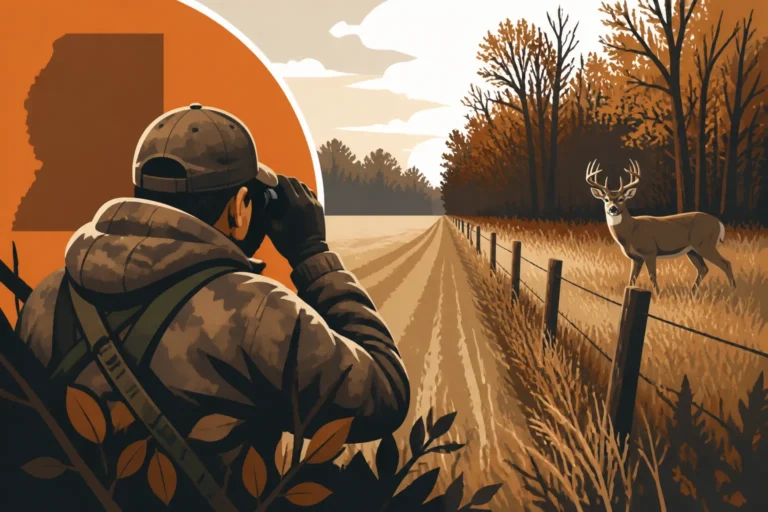
Fencerows, especially the old, neglected ones, are like miniature wildlife corridors. They’re usually overgrown with a mix of briars, honeysuckle, small trees, and tall grasses – all the good stuff that offers both food and incredible concealment for rabbits. Think about it: a rabbit needs to eat, and it needs to hide. A fencerow, snaking between a cultivated field and a pasture, or bordering two different types of timber, provides both in spades. This creates what biologists call an "edge effect," where the junction of two different habitat types creates a super-productive zone for wildlife.
For a rabbit, that means easy access to tender greens and crop remnants in the adjacent fields, but also immediate escape cover if a hawk or coyote comes calling. The dense, tangled nature of these fencerows makes it incredibly difficult for larger predators to navigate, giving the smaller, more agile rabbit a significant advantage. Plus, the sheer length of a fencerow means a rabbit can run for quite a distance while staying hidden, often circling back to familiar territory if a dog gets on its trail. This linear characteristic also makes them predictable for hunters with a good plan.
Other Prime Rabbit Haunts You Should Scout
While fencerows are phenomenal, don't put all your eggs in one basket. Mississippi is crisscrossed with other fantastic rabbit habitat that you should definitely have on your scouting list. Clear-cuts, for instance, especially those a few years old that are starting to regenerate with thick, woody browse and briars, are huge producers. Rabbits absolutely love these areas where cover is dense and food is abundant. They offer a sprawling version of the fencerow's benefits, just on a larger scale.
Briar thickets, of course, are classic rabbit hideouts. Any patch of land that's been left to go wild, developing dense clumps of blackberries, greenbrier, and other thorny vegetation, is almost guaranteed to hold rabbits. Overgrown fields, particularly those with patches of lespedeza, ragweed, or other forbs, offer excellent food sources coupled with enough residual cover to make a rabbit feel safe. Then there are timber edges, where mature woods meet younger growth or open fields, and even power line rights-of-way that are regularly mowed or cleared, creating strips of diverse, regenerating vegetation. These areas, much like fencerows, provide that crucial balance of food and security that rabbits crave. Learning to identify these spots on aerial maps, perhaps using tools like GoHunt or onX Layers for Mississippi Land Status, can save you a lot of time and legwork.
Seasonal Shifts in Rabbit Location and Behavior
Rabbits aren't static creatures; their preferences change with the seasons, often dictated by food availability and thermal cover. In the spring and early summer, when everything is green and lush, rabbits might be more dispersed. They'll venture out into open fields more readily, grazing on new growth. Fencerows are still important, but their reliance on them might be slightly less pronounced as thick cover is everywhere.
As crops mature and are harvested in late summer and fall, rabbits will often move to the edges of those fields, utilizing the remaining stubble for food and the fencerows for escape. When the weather turns colder in late fall and winter, and deciduous leaves drop, exposing many areas, rabbits become far more dependent on the densest cover they can find. This is when fencerows, briar patches, and thick cedar groves become absolute goldmines. They offer crucial thermal cover, protecting rabbits from biting winds and cold rains. This shift means that what might have been a less productive fencerow in July could be packed with rabbits in December. Observing these changes and adjusting your hunting strategy accordingly is key to consistent success.
Essential Gear and Dog Selection for Fencerow Hunting
Stepping into the dense, tangled world of fencerow rabbit hunting requires specific gear and, ideally, the right kind of four-legged partner. It's not like deer hunting where you might sit for hours; rabbit hunting is often fast, chaotic, and requires quick reactions in close quarters.
Shotguns and Ammunition Choices for Close-Quarters Hunting
For rabbit hunting in Mississippi's fencerows, you're not going to need a long-range magnum rifle. The shots are almost always close and quick. This is where a good old shotgun shines. Many hunters swear by a 20-gauge, and honestly, it's hard to beat. It's light, quick to shoulder, and delivers enough punch for cottontails without excessive recoil. A 12-gauge works just as well, of course, but for busting through briars and thick cover, the lighter 20-gauge can be a real pleasure to carry.
As for chokes, open is the name of the game. An improved cylinder or even a skeet choke is perfect. You want a wide pattern at close range to increase your chances of connecting with a fast-moving rabbit that might only be visible for a split second. A modified choke can work, but anything tighter will often result in missed shots or over-patterning a rabbit, leaving little for the pot.
Ammunition-wise, shot sizes 7.5 or 6 are standard. Some folks even prefer 5s in very thick cover or for longer shots, but 7.5s or 6s will give you a denser pattern with plenty of killing power for cottontails. You're not trying to stop a charging hog; you're trying to put enough pellets on a small, fast target. Bringing a mix of loads can be a good idea, adapting to the specific density of the fencerow you're hunting.
The Unbeatable Advantage of Good Rabbit Dogs Beagles
Let's be real: you can jump-hunt rabbits without dogs, but it's a lot more work, and often, a lot less productive. If you want to consistently put rabbits in the bag, especially in the thickest fencerows, a good pack of beagles is an absolute game-changer. These little hounds are born for it. Their incredible noses allow them to root out rabbits tucked away in the deepest briar patches that you'd walk right past.
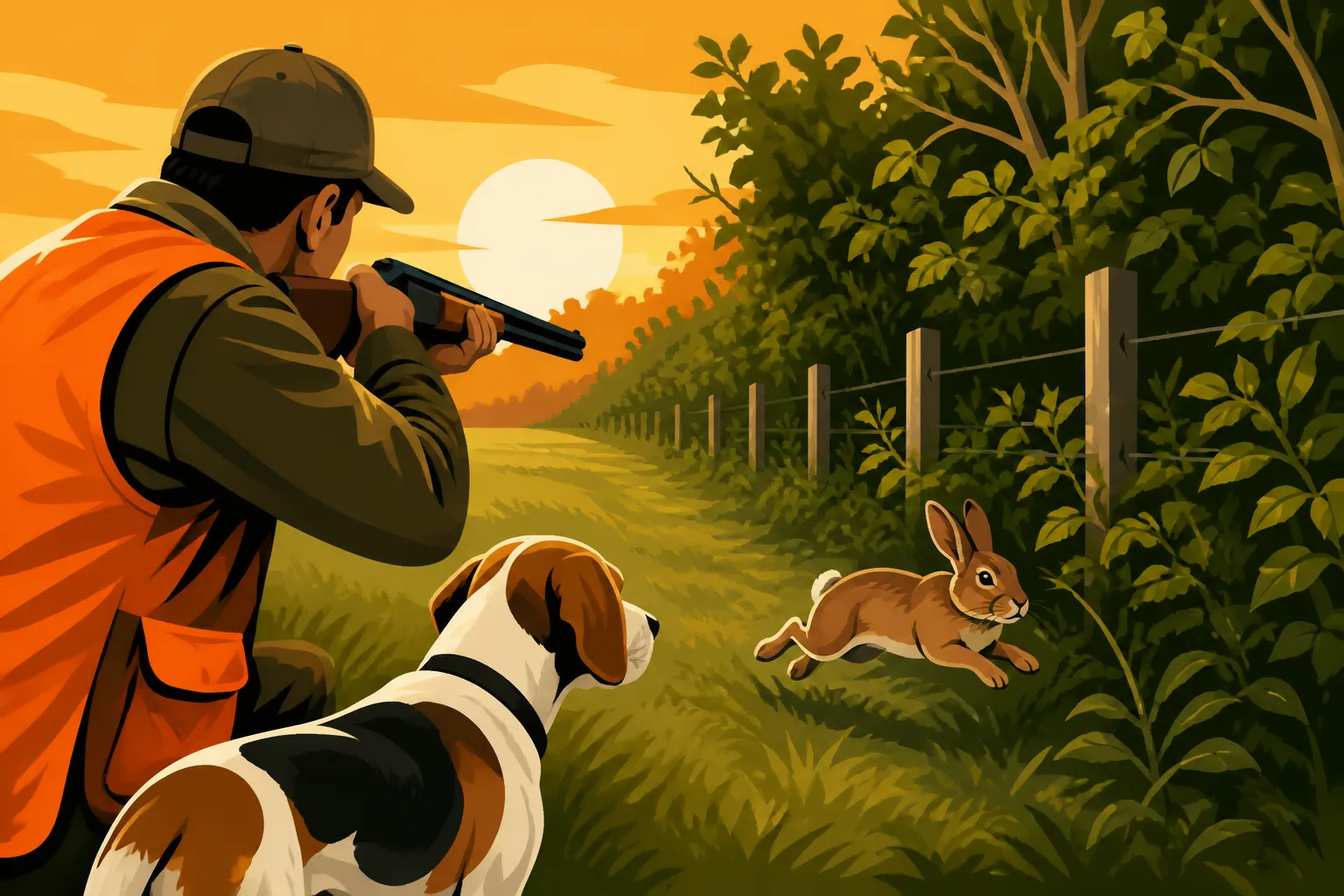
Once they jump a rabbit, the magic truly begins. Beagles have this instinct to chase rabbits in a circle, bringing them back towards the general area where they were jumped. This gives hunters a fantastic advantage, allowing them to post up and wait for the rabbit to come by on its predictable escape route. There's nothing quite like hearing a pack of beagles opening up on a hot track, the music of the chase echoing through the woods.
Different beagle lines exist, from "field trial" dogs bred for speed and competitive chasing to more traditional "hunting stock" that might be a bit slower but extremely thorough. For fencerow hunting, a good, steady pack that can work thick cover methodically is ideal. You want dogs that will stick to a track and won't give up easily. If you're serious about rabbit hunting, investing in or joining a group with good beagles is probably the single best decision you can make. It truly transforms the experience, as described in our deeper dive into Running Beagles on Mississippi Cottontails.
Preparing Yourself and Your Dogs for the Hunt
Preparation is key, not just for success, but for safety. First and foremost, hunter safety is paramount. When hunting with a group, especially with dogs, clear communication and knowing where everyone is at all times is vital. Wearing blaze orange is an absolute must in Mississippi, regardless of specific regulations for small game. It ensures you're visible to other hunters and helps prevent accidents. Even though Mississippi's blaze orange rules primarily focus on big game seasons, it's just good practice. We cover the specifics of Mississippi Blaze Orange Requirements in another piece.
For your canine companions, proper training and care are equally important. Dogs should be leash-trained, come when called, and respond to basic commands. E-collars can be incredibly helpful for managing dogs in thick cover, especially if they get too far ahead or wander onto private land without permission. Bells on their collars can help you keep track of where they are when they're out of sight.
Always bring plenty of water for your dogs, especially on longer hunts or warmer days. A first-aid kit for both humans and dogs is also a smart addition, as cuts and scrapes from briars are common. Before heading out, make sure your dogs are up to date on all their vaccinations. A well-prepared hunter and a well-cared-for pack of dogs make for a safer, more enjoyable, and ultimately more successful hunt.
Strategic Approaches to Hunting Mississippi Fencerows
Hunting fencerows isn't just about walking down a line. It's about strategy, understanding how rabbits move, and working effectively with your hunting partners and dogs. It’s an active hunt, demanding attention and quick reflexes.
Walking the Line: Effective Hunter Positioning and Movement
When hunting a fencerow, the way you position yourself and move is critical. If you have a group, spread out along the fencerow, but stay within sight and voice range of each other. A common tactic is for one or two hunters to walk directly in the fencerow, pushing through the thickest cover, while another hunter or two walk parallel to the fencerow, about 10-20 yards out in the open field or woods. These "blockers" are positioned to intercept rabbits that try to bolt out of the fencerow into the more open areas.
Your movement should be slow and deliberate. Don't just crash through the brush. Take your time, scanning ahead and to the sides. Rabbits are masters of concealment, and they'll often hold tight until you're right on top of them. Pause frequently; sometimes, a rabbit will flush after you stop moving, thinking the danger has passed. Always be ready to mount your shotgun quickly and safely. The shots often come fast, and in tight windows, so practicing your quick-draw can pay off immensely. Pay attention to any natural openings or thinner spots in the fencerow; these are often where rabbits will try to escape, offering clearer shooting lanes.
Utilizing Dogs to Drive and Flush Rabbits
This is where the beagles truly shine. Instead of just walking, your dogs will be doing the heavy lifting of scenting and flushing. Let the dogs work the fencerow thoroughly. They'll dive into the thickest tangles, noses to the ground, searching for the tell-tale scent of a cottontail. Hunters should follow the dogs, but not necessarily right behind them. Instead, anticipate where the rabbit might run.
When the dogs strike a scent and open up, listen to their change in tone. A sharp, excited bark means they're hot on a fresh track. As the chase progresses, try to discern the rabbit's likely escape route. Often, a rabbit will run ahead a short distance, then circle back towards where it was jumped, or cut across an open field to another patch of cover. This is your cue to get ready. If you're blocking, position yourself to intercept. If you're walking the line, be prepared for a rabbit to burst out anywhere along the fencerow. The thrill of the chase, the music of the hounds, and the anticipation of the flush are what make this style of hunting so addictive.
Cornering Tactics and Blockers for Fencerow Rabbits
For long, straight fencerows, especially those that meet another fencerow or run into a dense woodlot, you can employ a "cornering" or "blocking" tactic. This works best with a group of hunters and a solid pack of dogs. Start at one end of the fencerow. Position a few hunters at the far end of the fencerow as blockers, making sure they are well-hidden and have clear shooting lanes, always with a safe backstop. These hunters should be aware of the exact location of the pushers.
The rest of the hunting party, along with the dogs, then systematically works their way down the fencerow, pushing the rabbits towards the blockers. The dogs will jump and drive the rabbits, and the rabbits, often reluctant to leave the cover, will run ahead along the fencerow until they are almost literally cornered. This funneling effect increases the chances of getting shots on rabbits as they try to break out or slip past the blockers. Safety is absolutely critical here: everyone involved must know where everyone else is positioned, and shots should only be taken when there's a clear line of sight and an unobstructed background. Always aim away from other hunters.
Reading the Sign and Maximizing Your Success
Being successful in rabbit hunting isn't just about having dogs and a shotgun; it's also about reading the landscape, understanding rabbit behavior, and knowing when and where to focus your efforts. A little bit of scouting can go a long way.
Identifying Active Rabbit Sign Along Fencerows
Before you even step foot in a fencerow with your dogs, you can often tell if it's worth your time by looking for active rabbit sign. The most obvious, and often overlooked, sign is droppings. Rabbit pellets are small, round, fibrous, and usually dark. Fresh droppings will be moist and shiny, while older ones will be dry, dull, and may crumble easily. Finding a concentration of fresh droppings indicates a rabbit highway or a popular resting spot.
Another key sign is clipped vegetation. Rabbits have sharp incisors and will often leave neat, angled cuts on twigs, stems, and grass blades where they've been feeding. Look for these clipped ends on tender shoots and weeds within the fencerow or along its edge. In soft mud or after a light dusting of snow (a rare treat in Mississippi, but it happens!), you might find their distinct tracks: two large hind feet prints often slightly ahead of two smaller front feet prints when they're hopping. Lastly, look for "runs" – small, worn paths through dense vegetation. These are tunnels rabbits create and use consistently, indicating active movement within the fencerow. The more fresh sign you find, the higher your chances of a productive hunt.
Weather, Time of Day, and Their Impact on Rabbit Activity
Rabbits are generally crepuscular, meaning they are most active during dawn and dusk. However, when hunting with dogs, you can certainly find them throughout the day, especially if the weather conditions are favorable. Cooler mornings and evenings, particularly after a cold front or a light rain, can really get rabbits moving and feeding. The cooler temperatures make it more comfortable for them to be active, and a damp ground can also help dogs pick up scent more easily.
Conversely, extremely hot or extremely cold and windy days tend to make rabbits hunker down. During the peak heat of a summer afternoon, they'll be holed up in the densest, shadiest cover. In freezing temperatures or high winds, they’ll also seek maximum shelter. Overcast days, without strong sun or harsh winds, often prove to be excellent for rabbit hunting, as rabbits feel more secure venturing out. Paying attention to the forecast and planning your hunt for optimal conditions will undoubtedly lead to more flushes and more opportunities.
Post-Harvest Opportunities in Agricultural Settings
Mississippi, with its vast agricultural lands, presents incredible opportunities for rabbit hunting, especially after the crops come off the fields. Once corn, soybeans, or cotton are harvested, these fields, particularly those adjacent to fencerows, become a temporary buffet for rabbits. They'll venture out to glean any leftover grains or seeds, and the stubble provides a surprising amount of residual cover.
Hunting a cut cornfield that borders a thick fencerow can be incredibly productive. The rabbits will use the corn stubble for feeding, and as soon as pressure is applied, they'll bolt for the security of the fencerow. This creates predictable escape routes that you can position hunters around. Similarly, soybean stubble can offer similar post-harvest opportunities. The key is finding these freshly harvested fields that are next to good, dense cover. This combination offers the perfect blend of food and refuge that rabbits can't resist. For more on strategies in agricultural areas, check out Hunting a Standing Cornfield in Farm Country.
Land Access and Respectful Hunting Practices
You've got your gear, your dogs are ready, and you've scouted some promising fencerows. But none of that matters if you don't have legal access to the land. This is a crucial, often overlooked, aspect of hunting in Mississippi.
Securing Permission on Private Land
The vast majority of prime rabbit hunting habitat in Mississippi exists on private land, whether it's farmland, timber tracts, or old homesteads. This means that securing permission from landowners is not just good manners; it's a legal necessity. Never assume you can hunt somewhere just because it "looks" abandoned or unposted. Trespassing is a serious offense and can quickly sour landowner relations for all hunters.
The best approach is always to knock on doors well in advance of the season. Be polite, well-dressed, and respectful. Introduce yourself, explain what you'd like to do (rabbit hunt with dogs), and ask if they'd be open to allowing it. Offer to share some of your harvest, or perhaps help with a chore around their property. Building a good relationship with a landowner can open up incredible opportunities year after year. Let them know you'll close gates, stay off planted fields, and respect their property. Honesty and respect go a long way in Mississippi. Our article on Asking a Mississippi Farmer for Permission offers more in-depth advice on this often-tricky subject.
Public Land Considerations for Rabbit Hunting
While private land offers the most extensive fencerow hunting, Mississippi does have public hunting opportunities. Wildlife Management Areas (WMAs) and National Forests often have areas with suitable rabbit habitat, including field edges, clear-cuts, and sometimes even fencerow-like structures along boundaries or internal roads.
However, hunting public land, especially WMAs, requires careful attention to specific regulations. Each WMA might have different rules regarding hunting dates, methods, and even whether dog hunting is allowed. It's crucial to check the Mississippi Department of Wildlife, Fisheries, and Parks (MDWFP) website or app for the most up-to-date information for the specific area you plan to hunt. While you might not find long, pristine fencerows like you would on private farmland, areas within WMAs like Malmaison WMA or Trim Cane WMA might offer excellent small game opportunities in their mixed habitats. Our comprehensive guide to Mississippi Wildlife Management Areas is a great resource for understanding these varied hunting grounds. Always be aware of other hunters and shared-use regulations when on public land.
Ethical Hunting and Game Care in Mississippi
Ethical hunting isn't just a buzzword; it's the foundation of our sport. When rabbit hunting, this means taking clean, humane shots. If you can't get a clear shot, don't take it. Wounded game is often lost game, and that's not what we want. Respecting bag limits is also paramount. Mississippi has specific daily bag limits for rabbits (usually 8 per person per day), and you should never exceed these. These limits are in place to ensure healthy populations for future generations.
After the shot, quick and proper game care is essential, especially in Mississippi's warmer climate. Field dress your rabbits as soon as possible to cool the meat down. This involves gutting them immediately. Many hunters will also skin and quarter them in the field if temperatures are high. Transport your harvested rabbits in a cooler with ice to prevent spoilage. Proper care ensures you're utilizing the animal respectfully and that you'll have delicious meat for the table. Beyond just rabbits, understanding Mississippi Small Game Season Rules broadly helps ensure you're always hunting legally and ethically across all species.
Understanding Mississippi's Rabbit Populations and Regulations
To be a truly responsible and effective rabbit hunter in Mississippi, it's not enough to just know how to hunt; you also need to understand the health of the cottontail population and the rules that govern our sport. These regulations are designed to protect the resource and ensure sustainable hunting opportunities for everyone.
Mississippi's Cottontail Rabbit Population and Trends
Mississippi is blessed with a generally healthy cottontail rabbit population. These resilient creatures reproduce quickly and adapt well to diverse habitats, from agricultural areas to timberlands and suburban fringes. However, like all wildlife, their numbers can fluctuate locally due to various factors. Habitat loss, primarily through large-scale development or changes in farming practices that eliminate edge habitat and thickets, can certainly impact local populations. Intense predation from coyotes, bobcats, and raptors also plays a role.
On the flip side, certain agricultural practices, like leaving unharvested strips or managing fencerows for wildlife, can boost rabbit numbers. Mild winters can also contribute to higher survival rates. The MDWFP monitors small game populations through various surveys, and while rabbits aren't always the primary focus of deer or turkey surveys, their presence is often noted. Generally, if you find good, thick, diverse habitat, you're likely to find rabbits. Understanding the broader Mississippi Cottontail Population Trend helps put your individual hunting success into perspective.
Key Rabbit Hunting Regulations in Mississippi
Before you head out, you absolutely must be familiar with Mississippi's current hunting regulations for rabbits. These can change, so always check the latest MDWFP Hunting Guide.
Here are the critical points to remember:
| Regulation Category | Current Details (Always Verify with MDWFP) |
|---|---|
| Season Dates | Generally opens in late fall (e.g., October/November) and runs through late winter (e.g., February). Specific dates vary by year. |
| Daily Bag Limit | Typically 8 rabbits per hunter per day. |
| Possession Limit | Usually 16 rabbits per hunter. |
| Shooting Hours | Half-hour before sunrise to half-hour after sunset. |
| License Required | Yes, a valid Mississippi hunting license is required for residents and non-residents. |
| Blaze Orange | Recommended for small game, mandatory during certain gun seasons for other species. Always wise to wear it. |
| Dogs Allowed | Yes, dogs are commonly used and allowed for rabbit hunting during the season. |
You can usually find the official Mississippi Rabbit Season Opening Day and other season details directly from the MDWFP. Additionally, remember that a proper hunting license is non-negotiable. Whether it's a Mississippi Resident Sportsman's License Cost or a non-resident equivalent, make sure you're properly licensed before stepping afield. Ignorance of the law is not an excuse, and game wardens are out there to ensure everyone plays by the rules. It's all part of ensuring a fair chase and a sustainable future for our wildlife resources.
GoHunt and Other Tools for Rabbit Hunters
In today's hunting world, technology can be a massive asset, even for traditional pursuits like rabbit hunting. While old-school scouting on foot is invaluable, modern mapping apps can drastically cut down on wasted time and help you identify prime fencerow habitat before you even leave your couch.
This is where a tool like GoHunt can come in handy. GoHunt, like other mapping solutions, allows you to overlay satellite imagery with property boundaries, topographical maps, and other relevant layers. For a rabbit hunter, this means being able to zoom in on potential fencerows that are dense and thick, identifying clear-cuts or overgrown fields adjacent to them, and determining property ownership to request permission. You can mark potential rabbit runs, staging areas, and even optimal spots to position your blockers. Using such an app allows you to visualize the terrain, identify potential bottlenecks or escape routes, and plan your approach more effectively. Think of it as your digital scouting partner, helping you pinpoint those linear rabbit magnets without having to drive every backroad.
Other applications like onX Hunt provide similar capabilities, offering detailed land ownership information, different map layers, and the ability to drop waypoints for future reference. For more insight into utilizing these digital tools, especially for understanding land access, you might find our article on onX Layers for Mississippi Land Status helpful. Combining these modern tools with traditional woodsmanship will undoubtedly elevate your rabbit hunting game.
Disclaimer
Please remember that hunting regulations, season dates, and license requirements can and do change. Always consult the official Mississippi Department of Wildlife, Fisheries, and Parks (MDWFP) website or their most current hunting guide for the definitive and most up-to-date information before planning any hunting trip. This guide is for informational purposes only and should not be considered a substitute for official regulations.