Crossbow Rules During Mississippi Archery Season
It’s easy to feel a bit lost in the weeds when it comes to hunting regulations, especially with the constant changes and nuances across different states. One question that pops up a lot, causing plenty of head-scratching for folks new to Mississippi or those transitioning their hunting style, revolves around crossbows. If you’re wondering if you can legally carry your crossbow into the woods during archery season here in the Magnolia State, this guide will clear up all the confusion and lay out exactly what you need to know to hunt confidently and within the law.
Navigating Crossbow Eligibility and Who Can Use Them
Let's cut right to the chase because this is often the biggest point of confusion: Mississippi is pretty progressive when it comes to crossbows. Unlike some states that might restrict their use to certain age groups, disabled hunters, or specific portions of the season, our state takes a much more inclusive approach.
Understanding the "Archery Season" Definition in Mississippi
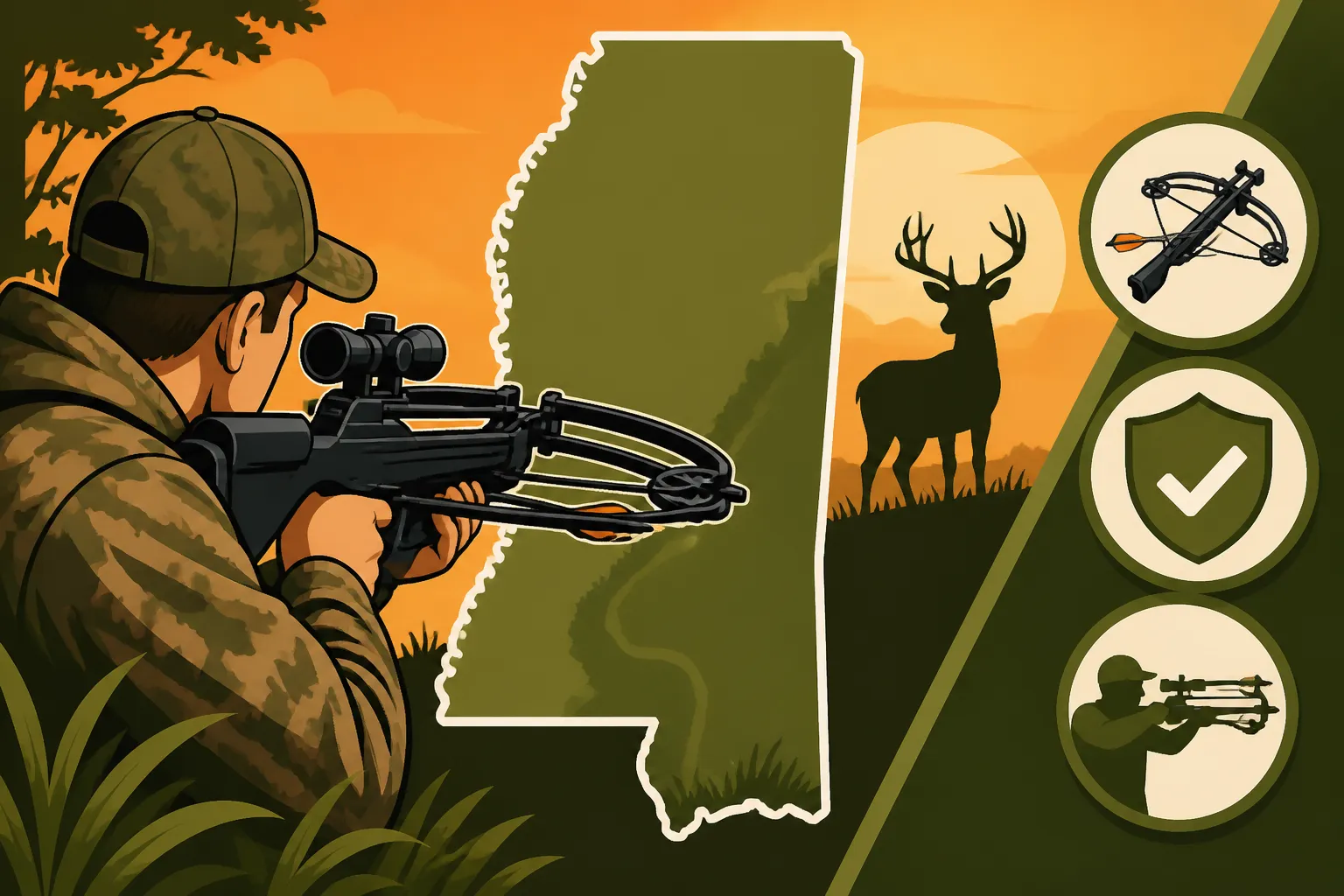
In Mississippi, the term "archery season" for deer hunting isn't solely reserved for traditional bows or compound bows. It fully embraces crossbows as a legal and viable tool for harvesting game. This is a huge relief for many hunters who prefer the stability and longer hold time a crossbow offers, whether due to physical limitations, a desire for increased accuracy, or simply personal preference. The Mississippi Department of Wildlife, Fisheries, and Parks (MDWFP) considers crossbows to be archery equipment, plain and simple, for the purpose of deer hunting during these designated seasons.
This broad definition means that if you're a legal hunter, you're generally good to go with your crossbow during the statewide archery dates. This inclusivity allows more people to participate in the early deer season, which often falls during some of the most beautiful and comfortable weather windows of the year. It's a game-changer for folks who might have hung up their traditional bow due to shoulder issues or declining eyesight but still want to experience the thrill of a close-range deer hunt. For an in-depth look at the broader archery opportunities, check out our guide on Bowhunting Mississippi's Long Archery Season.
No Special Permits or Waivers Needed
Another significant point of relief for crossbow enthusiasts in Mississippi is the lack of a special permit or medical waiver requirement. You don't need a doctor's note or a specific disability tag to carry a crossbow during archery season. If you can legally hunt, you can use a crossbow. This simplifies things immensely, removing bureaucratic hurdles that often discourage hunters in other states.
This policy stands in stark contrast to many other states where crossbow use might be limited to seniors, youth, or those with verified physical impairments. Mississippi recognizes the crossbow as a legitimate piece of hunting equipment for any licensed hunter during archery season, making it accessible to a much wider audience. Of course, you still need to ensure you have the appropriate hunting licenses. For residents, that typically means a valid Mississippi Resident Sportsman's License Cost, while non-residents will need to explore their Mississippi Nonresident License Options to ensure they're compliant. Always double-check your license status before heading afield – that's just good practice.
Specific Crossbow Regulations and Equipment Standards
While Mississippi is welcoming to crossbow hunters, that doesn't mean it's a free-for-all. There are still important regulations regarding the type of equipment you use and how you use it to ensure ethical hunting practices and fair chase. These rules are in place to maintain the integrity of the sport and the safety of everyone involved.
Legal Draw Weight and Bolt Requirements
When it comes to the crossbow itself, the MDWFP doesn't specify a minimum draw weight for crossbows, which is a bit different from traditional bows that often have explicit minimums. Instead, the focus is more on the projectile. Any bolt or arrow used must be fitted with a broadhead. And we're not talking about those dull field points you use for target practice. These need to be razor-sharp, designed for clean and humane harvesting of game.
The regulations typically state that broadheads must have a minimum cutting diameter of 7/8 inch. This ensures sufficient wound channel for a quick, ethical kill. You absolutely cannot use any broadhead that is explosive, poisonous, or otherwise designed to inflict undue suffering. Mechanical broadheads are generally permitted, which is great news for many hunters who appreciate their flight characteristics and wider cutting diameter upon impact. However, always double-check any specific WMA rules, as they occasionally have slightly different stipulations. Knowing these specifics is key, and reputable brands like Rage and NAP make excellent broadheads that meet Mississippi's requirements.
Illuminated Reticles, Scopes, and Other Accessories
Modern crossbows often come equipped with advanced sighting systems, and hunters naturally want to know what's legal. Good news: scopes, including those with illuminated reticles, are perfectly legal for crossbow hunting in Mississippi. That little red or green dot can be a huge help in low-light conditions, which are often prime hunting times at dawn and dusk. This is a common feature on many crossbows, enhancing precision and making it easier to acquire a clear sight picture.
Other accessories are also generally allowed. Rangefinders, for instance, are invaluable tools for accurately judging distance, which is crucial for ethical shot placement. Cocking aids, whether integrated or external, make it easier to load your crossbow, which can be particularly helpful for multiple shots or for hunters with less upper body strength. Bipods or shooting sticks are also permissible, offering a stable rest when shooting from a blind or a stationary position.
What you can't use are devices that project a beam of light onto the animal itself for targeting. This means no laser sights that shine a visible dot on the deer. The intent is to avoid technology that could provide an unfair advantage or distress the animal. Always ensure your gear adheres to these guidelines before heading out. A quick check of the MDWFP hunting guide or using a resource like GoHunt's state regulation database can keep you informed about any minor updates year to year.
Where and When Crossbows Are Permitted During Archery Season
Understanding the specific dates and locations is just as crucial as knowing the equipment rules. Mississippi has a diverse landscape, and regulations can vary slightly depending on the deer management unit you're hunting in.
Statewide Archery Season Framework
Crossbows are legal statewide for deer hunting during Mississippi's established archery season dates. These dates are set annually by the MDWFP and are consistent across all landowners, whether you're on private timberland or a vast public tract. However, it's vital to remember that Mississippi is divided into Mississippi's Four Deer Management Units: Delta, Hills, North Central, and Southeast. Each of these units can have slightly different archery season start and end dates, as well as unique antler restrictions or bag limits.
For example, the Southeast Unit often boasts a longer archery season compared to other units, extending opportunities for hunters there. This variation is why it's absolutely non-negotiable to check the current year's MDWFP regulations for the specific county or unit where you plan to hunt. You don't want to find yourself afield with a legal crossbow but at an illegal time. Our article on Mississippi Archery Season Dates by Unit provides a great overview, but nothing beats looking up the official regulations directly. Whether you're hunting in the Delta's rich bottomlands or the piney woods of the Southeast, crossbows are welcome within those unit-specific archery windows.
Public Land and WMA Specifics
While crossbows are generally legal statewide during archery season, hunting on public lands, especially Wildlife Management Areas (WMAs), often comes with its own set of rules and nuances. Many WMAs follow the statewide archery season dates and regulations for crossbows, but some might have specific provisions or quota hunts that could affect how and when you can use your crossbow.
For instance, certain WMAs might have special archery-only areas or unique equipment restrictions. It's not common to see outright crossbow bans on WMAs during archery season, but it's always best practice to review the specific WMA's regulations pamphlet or website before you go. Resources like GoHunt often compile WMA rules, but direct confirmation with the MDWFP's WMA-specific guides is the gold standard.
Beyond equipment, remember that public lands require more strategic planning. You’ll want to be good at Scouting Mississippi Public Land Before Season to find good spots. Whether you're thinking about Hanging a Stand on a Delta Bottomland Funnel or considering Using a Ground Blind on Mississippi Public Land, these tactics are all fair game for crossbow hunters. And let’s not forget safety: even during archery season, if there's any overlap with a gun season or if you're hunting on public land where other types of hunting are permitted, you might still be subject to Mississippi Blaze Orange Requirements. Always prioritize safety and visibility.
Practical Considerations for the Mississippi Crossbow Hunter
Having the right equipment and knowing the rules is just part of the equation. To be a truly effective and ethical crossbow hunter in Mississippi, you need to consider the practical aspects of your hunt, from shot placement to equipment maintenance.
Safety and Ethical Shot Placement
Just like with any hunting weapon, responsible crossbow use begins with safety and extends to making ethical shot choices. While a crossbow can offer a higher level of precision and ease of aiming compared to a traditional bow, it's not a magical bullet. Practice is paramount. Knowing your effective range – the maximum distance at which you can consistently place a broadhead into a kill zone – is absolutely critical. For most crossbows, this range is typically 40-60 yards, but it can vary significantly based on the shooter and the equipment. Don't push it beyond your comfort zone, even if your crossbow can launch bolts further.
Ethical shot placement ensures a quick, humane harvest. This means aiming for the vitals (heart/lungs), avoiding risky quartering-to shots, and waiting for the deer to present a broadside or slightly quartering-away angle. A well-placed bolt from a crossbow is incredibly effective, but a poor shot can lead to a long, difficult track, and potentially a lost animal. Imagine the frustration of having to undertake Blood Trailing After Dark in Mississippi or navigating dense Tracking a Deer Through Mississippi Leaf Litter after a marginal hit; it's a situation every hunter wants to avoid. Take your time, confirm your shot, and if the deer isn't cooperating, wait for another opportunity. Your commitment to a humane harvest defines you as an ethical hunter.
Maintenance, Storage, and Transportation
A crossbow is a precision instrument, and like any finely tuned tool, it requires regular maintenance. After each hunt, especially if exposed to the elements, it’s a good idea to wipe down your crossbow, check all screws and bolts for tightness, and inspect the string and cables for any fraying or damage. String wax should be applied periodically to prolong string life. Also, inspect your bolts and broadheads. Damaged fletching or dull broadheads can significantly impact accuracy and effectiveness. GoHunt provides some great tips on preseason gear checks that apply perfectly to crossbows.
When it comes to storage and transportation, safety is paramount. Always store your crossbow de-cocked to relieve tension on the limbs and string, which helps prolong its lifespan. A good quality padded case is essential for protecting your investment during transport, whether you're driving down the highway or walking into a WMA. Most states, including Mississippi, prohibit the transport of a cocked crossbow in a vehicle. It's considered "loaded" in many jurisdictions and can lead to hefty fines or worse. When you're out in the field, always handle your cocked crossbow with the same care and respect you would a loaded firearm, keeping the safety on until you are ready to shoot and pointing it in a safe direction.
| Crossbow Rule Category | Mississippi Regulation Summary | Key Considerations |
|---|---|---|
| Eligibility | Open to all licensed hunters during archery season. | No special permits or disability waivers needed. |
| Season Dates | Legal during statewide archery season dates, which vary by Deer Management Unit. | Always check current MDWFP regulations for your specific unit (e.g., Delta, Hills, Southeast, North Central). |
| Public Land (WMA) | Generally legal, but check specific WMA rules for any unique restrictions. | Some WMAs might have specific zones or quota hunts with added rules. |
| Broadhead Type | Must be razor-sharp broadheads with a minimum 7/8 inch cutting diameter. | No explosive or poisonous broadheads. Mechanical broadheads are generally permitted. |
| Sighting Systems | Scopes, including illuminated reticles, are legal. | No laser sights that project a beam onto the animal are allowed. |
| Draw Weight | No explicit minimum draw weight specified for crossbows. | Ensure your crossbow generates enough energy for an ethical kill with your chosen broadhead. |
| Transportation | Must be uncocked when transported in a vehicle. | Use a protective case for safety and equipment longevity. |
Disclaimer
Please note that hunting regulations, seasons, and licensing requirements can change. While every effort has been made to provide accurate and up-to-date information, it is the hunter's responsibility to consult the official Mississippi Department of Wildlife, Fisheries, and Parks (MDWFP) regulations prior to any hunting activity. This guide is for informational purposes only and should not be considered legal advice.