Deer Drives With Three or Four Hunters
It's incredibly frustrating when you're trying to hunt a promising block of timber or a fencerow on a small piece of private land, or even a tricky pocket on public ground, and you just don't have the numbers for a classic deer drive. You’ve got a couple of buddies, maybe three or four total, and the thought of trying to push deer effectively feels like a losing battle. This guide will walk you through exactly how to plan and execute successful deer drives with a small group of three or four hunters here in Mississippi, making the most of your limited manpower.
The Advantages and Challenges of Small Deer Drives
When you're looking at a piece of property or a section of public land, the first thing that often comes to mind for many hunters is, "How many guys do we have?" If the answer is just a handful, it can feel disheartening. But don't count yourselves out! Small deer drives, when done correctly, can be incredibly effective, especially in Mississippi's diverse terrain. However, they also come with their own unique set of challenges that need careful consideration.
Why Go Small? Maximizing Hunter Safety and Efficiency
Believe it or not, having fewer hunters can actually be a huge advantage. Think about it: with only three or four people, communication becomes inherently simpler. There's less potential for miscommunication, confusion, or that general chaos that can sometimes plague larger drives. You can maintain much better situational awareness of everyone's position, which is paramount for safety. Each person feels a greater sense of responsibility, leading to more focused efforts.
With a smaller group, you can coordinate your movements more precisely. Drivers can adjust their pace, angle, and noise level in real-time, based on feedback from standers or observations of deer movement. It allows for a more nuanced approach, rather than a blanket push. This increased efficiency means you're not just making noise and hoping for the best; you're actively working a specific area with a clear objective. It also allows you to be much stealthier, making a slow, quiet push that can sometimes surprise deer that are used to being blown out of an area.
The Terrain Factor: Where 3-4 Hunters Shine and Struggle
Mississippi offers a huge variety of hunting landscapes, from the flat, thick Delta bottomlands to the rolling hills and piney woods of the central and southern parts of the state. Knowing your terrain is absolutely crucial for a successful small drive.
Small groups really shine in specific types of cover. Picture a dense, overgrown creek bottom winding through an agricultural field, a gnarly clear-cut with regenerating pines, a small block of hardwoods surrounded by open country, or a series of thick fencerows connecting two larger timber blocks. These are pockets where deer often bed down and feel secure, and a handful of hunters can effectively cover and push them out. Even isolated stands of cane or briar thickets in the Delta Unit can be ideal for a quick, concentrated effort. When you only have a few people, you have to be smart about choosing your battlegrounds.
However, a small group will struggle mightily in vast, unbroken timber, wide-open mature pine plantations, or expansive agricultural fields. Trying to drive a several-hundred-acre block of hardwoods with just three people is like trying to empty a swimming pool with a teacup – you'll likely just push deer around the edges or have them slip back through the gaps. In these scenarios, your gaps are simply too wide, and deer will easily find safe passage. The key is to select areas where the natural boundaries (like roads, creeks, field edges, or property lines) are close enough together that your limited number of drivers and standers can effectively "seal" the area.
Strategic Planning for Successful Small Group Drives
You wouldn't head into a major football game without a game plan, and a deer drive, no matter how small, is no different. Haphazardly walking through the woods and hoping deer magically appear is a recipe for frustration. For three or four hunters, meticulous planning is not just helpful, it's absolutely essential for success.
Scouting the Area: Identifying Key Escape Routes and Funnels
Before you even think about setting foot in the woods for a drive, you need to put in some serious legwork. Pre-hunt scouting is the foundation of any successful deer hunt, and it's doubly important for small drives. You need to know the property like the back of your hand. Start by analyzing maps – topographical maps and aerial imagery are your best friends here. Tools like GoHunt can be incredibly helpful for this, allowing you to mark potential bedding areas, travel corridors, and escape routes from the comfort of your home.
Look for natural pinch points in the landscape. These are places where deer are naturally funneled due to geographical features. Think about where a creek bends sharply, creating a narrow crossing, or a saddle between two ridges that deer prefer to cross. Pay close attention to overgrown drainage ditches, thickets, old logging roads, and changes in timber density. These are all potential avenues deer will use when pressured. Fresh sign like tracks, rubs, and scrapes will confirm that deer are actively using these areas. Don't forget to consider how deer might skirt the edges of a field or a block of timber; they'll often try to slip out the sides rather than being pushed straight ahead. Knowing these escape routes allows your standers to be in the perfect ambush positions. For more on preparing, check out Scouting Mississippi Public Land Before Season or even Reading Aerial Photos for Hills Unit Deer for specific terrain insights.
Assigning Roles: Drivers, Standers, and Communication Protocols
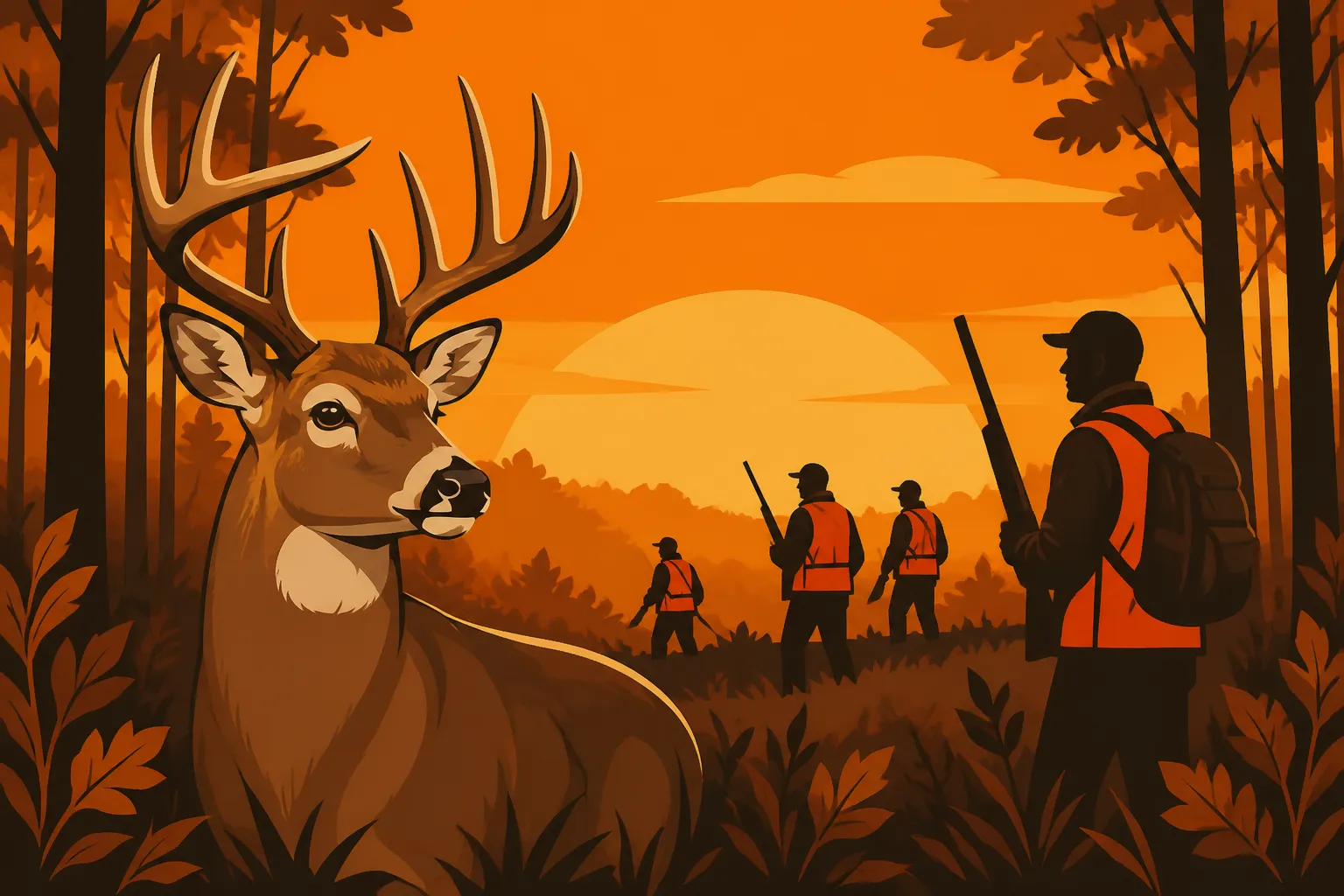
With a small group, every person's role is critical. Typically, with three or four hunters, you'll have one or two drivers and two or three standers.
- Drivers: These are the folks who will be walking through the cover, pushing the deer. Their job isn't necessarily to make a ton of noise and blow deer out, but rather to move slowly and deliberately, encouraging deer to move towards the standers.
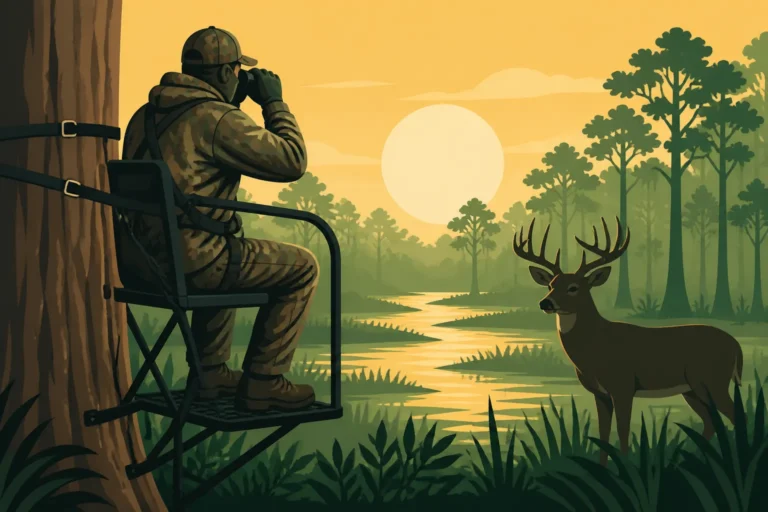
- Standers: These are the hunters positioned at the identified escape routes and funnels, ready to intercept deer that are being pushed. Their ability to remain concealed, still, and alert is paramount.
Before the drive starts, everyone needs to know their exact role, their starting points, their routes, and their end points. Communication is key. Using two-way radios (FRS/GMRS are great for short distances and line-of-sight communication) is highly recommended for safety and coordination. Establish clear call signs or codes. Agree on a signal for when drivers start, when standers are in position, and when the drive is complete. Safety instructions, particularly about shooting lanes and understanding what's beyond your target, must be reviewed every time. No shot is worth risking another hunter's safety. Consider reading up on Deer Drives on Mississippi Public Land for broader context, but remember to adapt it for your smaller group.
Understanding Deer Behavior Under Pressure
Deer are incredibly intelligent and keenly aware of their surroundings. How they react to a drive depends on several factors: the amount of pressure they're accustomed to, the type of cover, and the nature of the drive itself.
In Mississippi, especially on heavily hunted public land or even private tracts near communities, deer are often highly pressured. They've learned to evade hunters. When a slow, steady push begins, deer will often try to slip out the sides of the drive, circle back behind the drivers, or simply bed down tighter, hoping the drivers pass them by. They might sneak silently through thick cover, using every available advantage. This is why having standers positioned on flanks and rear escape routes, not just at the end, can be so effective.
An aggressive, noisy push might get deer moving faster, but it also increases the chance of them bolting wildly, running unpredictable patterns, or blowing past standers before they have a clear shot. Knowing whether the deer in your area are typically "jumpy" or more apt to "slip away" will dictate the style of your drive. Understanding Hunting Pressure on Mississippi Public Land will give you a better idea of what to expect in different areas.
Executing the Drive: Tactics for Maximum Effectiveness
Once the planning is done and everyone knows their role, it’s time to put boots on the ground. This is where the rubber meets the road, and smart execution can turn a potentially chaotic effort into a well-oiled machine.
The Slow, Quiet Push: Nuance for Pressured Deer
For most small-group drives in Mississippi, especially on public land or areas where deer are wary, the "slow, quiet push" is your best friend. This isn't about crashing through the woods and yelling. Instead, the drivers move deliberately, almost still-hunting through the cover. They pause frequently, listening, looking, and only making enough noise to gently encourage deer to move. This might involve an occasional whistle, a light tap on a tree, or even just the crunch of boots on leaves.
The goal here is to make deer feel uneasy enough to get up and walk, rather than bolt. When deer are walking, they're typically calmer, more predictable, and offer standers better shot opportunities. This tactic works exceptionally well in thicker cover like cane breaks, pine thickets, or dense bottomland where deer might otherwise just hunker down. It’s a patient approach that relies on the deer's natural inclination to avoid perceived threats while still trying to remain unnoticed. It’s akin to Still-Hunting Hills Unit Ridges but with a coordinated movement towards standers.
The Aggressive Push: When to Kick Up the Pace
There are times, however, when a more aggressive, noisier push is warranted. This might be in extremely dense, impenetrable cover where deer are almost impossible to get moving otherwise, or perhaps if you’re trying to move a large group of does for herd management purposes. If you're hunting a thick, swampy block of timber in the Delta that rarely sees human intrusion, sometimes a little more ruckus is needed to get deer out of their beds.
When employing an aggressive push, drivers might space out a bit more, beat on trees, or make more vocal calls. The key here is to inform your standers precisely what kind of drive to expect. Fast-moving deer require faster reactions and even more attention to safe shooting lanes. The downside, of course, is that deer can be more unpredictable, sometimes doubling back right through the drivers or rocketing past standers at high speed, making a clean shot more challenging. This method is generally reserved for situations where the slow push has proven ineffective or when the cover is so extreme it demands more persuasive tactics.
Positioning Standers: Covering Escape Routes Effectively
The success of any drive, especially a small one, hinges on the strategic placement of your standers. These hunters are the ones who will ultimately intercept the deer. Simply placing them at the end of a block of timber might work occasionally, but true success comes from covering all likely escape routes.
As mentioned earlier, use your scouting knowledge. Position standers on the downwind side of the drive whenever possible, as deer will often try to circle downwind to smell any perceived danger. Put them on known funnels, creek crossings, saddles, and the edges of thick cover that lead to open areas. Natural features like large oaks, downed timber, creek banks, or even old logging equipment can provide excellent concealment. Sometimes, finding a little elevation, even just a slight rise in the terrain, can give a stander a crucial advantage in spotting approaching deer.
For instance, if you're driving a long, narrow strip of timber along a creek, you might have one stander at each end, but also one or two standers set up mid-drive, slightly off to the sides, covering potential escape routes where deer might try to slip into adjacent cover. Think about Hanging a Stand on a Delta Bottomland Funnel or Setting Up on a Delta Field Edge for inspiration on optimal placement. Standers must remain absolutely motionless and silent, scanning their shooting lanes constantly.
Driving Small, Strategic Pockets
With only three or four hunters, attempting to drive massive tracts of land is futile. The trick is to break down larger properties or public land areas into smaller, more manageable pockets. Focus your efforts on specific bedding areas, dense thickets, brush piles, or small drainage bottoms where you know deer are likely to be hiding.
Instead of one long drive through a huge area, execute several short, concentrated drives. You can even use a "leapfrog" method: drivers push a small section, standers reposition to the next likely escape route, and the drivers continue, moving the "block" of pressure through the property. GoHunt's mapping features are invaluable for identifying these small, high-potential pockets. You can mark them, draw your intended drive lines, and assign stander locations, ensuring everyone is on the same page. This focused approach allows your limited manpower to create truly effective pressure in key areas, dramatically increasing your chances of success. This strategy often leads to finding deer that others might walk right past, which is precisely why it works so well for Finding Ground Others Walk Past.
Post-Drive Considerations and Learning for Next Time
The hunt isn't over when the shot is fired, or even when the drive is complete. What happens afterward, and how you analyze the results, is just as important for both success on the current hunt and for improving your tactics in the future.
Tracking and Recovery: Essential After the Shot
One of the most critical steps after a shot is fired, especially during a drive, is exercising patience. Resist the urge to immediately rush to where the deer was standing. Give the animal time to lie down and expire. If you push a wounded deer too quickly, you risk pushing it further onto another property, into thicker cover, or into an unrecoverable area like a deep slough.
Mark the exact spot where the deer was standing when shot, and the last place you saw it. Note the direction it ran. Then, wait at least 30 minutes, sometimes longer for gut shots or questionable hits. Once you begin tracking, move slowly and methodically. Look for blood, hair, bone fragments, and disturbed earth. With multiple hunters, you can spread out slightly to cover more ground while blood trailing, but always stay within communication distance. Mississippi's thick leaf litter and sometimes dense undergrowth can make blood trailing tough, so having a good plan, and even a powerful tracking light if it's getting dark, is vital. For more detailed advice, check out Blood Trailing After Dark in Mississippi or Tracking a Deer Through Mississippi Leaf Litter.
Analyzing Your Drive: What Worked and What Didn't
After each drive, whether successful or not, take some time to debrief with your group. This might happen while you're tracking a deer, or back at the truck with a cup of coffee. Discuss openly:
- Did the deer move as expected?
- Were the standers in the right positions?
- Did the drivers maintain the correct pace and noise level?
- Were there any obvious escape routes that weren't covered effectively?
- Did deer try to slip back through the drivers?
Using GoHunt's mapping features, you can even trace your actual drive routes and mark where deer were seen or shot. This visual review can be incredibly helpful for understanding why a drive worked or didn't. This kind of analysis is how you refine your tactics, learn from experience, and become more effective on future hunts. Every drive, regardless of the outcome, offers valuable lessons.
Safety First: A Constant Priority
We can't emphasize this enough: safety is paramount. When executing deer drives, even with a small group, the risk of an accident increases if proper protocols aren't followed. Always ensure everyone is wearing sufficient blaze orange or blaze pink, as required by Mississippi law. For specific requirements, see How Much Blaze Orange Mississippi Requires.
Before the drive, clearly define everyone's zones of fire. Standers must know exactly where the drivers will be and where other standers are positioned. Drivers must know where standers are and never shoot in their direction. Always identify your target positively and be absolutely certain of what is beyond it before taking a shot. Never shoot at sound or movement. Communication, discipline, and a shared commitment to safety will ensure everyone goes home at the end of the day, with or without a deer.
| Feature / Aspect | Small Deer Drive (3-4 Hunters) | Large Deer Drive (8+ Hunters) |
|---|---|---|
| Ideal Terrain | Small woodlots, thickets, fencerows, creek bottoms, narrow strips of timber, clear-cuts. | Large blocks of timber, expansive public lands, open hardwoods, bigger clear-cuts. |
| Communication | Easier, more direct, nuanced; often uses radios or simple hand signals. | More complex, requires strict protocols, more prone to confusion and miscommunication. |
| Stealth Factor | High potential for slow, quiet pushes; deer often walk, not run. | Lower potential for stealth; often involves louder, more aggressive pushes; deer may run wildly. |
| Coverage | Limited; focuses on specific, smaller pockets and choke points. | Extensive; can cover vast areas, but with more potential gaps. |
| Setup Time | Generally quicker to organize and position. | Requires more time for positioning and coordination. |
| Flexibility | Highly adaptable to changing deer movement or terrain. | Less flexible once started; harder to adjust mid-drive. |
| Shot Opportunity | Often calmer deer, leading to better shot opportunities for standers. | Faster-moving deer, potentially more challenging shots, higher risk of running shots. |
| Safety Concerns | Fewer hunters, easier to track locations, but still requires strict adherence to rules. | More hunters, higher risk of misidentification or shooting accidents if not highly organized. |
Disclaimer
The information provided in this guide is for informational purposes only and is not intended to be a substitute for professional advice. Always consult the most current Mississippi Department of Wildlife, Fisheries, and Parks (MDWFP) regulations before engaging in any hunting activities. Hunting involves inherent risks, and safety should always be your top priority. Ensure you have proper training, equipment, and adhere to all local, state, and federal laws.