Mississippi Nonresident Deer Permit Rules
Navigating hunting regulations in a new state can feel like deciphering ancient hieroglyphs, and for many nonresidents eyeing Mississippi's renowned deer hunting, the permit system often presents a real head-scratcher. It’s not just about buying a license; it’s about understanding which combination of permits you truly need to legally pursue that elusive whitetail. This guide aims to clear up all the confusion, laying out exactly what licenses and permits are required for out-of-state hunters hoping to experience Mississippi's rich hunting heritage.
Understanding the Mississippi Nonresident Hunting Landscape
Mississippi has long been a whispered secret, and sometimes a loudly proclaimed destination, for deer hunters across the country. There's a certain magic to the varied landscapes, from the Delta's rich bottomlands to the rolling Hills, each promising a unique challenge and the potential for a truly memorable hunt. But with that allure comes a unique set of regulations that can be daunting for someone accustomed to their home state's rules.
Why Mississippi Attracts Out-of-State Hunters
There's a good reason folks travel from far and wide to hunt deer here. Mississippi boasts a healthy deer population and, in certain areas, a strong history of producing impressive whitetails. The genetics, combined with diverse habitat and generally mild winters, create conditions ripe for deer to grow. Hunters often hear tales of the massive bucks that emerge from the Delta, known for its rich soils and abundant food sources, or the more challenging, but equally rewarding, hunts in the Hills Unit. For many, it's about the opportunity to pursue deer in a different setting, test new tactics, and experience the unique hunting culture that runs deep in the state. The sheer length of some of our seasons, especially archery, also makes it a prime destination for those looking for extended opportunities afield.
The Core Challenge: Navigating License and Permit Layers
What often trips up nonresidents isn't necessarily finding a license, but understanding that Mississippi requires a multi-layered approach. It's not a simple "nonresident deer license" that covers everything. Instead, you'll need a base hunting license, and then a specific deer permit on top of that. This distinction is crucial and often overlooked, leading to frustration, or worse, hunting without the proper authorization. Factor in different options for annual versus short-term stays, and the complexities can quickly multiply. It’s a system designed to ensure all hunters contribute to wildlife management, but it definitely demands a careful read of the regulations, which can feel like an extra hurdle when all you want to do is hit the woods.
Deciphering the Required Nonresident Licenses
Alright, let's get down to brass tacks. If you're coming to Mississippi from out of state and planning to chase whitetails, there are a couple of key licenses and permits you absolutely need to have in your pocket, or at least on your phone. These aren't just suggestions; they are legal requirements, and you don't want to find yourself explaining to a game warden why you thought one covered the other.
The Base Nonresident All-Game License
Think of this as your foundational pass to hunt most legal game animals in Mississippi. The Mississippi Nonresident All-Game License Cost covers pretty much everything with fur, feathers, and fins, except for migratory birds (which require federal and state stamps) and alligators. So, if you're planning to hunt deer, turkey, small game, or even hogs, this is your starting point. It's an annual license, meaning it's valid for a full year from the date of purchase or for the entire license year (July 1st to June 30th), depending on how you buy it.
This license itself does not give you permission to hunt deer. I know, I know, it says "All-Game," which naturally leads one to believe deer are included. But this is where the layered system comes into play. It's more like a general admission ticket to the hunting opportunities in the state. Without it, you can't buy the specific deer permit you'll need. It's essential groundwork, and it’s a significant investment, so make sure your plans align with wanting to hunt more than just deer if you go this route. You can find more details on general requirements by looking into Mississippi Hunting Licenses and What They Cost.
The Crucial Nonresident Deer Permit
This is the permit specifically designated for deer hunting, and it's absolutely non-negotiable for nonresidents. Once you have your base Nonresident All-Game License, you must also purchase the Nonresident Deer Permit. This permit is what truly grants you the privilege to legally harvest deer in Mississippi. It allows you to take bucks and does within the statewide bag limits and specific unit restrictions.
The cost of this permit is in addition to your base license, and it’s a necessary step. Many new nonresident hunters have mistakenly thought their All-Game license was enough, only to find themselves in a tough spot. Don't be that hunter! Always double-check your permits before heading into the woods. This permit confirms your specific intention to hunt deer and ensures you're accounted for in the state's deer management efforts.
Exploring the Seven-Day Nonresident Option
For those planning a shorter hunting trip, maybe just a long weekend or a week-long excursion, Mississippi offers a more budget-friendly alternative: the Mississippi Seven-Day Nonresident License. This license package is often a more attractive option than buying the full annual All-Game License and then adding the deer permit separately.
The Seven-Day Nonresident All-Game/Small Game/Freshwater Fishing/Deer/Turkey License combines several privileges into one temporary package. This means it covers not only deer but also small game, freshwater fishing, and even turkey hunting, all for a seven-consecutive-day period. This is often the most economical choice for non-residents who aren't planning multiple trips to Mississippi within a license year. It streamlines the process, giving you one permit that covers your primary hunting needs for a specific timeframe. Just be absolutely sure of your hunting dates, as once that seven-day clock starts ticking, it doesn't stop. It’s also important to note that this temporary license still adheres to all other statewide and unit-specific bag limits and regulations.
Specific Deer Permit Rules and Restrictions
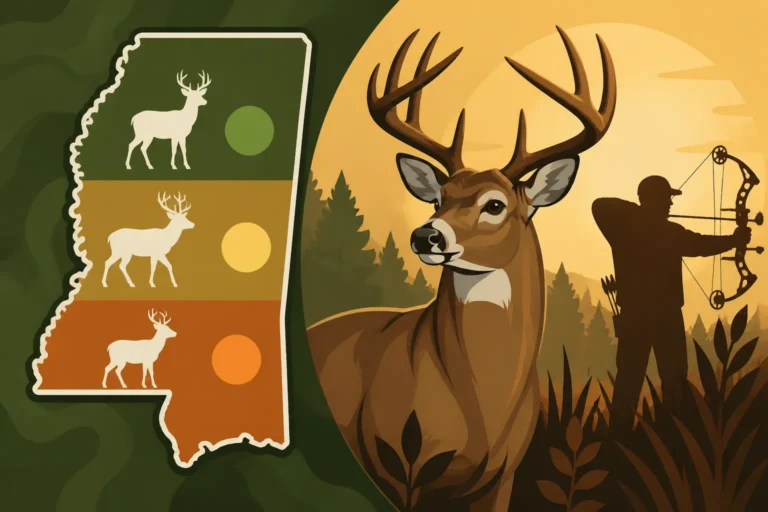
Just having the right permits in hand isn't the whole story. Mississippi's deer management strategy includes specific rules that dictate what you can harvest, particularly concerning antlered bucks. These rules vary significantly depending on which of the state's four deer management units you choose to hunt. As a nonresident, understanding these nuances is absolutely critical to avoid an illegal harvest.
Antler Restrictions by Deer Management Unit
Mississippi employs antler restrictions in most of its deer management units to promote a healthier age structure within the buck population and improve herd quality. This means you can't just shoot any buck you see; it has to meet specific criteria.
- Delta Unit: This unit, known for its rich agricultural lands and dense bottomland hardwoods, often produces some of the state's largest deer. To hunt an antlered buck here, it generally must have an outside antler spread of at least 12 inches OR a main beam length of at least 15 inches. This is a pretty significant restriction, and it requires careful observation. Many hunters use their binoculars not just to spot deer but to really size up those antlers before deciding to take a shot. Failing to adhere to the Delta Unit Antler Restriction Rules can result in stiff penalties, and frankly, a ruined hunt.
- Hills Unit: Covering a large portion of the state, the Hills Unit also has antler restrictions, though they are slightly less stringent than the Delta's. In the Hills, an antlered buck typically needs an outside antler spread of at least 10 inches OR a main beam length of at least 13 inches. While still requiring careful judgment, it offers a bit more flexibility. You can gain more insight on this by reading about Hills and Southeast Unit Antler Restriction Rules.
- Southeast and North Central Units: These units typically have no antler restrictions, meaning any antlered buck is legal. This doesn't mean you should shoot the first spike you see, but it does remove the pressure of judging spread or beam length on the fly. However, always verify the current regulations for the specific county or WMA you plan to hunt, as local rules can sometimes supersede general unit guidelines. Always check the current MDWFP regulations before you go. For a comprehensive overview, consider researching Mississippi Deer Season Structure Explained and Mississippi's Four Deer Management Units.
It's paramount for nonresidents to study these regulations for their chosen hunting area before their trip. Using resources like the MDWFP website or the GoHunt app can provide invaluable, up-to-date information on the specific area you plan to visit.
Annual Bag Limits for Nonresidents
Beyond antler restrictions, there are overall limits on how many deer you can harvest in a season. These Mississippi Deer Bag Limit Rules apply equally to residents and nonresidents. Generally, for deer, Mississippi’s statewide bag limit for legal bucks is one per day, with an annual limit that varies, often around three legal bucks per annual season. For antlerless deer (does), the limits are typically one per day, with the annual limit depending on the unit and often extending until the statewide limit is met, or until specified dates.
It’s crucial to understand that even with your nonresident deer permit, you are still bound by these numbers. If you take a buck in the Delta Unit, that counts towards your statewide buck limit. Some areas, particularly Wildlife Management Areas (WMAs), might have even more restrictive local bag limits or specific harvest dates for antlerless deer, often through quota hunts or designated doe days. Always check the specific regulations for the WMA or private land you’ll be hunting. It’s not uncommon for hunters to misunderstand combined limits across different types of land or units, so clarity here is key.
Hunter Education Requirements for Nonresidents
If you’re coming to hunt in Mississippi, you might be wondering about hunter education. The good news is, if you were born on or after January 1, 1972, you must complete a hunter education course. However, Mississippi has reciprocity with other states, meaning if you’ve completed an approved hunter education course in another state, that certification is recognized here.
This is a common question, and thankfully, if you’ve already been through a hunter education program, you likely won’t need to do it again. Just make sure you can provide proof of certification if asked by a game warden. This could be your hunter education card, a certificate, or even an online record if your state provides one. For those who haven't completed a course, or for younger hunters, it's a necessary step before heading afield, unless hunting under an apprentice license. You can learn more about Who Needs Mississippi Hunter Education to ensure you're compliant. This requirement helps ensure that all hunters, regardless of their home state, have a foundational understanding of hunting safety and ethics.
Purchasing Your Mississippi Nonresident Deer Permits
Once you've got a firm grasp on what you need, the next logical step is figuring out how to actually get your hands on those permits. Thankfully, in this modern age, the process is pretty straightforward, with several convenient options available. No need to drive hours to a physical office unless you prefer that personal touch.
The MDWFP Online Portal and Mobile App
For most hunters, the easiest and most efficient way to purchase licenses and permits is directly through the Mississippi Department of Wildlife, Fisheries, and Parks (MDWFP) online portal or their official mobile app. The MDWFP website is well-designed and walks you through the process step-by-step. You'll create an account, enter your personal information (including your out-of-state driver's license number), and then select the specific licenses and permits you need, such as the Nonresident All-Game License and the Nonresident Deer Permit, or the all-encompassing Seven-Day Nonresident option.
The mobile app, often simply called "MDWFP," is also incredibly handy. Not only can you purchase licenses on it, but it also stores a digital copy of your licenses, which is perfectly legal to carry as proof afield. This means no more worrying about losing a paper copy or forgetting it in your truck. Plus, the app often provides access to other useful features, like a digital hunting and fishing guide and mapping tools. This modern convenience makes it easy to comply, even if you realize you forgot a permit moments before heading into the stand. For detailed instructions, you can check out Buying a License Through MDWFP Online.
In-Person and Phone Purchase Options
While online purchasing is increasingly popular, the MDWFP understands that not everyone has consistent internet access or prefers to conduct transactions electronically. For those who prefer a more traditional route, you can still purchase your nonresident licenses and permits in person. Many sporting goods stores, bait shops, and even some convenience stores across Mississippi are authorized license vendors. Just look for signs indicating "Hunting & Fishing Licenses Sold Here."
When purchasing in person, you'll need to bring your identification, typically a valid driver's license from your home state. The vendor will input your information and print out your licenses on the spot. This can be a great option if you're already in the state and realize you need a permit, or if you simply prefer talking to a real person. Additionally, you can often purchase licenses over the phone by calling the MDWFP directly. Their customer service representatives can assist you, and they'll typically mail the licenses to you, though this might not be ideal for last-minute purchases.
Understanding Validity Periods and Carrying Proof
Once you've made your purchase, whether online, via the app, or in person, it's crucial to understand the validity period of your license and the requirement to carry proof while hunting. Annual licenses are generally valid from July 1st of one year to June 30th of the next. Seven-day licenses, as the name implies, are valid for seven consecutive days from the start date you select at the time of purchase. Always double-check the dates printed on your license to ensure it's valid for the entirety of your hunt.
As for proof, Mississippi law requires you to have your valid licenses and permits on your person while hunting or fishing. As mentioned, a digital copy on the MDWFP mobile app is perfectly acceptable. If you have a paper copy, make sure it's printed clearly and protected from the elements. Don't leave it in the truck; game wardens can and will ask to see your license at any time in the field. Having your documentation readily available ensures a smooth interaction and demonstrates your commitment to legal and ethical hunting practices.
Strategic Planning for Your Mississippi Deer Hunt
Beyond the permits and regulations, successful nonresident hunting in Mississippi requires a good dose of strategic planning. This isn't just about showing up with a gun; it's about understanding the land, the deer, and the unique challenges you might face. Proper preparation can make or break your trip, turning a potential headache into a memorable adventure.
Scouting and Planning with Digital Tools
The beauty of modern technology cannot be overstated when it comes to planning a nonresident hunt. Tools like the MDWFP app, coupled with mapping software like OnX Hunt or even Google Earth, are invaluable. Before you even set foot in the state, you can begin to Scouting Mississippi Public Land Before Season from the comfort of your home. These platforms allow you to:
- Identify Public Lands: Pinpoint Wildlife Management Areas (WMAs) or National Forests where you can legally hunt.
- Study Topography: Look for elevation changes, creek bottoms, ridges, and saddles that funnel deer movement. This is especially true when you're Reading a Ridge for Hills Unit Deer.
- Locate Access Points: Find legal parking areas and determine the best entry and exit routes to minimize disturbing game.
- Analyze Habitat: Use satellite imagery to identify different timber types, clear-cuts, food plots, or agricultural fields that might attract deer.
- Mark Potential Stand Sites: Drop pins on areas that look promising for a treestand or ground blind, considering prevailing winds and terrain.
- Check Property Boundaries: Ensure you're not encroaching on private land, which is a major concern for nonresidents.
Brands like GoHunt offer detailed resources that can give you a leg up, providing comprehensive unit breakdowns and tips specific to different states, including Mississippi. This level of digital scouting allows you to arrive with a well-thought-out plan, maximizing your limited hunting time.
The Importance of Unit-Specific Regulations
We've touched on this before, but it bears repeating: Mississippi's deer management is highly decentralized. The state is divided into distinct deer management units (Delta, Hills, Southeast, and North Central), and each unit operates under its own set of rules, particularly concerning season dates and antler restrictions. What's legal in the Delta might be illegal in the Hills, and vice-versa.
As a nonresident, it is absolutely essential that you know which unit you plan to hunt in and meticulously study those specific regulations. Don't assume a general statewide rule applies everywhere. For example, the Mississippi Delta Unit Archery Dates might differ slightly from other areas. This is where your planning and digital tools come in handy. Before you commit to a specific area, make sure you understand its unique antler restrictions (as discussed earlier) and its season dates for archery, muzzleloader, and gun. A quick call to the MDWFP regional office for your chosen unit can also clear up any lingering questions. Understanding these nuances is key to a legal and successful hunt, and it helps you align your expectations with the realities of the area.
What to Do If You Encounter CWD Zones
Chronic Wasting Disease (CWD) is a serious concern for deer herds nationwide, and Mississippi is no exception. The state has established Mississippi's Chronic Wasting Disease Zones in certain counties to monitor and manage the spread of this fatal neurological disease. As a nonresident, it's vital to be aware of these zones because they impose specific rules regarding carcass movement and mandatory testing.
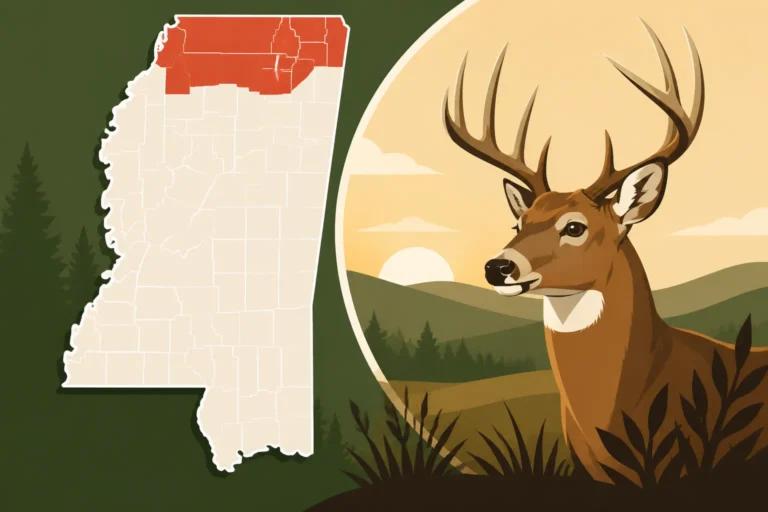
If you are hunting in a CWD-positive county or zone, there are typically restrictions on moving certain parts of a harvested deer out of that zone. Generally, only deboned meat, clean skull plates (with antlers attached if applicable), clean capes, and taxidermy products are allowed to leave the zone. The brain, spinal cord, and other lymphatic tissues are considered high-risk and are usually prohibited from being transported outside the CWD zone. Furthermore, in some CWD zones, mandatory testing of harvested deer may be required on specific dates or for all harvested deer. This means you might need to take your deer to a designated CWD sampling station. Before your hunt, always check the latest MDWFP regulations for CWD zones, especially if you plan to hunt in North Mississippi or the Warren-Claiborne areas, as non-compliance can lead to significant penalties and unintentionally contribute to disease spread. Being informed and prepared for these possibilities is a critical part of responsible hunting today.
Mississippi Nonresident Deer Permit Overview
To help make sense of the different options, here's a quick comparison of the most common nonresident licenses and permits you'll consider for deer hunting in Mississippi. Remember, costs are subject to change, so always check the MDWFP website for the most current pricing.
| License/Permit Type | Coverage | Validity Period | Estimated Cost (Annual)* | Notes |
|---|---|---|---|---|
| Nonresident All-Game License | All legal game (excluding migratory birds/alligators) | Annual (July 1 – June 30) | ~$300-$350 | Required base for Annual Deer Permit. |
| Nonresident Deer Permit | Deer hunting privileges | Concurrent with base license | ~$150-$175 | Must be purchased in addition to the All-Game License. |
| 7-Day Nonresident License | All-Game, Small Game, Freshwater Fishing, Deer, Turkey | 7 Consecutive Days | ~$150-$175 | Excellent value for short trips. All-inclusive. |
*Costs are estimates based on recent MDWFP data and are subject to change. Always verify current prices on the official MDWFP website before purchasing.
Disclaimer
The information provided in this guide is intended for general informational purposes only and does not constitute legal advice. Hunting regulations can change frequently, and it is the hunter's sole responsibility to consult the most current Mississippi Department of Wildlife, Fisheries, and Parks (MDWFP) official regulations and statutes before engaging in any hunting activities. Always prioritize safety and ethical hunting practices.