Mississippi’s North Zone CWD Counties
Finding out that a silent, insidious threat like Chronic Wasting Disease (CWD) has infiltrated your favorite hunting grounds is a gut punch, plain and simple. It throws a wrench into everything you thought you knew about deer management and adds a layer of anxiety to an activity that's supposed to be about tradition and connection with nature. This guide is here to walk you through exactly what CWD means for Mississippi, specifically focusing on the North Zone counties, so you can hunt smart, stay informed, and help protect our deer herd for generations to come.
Understanding CWD and its Impact on Mississippi Hunters
Chronic Wasting Disease is one of those topics that can make any deer hunter's stomach drop. It’s a serious deal, and it’s completely understandable to feel overwhelmed by the information, or even frustrated by the additional regulations it brings. But understanding what we're up against is the first step toward effective management and ensuring we can continue to enjoy the incredible deer hunting opportunities Mississippi offers.
What is Chronic Wasting Disease?
Let's break down CWD in plain language, without all the confusing scientific jargon. At its core, CWD is a neurological disease that affects cervids – that’s deer, elk, moose, and reindeer. It's caused by abnormal proteins called prions, which slowly accumulate in the brain and other tissues of infected animals. Think of these prions like tiny, rogue agents that cause healthy brain cells to malfunction and eventually die. Over time, this leads to a range of severe neurological symptoms.
The scary part is how these prions behave. They are incredibly resilient, able to persist in the environment for years, even decades, in soil, plants, and water. This means an infected deer doesn't just pass it to other deer; it can contaminate the ground where it lived, ate, or even died. Symptoms in affected deer typically include drastic weight loss (hence "wasting"), stumbling, drooling, a vacant stare, and behavioral changes. Unfortunately, it is always fatal, and there is currently no cure or vaccine. It's a slow, agonizing process for the animal, and a heartbreaking reality for anyone who cares about wildlife.
The Discovery and Spread in Mississippi
Mississippi was one of the last states to detect CWD, and for years, we all hoped it would somehow bypass us. That hope was shattered in January 2018 when the first confirmed case was found in a deer in Pontotoc County. It felt like a punch to the gut for many of us who've spent a lifetime in the woods here. Since that initial discovery, the Mississippi Department of Wildlife, Fisheries, and Parks (MDWFP) has ramped up its surveillance efforts significantly, collecting thousands of samples from harvested deer and roadkill. This extensive testing has revealed additional cases, slowly but surely confirming the disease's presence and spread.
The initial cases naturally led to the establishment of the first CWD management zones, and as more positives have been identified, these zones have expanded to encompass neighboring counties. The spread is often subtle and can take years to become evident in a deer population, making early detection incredibly difficult. For those of us who remember hunting before CWD was a concern, it's a stark reminder of how quickly things can change, and why staying vigilant is so crucial. If you're curious about the timeline, you can find more detail on Which County Found Mississippi's First CWD Case and How Many Deer Have Tested CWD-Positive Since 2018.
Why CWD is a Concern for Hunters
The concern among hunters regarding CWD isn't just about the health of individual deer; it's about the long-term viability of our entire deer herd and the traditions we hold dear. First and foremost, a CWD-infected deer herd can see population declines and an altered age structure, meaning fewer mature bucks and overall fewer deer in the woods. This directly impacts hunting success and the quality of the hunting experience. Imagine putting in all that time scouting and preparing, only to find the herd isn't as healthy or abundant as it once was.
Beyond the deer themselves, CWD brings a host of new regulations that can be frustrating and challenging to navigate. Mandatory testing, carcass movement restrictions, and the need to stay constantly updated on changing zone boundaries add layers of complexity to a pursuit many of us cherish for its simplicity. There's also the very real emotional toll of potentially harvesting an infected animal, and the uncertainty it creates around venison consumption. It's a heavy burden, but one that Mississippi hunters are tackling head-on because we deeply care about our wildlife.
Identifying Mississippi's North Zone CWD Counties
When MDWFP establishes CWD management zones, it’s not just a random dart throw on a map. These zones are carefully delineated based on where CWD has been detected and the likelihood of its spread. The North Zone, in particular, has seen the earliest and most concentrated cluster of cases, which is why it receives significant attention and specific regulations.
Which Eleven Counties Sit in the North CWD Zone?
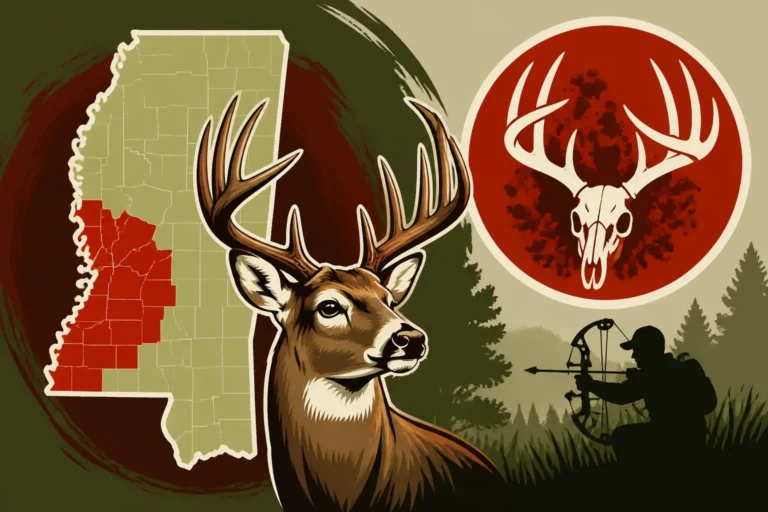
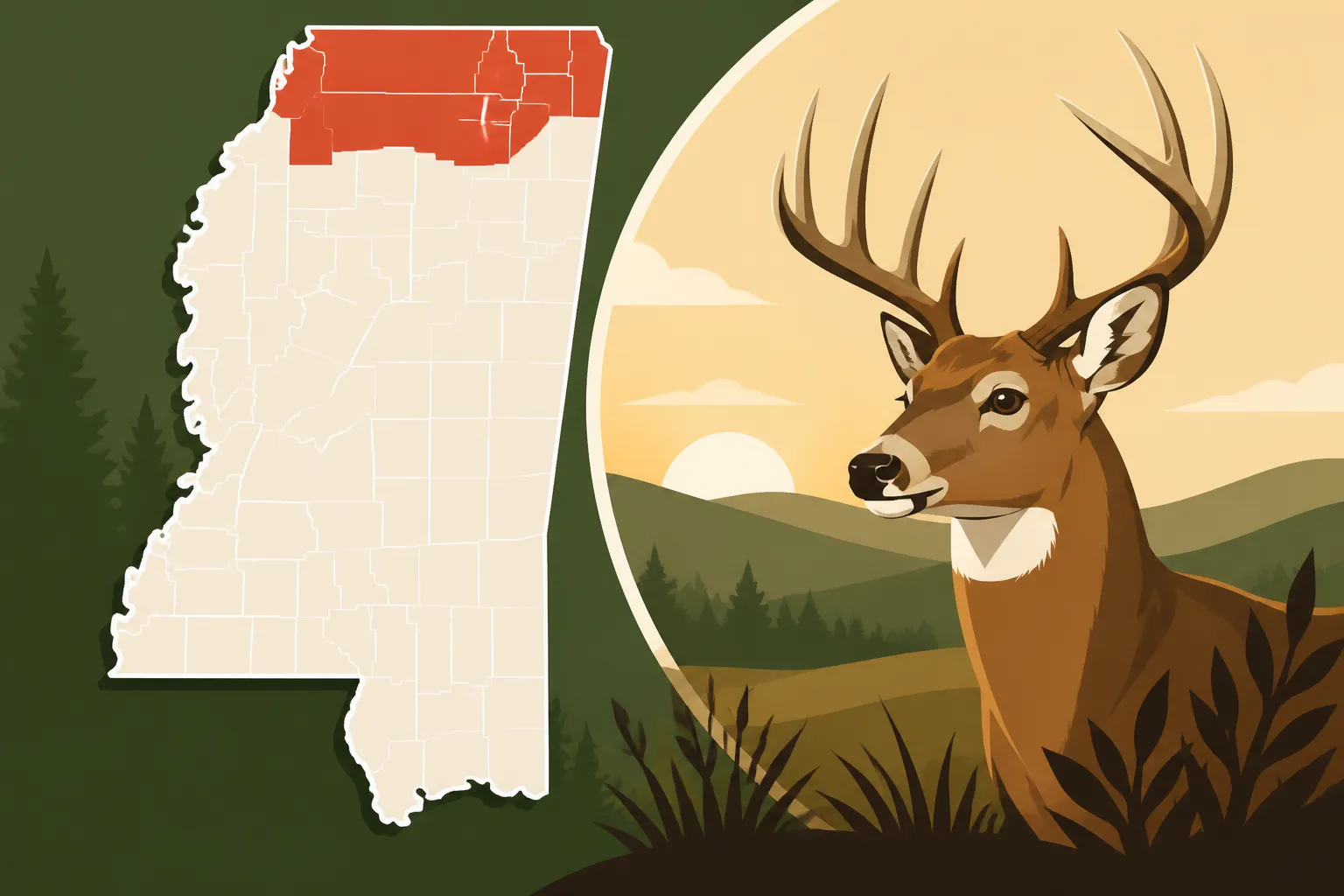
The North CWD Zone is currently the most active and largest CWD management area in Mississippi. It encompasses a significant portion of our northern counties where confirmed cases have been identified. Keeping these counties straight in your head, especially if you hunt across county lines, can be a challenge.
As of the latest updates, the North CWD Zone includes the following eleven counties:
- Benton County
- Coahoma County
- DeSoto County
- Lafayette County
- Marshall County
- Panola County
- Pontotoc County
- Quitman County
- Tate County
- Tippah County
- Tunica County
It’s crucial to remember that these boundaries are subject to change as more surveillance data becomes available. Always double-check the latest maps from the MDWFP website before you head into the field, especially if you're hunting near a zone border. Understanding which counties are in the North Zone is the absolute first step to complying with the specific CWD regulations for that area.
To make it a little easier to visualize, here's a table of the counties and their current CWD zone status:
| County Name | CWD Zone Status |
|---|---|
| Benton | North Zone CWD |
| Coahoma | North Zone CWD |
| DeSoto | North Zone CWD |
| Lafayette | North Zone CWD |
| Marshall | North Zone CWD |
| Panola | North Zone CWD |
| Pontotoc | North Zone CWD |
| Quitman | North Zone CWD |
| Tate | North Zone CWD |
| Tippah | North Zone CWD |
| Tunica | North Zone CWD |
| Warren | Warren-Claiborne CWD |
| Claiborne | Warren-Claiborne CWD |
| Hancock | Hancock County CWD |
How Zone Boundaries are Determined
You might wonder how MDWFP decides which counties fall into a CWD zone. It’s not arbitrary; there’s a scientific and logistical basis for these decisions. Generally, a CWD zone is established when one or more CWD-positive deer are confirmed within a county. From there, adjacent counties are often included in the zone to create a buffer and to acknowledge the natural movement patterns of deer. Deer don't recognize county lines, after all.
The MDWFP considers several factors, including the proximity of new positive cases to established zones, the overall deer density in an area, the landscape features that might influence deer movement (like major rivers or dense timber), and even the historical harvest data. The goal is to create a management unit where specific regulations can be applied uniformly to help monitor, control, and hopefully, slow the spread of the disease. It's a complex puzzle, and biologists are constantly analyzing data to make the most informed decisions possible.
Staying Informed About Zone Changes
Because CWD is a dynamic situation, the management zones are not set in stone. New positive detections can lead to expanded zones, or existing zones might be adjusted based on surveillance data and management effectiveness. For hunters, this means the responsibility of staying informed falls squarely on our shoulders. The absolute best resource for the most up-to-date information is the official MDWFP website. They typically have a dedicated CWD section with current maps, news releases, and detailed regulations.
Another excellent way to stay ahead of the curve is by using reliable hunting apps and resources. Tools like GoHunt can often provide mapping overlays that show CWD zone boundaries, and many also include push notifications for regulatory changes. It's also a good idea to sign up for MDWFP email alerts or follow their social media channels, as they frequently post updates there. A quick check before each hunting season, and even during the season if you're traveling, can save you a lot of headaches and ensure you're always hunting legally and responsibly. Never assume the boundaries you knew last year are still valid today.
Regulations and Requirements within the North Zone
Hunting in a CWD-positive area, particularly the North Zone, means adapting to a new set of rules designed to monitor the disease and prevent its further spread. It can feel like a lot of extra work, but these regulations are vital tools in the ongoing fight against CWD. It’s imperative that all hunters in these areas understand and comply with these requirements.
Mandatory Testing and Reporting
One of the most significant changes for hunters in the North CWD Zone is the mandatory CWD testing requirement for harvested deer during certain periods. This isn't just a suggestion; it's the law. During specific dates, typically the first few days of gun season and sometimes other key weekends, all deer harvested in these counties must be submitted for CWD testing. This data is absolutely critical for MDWFP to understand the prevalence of the disease and to track its movement. You can learn more about this by checking Mississippi CWD Testing for Hunters.
The process usually involves bringing the deer (or at least the head with a portion of the neck) to a designated CWD sampling station. These stations are often set up at various locations throughout the zone, including check stations, private businesses, or mobile units. Make sure to clearly tag your deer with your license information. The MDWFP will collect the necessary lymph node samples, and you'll typically be given a tracking number to check your results online later. While it adds a step to your post-harvest routine, it's a small price to pay for the invaluable data it provides for the future of our deer herd. Remember to always report your harvest as required by Mississippi Deer Reporting Requirements, even if it's going for CWD testing.
Carcass Movement Restrictions
Another critical regulation in CWD zones is the restriction on moving deer carcasses. This is designed to prevent infected prions from being transported to areas where CWD has not yet been detected. The rule is fairly straightforward: you cannot transport a whole deer carcass, or certain high-risk parts, out of a CWD-positive county. This means if you harvest a deer in DeSoto County, for example, you can't just throw it in the back of your truck and take it across state lines or to a non-CWD county for processing.
What can you move? Generally, only the following parts are allowed to leave a CWD zone: deboned meat, antlers (with or without skull plate, but all brain matter removed), hides (after proper cleaning), and clean skull plates (free of brain tissue). This often means field dressing and quartering your deer on site or at a local processor within the CWD zone. It’s a bit more work, but it’s a necessary step to protect our healthy deer populations elsewhere. For a deeper dive into the specifics, check out Moving a Deer Carcass Out of a CWD Zone. Plan ahead for how you’ll process your deer if you're hunting in a CWD area, especially if you’re a nonresident hunter or typically process your deer at home in a different county.
Special Antlerless Opportunities
In some CWD management zones, including parts of the North Zone, the MDWFP might implement special antlerless deer harvest opportunities. The reasoning behind this is rooted in deer population dynamics and CWD spread. High deer densities can contribute to a faster rate of CWD transmission because deer interact more frequently. By increasing the antlerless harvest, the goal is to reduce overall deer numbers and therefore potentially slow the spread of the disease.
These special opportunities might come in the form of extended antlerless seasons, additional bonus tags, or specific management tags that allow for a higher take of does. These measures are often implemented after careful analysis of herd health and CWD prevalence data within specific counties or zones. It's an incentive for hunters to help manage the population, and it can be a great way to fill your freezer. Always check the current MDWFP regulations carefully for your specific county within the North Zone, as these opportunities can vary year to year.
Hunting Strategies and Best Practices in CWD Zones
Hunting in a CWD zone isn't about giving up; it's about adapting. It means being more intentional with our practices and understanding our role in the larger conservation picture. While the presence of CWD introduces new challenges, it also calls on hunters to be even more responsible stewards of the land and its wildlife.
Reducing the Risk of CWD Spread
As hunters, we have a vital role to play in minimizing the risk of CWD spread. One of the most impactful things we can do is to avoid baiting and feeding deer. While it might seem harmless, concentrating deer at a single location increases direct and indirect contact between animals, which dramatically raises the chances of CWD transmission. Deer sharing a feeder or a pile of corn are essentially sharing saliva, and with it, potentially prions. This is a tough pill to swallow for many, as baiting has been a long-standing tradition in some areas, but for the health of the herd, it’s a practice we need to reconsider in CWD areas.
Another best practice is proper carcass disposal. If you harvest a deer in a CWD zone and process it yourself, dispose of any high-risk parts (brain, spinal cord, lymph nodes) within the CWD zone, preferably in a landfill designed to contain such materials. Never leave these parts exposed in the environment where scavengers could move them or where prions could leach into the soil. Finally, maintaining good hygiene with your hunting gear, knives, and vehicles is crucial. Clean blood and tissue thoroughly, especially if you're moving between CWD and non-CWD areas.
Adapting Your Hunting Approach
The presence of CWD might also prompt you to adapt your actual hunting approach. While you might still pursue that trophy buck, there's a growing emphasis on managing the herd more holistically. This could mean being more inclined to harvest does to help manage overall population density, especially if special antlerless tags are available. Focusing on younger, healthy-looking deer might also become a more common strategy, as older bucks tend to have a higher prevalence of the disease.
Scouting also takes on new importance. Using mapping tools like GoHunt, you can identify areas of natural food sources and travel corridors that don't rely on baiting. You might focus more on still-hunting or stalking, minimizing prolonged periods in one stand location, especially if other hunters are using the same area. Consider diversifying your hunting spots, or even exploring new public lands like those detailed in Scouting Mississippi Public Land Before Season, to spread out hunting pressure and reduce localized deer congregation.
Finding CWD Sampling Stations
Once you've harvested a deer in a mandatory testing county within the North Zone, knowing where to take it for sampling is key. The MDWFP does an excellent job of setting up a network of CWD sampling stations during critical periods of the season. These can include permanent freezer drop-off locations, staffed check stations that operate on specific dates, or even mobile units that move between popular hunting areas.
Your best bet for finding the closest and most convenient station is to check the MDWFP website or their mobile app just before and during your hunt. These resources will provide detailed maps, operating hours, and specific instructions for each location. Some local taxidermists and meat processors in CWD counties are also authorized to collect samples, which can be a convenient option. It’s always a good idea to call ahead to confirm their services and hours. Being prepared by knowing your sampling options beforehand will make the post-harvest process much smoother. You can also explore options for Which Taxidermists Take CWD Samples in your area.
The Future of Deer Hunting in North Zone CWD Counties
The discovery of CWD has undoubtedly cast a long shadow over deer hunting in Mississippi, especially in our North Zone counties. It's a sobering reality, but it's not a death sentence for our hunting heritage. Instead, it's a call to action, demanding a renewed commitment to conservation and informed participation from every hunter.
Ongoing Management Efforts
The MDWFP is actively engaged in a multi-pronged approach to CWD management within the North Zone and other affected areas. This isn't a one-and-done solution; it's a long-term commitment that involves constant surveillance, research, and adaptive strategies. Efforts include expanding testing programs, tracking the spatial distribution of the disease, and evaluating the effectiveness of various management techniques, such as targeted culling or antlerless harvest initiatives. They are also working with neighboring states and national experts to share data and best practices.
Beyond direct deer management, there's a strong focus on public education. The MDWFP understands that without hunter cooperation and understanding, any management plan is significantly hampered. They invest in communicating the science, the regulations, and the "why" behind their decisions. The goal is not just to contain CWD, but to understand its ecological impacts fully, and to work towards mitigating its long-term effects on the overall health and sustainability of Mississippi's deer population. Understanding these efforts can provide a sense of hope and direction for the future. You can stay abreast of these developments through Mississippi Wildlife Disease Monitoring.
Hunter's Role in CWD Management
This might sound cliché, but hunters truly are the frontline defense in the fight against CWD. Without our active participation and adherence to regulations, the MDWFP's efforts would be far less effective. Our role goes beyond simply following the rules; it's about being proactive and informed. This includes taking the time to learn about CWD, accurately reporting harvested deer, submitting samples for testing when required, and properly disposing of carcasses.
Furthermore, hunters can advocate for sound wildlife management policies and support research initiatives. Joining local hunting clubs, conservation organizations, and engaging with the MDWFP can amplify our collective voice and ensure that hunter perspectives are considered in management decisions. It’s a shared responsibility, and every hunter's choice, from where they hunt to how they dispose of a carcass, contributes to the larger effort to manage CWD. This might involve reconsidering traditional practices, but it's all in the name of preserving our hunting future.
Maintaining Optimism and Participation
It's easy to get disheartened by CWD. The headlines can be grim, and the regulations can feel burdensome. However, it's absolutely vital that we, as hunters, maintain a sense of optimism and continue our participation in the sport. Abandoning hunting in CWD zones would actually be counterproductive. Reduced hunter numbers would mean less harvest, fewer samples for testing, and a diminished ability to manage deer populations effectively. Hunters are, and always have been, the primary conservationists.
Our passion for the outdoors and for deer hunting is what drives us to understand and combat challenges like CWD. The traditions of Mississippi Deer Camp Traditions and the thrill of Hunting the Rut in the Delta Unit are too important to simply let go. By staying engaged, informed, and compliant, we demonstrate our commitment to conservation. We adapt, we learn, and we continue to pursue our passion, knowing that our actions today will directly impact the health of Mississippi's deer herd for all the hunting seasons yet to come. It’s a challenge, yes, but it’s one we can face together, preserving the legacy of hunting for future generations in the Magnolia State.
Disclaimer
Please be aware that hunting regulations, including those related to Chronic Wasting Disease (CWD) zones and testing requirements, are subject to change. This guide is intended for informational purposes only and should not be considered legal advice. Always consult the official Mississippi Department of Wildlife, Fisheries, and Parks (MDWFP) website or regulatory pamphlets for the most current and accurate information before planning any hunting activity. Failure to comply with regulations can result in penalties.