Why the 2025 Turkey Harvest Fell Eleven Percent
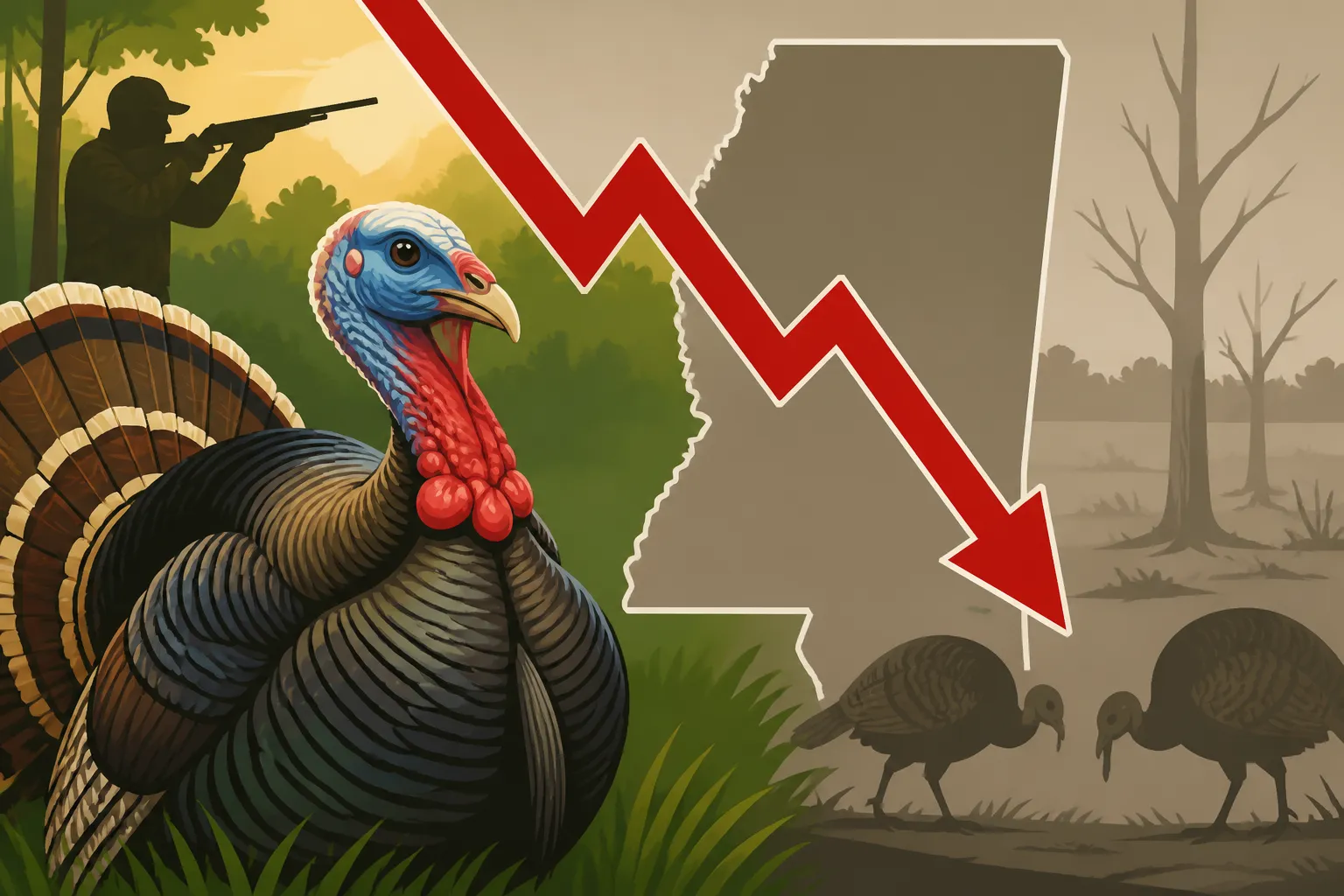
It’s truly disheartening when you’ve been putting in the scouting time, getting up before dawn, and then you hear that the overall turkey harvest numbers are down. The news that Mississippi’s 2025 turkey harvest fell by eleven percent can certainly be a gut-punch, making you wonder what in the world is going on with our gobblers. This guide will dive deep into the likely factors contributing to this recent decline, helping you understand the complex ecological and hunting dynamics at play, and what this all might mean for your future spring hunts across our beautiful state.
Understanding the Numbers: What Does an 11% Drop Really Mean?
When the Mississippi Department of Wildlife, Fisheries, and Parks (MDWFP) releases harvest reports, an eleven percent drop can sound quite dramatic. It's easy to jump to conclusions, thinking the sky is falling for our turkey populations. However, it’s crucial to remember that wildlife populations, especially those like wild turkeys, are inherently cyclical. There are so many moving parts that influence these numbers, from environmental conditions to how many hunters are actually out in the woods. While any decline warrants attention and study, understanding the context is key to avoiding unnecessary alarm and truly grasping the state of our wild turkeys.
How Harvest Data is Collected and Interpreted
First off, let’s talk about how these numbers even come to be. In Mississippi, every harvested turkey, whether it's a gobbler or a jake, must be reported to the MDWFP. This can be done online through their website, via their mobile app, or by calling a toll-free number. This mandatory reporting is absolutely critical because it provides biologists with the raw data they need to monitor population trends, assess management strategies, and make informed decisions about future seasons. Each report typically includes information like the date of harvest, the county, and sometimes even the age and spur length of the bird, all of which paints a more detailed picture.
However, the reported harvest numbers aren’t just a direct count of every bird taken. They’re often analyzed in conjunction with other data, like hunter effort surveys, brood surveys (which track poult-to-hen ratios), and habitat assessments. For instance, if fewer hunters participated in the 2025 season, a drop in harvest might not reflect a smaller turkey population, but rather a decrease in hunting pressure. Biologists are looking for long-term trends, not just single-year fluctuations, to determine if there’s a genuine population issue. It’s a complex puzzle, and every piece of data helps build a more complete understanding.
Comparing to Historical Trends and "Normal" Fluctuations
An eleven percent drop needs perspective. Is this a sudden cliff dive, or just part of the natural ebb and flow we see in wildlife? If you look at Mississippi Turkey Population Trends over the last few decades, you’ll notice that turkey numbers aren't a flat line. They go up, they go down, often influenced by things outside of human control. A good hatch year two or three seasons prior can lead to an abundance of two-year-old gobblers, which are often the most aggressive and callable birds, resulting in a higher harvest. Conversely, a poor hatch can mean fewer younger birds hitting the woods in subsequent years.
Consider the five-year average, or even a ten-year average. If the 2025 harvest is still well within the normal range of those historical averages, even with an eleven percent dip from the previous year, it might not be a crisis. It could simply be a correction after a particularly strong season, or a reflection of slightly less favorable conditions. What biologists truly worry about are consistent downward trends over several years, or a drop that significantly deviates from historical norms. It's about looking at the big picture, not just a single snapshot, to understand if our turkey numbers are truly struggling or just taking a breather.
Key Ecological Factors Impacting Turkey Populations
When we talk about wild turkeys, we're really talking about a species that is intricately tied to its environment. They're not just birds existing in a vacuum; every aspect of their life, from nesting to feeding, is influenced by the world around them. Several ecological factors often play a much larger role in year-to-year population shifts than hunting pressure alone. Understanding these elements helps us appreciate the resilience of these birds and the challenges they face.
Weather Patterns During Nesting and Poult Rearing
One of the absolute biggest drivers of turkey population dynamics is the weather, especially during the critical spring and early summer months when hens are nesting and poults are hatching and growing. Think about it: a cold, wet spring can spell disaster. Heavy, prolonged rains can flood nests, leading to total nest failure. Even if a hen re-nests, that takes time, delaying the hatch and potentially pushing it into hotter, drier conditions. Beyond that, wet and cold conditions are incredibly hard on newly hatched poults. They're tiny, vulnerable, and susceptible to hypothermia.
Furthermore, wet conditions reduce insect availability, which is the primary food source for young poults. Without enough protein from insects, poults struggle to grow strong and healthy, making them even more susceptible to disease and predation. A few consecutive years of bad weather during nesting and brooding can have a ripple effect, meaning fewer jakes and two-year-old gobblers in the hunting seasons that follow. So, when you hear about an eleven percent drop, one of the first things biologists often look at are the Poult-to-Hen Ratios and What They Mean from the preceding couple of years, which are direct indicators of nesting success.
Habitat Changes and Predation Pressure
Another crucial piece of the puzzle is habitat. Turkeys need a diverse landscape – open woods for foraging, dense cover for nesting, and tall trees for roosting. Changes in habitat, whether due to urbanization, agricultural practices, or timber management, can directly impact their numbers. For example, extensive clear-cutting without proper regeneration planning can remove crucial nesting and brooding cover, leaving hens and poults exposed. Conversely, well-managed pine plantations that incorporate prescribed burning can create excellent open understories for bugging and foraging.
Predation pressure is also a constant challenge. While predators are a natural part of any ecosystem, an imbalance can put a strain on turkey populations. Raccoons, opossums, snakes, and coyotes are all keen nest predators. If their populations surge due to changes in habitat or food availability, turkey nests can suffer significantly. You might remember discussions around Nest Predation and Mississippi Turkey Hatches because it's such a critical factor. Even after poults hatch, coyotes, bobcats, and raptors are always a threat. It’s a tough life out there for a wild turkey, and having enough secure habitat to escape and thrive is paramount.
Disease and Other Natural Mortality Factors
While not always as widely publicized as harvest numbers or weather, disease can also play a role in turkey population fluctuations. Turkeys, like any wildlife species, are susceptible to various pathogens. Lymphoproliferative Disease Virus (LPDV), for instance, can affect turkeys and cause tumors, weakening the birds and making them more vulnerable to other stresses or predation. While widespread outbreaks leading to massive die-offs are less common, localized disease events can certainly impact regional populations.
Beyond specific diseases, other natural mortality factors are always at play. Accidents, such as collisions with vehicles, can account for some losses, particularly in areas with more roads. Severe weather events outside of the nesting season, like ice storms or extremely prolonged cold spells, can also stress birds, leading to mortality, especially if food sources are scarce. It’s a constant battle for survival, and the aggregate effect of these myriad factors can certainly contribute to a year-over-year dip in overall harvest numbers. MDWFP constantly engages in Mississippi Wildlife Disease Monitoring to stay ahead of potential issues.
Hunter Behavior and Regulations as Contributing Factors
While ecological factors often hold the most sway over turkey populations, human elements, specifically hunter behavior and management regulations, also play a significant role in harvest numbers. It's not just about how many turkeys are out there, but how accessible they are to hunters and what rules govern the hunt itself. We hunters are part of the equation, and our actions, coupled with the MDWFP's guidelines, shape the season's outcome.
Hunting Pressure and Gobbler Vocalization
Let's be honest, we all love a talkative gobbler. That booming sound echoing through the timber is what makes spring turkey hunting so addictive. However, heavy hunting pressure, especially on public lands or smaller private tracts, can quickly make gobblers "go quiet." When a tom hears calls and sees decoys day after day, and especially if he has encounters with hunters, he can become call-shy and wary. This doesn't mean the birds aren't there; it just means they're not as willing to come to a call, making them much harder to harvest.
You might find that on properties with intense pressure, birds tend to stay on the roost longer, gobble less on the limb, and come off silently, making it nearly impossible to pinpoint their location without extensive scouting. In these situations, understanding Roost Hunting Mississippi Gobblers or adapting your Decoy Placement for Pressured Mississippi Birds becomes critical. This phenomenon of birds "shutting up" under pressure directly impacts harvest numbers because even if the population is stable, fewer birds are being put in front of hunters. When public lands like those discussed in Hunting Pressure on Mississippi Public Land see increased traffic, the harvest often reflects the birds' increased wariness.
Changes in Season Length or Bag Limits
Regulatory changes, even minor ones, can profoundly affect harvest statistics. For example, if the MDWFP were to shorten the overall season length, even by just a few days, it could naturally lead to a reduction in the total number of birds harvested simply because there are fewer opportunities for hunters to be in the woods. Similarly, adjustments to bag limits – like reducing the statewide Mississippi Adult Turkey Bag Limit – would inherently bring down the total number of birds that can be legally taken, regardless of population health.
While the 2025 season might not have seen radical changes in season length or overall bag limits that would single-handedly account for an eleven percent drop, subtle shifts can still have an impact. The introduction of The New Mississippi Wild Turkey Stamp, for instance, may have had a negligible effect on participation, but any barrier, however small, can alter hunter effort. These are factors the MDWFP continually monitors, trying to balance hunter opportunity with sustainable population management.
The Role of Technology and Hunter Skill
The advancements in hunting technology, from realistic decoys to mapping apps like GoHunt, have undoubtedly made hunters more efficient. However, the overall skill level of the hunting population also plays a subtle role in harvest numbers. A generation of new hunters might not have the same experience in reading turkey sign, understanding gobbler behavior, or mastering various calling techniques as seasoned veterans. If there's an influx of less experienced hunters, or if overall participation drops among highly skilled hunters, it could impact the total harvest.
Conversely, hunters are constantly adapting. More people are utilizing advanced mapping tools to find remote areas that might hold less pressured birds. Using apps like GoHunt for scouting and marking roost trees or strut zones can give hunters a significant edge, helping them locate birds even when vocalizations are low. So, while hunter skill and technology are generally seen as improving harvest potential, widespread challenges (like uncooperative birds) can still lead to lower success rates across the board, even for experienced hunters using the best tools. It's a testament to the wild turkey's intelligence and adaptability.
What This Means for Future Mississippi Turkey Seasons
An eleven percent dip in the 2025 turkey harvest, while not necessarily a dire emergency, certainly gives the MDWFP and hunters alike reason to pause and consider the future. It highlights the dynamic nature of wildlife populations and reinforces the need for sound management and responsible hunting practices. What we do now, both individually and collectively, will shape the quality of our spring hunts in the years to come.
MDWFP Management Strategies and Conservation Efforts
The MDWFP constantly monitors turkey populations through various surveys, including brood surveys, hunter harvest reports, and banding efforts. When they see a significant drop like this, it triggers deeper analysis. They'll look at the data county by county, region by region, to pinpoint where the declines are most pronounced and correlate them with known environmental factors, habitat changes, or local hunting pressure. Their goal is always sustainable management – ensuring healthy populations for future generations of hunters.
Potential management responses could include adjusted season dates, modified bag limits, or targeted habitat improvement projects on public lands. They might also intensify educational campaigns for hunters on ethical harvesting practices and the importance of reporting kills accurately. The MDWFP also works with private landowners, offering guidance and resources to enhance turkey habitat on their properties, recognizing that private lands make up the vast majority of huntable acreage in Mississippi. These long-term conservation efforts are paramount to the health of our state's wild turkeys.
How Hunters Can Adapt and Contribute
As hunters, we have a vital role to play, not just in harvesting birds, but in being active conservationists. First and foremost, always report your harvests accurately and promptly. This data is the lifeblood of turkey management. Secondly, consider your impact on hunting pressure. If you're consistently hunting the same small tract or public land, explore new areas. Tools like GoHunt can be invaluable for identifying overlooked spots on public lands or scouting new private land opportunities. The more spread out hunters are, the less localized pressure impacts the birds.
Furthermore, get involved in habitat improvement projects, either on your own land, through a local conservation organization, or by supporting groups that advocate for sound wildlife management. Simple things like prescribed burning, timber stand improvement, and creating brood-rearing habitat (like early successional fields) can make a huge difference. By understanding the challenges our wild turkeys face and actively contributing to their well-being, we can all help ensure that the sound of a gobbler echoing through the Mississippi woods remains a cherished tradition for many springs to come. Let's make sure that future harvest reports reflect strong, thriving turkey populations across the Magnolia State.
Disclaimer
The information provided in this guide is for general informational purposes only and is not intended as legal advice. Hunting regulations, seasons, and licensing requirements in Mississippi are subject to change. Always consult the most current Mississippi Department of Wildlife, Fisheries, and Parks (MDWFP) regulations and official publications before engaging in any hunting activities.