Mississippi Coyote Attacks on Livestock
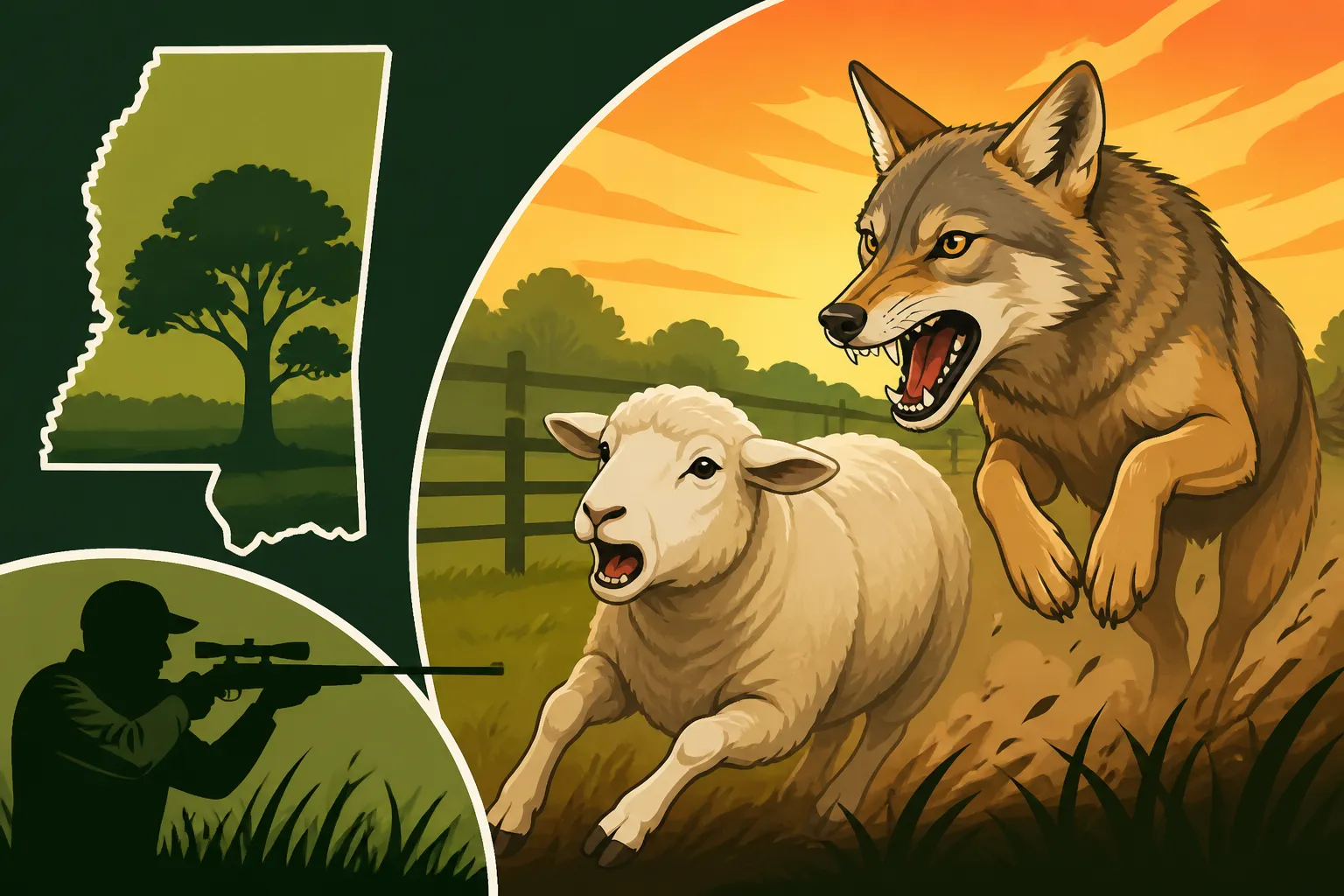
For ranchers and farmers across Mississippi, the constant threat of coyote attacks on livestock isn't just a nuisance; it's a genuine source of stress, financial strain, and heartbreaking loss. The struggle to protect vulnerable calves, lambs, and poultry from these adaptable predators is a very real challenge many face, often feeling like an uphill battle against an unseen enemy. This guide aims to shed light on why these attacks occur and, more importantly, equip you with practical, realistic strategies to safeguard your livelihood and peace of mind.
Understanding the Threat: Why Coyotes Target Livestock in Mississippi
Coyotes are incredibly intelligent and opportunistic predators, a fact that both impresses and frustrates Mississippi landowners. They are survivors, adapting their behavior and diet to whatever resources are most readily available. While their primary diet often consists of small game like rabbits, rodents, and even insects, livestock can quickly become a target, especially when conditions align to make them an easy meal.
Opportunistic Predators: The Nature of Coyote Hunting
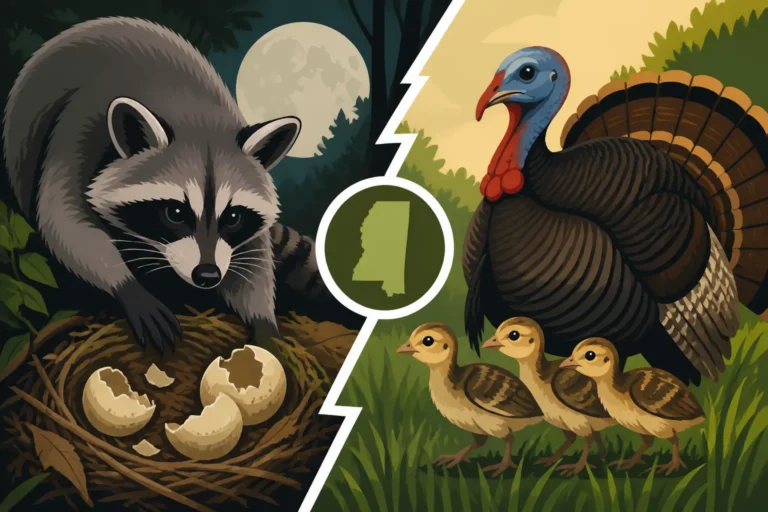
In Mississippi, coyotes are widespread, from the Delta's rich farmlands to the Piney Woods and the Loess Bluffs. Their population density varies, but they've successfully colonized nearly every habitat type. They're not inherently "evil" creatures; they're simply wild animals driven by instinct and hunger. When a coyote encounters an easy food source, whether it's an unattended calf, a lamb separated from its mother, or a chicken coop without proper defenses, they'll seize the opportunity. This opportunistic nature means that even in areas with abundant natural prey, a vulnerable livestock animal can still become a target if it presents less risk or effort than hunting wild game. They often work alone or in small family groups, using their keen senses and stealth to approach unnoticed.
Factors Contributing to Livestock Predation
Several factors can increase the likelihood of coyotes preying on livestock. One significant element is the availability of natural prey. During periods of drought or after harsh winters, when small game populations might decline, coyotes are more likely to seek out alternative food sources, and your pasture-raised animals become a more attractive option. Beyond that, easy access is paramount. Unfenced pastures, livestock left unattended overnight, or pastures adjacent to dense cover like a creek bottom or a pine thicket provide coyotes with both concealment and a clear path to their target. It’s also important to remember that coyotes are smart; they learn. If a coyote successfully takes livestock once, it's highly likely to return, and it may even teach younger coyotes in its pack how to exploit that vulnerability. This learned behavior can quickly turn a sporadic issue into a chronic problem for a farm.
The Devastating Impact on Mississippi Ranchers and Farmers
The consequences of coyote attacks extend far beyond just the direct loss of an animal. For many Mississippi families who rely on their herds and flocks, these attacks can shake the very foundation of their operation, leading to significant financial and emotional burdens.
Economic Losses and Financial Strain
The most immediate impact, of course, is the economic loss. A killed calf or lamb represents not just the animal itself, but also the investment in its feed, care, and the potential future revenue it would have generated. For a small cattle operation, even a few lost calves can severely impact the year's bottom line. Beyond direct kills, there are indirect losses to consider. The stress of predator presence can lead to reduced weight gain in surviving animals, lower conception rates, and even miscarriages in pregnant livestock. Imagine a cow constantly harassed, unable to graze peacefully, or a ewe losing a lamb due to the stress. Then there's the cost of implementing preventive measures. Investing in electric fencing, livestock guardian animals, or professional trapping services adds another layer of expense that cuts into profits. These costs can be particularly crushing for small, independent farms trying to make ends meet in rural Mississippi.
Emotional Toll and Management Challenges
It's not just about money; it's also about morale. Ranchers pour their lives into their animals, and finding a cherished animal killed by a coyote can be incredibly frustrating and disheartening. There's a profound sense of helplessness and anger that comes with knowing a predator is targeting your livelihood, especially when you feel like you're fighting an invisible battle. Identifying the culprit can also be challenging. Was it a coyote, a feral dog, or something else entirely? The signs can be similar, making it difficult to implement the right management strategy. This ambiguity adds to the stress. Farmers are constantly vigilant, checking fences, monitoring herds, and listening for unusual sounds, which can lead to exhaustion and a feeling of being under siege. It's a never-ending cycle of protection and reaction, which takes a significant emotional toll on those dedicated to raising livestock in Mississippi.
Proactive Strategies to Protect Your Livestock from Coyotes
While coyotes are intelligent and persistent, farmers aren't powerless. A multi-faceted approach, combining several protective measures, often yields the best results in deterring these predators. It’s about creating an environment where the risk of attacking your livestock outweighs the reward for the coyote.
Fencing and Containment Solutions
Standard barbed wire or woven wire fences, while good for containing livestock, are often insufficient against a determined coyote. They can dig under, jump over, or even squeeze through gaps. This is where electric fencing becomes a game-changer. A well-constructed electric fence, whether it's several strands of hot wire or a combination of woven wire with a hot strand at the bottom and top, creates a psychological and physical barrier. Coyotes learn quickly that touching the fence results in an unpleasant shock, discouraging future attempts. When installing, remember to keep the fence line clear of weeds and brush that can ground out the current. For highly vulnerable animals, such as during lambing or calving season, creating secure night pens or corrals where animals can be safely enclosed from dusk till dawn can dramatically reduce predation risk. This small, temporary enclosure should have sturdy walls and potentially a roof, making it impenetrable.
Livestock Guardian Animals LGAs
Perhaps one of the most effective and time-tested methods for deterring coyotes is the use of Livestock Guardian Animals, or LGAs. Breeds like Great Pyrenees, Anatolian Shepherds, and Akbash dogs have been bred for centuries to protect flocks and herds. Unlike herding dogs, LGAs live with the livestock, bonding with them and viewing them as their own family. Their presence, bark, and scent alone are often enough to deter coyotes. Should a coyote approach, the LGA will typically confront it, often driving the predator away or, if necessary, engaging in a fight. It's crucial that LGAs are properly introduced and bonded with the livestock from a young age. While there's an initial investment in the dog and ongoing costs for food and veterinary care, many Mississippi producers find the peace of mind and protection they offer to be invaluable.
Habitat Modification and Deterrents
Sometimes, prevention is about making your property less attractive or accessible to coyotes. Start by eliminating potential attractants. Promptly remove any dead livestock carcasses, as these can draw coyotes to your property. Clean up spilled feed or grain, which might attract rodents that coyotes then hunt, bringing them closer to your livestock. Clearing dense brush, tall weeds, and overgrown fencerows around your pastures can also help. This removes cover that coyotes use to stalk and ambush prey, making them feel more exposed. For temporary deterrence, devices like fladry (strands of flagging tied to a fence), motion-activated lights, or even radios can sometimes work, but coyotes are clever and often habituate to these tactics quickly. Human presence itself is a strong deterrent; simply being visible and active in your pastures can make coyotes wary. If you’re scouting your property or trying to pinpoint entry points, a mapping tool like GoHunt can be incredibly useful for analyzing terrain and cover. It can help you identify dense areas where coyotes might approach undetected or plan out effective fence lines.
Integrated Pest Management Approaches
No single solution is a silver bullet. The most successful predator control programs often involve an integrated approach, combining several methods. This might mean electric fencing around lambing pastures, a Great Pyrenees dog with your sheep, and strategic trapping or hunting to remove specific problem coyotes. Remember, simply killing coyotes indiscriminately isn't always the answer; you want to target the individuals causing the depredation. Understanding coyote behavior and their travel corridors can be aided by mapping tools, like the terrain and satellite views available on platforms such as GoHunt, which can help in placing traps or planning hunting efforts. Learning methods like Coyote Calling in Mississippi Farm Country or Predator Calling Mississippi Pine Plantations can also be effective tools in a broader management strategy for reducing local coyote populations. Sometimes, working with professional wildlife services or experienced local trappers is the most efficient way to address a severe predation issue.
Legal Considerations and Coyote Management in Mississippi
Dealing with coyotes in Mississippi isn't just about practical solutions; it also involves understanding the state's regulations regarding these animals. Knowing the rules ensures you're protecting your livestock legally and effectively.
Mississippi's Coyote Hunting Regulations
Good news for Mississippi landowners: coyotes are classified as nuisance animals. This means there's no closed season, and no bag limit on taking coyotes. You can hunt them year-round, day or night, on private land with landowner permission. For those who choose to hunt at night, Mississippi does have specific rules regarding the use of artificial lights. On private lands, it is generally permissible to use artificial lights to hunt nuisance animals like coyotes, but it's always wise to double-check the latest Mississippi Department of Wildlife, Fisheries, and Parks (MDWFP) regulations or local ordinances, as rules can sometimes change or have specific conditions. You can generally use a variety of legal firearms, archery equipment, or even traps to manage coyote populations. For deeper dives into specific hunting practices, look into resources such as Night Hunting Rules for Mississippi Coyotes. Being familiar with these regulations is key to legally protecting your animals.
Professional Assistance and Cooperative Efforts
Sometimes, the problem is too big for one individual. In Mississippi, farmers and ranchers have resources available to them. The USDA Wildlife Services program offers assistance with wildlife damage management, including predator control. They often provide expert advice, conduct site visits, and can even implement trapping or removal programs for chronic problem coyotes. Connecting with your local MDWFP office can also provide valuable insights into local coyote populations, behavior, and specific management strategies for your area. Furthermore, don't underestimate the power of community. Sharing information and strategies with neighboring farmers can lead to cooperative trapping programs or organized coyote drives that cover a larger area, making a more significant impact on local populations. Understanding How Many Coyotes Mississippi Has in your general area might help inform the scale of your efforts. Collaborative efforts can sometimes achieve what individual actions cannot, fostering a stronger, more resilient agricultural community against these persistent predators.
| Protection Method | Pros | Cons | Best Used For |
|---|---|---|---|
| Traditional Fencing (Barbed/Woven Wire) | Basic containment, defines boundaries | Not predator-proof, coyotes can dig/jump/squeeze | General livestock containment, low-risk areas |
| Electric Fencing | Effective deterrent, psychological barrier, customizable | Higher initial cost, requires maintenance (weeds, power), can be broken by determined coyotes | High-risk areas, vulnerable animals (calves, lambs), around night pens |
| Livestock Guardian Animals (LGDs) | Constant presence, strong bond with livestock, highly effective | Requires training/bonding time, care/feeding costs, not all dogs suitable | Sheep, goats, poultry, calves; smaller, more vulnerable herds |
| Night Pens/Corralling | Concentrated protection for vulnerable animals | Requires moving animals daily, limits grazing, labor-intensive | Lambing, calving seasons, young animals, small herds |
| Deterrent Lights/Noises | Can scare coyotes initially, low-cost options | Coyotes habituate quickly, limited effectiveness long-term, can disturb livestock | Temporary solution, combined with other methods, new incursions |
| Habitat Modification | Reduces cover for coyotes, removes attractants | Requires ongoing effort, may conflict with other wildlife goals | Perimeter around pastures, feed storage areas, carcass removal |
| Trapping/Hunting | Direct removal of problem individuals, immediate relief | Requires skill/knowledge/permits, can be labor-intensive, temporary solution | Targeting specific problem coyotes, reducing local populations |
Disclaimer
This article is for general informational purposes only and does not constitute professional advice. Laws, prices and regulations vary by location and change over time. Consult a qualified professional for guidance on your specific situation.