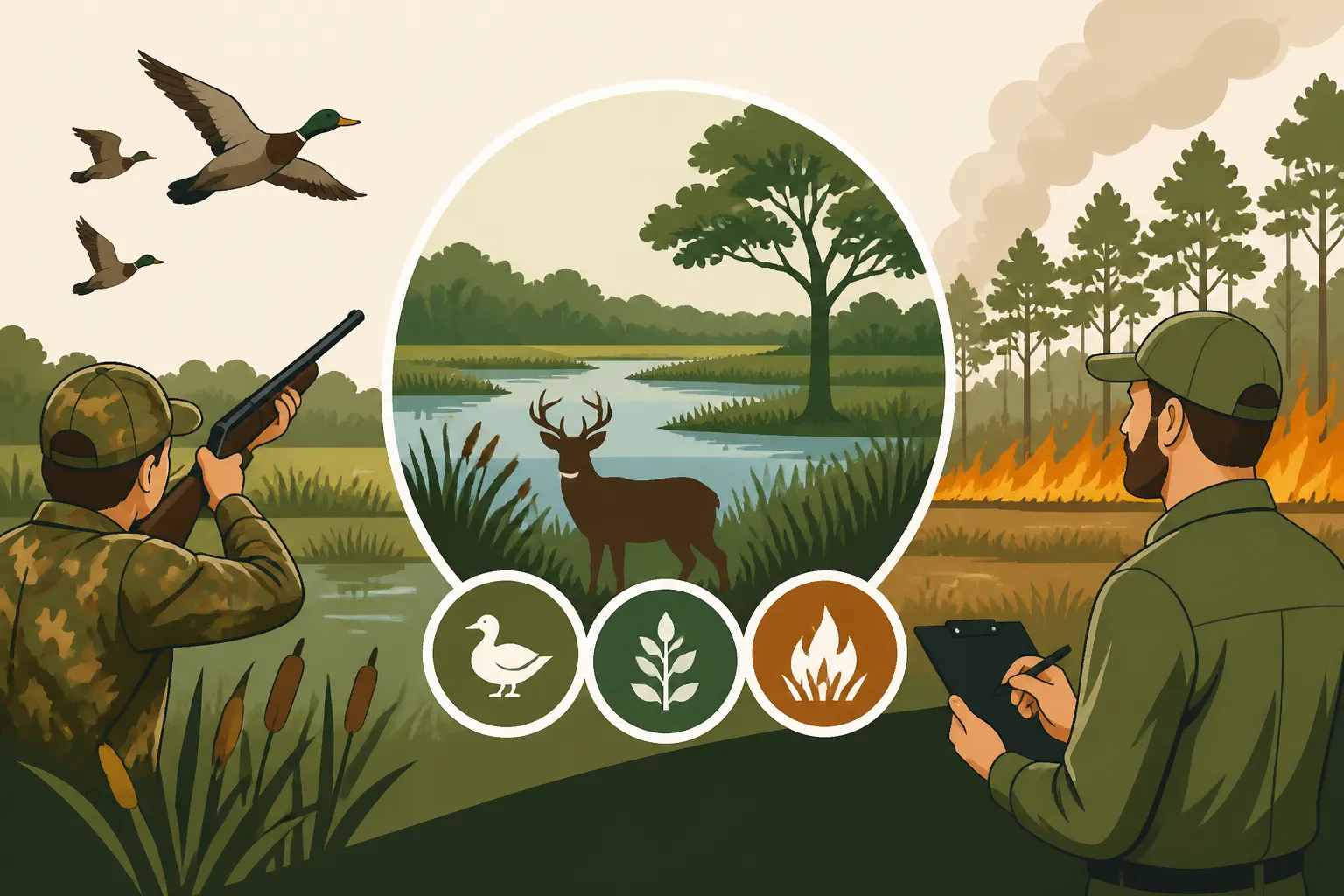
How Mississippi WMAs Are Managed
If you've ever felt a bit overwhelmed by the sheer scale and complexity of Mississippi's Wildlife Management Areas, you're certainly not alone. It’s not just a patch of woods; these are living, breathing ecosystems under constant care, and understanding the thought and effort behind their management can feel like deciphering a secret code. This guide will pull back the curtain on exactly how Mississippi's WMAs are managed, from the funding that keeps them going to the hands-on habitat work that makes them prime hunting grounds.
The Core Mission: Why Mississippi's WMAs Exist
At their heart, Mississippi's Wildlife Management Areas are a testament to our state's commitment to both conservation and providing public access to hunting, fishing, and outdoor recreation. It's a delicate balance, ensuring that we protect our natural resources for generations to come while also offering present-day opportunities for sportsmen and women. Think of it as a long-term investment in our wild heritage.
Conservation and Biodiversity Goals
The primary directive for any WMA is the conservation of natural resources. This isn't just about deer and turkey, though they are certainly a big part of it. It’s about maintaining healthy, diverse ecosystems that support a wide array of plant and animal species, from songbirds and small mammals to vital insect populations. When you step onto a WMA, you're walking into an area where land managers are actively working to preserve the ecological integrity of Mississippi. They're often restoring native habitats that might have been lost to agriculture or development, like longleaf pine savannas or bottomland hardwoods, which are crucial for countless species. This holistic approach ensures that the land remains productive and resilient.
One of the often-overlooked aspects of this mission is the study and protection of non-game species. While we hunters are focused on deer and turkey, WMA staff are also tracking amphibian populations, monitoring rare plant communities, and managing habitats to benefit creatures that might never end up on a dinner plate. It’s an essential layer of ecological stewardship that benefits the entire system, creating a richer, healthier environment for everything, including the game animals we pursue.
Public Access and Recreational Opportunities
For many Mississippians, WMAs represent the precious few acres of land where they can pursue their passion for hunting without needing private land access. This is incredibly important in a state where private ownership dominates so much of the landscape. WMAs provide equitable access for everyone, from seasoned veterans to those just starting their hunting journey. They are designed to offer a variety of experiences, whether you're chasing whitetails, calling turkeys, or trying to fill a limit of ducks. Mississippi Wildlife Management Areas are truly the lifeblood of public land hunting here.
Beyond hunting, these areas are open for a multitude of other outdoor activities. Fishing in WMA lakes and ponds, hiking nature trails, birdwatching, and even primitive camping are often encouraged. This multi-use approach helps to justify the investment in these lands and exposes a broader segment of the public to the beauty and importance of Mississippi's natural environment. The goal is to create spaces where families can connect with the outdoors, fostering a new generation of conservation-minded citizens.
Funding the Future: Where WMA Management Dollars Come From
Managing hundreds of thousands of acres of land, implementing habitat projects, and employing dedicated staff is far from cheap. It requires significant, consistent funding, and thankfully, Mississippi has a robust system in place, largely driven by the very people who benefit most from WMAs: hunters and anglers.
Hunting and Fishing License Revenue
The backbone of WMA funding in Mississippi, and indeed across much of the nation, comes directly from the sale of hunting and fishing licenses. Every time you purchase your Mississippi Resident Sportsman's License or a specific permit, a portion of that money goes directly back into the system that supports WMAs. This is a user-pay, user-benefit model that has proven incredibly effective over the decades. It means that as hunters and anglers, we are directly contributing to the health of the lands and waters we love to utilize.
This revenue stream isn't just for day-to-day operations. It fuels long-term projects like major habitat restorations, land acquisitions to expand public access, and essential equipment purchases for land management. It's a powerful feedback loop: hunters fund conservation, which creates better hunting, which encourages more license sales, and so on. It's a direct investment in the future of our outdoor traditions.
Federal Aid and Grants
While license sales are crucial, federal aid programs also play a massive role. The Pittman-Robertson Act (Federal Aid in Wildlife Restoration Act) and the Dingell-Johnson Act (Federal Aid in Sport Fish Restoration Act) are cornerstones of wildlife and fisheries conservation in the United States. These acts levy excise taxes on hunting and fishing equipment – things like firearms, ammunition, archery equipment, fishing tackle, and boat fuel. The money collected from these taxes is then apportioned back to state wildlife agencies, including Mississippi's, for wildlife management and research projects.
This federal funding often supplements state efforts, allowing for larger, more ambitious projects that might be out of reach with state funds alone. It also encourages a national standard of conservation excellence, as states must meet certain criteria to receive and utilize these funds effectively. So, every time you buy a new box of shells or a fishing lure, you're not just supporting the economy; you're directly contributing to the conservation efforts on your favorite WMA.
Hands-On Habitat: Management Techniques for Thriving Ecosystems
Effective WMA management isn't passive; it's a dynamic, hands-on process involving a variety of techniques to shape and improve the landscape for wildlife. Managers are constantly evaluating, planning, and implementing strategies to create diverse, high-quality habitats.
Timber and Forest Management
Mississippi's diverse forest types, from bottomland hardwoods to pine plantations, require specific management strategies. On many WMAs, timber is actively managed through techniques like thinning, selective cutting, and even clear-cutting in small, strategic blocks. While "clear-cutting" might sound alarming to some, it's often a vital tool for habitat regeneration, promoting early successional growth that is absolutely critical for deer, rabbits, and many bird species. Thinned stands allow more sunlight to reach the forest floor, encouraging the growth of native forage plants.
Think of it like gardening on a grand scale. You wouldn't just let your garden grow wild if you wanted a specific yield. WMA foresters are doing the same, but with an eye towards wildlife. They're making calculated decisions based on the needs of the species they're trying to support. This often involves working with foresters and wildlife biologists to develop long-term timber management plans that prioritize biodiversity and game species habitat over pure timber production.
Prescribed Burning and Disking
If you've spent any time on a Mississippi WMA, especially in the spring, you've likely seen evidence of prescribed burns. Fire, when managed correctly, is a natural and incredibly beneficial process in many Southern ecosystems, particularly in pine forests. Prescribed burning helps control invasive species, reduces fuel loads to prevent catastrophic wildfires, and most importantly, stimulates the growth of new, tender forage that deer and other herbivores crave. It also helps expose bare ground for ground-nesting birds and makes seeds more accessible for small game.
Similarly, disking food plots or fallow fields helps turn over soil, reduces dense thatch, and encourages the growth of beneficial weeds and native grasses. These disturbed areas can be goldmines for quail, rabbits, and even wild turkeys scratching for insects and seeds. It's all about creating a mosaic of different habitat types, from mature timber to open fields, ensuring a diverse pantry for all wildlife residents.
Food Plots and Supplemental Plantings
While natural forage is always the priority, food plots and supplemental plantings are often used strategically on WMAs to provide high-quality nutrition during critical times of the year, particularly late season or during harsh winters. These plots can range from cool-season clovers and winter wheat that provide essential protein and carbohydrates to warm-season mixes that offer summer browse. They act as magnets for deer and turkeys, concentrating them in accessible areas and supporting overall herd health.
However, WMA managers are careful not to rely solely on food plots. They are viewed as a supplement to, not a replacement for, healthy natural habitat. The selection of plants often focuses on native species or those that benefit a wide array of wildlife, preventing over-reliance on a single food source. When you're Sitting a Field Edge in Late Season, chances are you're benefiting from the careful planning that went into that WMA's food plot program.
Population Control and Research: Managing Mississippi's Game Species
Managing a WMA isn't just about the land; it's critically about the animals that live on it. This involves careful monitoring, scientific research, and making tough decisions to maintain healthy, balanced populations.
Deer Management Strategies
Deer are often the most sought-after game animal on WMAs, and their management is a complex dance of science and hunter demand. WMA staff conduct regular surveys to estimate Deer Density by Mississippi Unit, track fawn recruitment, and assess overall herd health. Based on this data, specific antler restrictions or antlerless harvest quotas are implemented to achieve management goals. For instance, in some areas, managers might encourage the harvest of antlerless deer to reduce overall numbers, while in others, they might protect younger bucks to improve age structure.
This nuanced approach aims to prevent overpopulation, which can lead to habitat degradation and increased disease transmission, while still providing ample hunting opportunities. It’s a delicate balance, and sometimes the rules might seem restrictive to hunters eager to pull the trigger, but these decisions are made with the long-term health of the deer herd and the habitat in mind. Understanding how these rules, like the Delta Unit's twelve-inch spread requirement, contribute to management goals helps hunters play a vital role.
Turkey and Small Game Management
While deer often get the spotlight, turkeys and small game like squirrels and rabbits also receive significant management attention. For turkeys, managers conduct annual brood surveys to assess Mississippi Turkey Population Trends and determine nesting success. Habitat work like prescribed burning and selective timber thinning directly benefits turkeys by improving nesting cover and increasing insect populations, a vital food source for poults.
For small game, brush pile construction, creation of edge habitat along fencerows, and maintaining diverse undergrowth are all strategies that provide crucial cover and food. Rabbit Hunting Thick Mississippi Brush is often a direct result of management efforts to create dense, protective habitat where these animals can thrive. The goal is to ensure sustainable populations that can withstand hunting pressure and environmental fluctuations.
Disease Monitoring and Control
One of the most pressing management concerns today is Chronic Wasting Disease (CWD). WMAs, especially those within Mississippi's Chronic Wasting Disease Zones, are on the front lines of monitoring and controlling this devastating neurological disease in deer. This involves mandatory CWD testing for harvested deer in certain areas, carcass movement restrictions, and intense surveillance efforts. WMA staff work tirelessly to collect samples and educate hunters on prevention strategies.
Beyond CWD, managers also monitor for other diseases like EHD (Epizootic Hemorrhagic Disease), which can cause significant deer die-offs during dry, late summer periods. By keeping a close eye on wildlife health, WMA staff can respond quickly to outbreaks, minimize spread, and better understand the overall health of the game populations. It's a critical component of ensuring a sustainable future for hunting.
Rules, Regulations, and Enforcement: Keeping WMAs Sustainable and Accessible
For WMAs to function effectively and provide a safe, fair experience for everyone, a clear set of rules and a consistent enforcement presence are absolutely essential. These regulations aren't arbitrary; they are designed to protect both the resource and the users.
Specific WMA Regulations
While Mississippi has statewide hunting regulations, each WMA often has its own specific set of rules that overlay these general laws. These can include unique season dates, antler restrictions, bag limits, weapon restrictions, or specific permit requirements. For example, some WMAs might have later archery openers or quota hunts that require advance application. It's crucial for hunters to thoroughly review the specific WMA regulations for their chosen area each year before heading into the woods. Ignorance of the rules is never an excuse.
You might be using an app like onX Hunt to scout out boundaries and features, which is fantastic for planning. But always, always cross-reference that with the official WMA regulations published by the MDWFP. These specific rules are tailored to the unique management needs and biological characteristics of that particular piece of land, ensuring that the hunting pressure is sustainable and that management goals can be met. For instance, understanding Treestand Rules on Mississippi Public Land on a specific WMA might prevent a citation.
Permits, Quota Hunts, and Sign-In Procedures
Many WMAs, especially those that experience high hunting pressure or have specific management objectives, utilize permit systems or Mississippi WMA Quota Hunt Sign-In Process. These systems help regulate the number of hunters on the ground at any given time, providing a higher quality experience and preventing overcrowding that could negatively impact wildlife. Some permits are drawn through a lottery system, while others might be available on a first-come, first-served basis, often requiring a simple sign-in at a kiosk or through a digital system.
It's a system designed for sustainability. By controlling hunter numbers, WMAs can more effectively manage game populations and habitat, ensuring that the resource isn't overused. For hunters, it means that while access might sometimes be limited, the quality of the hunt is often enhanced due to fewer people in the woods and better game distribution. It's an inconvenience sometimes, but a necessary one for the long-term health of our public lands.
Enforcement and Hunter Education
Mississippi's Conservation Officers are the frontline guardians of our WMAs, ensuring that regulations are followed and upholding the law. Their presence is vital for preventing poaching, ensuring fair chase, and maintaining a safe environment for all outdoor enthusiasts. They are highly trained professionals who not only enforce laws but also educate the public on wildlife conservation and safety.
Beyond direct enforcement, hunter education plays a pivotal role in promoting responsible behavior. Mississippi Hunter Education Requirements ensure that new hunters understand not just the rules, but the ethics and safety protocols necessary for a good hunting experience. This foundation helps foster a culture of respect for wildlife, the land, and fellow hunters, which is absolutely critical for the future of our WMAs.
Hunter Engagement and the Future of Mississippi's WMAs
The future of Mississippi's WMAs depends not just on dedicated managers, but on the active involvement and support of the hunting community. Our collective voice and actions can significantly influence how these vital public lands are cared for and expanded.
How Hunters Can Contribute to WMA Management
As hunters, we have a direct stake in the health and accessibility of WMAs, and there are many ways we can contribute. First and foremost, adhering to all regulations, both statewide and WMA-specific, is paramount. Beyond that, volunteering for WMA work days—helping with trail maintenance, habitat projects, or cleanup—is a fantastic way to give back. Reporting observed violations to conservation officers is also crucial for protecting the resource.
Participating in surveys, whether it's through mandatory harvest reporting via the MDWFP app or voluntary turkey brood surveys, provides valuable data that managers use to make informed decisions. Even simply picking up trash you find while Scouting Mississippi Public Land Before Season makes a difference. Every little bit of effort helps maintain the quality of these lands for everyone.
Public Input and Advisory Committees
Mississippi's wildlife agency often seeks public input on WMA management plans, regulation changes, and future initiatives. This might come in the form of public meetings, online surveys, or advisory committees. It’s an opportunity for hunters to voice their opinions, share their experiences, and contribute to the decision-making process. Engaging with these opportunities is vital to ensuring that hunter perspectives are heard and considered.
Don't assume someone else will speak up. Your perspective as a boots-on-the-ground user of the WMAs is invaluable to managers who are trying to balance multiple interests and objectives. Attending meetings or submitting comments, even if you just track them through services like GoHunt for broader hunting news, helps shape the direction of WMA management for years to come.
The Role of Conservation Organizations
Various conservation organizations, both national and local, play a significant role in supporting Mississippi's WMAs. Groups like the National Wild Turkey Federation, Ducks Unlimited, the Quality Deer Management Association (now NDA), and the Mississippi Wildlife Federation all contribute through funding, volunteer efforts, and advocacy. They often partner with state agencies on habitat projects, youth hunting programs, and policy initiatives that benefit public lands.
Supporting these organizations, either through membership or direct donations, is another powerful way to contribute to WMA management. Their collective impact amplifies individual efforts, ensuring that there's a strong, unified voice advocating for conservation and public hunting opportunities across the state. They act as watchdogs and champions, safeguarding our outdoor heritage.
Disclaimer
This article is for general informational purposes only and does not constitute professional advice. Laws, prices and regulations vary by location and change over time. Consult a qualified professional for guidance on your specific situation.