How Many Ducks Winter in the Delta
It's no secret that the Mississippi Delta is a legendary destination for duck hunters. When those bitter winds start blowing down from the north, pushing wave after wave of waterfowl ahead of them, many a hunter’s thoughts turn to the flooded timber and cut fields of our state. But if you're like most folks, you've probably wondered just how many ducks actually make that incredible journey to winter here. It's a question that keeps us up at night, anticipating the season, because knowing the sheer volume of birds helps us understand the immense drawing power of our Delta landscape and what to expect when we hit the blinds. This guide will dive deep into the fascinating world of wintering waterfowl in the Mississippi Delta, exploring the factors that draw them, how we estimate their numbers, and what it all means for hunters.
Why the Mississippi Delta is a Waterfowl Magnet
The Mississippi Delta isn't just a geographical region; it's a vital, pulsing artery on the continent's most significant waterfowl highway, the Mississippi Flyway. For millions of ducks and geese making their annual southward migration, the Delta represents a crucial stopover and wintering ground, a place where they can refuel, rest, and escape the harsh conditions of their northern breeding grounds. This isn't by accident; it's a perfect storm of geography, abundant food sources, and ideal habitat that has made it a legendary destination for centuries.
When the cold snaps hit the Midwest and Canada, signaling the inevitable deep freeze, ducks and geese instinctively know it's time to move. They follow ancient pathways, guided by celestial cues and generations of instinct, streaming south. Many of these aerial routes converge right over the heart of Mississippi, drawing birds into the rich, flat lands of the Delta. It’s truly a sight to behold, a spectacle of nature that reminds us just how interconnected our ecosystems are, and how critical this region is to the health of North America's waterfowl populations.
A Crucial Stop on the Mississippi Flyway
The Mississippi Flyway acts as a grand migratory corridor, stretching from the Arctic tundra all the way down to the Gulf of Mexico. Our Mississippi Delta sits smack in the middle of this corridor, making it an indispensable pit stop for weary travelers. Imagine millions of birds, some having flown thousands of miles, suddenly encountering this expanse of water and food. It’s like a giant, welcoming oasis after a long desert trek. The flat topography of the Delta, combined with its historical river systems and agricultural practices, creates a perfect mosaic of habitats that fulfills every need of a migrating duck.
As ducks continue their journey down the flyway, they pass through many different states and ecosystems. However, the unique combination of the Mississippi River, its associated floodplains, and the vast agricultural lands of the Delta makes it stand out. It’s not just a place to land; it’s a place to stay for the winter, offering reliable resources year after year, which is paramount for their survival. Hunters often gauge the success of a season not just by local conditions, but by what's happening further north on this critical pathway, anticipating the arrival of new flights. If you're looking to understand the broader context of migration, checking out Mississippi Waterfowl on the Mississippi Flyway can give you an even clearer picture of this phenomenon.
Habitat: Flooded Fields and Timber Are the Lifeblood
What really seals the deal for these migrating ducks are the unparalleled habitat opportunities. The Mississippi Delta boasts an incredible blend of naturally flooded bottomland hardwood forests, known as flooded timber, and vast agricultural fields. These two habitat types, often interspersed, create a dynamic and rich environment that provides both shelter and an endless buffet for wintering waterfowl. When you're out there, you quickly realize how these distinct zones cater to different species, making the Delta a truly diverse waterfowl ecosystem.
The flooded timber areas, like those found in parts of Delta National Forest or specific greentree reservoirs on wildlife management areas, offer crucial protection from predators and harsh weather. The standing trees provide roosting spots and a sense of security, while the water beneath often holds acorns, seeds, and invertebrates – natural food sources the ducks crave. Then there are the agricultural fields, primarily rice, corn, and soybeans, which, after harvest, become a duck magnet when flooded. These fields offer a high-calorie diet of waste grain, essential for ducks to maintain their energy reserves throughout the winter. The sheer acreage dedicated to these crops in the Delta means an almost limitless food supply, drawing enormous numbers of birds that literally blacken the sky in places. It's a testament to the bounty that our Delta offers, proving why the birds are here in such strong numbers.
Estimating the Numbers: A Moving Target
Trying to put an exact number on how many ducks winter in the Delta is a bit like trying to count raindrops in a hurricane – it’s constantly changing and incredibly challenging. There isn't a single, fixed number because populations fluctuate dramatically based on various factors. However, wildlife biologists and conservation agencies work tirelessly to provide estimates, giving us valuable insights into the health of the waterfowl populations and the effectiveness of habitat conservation efforts. These numbers, while not exact, are our best guess and help inform management decisions.
As hunters, we often rely on these reports, even if they sometimes feel distant from what we're seeing in our local slough or field. It's important to remember that these are broad regional estimates. What you see on your specific hunting lease or WMA might differ significantly from the statewide average on any given day. Factors like localized weather, recent rains, and even hunting pressure can concentrate or disperse birds, making them seem more or less abundant than the broader surveys suggest. It's a complex puzzle, and every piece of information helps us better understand the magnificent resource we have in Mississippi.
The Role of Aerial Surveys and Data Collection
The most reliable way wildlife agencies, like the U.S. Fish and Wildlife Service (USFWS) and state departments such as the Mississippi Department of Wildlife, Fisheries, and Parks (MDWFP), estimate duck populations is through extensive aerial surveys. Specially trained observers fly transects over vast areas, counting birds they see on the ground and water. These surveys are conducted during critical periods, usually on breeding grounds in the spring and wintering grounds in the fall and winter. The scale of these operations is immense, covering millions of acres across multiple states and provinces.
While these surveys are incredibly sophisticated, they are still estimates. Imagine flying in a small plane, trying to count tens of thousands of ducks in flooded timber or camouflaged in vast fields. It’s a monumental task. The data collected helps inform decisions on season lengths, bag limits, and conservation funding. It provides a snapshot of population trends, helping us understand if populations are increasing, decreasing, or holding steady. For a deeper dive into the specific timing of these avian visitors, you might find Duck Migration Timing Through Mississippi quite informative.
Factors Influencing Annual Wintering Populations
The number of ducks that winter in the Delta each year is a dynamic figure, heavily influenced by a combination of natural and human-driven factors. It's never the same two years in a row, which is part of what makes duck hunting such a perpetually challenging and exciting endeavor. Understanding these variables can help hunters anticipate good years and prepare for leaner ones.
One of the biggest drivers is the success of the previous spring's breeding season in the prairie pothole region of the northern U.S. and Canada. Good water conditions up north mean more successful nesting, leading to a larger fall flight. Conversely, drought years up north can significantly reduce the number of young birds produced, meaning fewer ducks flying south. Secondly, the weather across the flyway plays a huge role. Early, severe cold fronts can push birds south quickly, resulting in large, concentrated numbers in the Delta. Milder winters up north might hold birds longer, leading to a slower, more dispersed migration into Mississippi. Locally, water levels and food availability within the Delta itself are critical. If habitat managers are flooding greentree reservoirs and farmers are leaving waste grain in their fields, the Delta becomes an even stronger magnet. However, if conditions are dry or food is scarce in one area, birds will simply move to another. It's a complex interplay, but the general principle is: good conditions up north and good conditions in the Delta usually mean a fantastic duck season.
Key Species and Their Delta Presence
While the Delta hosts a wide array of waterfowl throughout the winter, some species are far more prevalent and sought after than others. Understanding which ducks prefer certain habitats and why they concentrate in particular areas can be incredibly beneficial for hunters planning their outings. From the iconic Mallard to the speedy Wood Duck, each species adds its own unique flavor to the Delta’s rich waterfowl tapestry. It's not just about numbers; it's about the diversity that makes a hunting trip truly special.
Knowing the habits of these different species helps you narrow down your scouting efforts. If you're dreaming of big greenheads, you'll be looking at different areas than if you're hoping for a mixed bag of dabblers. The Delta provides opportunities for just about every type of duck hunter, from those who love the classic flooded timber experience to those who prefer field hunting. It’s all here, you just have to know where to look and what the birds are doing.
Mallards: The Delta's Crown Jewel
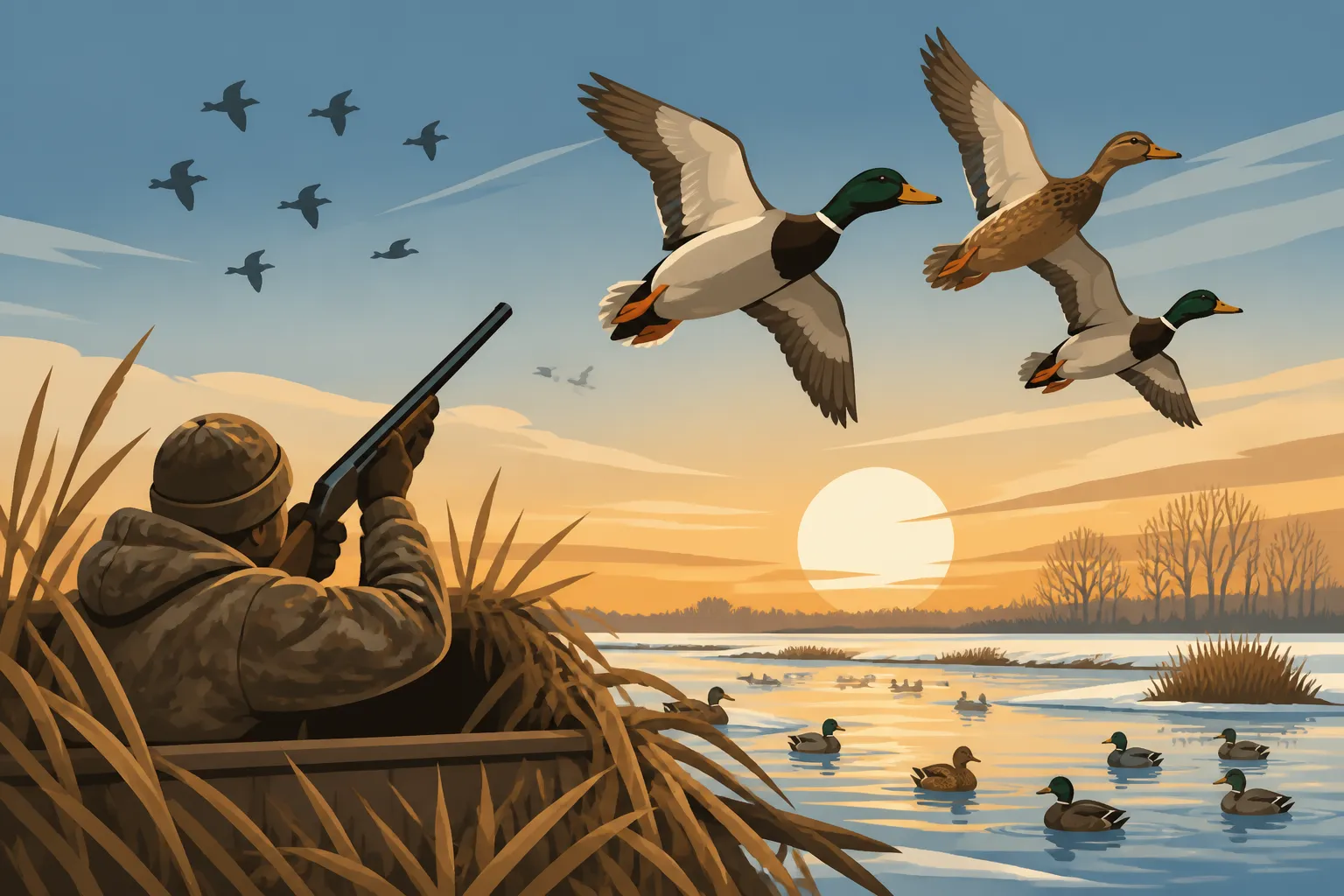
Ah, the Mallard. The king of ducks, the greenhead, the quintessential image of a duck hunt. Mallards are undeniably the most numerous and highly prized duck species in the Mississippi Delta during the winter months. Their sheer numbers and vocal presence can be astounding, making them the primary target for many hunters. They are hardy, adaptable birds, and the Delta provides everything a wintering Mallard could ever want.
Mallards have a particular fondness for flooded timber and large, flooded agricultural fields, especially those planted in corn or rice. The timber provides shelter and acorns, while the fields offer a high-energy diet of waste grain. When you hear the distinctive quack of a hen or the soft grunt of a drak in the timber, you know Mallards are nearby. They'll often feed in fields at night and loaf or roost in flooded timber or open water during the day, creating predictable patterns if you can find their preferred spots. Dedicated Mallard hunters spend countless hours scouting specific sections of flooded timber or observing field use to pattern these smart birds. For an even closer look at chasing these magnificent birds, check out Mallards in Delta Flooded Timber.
Wood Ducks, Gadwall, and Other Dabblers
While Mallards might hog the spotlight, the Delta is home to a robust population of other dabbling ducks that provide fantastic hunting opportunities and add diversity to the bag. Wood Ducks, with their brilliant plumage and lightning-fast flight, are a common sight, particularly in the early season and in more secluded, brushy sloughs and smaller timber stands. Gadwalls, often overlooked, are actually one of the most abundant duck species in the Delta, feeding on submerged vegetation in shallow waters. Wigeon, pintails, and green-winged teal also make significant appearances.
Each of these species has its own ecological niche and preferred habitat. Wood Ducks, for instance, love the denser, shallower flooded woods and creek bottoms. Gadwalls are often found in open water areas with plenty of aquatic plants. Pintails prefer large, open flooded fields and shallow marshes, often associating with Mallards. Green-winged Teal are incredibly fast and can be found in almost any shallow water habitat, from flooded fields to small potholes. A mixed bag of these dabblers is a common and highly enjoyable outcome of a successful Delta duck hunt. If you're interested in pursuing these speedy birds, Wood Ducks in Mississippi River Swamps offers some great insights into their specific haunts.
Divers and Geese: An Added Bonus
While the dabblers, especially Mallards, are the main draw for many Delta hunters, don't overlook the presence of diving ducks and various goose species. While not as universally distributed as dabblers, they add an exciting dimension to the overall waterfowl numbers. Ring-necked ducks, often called "ringbills," are probably the most common divers you'll encounter, favoring larger, deeper open water areas like oxbow lakes, borrow pits, and large reservoirs. Lesser scaup (bluebills) also pass through, though often in smaller numbers than the ringnecks.
Geese, particularly Specklebelly (Greater White-fronted Geese) and Snow Geese, are also significant winter residents in the Delta. Specklebellies are highly prized for their table fare and can be found in agricultural fields, often feeding on waste rice and corn. Snow Geese, while challenging to hunt due to their massive flocks and wary nature, can be present in truly staggering numbers, particularly in specific farm regions. While typically hunted separately from ducks, their presence contributes significantly to the overall count of wintering waterfowl in the Delta. It’s a broader canvas of bird life, a testament to the richness of the Delta’s offering.
Table: Common Wintering Waterfowl in the Mississippi Delta
| Species | Primary Delta Habitat | Peak Winter Presence | General Diet | Hunter's Notes |
|---|---|---|---|---|
| Mallard | Flooded Timber, Rice/Corn Fields | Mid-Dec to Late Jan | Waste Grain, Acorns, Seeds | Highly sought, responsive to calls, often wary. |
| Wood Duck | Dense Flooded Woods, Sloughs, Creek Beds | Early Dec to Mid-Jan | Acorns, Seeds, Invertebrates | Fast flight, prefers quiet, timbered areas. |
| Gadwall | Shallow Open Water, Aquatic Vegetation | Mid-Dec to Mid-Feb | Submerged Aquatic Plants | Abundant, often overlooked, feeds in diverse habitats. |
| Green-winged Teal | Shallow Potholes, Flooded Fields | Early Dec to Late Jan | Seeds, Small Invertebrates | Extremely fast, small, often in large flocks. |
| Northern Pintail | Large Open Flooded Fields, Shallow Marshes | Mid-Dec to Mid-Jan | Seeds, Waste Grain, Tubers | Elegant flight, can be very wary, often with Mallards. |
| Ring-necked Duck | Deep Open Water, Lakes, Reservoirs | Mid-Dec to Late Feb | Aquatic Insects, Seeds | Diver, often rafts in large groups, fast flight. |
| Specklebelly Goose | Agricultural Fields (Rice, Corn) | Late Dec to Mid-Feb | Waste Grain, Greens | Excellent table fare, often hunt in separate spreads. |
| Snow Goose | Vast Agricultural Fields | Late Dec to Early Mar | Waste Grain, Rootlets | Huge, noisy flocks, very challenging to decoy. |
What the Numbers Mean for the Hunter
Understanding how many ducks winter in the Delta isn't just an academic exercise; it has real-world implications for hunters like us. The annual migration and population estimates directly impact our strategies, scouting efforts, and ultimately, our success in the field. When the numbers are high, it generally means more opportunities, but it also might mean more hunting pressure. Conversely, lower numbers don't necessarily spell doom, but they do require more diligent scouting and adaptable tactics. It’s all about playing the hand you’re dealt each season.
The true value of these numbers lies in how they inform our expectations and preparation. Knowing that millions of birds use the Delta is a strong indicator that if you put in the work, you're likely to encounter ducks. But the specific conditions on a given day, in a given spot, are what really matter. This is where experience, local knowledge, and the willingness to move and adapt come into play. It’s a chess match, and the ducks are formidable opponents, but the rewards are well worth the effort.
Strategies for Chasing Wintering Ducks
Regardless of the estimated overall numbers, successful duck hunting in the Delta comes down to a few core strategies. First and foremost, scouting is king. Ducks are creatures of habit and will often use the same feeding and roosting areas day after day, provided they aren't pressured too heavily. Spend time driving backroads, using binoculars to spot concentrations of birds, or even hiking into public land areas to look for fresh sign like droppings and tracks. The MDWFP app can be invaluable for pinpointing public lands and WMA boundaries, helping you focus your efforts.
Secondly, adaptability is crucial. Weather changes, water levels fluctuate, and hunting pressure shifts birds around. What worked yesterday might not work today. Be prepared to move your spread, adjust your decoy placement, or even change your hunting location entirely if the birds aren't cooperating. This might mean switching from a flooded timber setup, detailed in Hunting Flooded Timber for Wood Ducks, to a field edge layout blind. Always pay attention to the wind, as ducks almost always land into it, and position your blind and decoys accordingly. And don't forget your calling; sometimes, aggressive calling brings birds in, other times, subtle clucks and feeding chuckles are all it takes.
Public Land Realities and Private Land Advantages
The sheer number of ducks wintering in the Delta translates into opportunities on both public and private lands, though each comes with its own set of realities. Public lands, such as portions of Delta National Forest or various Wildlife Management Areas (WMAs) like Sunflower WMA, offer accessible hunting for those who don't have private leases. These areas are managed for wildlife, including waterfowl, and often have designated greentree reservoirs that are flooded seasonally, providing prime duck habitat. However, public land often comes with significant hunting pressure, especially on weekends and during opening days. This pressure can make birds warier and force them into less accessible areas. For more on navigating these public grounds, Delta National Forest Hunting can be a great resource.
On the other hand, private land, often leased from farmers, offers more control over hunting pressure and habitat management. Landowners can manipulate water levels in their fields, plant specific duck-friendly crops, and control access, potentially leading to more consistent hunting success. The trade-off, of course, is the cost of leasing. Many hunters find success by combining strategies: hunting public land early in the season or on weekdays, and saving private opportunities for key migration pushes or specific weekends. Ultimately, regardless of where you hunt, respecting the birds, the habitat, and other hunters ensures a more enjoyable and sustainable experience for everyone. If you’re considering opportunities on WMAs, information on Sunflower WMA Inside Delta National Forest will be highly relevant.
Disclaimer
This article is for general informational purposes only and does not constitute professional advice. Laws, prices and regulations vary by location and change over time. Consult a qualified professional for guidance on your specific situation.