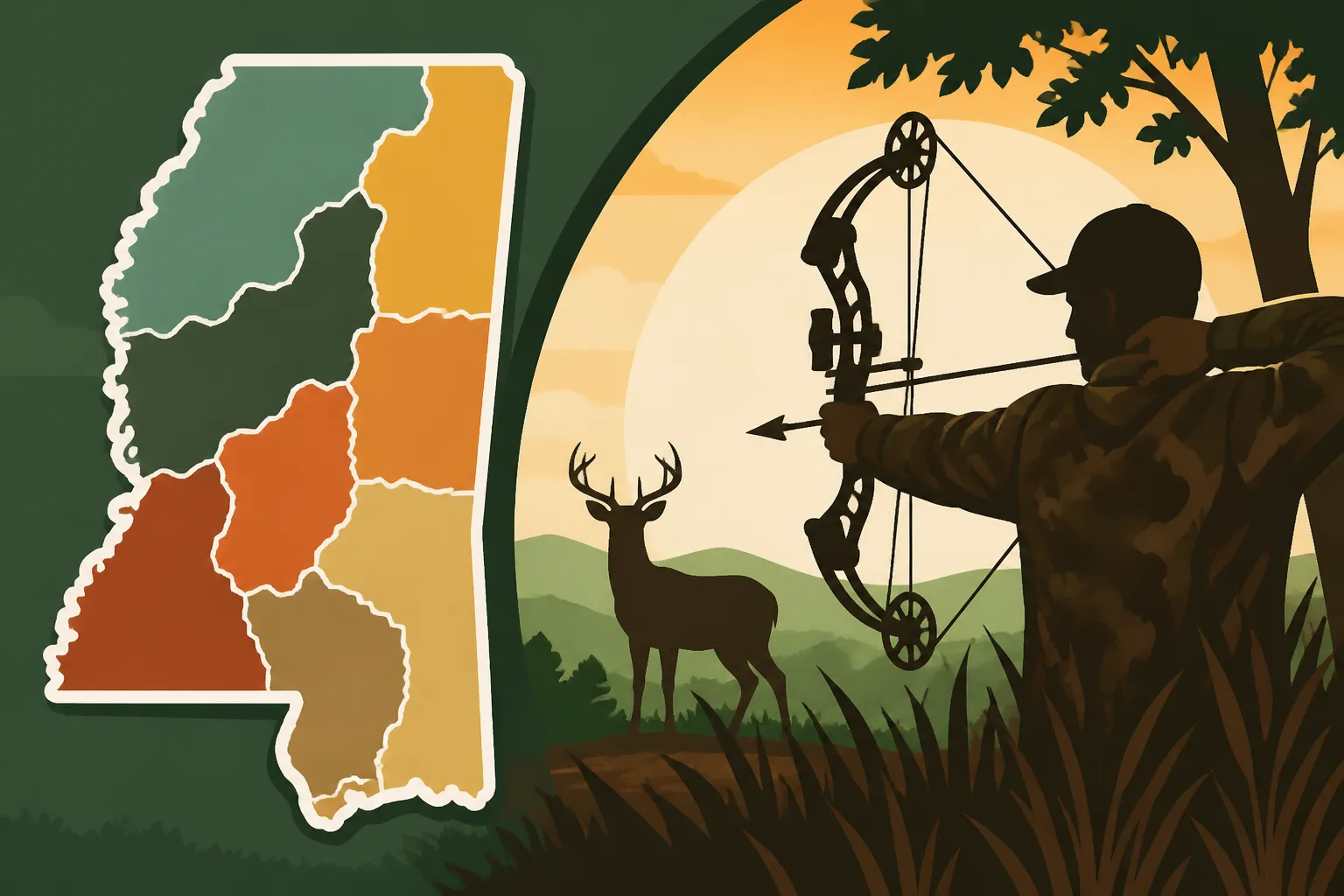
How Mississippi’s Archery Season Varies by Unit
It can feel like you need a law degree just to figure out Mississippi's deer hunting regulations, especially when it comes to archery season. The rules aren't always a one-size-fits-all deal across the state, and that's precisely why many of us scratch our heads trying to plan a hunt. This guide is here to untangle the complexities of Mississippi's archery season, breaking down how dates, bag limits, and antler restrictions vary by unit, so you can head into the woods prepared and confident, no matter where you plan to hang your stand.
Understanding Mississippi's Deer Management Units
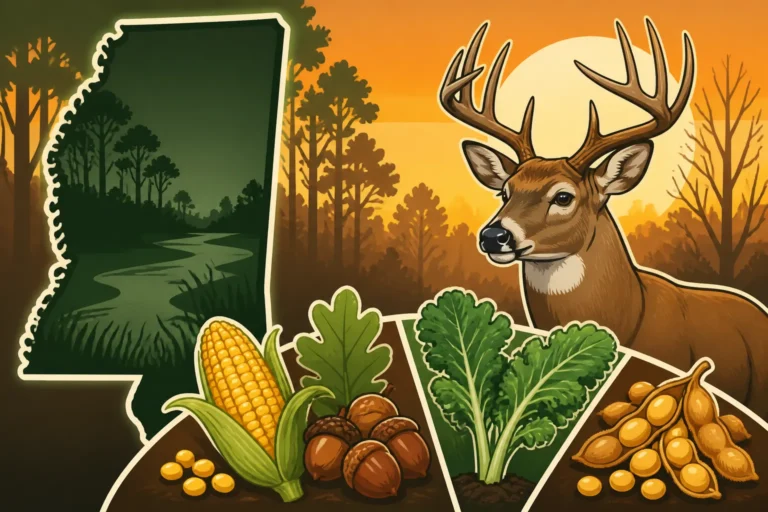
Before we dive into the nitty-gritty of archery season, it's crucial to understand why Mississippi has different rules for different areas. The state of Mississippi is wonderfully diverse, from the rich Delta bottomlands to the rolling Hills and the unique pine forests of the Southeast. Deer populations, habitat, and even hunter pressure vary dramatically across these regions. To manage the deer herd effectively and sustainably, the Mississippi Department of Wildlife, Fisheries, and Parks (MDWFP) divides the state into distinct Deer Management Units (DMUs).
What Are Deer Management Units
Think of Deer Management Units as tailored management zones, each with its own set of rules designed to achieve specific biological and social goals. The MDWFP doesn't just draw lines on a map arbitrarily; these units are established based on ecological factors, historical deer populations, habitat types, and even harvest data. The goal is to ensure healthy deer herds, provide quality hunting opportunities, and balance conservation efforts with hunter expectations. This approach allows for localized management decisions rather than trying to apply a blanket rule across vastly different landscapes, which would likely fail in some areas. It acknowledges that what works for the fertile fields of the Delta might not be appropriate for the rugged terrain of the Hills. Understanding these units is the first step in decoding the complex tapestry of Mississippi deer season regulations. For a broader look, check out our guide on Mississippi's Four Deer Management Units.
Overview of Mississippi's Four Units
Mississippi is primarily divided into four major Deer Management Units, each with its own characteristics that influence hunting regulations:
- Delta Unit: This unit encompasses the vast, flat, and incredibly fertile Mississippi Alluvial Plain, characterized by rich agricultural fields, large tracts of bottomland hardwoods, and a generally older age structure of bucks. The consistent food sources and cover allow deer to grow to impressive sizes, which often translates into more stringent antler restrictions to promote herd health and quality.
- Hills Unit: Covering much of central and northern Mississippi, this unit is defined by rolling hills, mixed pine and hardwood forests, and a more diverse landscape. Deer densities can vary, and management often focuses on balancing opportunity with quality, leading to different antler requirements than the Delta.
- North Central Unit: This unit generally sits above the Hills Unit, often characterized by similar mixed timber and agricultural lands, but sometimes with subtle differences in deer population dynamics or harvest trends that necessitate distinct regulations.
- Southeast Unit: Extending through the longleaf pine ecosystems and swampy areas of southern and eastern Mississippi, this unit presents unique challenges and opportunities. Its often denser cover and specific habitat types, including extensive pine plantations, lead to management strategies that cater to these conditions, sometimes including an extended season to maximize harvest.
Each of these units is a unique world for the deer hunter, and the MDWFP's unit-specific regulations are a testament to their efforts to manage these distinct ecosystems responsibly. It's a complex system, but once you understand the "why," the "what" becomes much clearer.
Delta Unit Archery Season Specifics
The Delta Unit, a land synonymous with big bucks and rich agricultural bounty, has its own rhythm when it comes to archery season. If you're planning to hunt this iconic region, understanding its specific dates, antler restrictions, and bag limits is non-negotiable.
Season Dates and Length
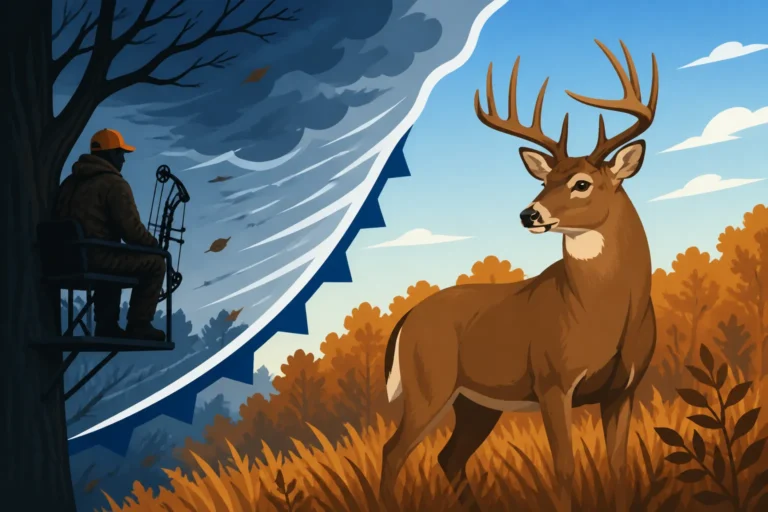
Historically, the archery season in the Delta Unit tends to open around October 1st, aligning with the statewide opener. However, the exact closing dates can sometimes differ slightly from other units or be subject to minor adjustments year to year, so it's always crucial to check the current year's MDWFP regulations booklet. Generally, you can expect a robust archery window that extends for several weeks, providing ample opportunity to get into the timber before the gun seasons kick in. This early season, often characterized by warm weather, demands different tactics than later periods, and you'll often find yourself focused on food sources still active in early fall, like persimmons or early acorns. The terrain itself, primarily flat bottomland, means hunters often rely on elevated stands to gain an advantage in visibility over the dense undergrowth and widespread agricultural fields.
Antler Restrictions and Bag Limits
This is where the Delta Unit truly stands out. To maintain the quality of the deer herd and allow younger bucks to mature, the Delta Unit typically has a more stringent antler restriction than other parts of the state. Specifically, bucks harvested in the Delta Unit must often have an outside spread of at least 12 inches OR have at least one main beam that is 15 inches or longer. This "12-inch spread rule" is designed to protect younger, genetically promising bucks, ensuring they have a chance to reach their full potential. It's a key regulation that emphasizes quality over quantity, and it's something every archer must be able to judge accurately in the field. For a detailed explanation, see our article on Delta Unit Twelve-Inch Spread Rule Explained.
Beyond antler restrictions, the Delta Unit's bag limit for deer typically includes a specific number of antlered bucks (often one per legal weapon, meaning one archery buck, one gun buck, etc., though this can vary) and a more generous number of antlerless deer. Harvesting does is a critical component of healthy deer management in the Delta, helping to balance the herd's sex ratio and prevent overpopulation, especially given the abundant food sources. Always refer to the MDWFP's official regulations for the precise antlered and antlerless limits for the current season.
Hunting Challenges and Opportunities
Hunting the Delta Unit during archery season offers both unique challenges and incredible rewards. The flat topography and often dense cover can make tracking and shot placement crucial. Deer patterns are heavily influenced by agricultural cycles—beans, corn, and rice fields are massive attractants. Knowing Hunting Delta Unit Bottomland Deer strategies is vital. Setting up on field edges, pinch points between timber blocks, or natural funnels created by sloughs and ditches are classic Delta tactics. The early season heat means scent control is paramount, and mosquitoes can be a real nuisance, so come prepared with appropriate gear.
Despite the challenges, the opportunities are immense. The Delta is renowned for producing trophy-class whitetails, and connecting with a mature buck with a bow in this historic region is a truly unforgettable experience. The sheer amount of available food and vast tracts of contiguous timber provide ample habitat for deer to thrive and grow large. Using mapping tools like GoHunt can be invaluable for identifying key travel corridors, bedding areas, and food sources within the Delta's expansive landscape, helping you pinpoint those elusive big bucks.
Hills Unit Archery Season Specifics
Moving eastward from the flat expanse of the Delta, the Hills Unit presents a distinctly different hunting experience. Here, rolling terrain, mixed hardwood and pine forests, and a diverse range of habitat types influence both deer behavior and management strategies.
Season Dates and Length
Like the Delta Unit, the archery season in the Hills Unit generally kicks off around October 1st, offering hunters across the state a consistent start. This season typically runs for an extended period, leading right up to the gun seasons, usually in mid-November. The duration provides ample time for hunters to capitalize on various stages of the early fall, from pre-rut activity to the first hard frosts that might shift deer movement patterns. Given the varied topography, deer in the Hills often utilize ridge tops, saddles, and creek bottoms as primary travel routes, especially as acorns begin to drop. Early season in the Hills often sees deer still relatively patterned around specific food sources before hunting pressure disperses them.
Antler Restrictions and Bag Limits
The antler restrictions in the Hills Unit are typically a bit less stringent than those in the Delta, reflecting different herd dynamics and management goals. For most of the Hills Unit, a legal buck must usually have an outside spread of at least 10 inches OR have at least one main beam that is 13 inches or longer. This "10-inch spread rule" aims to protect younger bucks while still providing reasonable opportunity for harvest. It's still critical to be confident in your ability to judge a buck's antlers on the hoof, especially when that moment of truth arrives. Our guide on Hills Unit Ten-Inch Spread Rule Explained delves deeper into what this means for hunters in practice.
Bag limits in the Hills Unit typically allow for a specific number of antlered bucks per weapon type, similar to the Delta, and a generous allocation of antlerless deer. Doe harvest remains essential for population control and herd health in this unit, preventing overbrowsing and ensuring resources are available for the entire deer population. Always consult the official MDWFP regulations to confirm the precise limits for the current hunting year.
Hunting Challenges and Opportunities
Hunting the Hills Unit with a bow means adapting to the landscape. Unlike the Delta's flat expanses, the Hills demand a good understanding of topography and how deer use it. Ridges, saddles, draws, and creek bottoms become crucial funnels. When you're still-hunting the ridges, understanding how deer move along these elevated paths can be a game-changer. For strategies specific to this terrain, you might find our article on Still-Hunting Hills Unit Ridges quite helpful.
One of the biggest challenges in the Hills can be finding consistent food sources, as they are more varied than the monoculture fields of the Delta. Hunters often focus on oak flats when acorns are dropping, or natural browse in thickets and clear-cuts. Opportunities abound for both ground blind hunting and climbing stands, depending on the specific location and cover. The diverse habitat also means deer can be less predictable than in heavily agricultural areas, requiring more extensive scouting. Utilizing satellite imagery from a tool like GoHunt can help you identify potential pinch points, bedding areas, and elevation changes that deer will naturally use for travel, even before you step foot in the woods.
North Central Unit Archery Season Specifics
The North Central Unit of Mississippi, nestled above the Hills Unit, shares some characteristics with its southern neighbor but also has its own unique regulatory framework for archery season. Understanding these nuances is crucial for hunters in counties like Panola, Lafayette, or Marshall.
Season Dates and Length
The archery season in the North Central Unit typically mirrors the statewide opener, kicking off around October 1st. Hunters can generally expect a solid stretch of several weeks for bowhunting, usually extending into mid-November before the full swing of gun season begins. This timeframe allows archers to chase deer through the mild temperatures of early fall, often focusing on shifting food sources as the season progresses. Deer movement during this period can be influenced by acorn crops, leftover agricultural offerings, and the subtle beginnings of pre-rut activity. As in other units, checking the MDWFP's annual regulations for precise dates is always the best practice, as minor adjustments can occur.
Antler Restrictions and Bag Limits
For the North Central Unit, antler restrictions generally align with those found in the Hills Unit. This means a legal buck typically needs to have an outside spread of at least 10 inches OR at least one main beam that is 13 inches or longer. This 10-inch spread rule is a common standard designed to foster a balanced age structure within the buck population, allowing younger deer more time to develop. It's a critical piece of information that every archer in this unit needs to memorize and be able to apply on the fly during a hunting encounter.
When it comes to bag limits, hunters in the North Central Unit typically have a similar structure to other units: a specific number of antlered bucks per weapon type (e.g., one with archery gear, one with a gun, etc.) and a designated number of antlerless deer. Encouraging doe harvest helps manage the overall population, ensuring that the habitat can support a healthy number of animals and that deer remain robust. Always ensure you're up-to-date with the current year's antlered and antlerless limits directly from the MDWFP.
Hunting Challenges and Opportunities
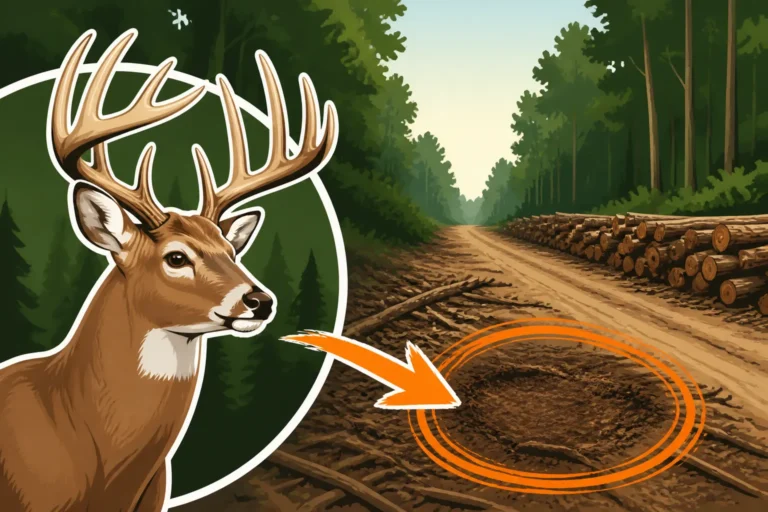
Hunting with a bow in the North Central Unit often involves navigating a landscape of mixed pine and hardwood timber, small agricultural fields, and undulating topography. While not as dramatic as the rugged Hills, there are still plenty of subtle elevation changes and natural funnels to key into. Deer in this unit are often adept at using dense cover and transitioning between woodlots and fields. Locating active scrape lines along a logging road can be a fantastic way to identify buck travel patterns during the pre-rut, for example.
One common challenge can be finding unpressured areas, especially on public lands as the season progresses. However, opportunities abound for those willing to scout thoroughly. Focus on identifying areas with good natural browse, recent timber work, or consistent acorn drop. Hunters might find success with carefully selected treestand setups overlooking food sources or funnels, or by employing ground blinds in areas with ample cover. Scouting with aerial photos on tools like GoHunt can reveal hidden benches, subtle draws, and secluded food plots that might hold deer away from heavier pressure. Remember, adapting your setup and tactics to the specific micro-habitat you're hunting is key here.
Southeast Unit Archery Season Specifics
The Southeast Unit of Mississippi stands apart with its unique habitat of pine plantations, mixed forests, and swampy bottomlands, and notably, an extended archery season that offers hunters a longer window of opportunity. This region demands specific strategies and a keen understanding of its distinct regulations.
Season Dates and Length
Here's where the Southeast Unit truly shines for archers: it often boasts an extended archery season compared to the rest of the state. While most units open around October 1st and conclude their archery phase in mid-November, the Southeast Unit's archery season can stretch well into December, sometimes even coinciding with parts of the gun season in other units. This extended window provides a unique chance to hunt deer with a bow during cooler weather and closer to the peak of the rut, offering different dynamics than the early season hunts elsewhere. For those passionate about bowhunting, this longer season is a huge draw, allowing for more time afield when deer are often more active. We have a dedicated resource on Hunting the Extended Southeast Unit Archery Window if you want to dive deeper into maximizing this advantage.
Antler Restrictions and Bag Limits
The antler restrictions in the Southeast Unit generally align with the Hills and North Central Units, meaning a legal buck typically requires an outside spread of at least 10 inches OR at least one main beam that is 13 inches or longer. This standard aims to promote a healthy age structure and buck quality within the unit's specific ecological conditions. As always, solid antler identification skills are paramount for ethical and legal harvest.
Bag limits in the Southeast Unit usually follow the pattern of other units, allowing for a certain number of antlered bucks per legal weapon and a set number of antlerless deer. Given the varying habitat, judicious doe harvest is still an important management tool to ensure balanced populations and prevent habitat degradation, particularly in areas of high deer density. Always refer to the MDWFP's latest regulations guide for the most accurate and up-to-date bag limits for the current season.
Hunting Challenges and Opportunities
The Southeast Unit presents a diverse array of hunting scenarios. Extensive pine plantations, especially those in different growth stages, offer fantastic bedding and thermal cover, but can be dense and challenging to navigate silently. Swamps and creek bottoms often provide excellent travel corridors and food sources, particularly during drier periods. Hunting in this unit demands adaptability. You might find yourself setting up on a clear-cut regrowth edge in a pine flat, or tucked into a ground blind overlooking a cypress slough. Our guide on Hunting Southeast Unit Pine Flats can offer specific tactical advice for this terrain.
The longer archery season here also means dealing with a wider range of weather conditions, from warm early fall days to genuinely cold winter fronts. This requires versatile gear and a willingness to adapt tactics as the season progresses and the rut approaches. Deer behavior will shift dramatically over this extended period. This unit can offer fantastic opportunities for trophy bucks, especially those that have found sanctuary in the thicker, less accessible areas. Detailed scouting, perhaps utilizing the advanced mapping features of GoHunt to pinpoint different age classes of timber and water features, will greatly increase your chances of success in this varied landscape.
Key Differences and Strategic Considerations Across Units
Navigating Mississippi's archery season effectively means understanding not just the regulations for your chosen unit, but also why those variations exist and how they influence your hunting approach. It’s more than just dates on a calendar; it’s about the whole ecosystem.
Why the Variations Exist
The unit-specific regulations aren't just arbitrary lines drawn by wildlife managers; they are a direct response to diverse ecological conditions and deer population dynamics across Mississippi. The Delta, with its incredibly rich soil and vast agricultural landscape, supports a deer herd that can often grow larger, faster. The management here, therefore, focuses on quality, leading to stricter antler restrictions like the 12-inch spread rule, designed to ensure bucks reach an older age class before harvest. In contrast, the Hills, North Central, and Southeast Units, with their varied timber types, less fertile soils, and different levels of public land access, might have management goals that prioritize broader participation and a different balance of age structure. For example, the extended archery season in the Southeast Unit might be a strategy to increase overall harvest numbers or to spread out hunting pressure, given the unique habitat and potentially different rut timing. The comprehensive Mississippi Deer Season Structure Explained covers these considerations in broader detail.
These differences also account for factors like habitat fragmentation, predator populations, and even the prevalence of diseases like Chronic Wasting Disease (CWD). Each unit is a unique puzzle, and the regulations are the pieces designed to fit that specific picture, aiming for sustainable deer populations and quality hunting experiences for everyone.
Gear and Tactics for Each Unit
Your archery setup and hunting tactics should absolutely change depending on which unit you're targeting.
- Delta Unit: Given the predominantly flat terrain and large fields, elevated stands are kings here. Think ladder stands or well-placed hang-ons along field edges, pinch points, or near isolated cover in otherwise open areas. The early season warmth means lightweight clothing, excellent scent control, and robust bug protection are essential. You might also find yourself relying on ground blinds, especially if you're hunting smaller, more isolated patches of cover or on public lands where stand placement is restricted. If you're pondering Hanging a Stand on a Delta Bottomland Funnel, consider the wind direction carefully, as thermals are less pronounced in flat country.
- Hills & North Central Units: The rolling hills lend themselves well to both climbing stands and lightweight hang-ons that can be moved. Focus on saddles, ridge lines, and draws that funnel deer movement. Understanding how to read terrain features on a topo map or scouting app becomes incredibly valuable. Ground blinds can also be effective in thick cedar thickets or around small food plots. During the pre-rut, rattling and grunting can be highly effective in the mixed timber.
- Southeast Unit: With its dense pine plantations and swampy areas, stealth and adaptability are key. Ground blinds brushed into thick cover are often highly effective, especially when hunting close to bedding areas or in areas with limited suitable trees for stands. Lightweight climbing stands are good for moving between different age classes of pines. The longer season means you'll need gear for both warm and cold weather, and waterproof boots are a must in the wetter areas. Consider our advice on Using a Ground Blind on Mississippi Public Land for adapting to different terrains.
Across all units, the importance of pre-season scouting cannot be overstated. Tools like GoHunt can provide invaluable aerial and topographical maps to help you identify key features before you ever step foot in the woods. Learning to use these effectively can make or break your season.
Importance of Checking Current Regulations
Perhaps the single most critical piece of advice for any Mississippi hunter is this: always check the current year's official MDWFP hunting regulations. While the general framework, antler restrictions, and season openers tend to be consistent, small but significant changes can occur year to year. Dates might shift by a day or two, bag limits could be adjusted in response to herd health surveys, or specific public land rules might be updated.
Don't rely solely on information from previous seasons or even what a buddy tells you. The MDWFP website is the authoritative source, and they usually release the new regulations booklet well in advance of the season. You can also download their official app, which often has current regulations and a handy map tool. Whether you're planning for Mississippi Archery Season Dates by Unit or trying to figure out Crossbow Rules During Mississippi Archery Season, direct consultation of the official rules is paramount. It’s your responsibility as a hunter to be fully compliant, and ignorance of the law is no excuse. A few minutes spent reviewing the official document can save you a lot of headache, or even a hefty fine.
Mississippi Archery Season Unit Comparison
To give you a clearer picture of how these units stack up, here’s a quick comparison of their typical archery season characteristics. Remember, these are general guidelines, and always verify with the current MDWFP regulations.
| Feature | Delta Unit | Hills Unit | North Central Unit | Southeast Unit |
|---|---|---|---|---|
| Season Open Date | Oct 1 | Oct 1 | Oct 1 | Oct 1 |
| Season Close Date | Mid-November (approx.) | Mid-November (approx.) | Mid-November (approx.) | Mid-December (approx.) |
| Antler Restriction | 12" Outside Spread OR 15" Main Beam (min.) | 10" Outside Spread OR 13" Main Beam (min.) | 10" Outside Spread OR 13" Main Beam (min.) | 10" Outside Spread OR 13" Main Beam (min.) |
| Antlered Buck Limit | Typically 1 per weapon | Typically 1 per weapon | Typically 1 per weapon | Typically 1 per weapon |
| Antlerless Deer Limit | Generous, varies by season | Generous, varies by season | Generous, varies by season | Generous, varies by season |
| Primary Habitat | Bottomland hardwoods, agriculture | Mixed pine/hardwood, rolling hills | Mixed pine/hardwood, small agriculture | Pine plantations, mixed forest, swamps |
| Key Management Focus | Quality, older age structure | Balance of opportunity & quality | Balance of opportunity & quality | Opportunity, sustained harvest (longer season) |
This table provides a snapshot, but it's just the starting point. Each unit has its own character, and really understanding it means getting out there, scouting, and experiencing it firsthand. And before you do, use resources like the MDWFP website or even a reliable app like GoHunt to ensure you know Finding Which Deer Unit Your County Sits In and that you're totally up to speed on the current year's rules. Happy hunting!
Disclaimer
The information provided in this guide is for general informational purposes only and is based on typical Mississippi hunting regulations. Hunting regulations, dates, and requirements are subject to change annually by the Mississippi Department of Wildlife, Fisheries, and Parks (MDWFP). It is the sole responsibility of the hunter to consult the most current official MDWFP regulations prior to engaging in any hunting activity. Failure to comply with current regulations can result in fines, penalties, or loss of hunting privileges.