When a Guided Hunt Is Worth the Extra Cost
For many hunters, the question isn't if they'll go hunting, but how they'll go. The idea of shelling out extra cash for a guided hunt can feel daunting, especially when you've always prided yourself on figuring things out on your own. But there are very real, tangible benefits that often make the additional investment not just worthwhile, but incredibly smart for certain situations. This guide dives deep into those scenarios, helping you decide when paying for a Mississippi outfitter truly makes sense for your goals and your wallet.
Understanding the True Value of a Guided Hunt
It's easy to look at the price tag of a guided hunt and blanch. "I can buy a new rifle for that," you might think. And you wouldn't be wrong. But that initial sticker shock often overshadows the immense value and experience packed into a professionally guided trip. It's not just about harvesting an animal; it's about optimizing your time, reducing stress, and often, securing access to opportunities you simply can't find on your own.
Beyond Just Harvesting an Animal
A guided hunt is an investment in an experience, not just a transaction for a kill. When you book with an outfitter, you're not just paying for someone to point you to a deer stand or a duck blind. You're buying into their years of hard-won knowledge, their scouting efforts, their equipment, and often, their private land access. Think about the countless hours a guide spends before you even arrive: scouting game, setting up blinds, checking trail cameras, maintaining equipment, and building relationships with landowners.
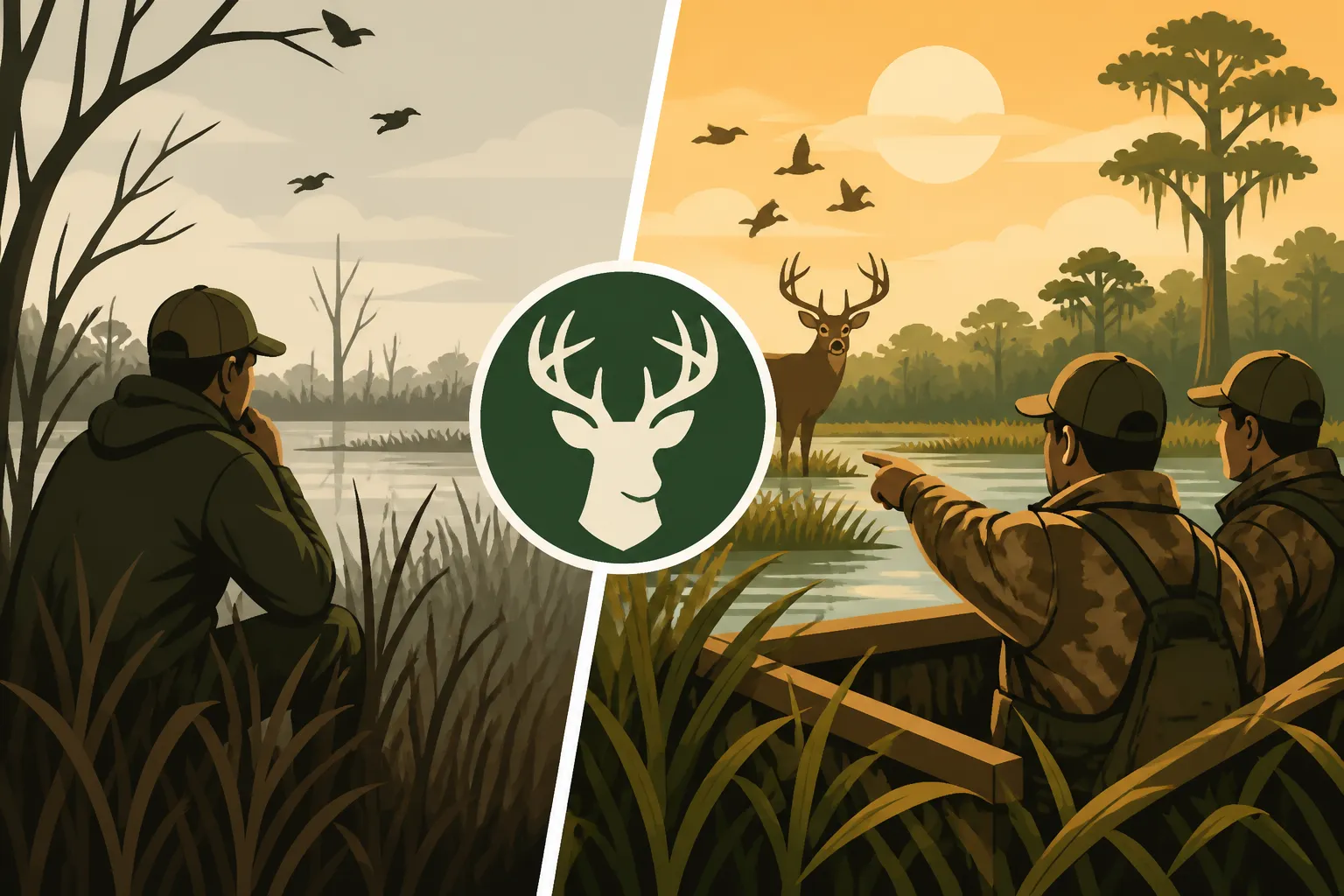
Consider a duck hunt in the Mississippi Delta. A reputable guide will have multiple blinds brushed in, knowing which ones are hot based on recent bird movement and weather patterns. They'll have a seasoned retriever and top-notch decoys. They'll know the nuances of Mississippi Waterfowl Migration Timing and where the mallards are feeding that week. All of this pre-work, this expertise, is what you're really paying for. It significantly increases your chances of success and, just as importantly, enhances the overall enjoyment of your hunt.
Time vs. Money: The Hunter's Calculation
For many of us, time is the most precious commodity. We might only get a few precious days a year to chase game, squeezed between work, family, and other commitments. If you're traveling a long distance to hunt Mississippi, every single hour counts. This is where a guided hunt really starts to make financial sense.
Imagine you're driving eight hours from out of state for a three-day deer hunt. If you go DIY on public land, you'll spend a significant portion of your first day scouting, trying to locate fresh sign, and then potentially several more hours setting up stands or blinds. If you're unfamiliar with the terrain or the local game patterns, you might spend a day or more just figuring things out. That's valuable hunting time lost. A guided hunt removes almost all of that guesswork. You arrive, get briefed, and usually, you're in a prime hunting location within hours, maximizing your actual hunting time. When your time is limited, paying an expert to put you in the right spot can save you the agony of a wasted trip and the hidden costs of extra gas, lodging, and missed work days for unproductive scouting.
Access to Private Land and Exclusive Opportunities
One of the most compelling reasons to consider a guided hunt in Mississippi, especially for species like whitetail deer or ducks, is access to prime private land. Mississippi boasts incredible hunting, but much of the best ground, particularly in the Delta, is privately owned. Getting Private Land Permission in Mississippi can be a monumental challenge for an individual hunter without local connections.
Outfitters often hold leases on thousands of acres of highly managed land, carefully cultivated for specific game. This means less hunting pressure, better quality animals, and often, a higher chance of success. For instance, if you're chasing a mature buck in the Delta, a guide might have access to soybean fields or flooded timber tracts that consistently hold big deer – places you simply couldn't get to otherwise. Similarly, for Waterfowl Hunting the Mississippi Delta, guides often control access to flooded fields or timber holes that are carefully managed to attract and hold birds, providing opportunities far beyond what's typically available on public land or through casual knocking on doors. This exclusive access is a significant part of the "extra cost" but provides an unmatched hunting environment.
Scenarios Where a Guided Hunt Shines in Mississippi
While not every hunt warrants a guide, there are specific situations where the benefits far outweigh the added expense, especially in a state like Mississippi with its diverse hunting opportunities and sometimes challenging terrain.
First-Time Hunters or New Species
If you're brand new to hunting, or if you're an experienced hunter looking to try a completely new species or hunting method, a guide can be an invaluable mentor. Let's say you've always deer hunted but want to try Spring Turkey Hunting in Mississippi. The nuances of calling, setting up on a gobbler, and understanding turkey behavior can be a steep learning curve. A turkey guide can teach you the ropes, demonstrating effective calling techniques, how to approach a bird, and crucial setup strategies that take years to master on your own.
Similarly, for someone new to Mississippi's unique hunting environment, a guide provides instant local knowledge. Imagine attempting Hunting Delta Unit Bottomland Deer for the first time. The vast, flat landscape, the sloughs, the dense cover – it's a completely different puzzle than hunting rolling hills. A guide can help you understand the terrain, deer movement patterns specific to the region, and even legal considerations like the Delta Unit Twelve-Inch Spread Rule Explained for bucks. This mentorship can kickstart your learning curve and prevent common, frustrating mistakes.
Limited Time or Long-Distance Travel
As touched on earlier, if your hunting window is tight, or if you're traveling a significant distance, a guided hunt transforms your trip from a speculative adventure into a targeted effort. Out-of-state hunters often find this particularly appealing. You've invested in travel, lodging, and a nonresident license like the Mississippi Nonresident All-Game License Cost. You don't want to spend half your trip just trying to locate game.
A guide ensures that when you step into the field, you're in the best possible position for success. They've done the pre-scouting, monitored game camera activity, and tracked recent movement. This efficiency means more actual hunting, less wasted effort, and a much higher probability of filling your tag or experiencing the specific type of hunt you dreamed of. For someone flying into Jackson and only having a long weekend, a guided hunt for deer or ducks is often the most sensible way to make the most of their limited time in the Magnolia State.
Specific Trophy Goals or Challenging Terrain
If you have your sights set on a specific type of trophy, or if you're tackling particularly challenging terrain, a guide's specialized expertise becomes invaluable. Want a truly mature Delta buck? These animals are notoriously elusive, and finding one on public land often requires incredible luck or years of dedicated scouting. A guide who manages private land with a focus on quality deer management will know exactly where those older bucks are likely to be found.
Consider hunting Mississippi's famed flooded timber for mallards. This is a highly specialized hunt that requires specific knowledge of water levels, duck behavior in timber, and intricate calling sequences. Navigating a boat through dense, flooded woods in the pre-dawn dark to set decoys can be dangerous and frustrating for the uninitiated. A guide, with their custom timber boat, extensive experience, and trained dog, turns a potentially overwhelming challenge into an efficient and exhilarating experience. They know Hunting Flooded Timber for Wood Ducks or mallards like the back of their hand, guiding you to the best pockets of timber and calling birds into range.
Overcoming Public Land Pressure
Mississippi's public lands offer fantastic opportunities, but they can also be subject to significant hunting pressure, especially during peak seasons like Mississippi Gun Season Opening Day. If you're looking for a more secluded or productive hunting experience without the constant worry of other hunters, a guided hunt on private land provides a welcome escape.
While a dedicated and knowledgeable hunter can absolutely find success on public lands, it often requires extensive scouting, hiking miles into remote areas, and dealing with competition. Outfitters, by virtue of their leased land, offer a more controlled environment. This isn't to say a guided hunt guarantees no other hunters, but it significantly reduces the variables of external pressure, allowing you to focus purely on the hunt itself. For those who crave solitude or simply want to avoid the crowds, the extra cost for private land access through a reputable outfitter is often well worth it.
What to Expect and How to Maximize Your Investment
Deciding to go with a guided hunt is just the first step. To ensure you get the most out of your investment and avoid any surprises, it’s important to understand what a guided experience typically entails and how to properly vet your outfitter.
The All-Inclusive Experience
Many Mississippi outfitters offer an all-inclusive or near all-inclusive package, especially for multi-day hunts. This can significantly reduce the logistical headaches associated with a DIY trip. A typical package might include:
- Lodging: Comfortable accommodations, ranging from rustic cabins to full-service lodges. This saves you the trouble and expense of finding hotels, especially in rural hunting areas. Many lodges are set up for hunters, meaning dedicated spaces for gear, mudrooms, and early breakfasts.
- Meals: Often, hearty breakfast, packed lunches for the field, and a full dinner are provided. This is a huge convenience, saving you time and money on groceries, cooking, and restaurant meals.
- Guide Services: This is the core of your investment – expert guidance, scouting, transportation to and from hunting spots, and often game retrieval.
- Equipment: For some hunts, particularly duck or hog hunts, the outfitter provides specialized equipment like decoys, calls, blinds, or night vision gear for Night Hunting Hogs With Lights on Private Land. You still bring your firearm and personal gear, but the specialized items are covered.
- Game Care: Many guides will assist with field dressing, transportation of game from the field, and even caping for taxidermy. Some lodges have coolers or freezers to store your meat until departure, or can recommend local processors.
When evaluating the "extra cost," always factor in these included services. They represent costs you would incur anyway if you were hunting self-guided, but with a guide, they are bundled, streamlined, and handled by experienced professionals.
Learning from the Pros: Gaining Skills and Insights
Beyond just helping you harvest game, a guided hunt offers an unparalleled learning opportunity. Think of it as a masterclass in hunting. A good guide isn't just a driver or a spotter; they are a teacher. They can share insights into animal behavior, habitat management, calling techniques, tracking skills, and even ethical considerations.
For instance, on a turkey hunt, you can sit beside your guide and observe their calling cadence, learn how they read a gobbler's mood, and understand their setup philosophy. On a deer hunt, you might learn to recognize subtle signs you'd otherwise miss or understand how Wind and Thermals in Delta Bottomland dictate deer movement. Take notes, ask questions, and be an active participant. The skills and knowledge you gain from a professional outfitter can dramatically improve your abilities as a hunter, making future self-guided trips more successful. This transfer of knowledge is an intangible benefit that greatly enhances the value proposition of a guided hunt.
Doing Your Homework Before Booking
Just because you're paying for a guide doesn't mean you can skip your own due diligence. In fact, vetting an outfitter is critical to ensuring your extra cost is well-spent. This is where resources like BookYourHunt and GoHunt can be incredibly useful. These platforms, along with the outfitter's own website and social media, allow you to research, compare, and read reviews from past clients.
Here's what to look for:
- Reputation and Reviews: Check online reviews and ask for references from previous clients. Look for consistent positive feedback on professionalism, honesty, safety, and overall experience.
- Clear Communication: A reputable outfitter will be transparent about pricing, what's included, what's not, and their cancellation policy. Don't hesitate to ask detailed questions.
- Licenses and Insurance: Ensure the outfitter is properly licensed and insured. This protects both you and them. You want to know you're dealing with a legitimate business.
- Land Access: Understand where they hunt. Is it private land? If so, how many acres do they lease? Is it managed? Confirming their land base is crucial for understanding the quality of the hunting opportunity.
- Success Rates (with a grain of salt): Ask about their typical success rates, but be wary of outfitters guaranteeing a kill. Ethical guides will talk about opportunity rates rather than guaranteed harvests. Every hunt is still a hunt, and animals don't read the script.
- Guide-to-Hunter Ratio: For a more personalized experience, a lower guide-to-hunter ratio is often preferable.
- Specific Game Targeted: Make sure the outfitter specializes in the game and hunting style you're interested in. For example, some deer outfitters focus purely on trophy bucks, while others offer management hunts.
By doing your homework and asking the right questions, you can significantly increase the chances of a positive experience and ensure that your investment in a guided hunt is truly worth the extra cost. For more detailed vetting advice, check out Vetting a Mississippi Outfitter Before You Book.
Disclaimer
This article is for general informational purposes only and does not constitute professional advice. Laws, prices and regulations vary by location and change over time. Consult a qualified professional for guidance on your specific situation.