Making the Most of a Three-Bird Season Limit
Feeling the pressure of Mississippi's three-bird turkey season limit can be a real challenge for many hunters. It often feels like you're constantly weighing every opportunity, wondering if that jake is worth a tag or if you should hold out for a bigger longbeard, especially when spring gobblers seem few and far between. It’s frustrating when you know you have only a few chances, and you want to ensure each hunt and each bird truly counts. This guide aims to help you navigate those crucial decisions, offering strategies to maximize your success and enjoyment within the state's regulations.
Understanding the Three-Bird Limit
Mississippi's turkey hunting regulations are designed to manage the wild turkey population sustainably, but they also significantly shape how we, as hunters, approach our seasons. It’s crucial to grasp the specific rules to plan effectively.
The Specifics of Mississippi's Turkey Bag Limit
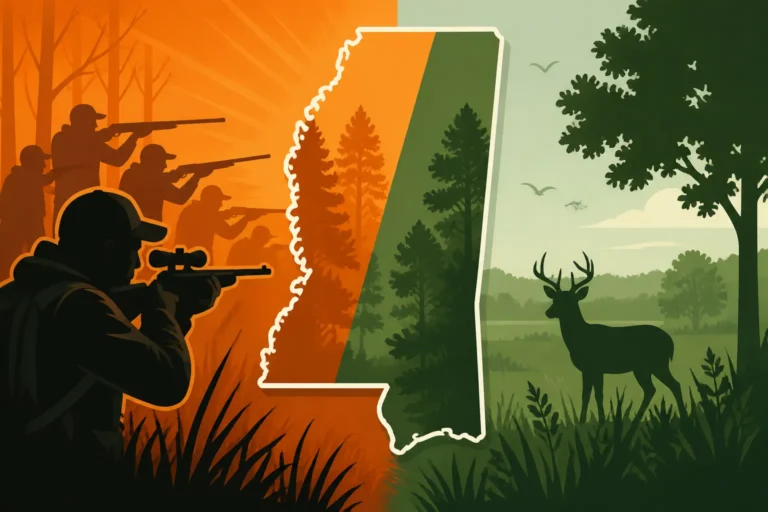
When you look at the rule book, Mississippi's annual bag limit for wild turkeys is set at three adult gobblers per hunter for the entire spring season. This isn't a per-county limit or a split between early and late season; it's a firm, statewide maximum. So, if you manage to tag a bird in the Delta and another in the Piney Woods, you still only have one more tag remaining for the rest of the season. This firm limit often requires hunters to be more discerning with their shots, leading to a more thoughtful approach than in states with higher limits.
It’s also important to understand what constitutes an "adult gobbler" in Mississippi. The legal definition is any turkey with a visible beard. This means that a jake, which is a young male turkey with a shorter beard, counts toward your three-bird limit just as much as a mature longbeard with impressive spurs. There’s no separate classification or tag for jakes. This can sometimes lead to tough choices in the field, especially for those hoping to harvest only mature birds, requiring quick judgment when a jake struts into range.
On a more encouraging note, Mississippi does offer specific provisions for younger hunters. The Mississippi Youth Turkey Bag Limit Rules also allow for three gobblers, but often come with an earlier start date for youth hunting opportunities. This early access can be a fantastic way to introduce new hunters to the sport with less competition and potentially less pressured birds. For families with both adult and youth hunters, careful coordination and clear communication about who can harvest what, and when, become essential to stay within legal bounds.
The Rationale Behind the Regulations
You might wonder why these specific limits are in place. The Mississippi Department of Wildlife, Fisheries, and Parks (MDWFP) bases these decisions on extensive research and monitoring of the state's wild turkey populations. It's not arbitrary; it's a science-backed effort to ensure the health and longevity of the species for future generations of hunters. They're constantly evaluating factors like reproductive success, survival rates, and overall population trends.
Historical data, such as Mississippi Turkey Population Trends, shows periods where turkey numbers have fluctuated. By implementing harvest limits, the MDWFP aims to maintain a healthy gobbler-to-hen ratio, which is crucial for successful breeding seasons. Over-harvesting gobblers in certain areas could potentially lead to fewer breeding opportunities, impacting poult production in subsequent years. The regulations act as a safeguard, trying to strike a balance between providing recreational hunting opportunities and ensuring the long-term viability of the turkey population.
Beyond population dynamics, habitat plays a significant role. Mississippi's diverse landscapes, from dense bottomland hardwoods to expansive pine plantations, offer varying levels of support for turkeys. Changes in land management, agricultural practices, and natural events can all impact local turkey numbers. The three-bird limit serves as a statewide guideline, designed to be conservative enough to protect vulnerable populations while still allowing a reasonable harvest in more robust areas. It's a testament to adaptive management, aiming to respond to the changing ecological landscape of our state.
How the Limit Impacts Hunter Strategy
Having a three-bird limit fundamentally alters a hunter's strategy. It transforms each potential harvest into a significant decision, moving beyond simply filling a tag to making a thoughtful choice. This often leads to increased selectivity among hunters, especially earlier in the season. Many will pass on a jake, hoping for a more mature longbeard that represents a greater challenge and a more prized trophy, knowing they only have three chances total. This mental game of patience and preference is a huge part of hunting under a strict limit.
This heightened selectivity means that hunters often manage their tags carefully throughout the season. You might save your last tag for a particularly promising piece of property or for the very end of the season when time is running out. Planning becomes paramount. Many hunters use advanced tools like GoHunt to track their sightings, map out turkey activity, and scout new areas with detailed satellite imagery. This level of preparation is invaluable when every tag counts, allowing you to prioritize the most productive spots and times.
Furthermore, the limit encourages hunters to spread out their efforts. Instead of trying to fill all three tags in one frenzied opening weekend, many will disperse their hunts across different weeks or even different regions of the state if they have the flexibility. This not only increases the odds of encountering less pressured birds but also allows for a more immersive and less rushed hunting experience. The careful management of your tags, combined with diligent scouting and tactical adjustments, becomes the true path to making the most of your Mississippi turkey season.
Strategic Planning for Success
When you have a limited number of tags, haphazard hunting won't cut it. Strategic planning, from pre-season scouting to in-the-moment decision-making, becomes the cornerstone of a successful turkey season.
Scouting and Location Selection
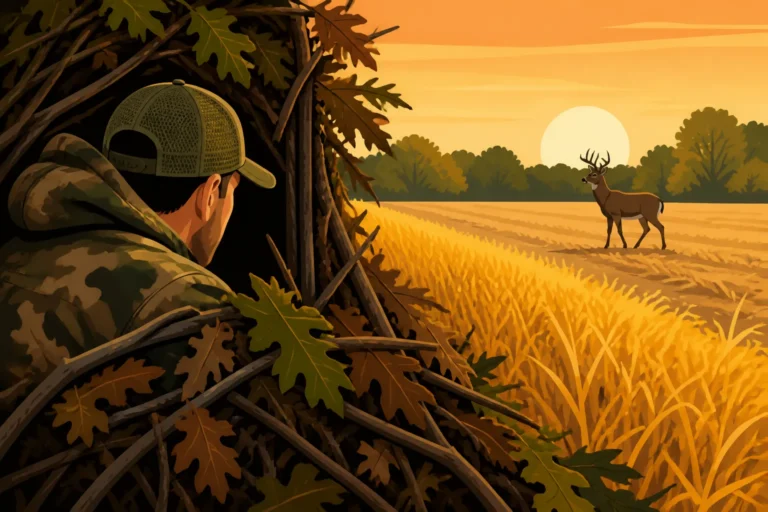
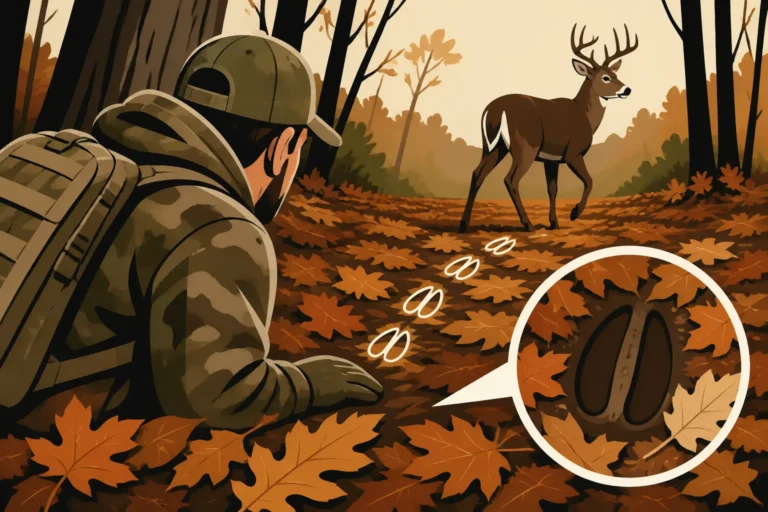
Effective scouting is the absolute foundation of successful turkey hunting, and it’s amplified in importance when you’re constrained by a three-bird limit. Long before the season officially kicks off, you should be in the woods, looking for tell-tale signs: tracks, droppings, scratch marks in the leaves, and dusting areas. Pinpointing potential roost sites – usually large, mature trees near water sources – and strutting zones, which are often open fields, logging roads, or ridge tops, gives you a massive advantage. The more you understand the specific movement patterns of turkeys in your chosen area, the better equipped you'll be. Tools like GoHunt are fantastic for marking these findings as waypoints, building a comprehensive map of turkey activity that you can refer to year after year.
When it comes to selecting your hunting location, consider the type of land and its history. Public lands, such as the sprawling Delta National Forest or smaller Wildlife Management Areas, offer vast opportunities but also tend to attract more hunters. Private land, if you’re fortunate enough to have access, often provides a quieter experience with less pressured birds. Regardless of public or private, delve into the habitat details. Are there recent timber clear-cuts, agricultural fields, or natural funnels created by terrain features? These elements dictate where turkeys will feed, roost, and travel. Remember, a highly productive spot early in the season might be worth revisiting later, but don’t burn it out too quickly if you have other options.
Listening is another critical aspect of pre-season scouting. Take some quiet mornings to simply drive to your potential spots and listen for gobbling. Knowing where a bird is likely to pitch down from its roost just before dawn allows you to set up strategically. Concentrate your efforts on areas where you consistently find or hear birds, but remain flexible. Turkeys are wild animals, and their patterns can shift. Being adaptable and ready to change your plans if a hot spot cools down is essential. For more detailed insights, you might find valuable information in guides like Scouting Mississippi Public Land Before Season.
Timing Your Hunts for Peak Activity
With only three tags, timing your hunts to coincide with peak turkey activity can dramatically increase your odds. While many hunters are eager to hit the woods on the Mississippi Statewide Turkey Opener in March, it’s worth noting that the earliest days might catch unpressured birds, but the breeding season, or "rut," often peaks later in April. This mid-to-late season window is when gobblers are most driven by breeding instincts and tend to be more responsive to calls, making it an excellent time to use one of your precious tags.
If your schedule permits, hunting during weekdays can provide a distinct advantage, especially on public lands, which are typically less crowded than on weekends. Fewer hunters mean less pressure on the birds, which can translate to more natural behavior and increased responsiveness. Don’t dismiss afternoon hunts either. While morning gobbling is iconic, turkeys often become active again in the late afternoon as they feed and move towards their roosting sites. A patient, late-day sit near a known food source or roosting area can often result in success, particularly if you’re hoping to Calling a Mississippi Gobbler Off the Roost.
Weather patterns are another crucial consideration. A sudden cold front can sometimes shut down gobbling activity, while a warming trend after a period of inclement weather can really get birds fired up. Keep a close eye on forecasts and try to align your hunts with favorable conditions. Overcast, drizzly days can be tough, but immediately after a rain shower, especially when the sun breaks through, turkeys often become very vocal and active. Understanding and leveraging these nuances, as discussed in guides like Hunting the Late-March Turkey Opener, can be a game-changer.
Adapting Tactics for Pressured Birds
As the season progresses, especially if you’re hunting public land or areas that see a lot of activity, the gobblers you’re pursuing will likely have heard every call and dodged several hunters. This is when a thoughtful adaptation of your tactics becomes absolutely critical. The aggressive, loud calling that might have worked on opening day can quickly become a deterrent to wary birds. Instead, consider a more subtle approach: soft yelps, gentle clucks, and purrs, mimicking a contented hen, are often far more effective at luring in a call-shy longbeard.
Another highly effective tactic for pressured birds is to move further away from easily accessible roads and parking areas. The vast majority of hunters will not venture too far off the beaten path, meaning the deeper woods often hold less disturbed, more callable turkeys. This might mean an extra mile or two of walking, but the reward of finding an unpressured bird is often well worth the effort. Some hunters find success with a Run-and-Gun Turkey Tactics on Public Land approach, covering extensive ground, listening intently for soft shock gobbles, and making quick setups.
Your decoy strategy should also evolve throughout the season. Early on, a full-strut tom decoy might aggressively draw in territorial gobblers. However, later in the season, a single hen or jake decoy might appear less threatening and prove more effective at enticing a wary longbeard. Always position your decoys where approaching gobblers will have a clear line of sight, and try to set them up so the bird finishes in your optimal shooting lane. And don't underestimate the power of a silent approach; sometimes, slipping into a known feeding or strutting area before first light, without making a single call, can put you right in front of a bird that feels completely safe.
Maximizing Your Opportunities and Meat
With such a strict three-bird limit, ensuring you make the most of each and every opportunity in the field is paramount. This isn't just about the excitement of the chase; it's also about the ethical harvest of an animal and the satisfaction of bringing home delicious wild game.
Prioritizing Your Targets
When you have a three-bird limit staring you down, the discussion around "trophy hunting" versus "meat hunting" takes on a much deeper meaning. Many hunters dream of tagging a big, mature, long-spurred gobbler with a thick beard. With only three tags available, holding out for such a bird becomes a common and understandable strategy. If you hastily fill your first tag with a jake on opening day, you’ve effectively used one-third of your entire season’s potential. This often compels hunters to pass on smaller, less mature birds early in the season, especially if they believe there are better prospects for larger longbeards ahead.
However, circumstances in the woods are always changing. Perhaps you're nearing the very end of the Mississippi Spring Turkey Season Rules, and you still have an unfilled tag. At that point, a legal jake might suddenly look a lot more appealing than continuing to pursue a ghost. This is where personal preference and a pre-determined hunting plan come into play. Some hunters might decide their first bird can be any legal gobbler, their second must be a longbeard, and their third reverts to any legal gobbler if time is running out. This kind of flexible strategy allows for both opportunistic hunting and selective harvesting.
Beyond the size of the bird, prioritizing your target also means ensuring you take an ethical shot within your comfortable and effective range. A wounded bird that gets away is not only a loss for the hunter but also an unfortunate outcome for the animal, essentially wasting one of your precious tags. Regularly practice with your shotgun or bow, understand your personal limitations, and ensure that when you decide to pull the trigger or release an arrow, you are completely confident in your ability to make a clean, humane kill. The satisfaction of harvesting a bird you truly earned, regardless of its size, is one of the most rewarding aspects of the sport.
The Art of the Follow-Up Hunt
Despite your best efforts, sometimes a gobbler will slip away, or an opportunity will be missed. This is precisely where the "art of the follow-up hunt" becomes invaluable, especially when you are working with a limited number of tags. Don’t immediately abandon an area where you’ve heard or seen birds, even if you suspect they’ve been spooked. Turkeys, especially gobblers, can be creatures of habit and often return to the same strutting zones or roosting areas within a day or two.
If you believe you’ve spooked a bird, it’s often best to give the area some time to settle down – a few hours, or even a full day. Then, return with a fresh approach. This might mean coming from a different direction, utilizing a different set of calls, or even trying a completely silent, ambush-style setup. If you successfully located a bird on a particular ridge or deep in a bottomland swamp, there’s a strong likelihood it will eventually be back. GoHunt’s detailed mapping features are excellent for marking precisely where you encountered birds and their last known direction of travel, which can be critical for planning your next move. Persistence, combined with strategic adjustments, can often turn what seemed like a lost cause into a successful follow-up.
This principle of follow-up hunting also applies when you've already filled one or two of your tags. Don’t make the mistake of abandoning good hunting ground just because you’ve had success there. Turkeys often travel in small bachelor groups, especially earlier in the season, and you might have only harvested one of several gobblers present. The remaining birds could still be in the vicinity, offering another opportunity. Continue to scout, listen, and remain patient. The woods are a dynamic environment, and what worked (or didn't work) yesterday could be completely different today. Leveraging your knowledge of the terrain and turkey behavior can help you Hunting the Extended Final Weekend effectively.
Ethical Considerations and Conservation
Beyond the direct act of filling your tags, making the most of your three-bird limit inherently ties into broader ethical considerations and a deep commitment to conservation. Every hunter bears a significant responsibility to respect the wildlife they pursue and to meticulously adhere to all established regulations. This includes understanding and following state laws, such as the mandatory Mississippi Turkey Checking Requirements after a harvest, and recognizing the crucial role of the new Wild Turkey Stamp Cost in Mississippi, which directly funnels funds into vital turkey conservation and habitat improvement efforts across the state.
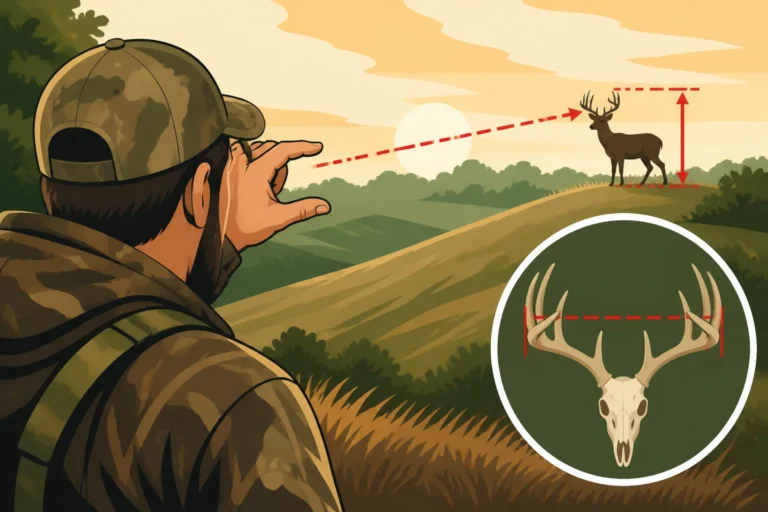
Ethical hunting also means making every conceivable effort to recover any bird you shoot. Before you even contemplate pulling the trigger, take a moment to mentally select a distinct landmark directly beyond the bird. This mental marker will be invaluable for triangulating its last known position if it flies or runs after the shot. After you shoot, especially if the bird doesn’t drop immediately, exercise patience. Waiting a few quiet minutes can significantly increase your chances of finding a downed bird, preventing it from becoming a lost opportunity and an ethical concern. If it runs, initiate a quick, thorough, and methodical follow-up. Losing a bird is incredibly disheartening, particularly when you only have a limited number of tags for the entire season.
Ultimately, conservation is a shared responsibility among all hunters. By diligently adhering to bag limits, accurately reporting all harvests, and actively supporting organizations dedicated to habitat preservation and enhancement, hunters play an indispensable role in safeguarding the future of wild turkeys. This mindful and responsible approach ensures that "making the most" of your three-bird limit isn't solely about individual hunting success, but also about contributing positively to the health and vitality of the magnificent resource that we all deeply cherish.
| Scenario | Strategy Under Three-Bird Limit | Considerations |
|---|---|---|
| Early Season, Many Gobbles | Be selective, prioritize mature longbeards. Pass on jakes if high-quality opportunities are expected. | Avoid over-pressuring your best spots. Save your most effective calls for critical moments. Utilize Hunting the Late-March Turkey Opener tactics. |
| Mid-Season, Fewer Gobbles | Adapt to more subtle calling techniques. Increase your scouting efforts for new areas or revisit less-pressured, proven spots. | Consider adjusting your hunt times (e.g., trying afternoon hunts). Use GoHunt to identify overlooked areas with fresh sign. |
| Late Season, One Tag Left | Prioritize harvesting any legal gobbler. Focus on high-percentage setups near roosts or prime feeding areas. | Don't hesitate to take a jake if it presents the only viable opportunity. Maintain patience and persistence until the very end of the Hunting the Extended Final Weekend. |
| Youth Hunter with Adult | Leverage early youth hunt weekends for unique access. Focus on ethical shot placement, safety, and the overall enjoyment of the experience. | Ensure the youth hunter understands their specific bag limit. Emphasize mentorship and safe hunting practices, as detailed in Mississippi Apprentice Hunter License Rules. |
Beyond the Three Birds
Even if you've successfully filled your three tags, or if the season concludes and you still have tags left, your engagement with Mississippi's turkey hunting community and the outdoors doesn't have to cease. There are always valuable ways to contribute to conservation, prepare for future seasons, and share your passion.
Mentoring New Hunters Under the Limit
One of the most profoundly rewarding aspects of hunting, especially for seasoned veterans, is the opportunity to pass on that passion and knowledge to a new generation. The three-bird limit, surprisingly, can serve as an excellent teaching tool in this regard. When you take on the role of mentoring a new hunter, particularly a youth, the primary focus naturally shifts away from simply filling tags. Instead, it centers on imparting a comprehensive understanding of the entire hunting process: from pre-season scouting and effective calling techniques to the critical virtues of patience, the nuances of woodsmanship, and ethical decision-making in the field. Since youth hunters often have their own separate and typically more generous bag limits, you can prioritize their experience without impacting your own adult tags.
Taking a new hunter into the spring woods, whether it's your child, a grandchild, a close friend, or someone new to the sport, provides an invaluable chance to share knowledge and instill a deep respect for nature. You can teach them the subtle differences between a hen's cluck and a gobbler's yelp, demonstrate the art of setting up silently, or explain how to interpret a turkey's body language. It's an unparalleled opportunity to educate them about the Wild Turkeys in Mississippi and underscore the paramount importance of conservation, thereby fostering a foundational love and appreciation for the natural world. Even if they don't harvest a bird, the sheer experience of being immersed in the spring woods, hearing a thunderous gobble echo through the timber, will create indelible memories that last a lifetime.
Furthermore, active mentoring plays a direct and vital role in the future sustainability of hunting. In an era where overall participation in hunting is facing challenges, introducing new individuals to the sport is absolutely crucial for its continuation. It guarantees that the rich traditions, practical knowledge, and unwavering conservation ethic are successfully passed down from one generation to the next. So, whether you've tagged out early in the season or are patiently awaiting that final elusive longbeard, strongly consider dedicating some of your time to bringing a new hunter along. It's not just an investment in the next generation; it's an investment in the future of hunting itself, and the shared memories you create will be truly priceless.
Scouting for Next Season
The end of the current turkey season is by no means an excuse to simply pack away your boots, calls, and gear until the following spring. Astute and dedicated turkey hunters understand that the off-season provides a prime window for crucial scouting that directly benefits future seasons. While it becomes significantly harder to spot sign and observe turkey movement once the leaves fully come in and the undergrowth thickens, the period immediately following the season, and even into the summer and fall, offers invaluable opportunities to learn. Take the time to walk the properties you hunt, meticulously searching for areas where gobblers were highly active, identifying frequently used roost trees, and pinpointing key travel corridors. These patterns, once established, often repeat themselves reliably year after year.
Pay close attention to any changes in habitat during your off-season excursions. Have there been any new timber cuts or thinning operations? Has a new food plot been planted or expanded? Such alterations in the landscape can profoundly impact turkey movement and density. Leverage advanced tools like GoHunt to update your existing maps with these new observations or to mark potential new hunting areas. You can re-verify historical roosting sites and search for fresh droppings or shed feathers that confirm continued turkey presence and use. This kind of diligent, off-season groundwork helps you construct a highly detailed and evolving picture of your hunting grounds, providing you with a substantial advantage when the next spring season finally arrives.
Additionally, take time for a thorough post-season reflection. Honestly evaluate what tactics worked well during the past season and, perhaps more importantly, what didn't. Did you consistently hear birds but struggle to get them to commit to your calls? Was there a particular area that reliably held turkeys but proved challenging to access or hunt effectively? Use these insights and observations to refine and adapt your strategy for the upcoming year. By committing to this level of dedicated, off-season scouting and analytical reflection, you're not merely maximizing your three-bird limit in the present season; you are proactively and strategically setting yourself up for sustained success in many turkey seasons to come, ensuring you're always well-prepared to outwit those elusive Mississippi longbeards.
Disclaimer
The information provided in this guide is for general informational purposes only and does not constitute legal advice. Hunting regulations in Mississippi can change frequently. Always consult the official Mississippi Department of Wildlife, Fisheries, and Parks (MDWFP) regulations guide or visit their official website for the most current and accurate information before engaging in any hunting activities. Adherence to all state and federal hunting laws and regulations is the sole responsibility of the individual hunter.