Hunting Standing Cover Left After Harvest
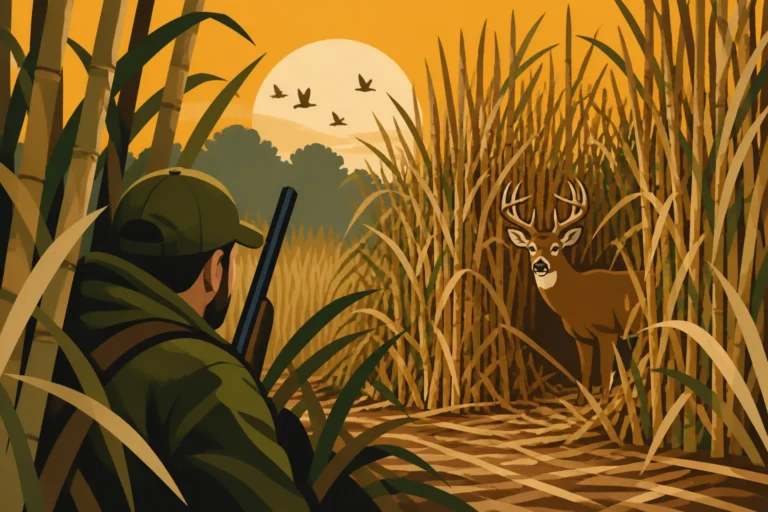
After the combines roll through and the fields are stripped bare, many Mississippi deer hunters feel a familiar sense of frustration. It seems like the deer just vanish, taking their daytime movements and predictable patterns with them. The truth is, they haven't disappeared; they've simply shifted their focus to the remaining patches of dense, standing cover that offer both sanctuary and often, overlooked food sources. This guide will walk you through how to pinpoint these crucial late-season hideouts and implement effective tactics to find success when the landscape looks barren.
Understanding Deer Movement After Harvest
When those huge machines start roaring and cutting down vast expanses of crops, it’s a seismic event for deer. Their world, which might have been a comfortable, food-rich, and secure haven for months, suddenly changes overnight. It’s no wonder they seem to disappear; they're simply adapting to a drastically altered environment. Understanding this shift is the first step toward figuring out where they've gone and how to hunt them.
The Immediate Impact of Crop Removal
Imagine living in a house that suddenly loses its roof and all its walls. That’s pretty much what happens to deer when a cornfield or a thick soybean patch is harvested. The immediate impact is a massive loss of thermal cover, visual security, and often, a primary food source. Deer that once bedded right in the middle of a standing cornfield, feeling completely safe and hidden, are now exposed. This immediate vulnerability drives them to seek out the densest, most secluded cover they can find. This could be a brushy fencerow, a thicket, a dense pine plantation, or, crucially, any remaining patches of unharvested crops. They're looking for quick relief from the sudden exposure, and they’ll often move to the closest available option that offers a sense of safety.
This isn't just about big timber blocks either. Sometimes, it’s the overlooked, neglected corners of a property, the tangled messes along creek bottoms, or even just a small, odd-shaped patch of soybeans that didn't get cut because it was too wet or inconvenient for the machinery. These are the places deer will gravitate to almost instantly. The first few days after a major harvest, deer are in full scramble mode, trying to re-establish their security routines. This can sometimes create fleeting opportunities as they move in broad daylight, desperate to find new sanctuaries before the hunting pressure really ramps up.
Shifting Food Sources and Security Needs
Once the immediate shock wears off, deer settle into their new routines, and their priorities shift slightly. Security remains paramount, but food is also a driving factor, especially as the colder months approach. While the main crop might be gone, there are always gleanings left behind. In a cornfield, shattered ears and loose kernels on the ground can provide an energy-rich feast. In soybeans, pods that missed the combine can offer valuable protein. Even in cotton fields, which might not seem like a food source, deer will browse on the residual plant matter, particularly if other browse is scarce. This is why understanding Late-Season Food Sources for Mississippi Whitetails is so important.
The remaining standing cover isn’t just for hiding; it often is the food source, or at least provides a protected travel corridor to it. A strip of standing beans along a wood line, for example, offers both food and a quick escape route into the timber. Deer will often bed very close to their food source in these situations, minimizing their exposure. This behavior is amplified in areas with high hunting pressure. They become almost entirely nocturnal in open country, only venturing out into harvested fields under the cover of darkness. The goal for us hunters then becomes finding where they spend their daylight hours – which is almost always in the thickest, most secluded standing cover available.
Pressure and Nocturnal Behavior
Let's be honest, hunting pressure in Mississippi, especially on public lands or smaller private tracts, can be intense. When the landscape opens up after harvest, every hunter with a gun is looking at those same limited cover spots. This increased human activity pushes deer even harder into dense cover, making them increasingly nocturnal. It’s a classic cat-and-mouse game, and the deer are masters of avoiding detection.
When deer feel pressured, their primary instinct is survival. This means moving less during daylight, sticking to the densest cover, and utilizing every bit of concealment the landscape offers. Those overlooked patches of standing crops, thickets, or briar patches become fortresses. They might only move a few hundred yards from their bedding area to a feeding area within this cover, or wait until the absolute last minutes of shooting light to step out. This is where a hunter's patience and ability to adapt become critical. You can’t hunt them the same way you did when they were relaxed in a vast cornfield. You have to get into their bedroom, or at least very close to it, and that means entering dense, challenging terrain that other hunters might shy away from. Hunting the edges of these cover patches, especially where they funnel into thicker woods, can be extremely productive. Consider the strategies for Hunting Pressure on Mississippi Public Land to really dial in your approach.
Locating and Interpreting Standing Cover
Finding those elusive pockets of standing cover after the harvest often feels like looking for a needle in a haystack, especially if you're not familiar with the property or if it's a vast agricultural landscape. But with the right tools and a keen eye, you can pinpoint these crucial deer havens and significantly increase your chances of success. It's all about being observant and leveraging modern technology.
Identifying Different Types of Residual Crops
Standing cover isn't just one thing; it comes in many forms, and understanding the nuances of each can help you anticipate deer behavior.
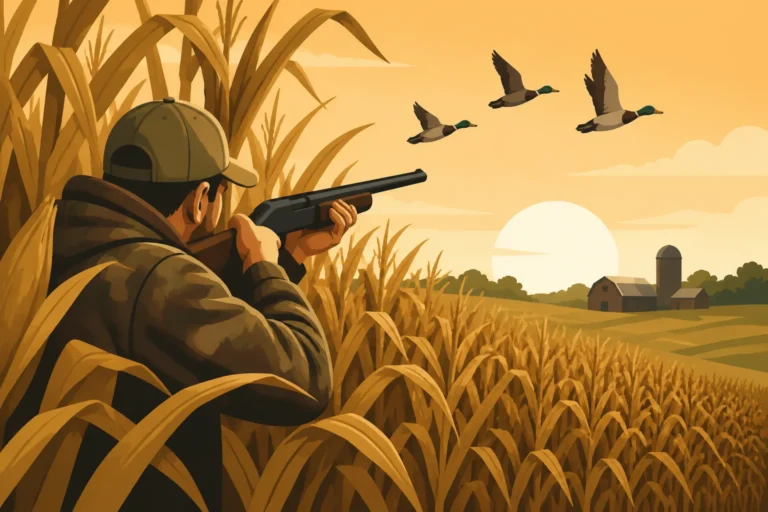
- Standing Corn: This is the gold standard for late-season cover. Even after harvest, stalks can remain upright for a long time, providing incredible visual and thermal cover. Deer will bed deeply within these patches. Plus, there's often plenty of waste grain on the ground, making it a combined food and cover source. A small, odd-shaped patch of corn, or one with a low spot that was too wet to cut, can hold an incredible number of deer. Learning to hunt a Hunting a Standing Cornfield in Farm Country is a skill every Mississippi hunter should develop.
- Standing Soybeans: While not as tall or dense as corn, standing soybeans, especially the varieties that hold their leaves longer or those that are left unharvested, offer good concealment. Deer will readily browse on the remaining pods and stems. Often, you’ll find strips of beans left along ditches, tree lines, or in fields where the combine couldn't easily navigate. These can be prime spots for Entry Routes Through Standing Soybeans.
- Standing Cotton: This might seem counterintuitive, as cotton isn't typically thought of as deer food. However, in regions like the Delta, where cotton is prevalent, unharvested patches (often due to machinery issues or wet ground) can still provide significant visual cover. Deer will bed in it, and if browse is scarce, they might even nip at the residual plants. Hunting Standing Cotton for Late Deer requires a slightly different approach, as the primary draw is cover, not food.
- Brushy Fencerows, Ditches, and Thickets: These aren't crops, but they often adjoin agricultural fields and become critical security cover once fields are cut. A dense briar patch or a fencerow choked with saplings and vines provides incredible cover and becomes a preferred bedding area. Deer will often travel along these linear features, using them as highways from one block of cover to another, or from bedding to a residual food source. Pay close attention to these transitional zones.
Leveraging Mapping Tools for Scouting
In today's hunting world, mapping apps are indispensable, especially when trying to locate specific features like standing cover. Services like GoHunt (and others like onX Hunt or Basemaps) offer powerful tools that can save you countless hours of boots-on-the-ground scouting.
Start by pulling up satellite imagery of your hunting area. Look for fields that are typically planted with corn, soybeans, or cotton. Then, use the historical imagery feature (if available on your chosen app) to see what those fields looked like after harvest in previous years. This can reveal patterns: maybe a farmer always leaves a certain corner unharvested, or there’s a consistent wet spot. As harvest approaches, keep an eye on fresh satellite imagery updates. You can often see the distinct lines where combines have passed, and any unharvested sections will stick out like a sore thumb.
Don't just look for large patches. Zoom in and meticulously scan for linear strips along drainages, fencerows, or field edges. Look for areas where the crops change abruptly, perhaps around an old homestead or an isolated clump of trees in the middle of a field. Plot these potential spots as waypoints. GoHunt, for example, allows you to drop pins and mark specific cover types, helping you build a comprehensive map of potential deer hideouts. This aerial reconnaissance is a huge part of Scouting Mississippi Public Land Before Season and certainly after harvest. Remember to utilize the terrain features as well; deer love to bed on the lee side of a ridge if available, or in a hidden depression within a field. Reading Aerial Photos for Hills Unit Deer gives a good overview of how to maximize mapping tools.
Ground-Truthing Potential Coverts
While mapping tools are fantastic for narrowing down possibilities, nothing beats putting boots on the ground to confirm your suspicions and find fresh sign. Once you've identified potential standing cover areas on your map, plan a scouting trip. This is where you confirm if those patches are indeed unharvested, assess their density, and look for actual deer sign.
During your scouting, focus on the edges of these cover patches. Look for tracks entering and exiting, fresh droppings, rubs, and scrapes. Pay particular attention to trails leading from the cover into adjacent timber or other food sources. If the cover is thick enough, you might even find bedding areas within it. Remember, deer will try to minimize their exposure, so entry and exit points will often be subtle. Look for places where the cover naturally funnels deer movement. This could be a narrow section of a cornfield, a pinch point between a slough and a thicket, or a subtle dip in the terrain. Don't be afraid to walk a little into the cover to assess its true thickness, but be mindful not to blow out any deer that might already be using it, especially close to hunting season. Your goal is to find fresh sign that confirms deer are actively using the patch, and to identify the best approach and stand locations.
Effective Hunting Strategies for Standing Cover
Hunting deer in standing cover after the harvest is a totally different ballgame than sitting over a food plot in early season. It requires a more tactical approach, an understanding of how deer use these secluded spots, and often, a willingness to get a little uncomfortable. But for those who put in the effort, it can yield incredible results, particularly for mature bucks that have become masters of evasion.
Strategic Access and Entry Routes
The absolute most critical aspect of hunting standing cover is how you get in and out. Deer in these areas are highly sensitive to pressure, so a careless approach will ruin your hunt before it even begins. Your entry and exit routes must be as stealthy and unobtrusive as possible.
- Use Natural Features: Whenever possible, use existing ditches, creek beds, fencerows, or even the shadows cast by wood lines to conceal your approach. If you’re hunting a standing cornfield adjacent to timber, try to walk along the edge of the timber, just inside the tree line, to reduce your silhouette.
- Wind is King: Always, always, always play the wind. This is non-negotiable. Deer rely heavily on their sense of smell for security, especially in dense cover where visibility is limited. A swirling or unfavorable wind will immediately alert any deer in the area to your presence. Consult weather apps closely and be prepared to change your plan if the wind shifts. Understanding Wind and Thermals in Delta Bottomland can significantly aid your strategic planning.
- Time Your Approach: In morning hunts, aim to be on stand well before first light. This allows you to slip in under the cover of darkness while deer are likely still feeding out in the fields or moving back to their bedding areas within the cover. For evening hunts, approach well before deer are likely to move, again using the cover of shadows. This minimizes your chances of spooking deer on your way in.
- Accessing Small Private Tracts: For those Hunting Small Private Tracts in Mississippi, access can be tricky due to limited space. You might need to coordinate with landowners for specific entry points that avoid residential areas or livestock. Sometimes, the most subtle path involves walking along a property boundary that isn't actively hunted.
Stand Placement and Wind Considerations
Once you've figured out your access, the next big hurdle is stand placement. In dense standing cover, your options might be limited, but strategic positioning is key.
- Look for Funnels and Pinch Points: Deer often use the path of least resistance. Look for natural funnels within the standing cover, or pinch points where the cover narrows or is forced to bypass an obstacle. These are prime ambush locations. A narrow strip of standing corn between two cut fields, or where a thicket meets a standing crop, can be deadly.
- Edge of Cover: Often, the best bet is to set up on the edge of the standing cover, looking into it, or on the downwind side of a known travel corridor leading into it. This allows you to spot deer as they move within the patch or as they stage before entering or exiting. If you’re hunting a timber line adjoining a standing crop, set your stand slightly inside the timber, looking out.
- Ground Blinds: Don’t underestimate the power of a well-brushed-in ground blind, especially in areas where tall trees for treestands are scarce, or if you need to be highly mobile. A ground blind can offer excellent concealment directly within or on the edge of standing crops. Learn more about Using a Ground Blind on Mississippi Public Land for optimal setups.
- Elevated Stands on Poles: On some private land, landowners might place elevated box blinds or tower stands on poles specifically for hunting standing crops. These offer a superior vantage point. If you have this option, use it wisely, ensuring your approach remains concealed.
- Playing the Swirling Winds: In areas like the Delta bottomlands, winds can swirl unpredictably, especially on cold mornings. Be prepared to adjust. Sometimes, sitting slightly back from the edge of the cover, where your scent might dissipate more, is better than being right on top of a deer's bedding area.
Still-Hunting and Driving Smaller Patches
Sometimes, sitting still isn't enough, especially if you're targeting a specific deer or if the patches of standing cover are relatively small and isolated. This is where still-hunting or carefully executed drives come into play.
- Still-Hunting the Edges: For the solo hunter, still-hunting the downwind edges of a standing crop can be incredibly effective. Move slowly, taking one or two steps, then pausing for several minutes to scan for movement. Use binoculars to pick apart the cover. The goal is to move so slowly and deliberately that you catch deer moving within the patch before they see or hear you. Focus on looking for horizontal lines (a deer's back) in a world of vertical stalks, or subtle flickers of ears. This requires immense patience and sharp senses.
- Small Drives: If you have one or two hunting partners, a small, quiet drive can be highly productive on smaller patches of standing cover. One or two hunters act as "pushers," moving slowly and methodically through the cover, while another hunter or two positions themselves as "blockers" or "watchers" on the downwind side, covering escape routes. Communication is paramount to ensure safety and effective execution. This is a common tactic for Deer Drives With Three or Four Hunters, and it needs to be practiced to be safe and successful.
- Pushing with Purpose: The pushers shouldn't go in making a huge racket. The goal is to gently nudge deer out, not to send them rocketing across the landscape. Often, a slow, deliberate walk, pausing frequently, will cause deer to sneak out rather than crash out, offering better shot opportunities for the standers.
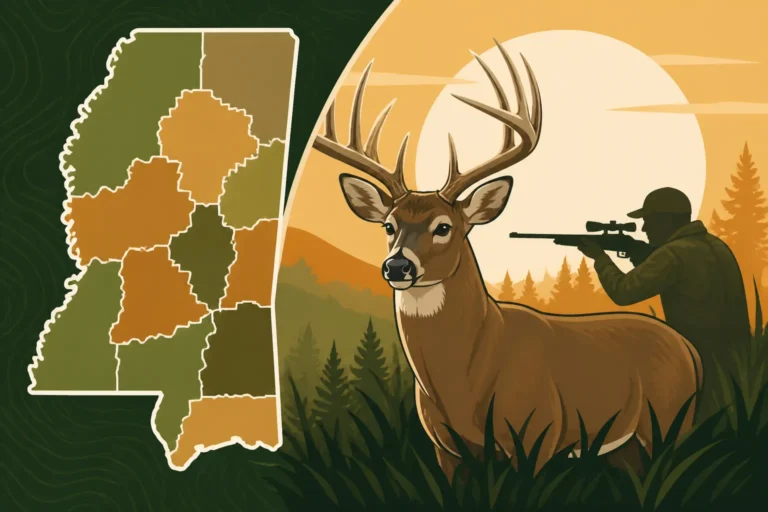
- Safety First: When conducting any form of drive, safety is the absolute priority. Clearly communicate everyone's position, shooting lanes, and boundaries. Ensure all participants wear blaze orange, especially in gun season. Know the rules for Mississippi's Four Deer Management Units, as some units may have specific regulations for group hunting.
Essential Gear and Considerations for Success
Hunting standing cover requires a bit of forethought regarding your gear. The environment can be dense, challenging, and often muddy or wet. Having the right equipment and anticipating the unique challenges of these hunts can make a huge difference in your comfort, safety, and ultimately, your success.
Apparel and Visibility for Close-Quarters Hunting
Hunting in thick, standing cover means reduced visibility for both you and the deer. Your clothing choices become even more critical for both stealth and safety.
- Quiet Outerwear: Forget anything that rustles or snags easily. You need quiet, durable outerwear that won't give you away as you brush past corn stalks or thorny briars. Softshell fabrics or fleece are excellent choices for reducing noise. In Mississippi, even late in the season, temperatures can fluctuate wildly, so layering is always a good idea. Consider moisture-wicking base layers, an insulating mid-layer, and a quiet, waterproof outer shell for those damp mornings.
- Blaze Orange (Gun Season): If you're hunting during Mississippi's gun season, wearing the required amount of blaze orange is non-negotiable. Even in thick cover, where you might feel "hidden," blaze orange ensures other hunters can see you, especially if you’re still-hunting or participating in a drive. It's about safety first. Ensure your vest or hat is truly visible from all angles.
- Face Mask/Headnet: In such close quarters, a full face mask or headnet can be incredibly effective. Not only does it help break up the outline of your face, but it also helps contain scent, especially if you're moving. Deer will often pick up on the slightest movement or contrast, and a bare face stands out.
- Durable Boots: You'll be walking through uneven terrain, likely with mud, crop stubble, and possibly water. Invest in comfortable, waterproof boots with good ankle support. Rubber boots are often preferred, as they are scent-proof and excel in wet, muddy conditions common in agricultural areas.
Tracking and Recovery Challenges
One of the biggest frustrations and challenges of hunting in standing cover is the recovery of a downed animal. Deer can vanish into dense vegetation with surprising speed, making blood trailing a nightmare.
- Shot Placement is Paramount: More than ever, make sure you take only ethical, high-percentage shots. Aim for a perfect double-lung or heart shot to ensure a quick, clean kill. A deer that runs even a short distance after a poor shot can be incredibly difficult to find in a thick patch of corn or briars.
- Mark the Spot: When you shoot, instinctively mark the exact spot where the deer was standing when you shot, and where you last saw it run into the cover. Pick out a specific tree, a fence post, or a unique clump of vegetation. Dropping a marker (like a hat or a bright piece of flagging tape) at your shooting position can help you walk a straight line to the impact site.
- Give It Time: Unless you're absolutely certain of a heart or double-lung shot and saw the deer go down, give it time. For marginal shots, wait at least a few hours, or even overnight if conditions allow. A wounded deer will often bed down nearby, but if pushed, it will run for miles.
- Blood Trailing Tools: Bring a good flashlight or headlamp (even during the day, for peering into dark shadows), and consider a blood-trailing light specifically designed to make blood stand out. Work slowly and meticulously, looking for specks of blood on stalks, leaves, and the ground. Don’t just look at the ground; blood often sprays higher up on vegetation. Reference Blood Trailing After Dark in Mississippi for expert tips.
- Recruit Help: Don’t be afraid to call in friends or family to help with a difficult blood trail. More eyes are always better. In extreme cases, consider using a tracking dog if legal and available in your area.
Staying Safe in High-Pressure Areas
Hunting dense cover, especially on public land or smaller private tracts near other hunters, inherently comes with increased safety considerations.
- Communicate Clearly: If you’re hunting with a group, establish clear communication protocols. Use radios if cell service is spotty. Know each other’s locations at all times.
- Be Aware of Your Surroundings: Even if you're hunting solo, assume there are other hunters in the vicinity, especially during peak season. Constantly scan your surroundings, not just for deer, but for other people. Never shoot at sound or movement alone; always positively identify your target and what's beyond it.
- Tree Stand Safety: If using a treestand, always use a safety harness, from the moment your feet leave the ground until they are back on solid earth. This is non-negotiable. Inspect your stand and straps before each use.
- Firearm Safety: Always keep your muzzle pointed in a safe direction. Keep your finger off the trigger until you are ready to shoot. Know your target and what's beyond it. Be extra cautious when navigating dense cover with a loaded firearm.
- Weather Preparedness: Mississippi weather can be unpredictable. Carry enough water, snacks, and extra layers. Inform someone of your hunting plans, including your location and expected return time. A good hunting app like GoHunt can help you share your exact location with trusted contacts in case of an emergency. Being prepared for Warm-Weather Sitting Strategy in Mississippi is also key if you're out during warmer late-season days.
Disclaimer
Hunting is an inherently dangerous activity. This guide provides general information and recommendations only. Always prioritize safety, adhere to all local, state, and federal hunting laws and regulations, and obtain proper licenses and permits. The author and publisher are not responsible for any accidents, injuries, or legal consequences resulting from the use of this information. Always consult the most current regulations from the Mississippi Department of Wildlife, Fisheries, and Parks (MDWFP) before heading afield.