Mississippi Falconry License Requirements
Trying to navigate the specific rules and regulations for something as specialized as falconry in Mississippi can feel like trying to catch a greased hog with your bare hands – frustrating, confusing, and with a high potential for getting absolutely nowhere. It’s not like buying a regular hunting license, and the distinct requirements can leave many aspiring falconers wondering where on earth to even begin. This guide is here to untangle that knot, walking you through everything you need to know about securing your Mississippi falconry license, from the initial apprentice steps to reaching master class status.
Understanding Mississippi's Falconry Landscape
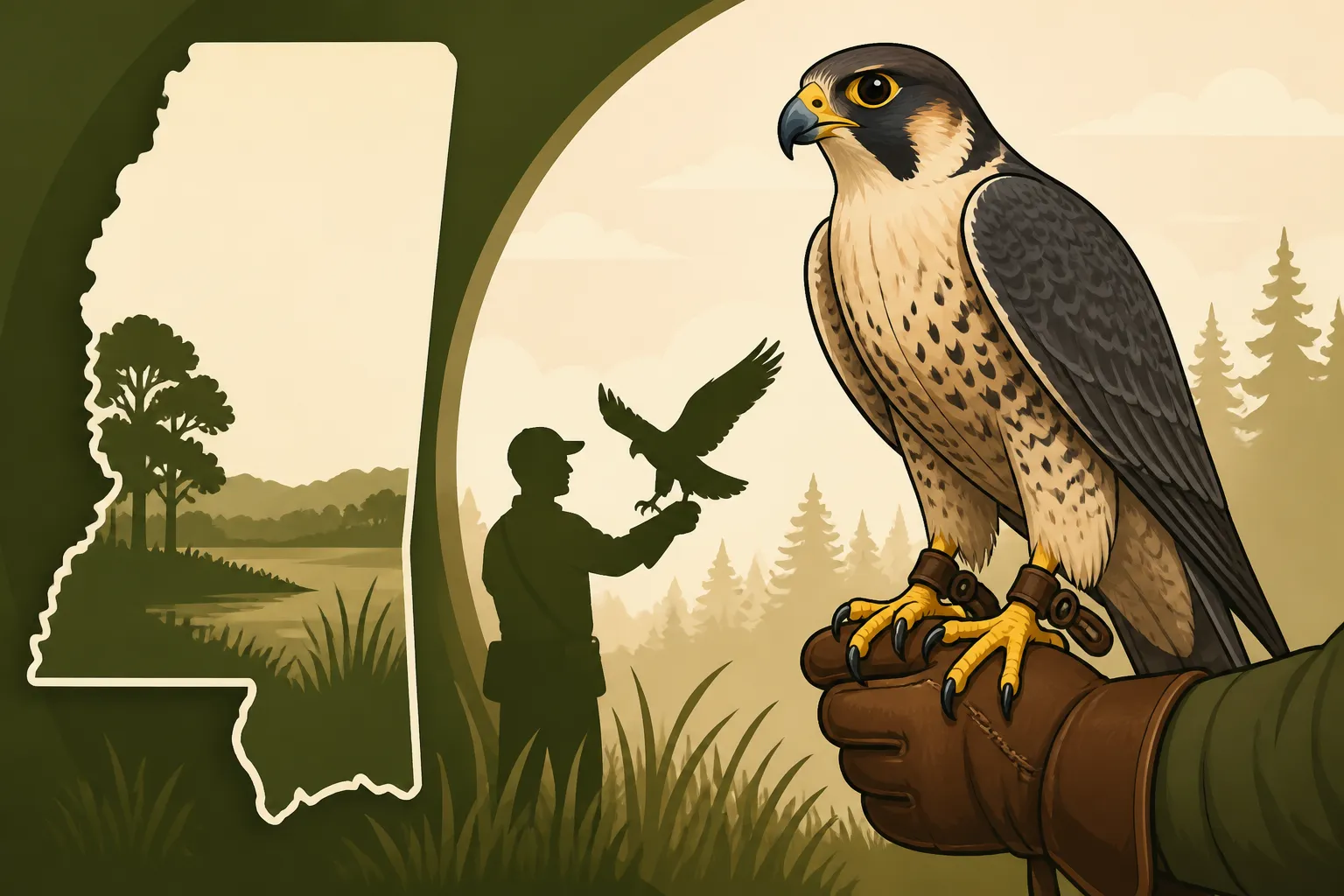
Falconry isn't just a hobby; it's a deep, historical tradition, a lifestyle, and a serious commitment to the art of hunting with trained raptors. In Mississippi, like most states, it's regulated by both state and federal laws to ensure the welfare of the birds and the ethical practice of the sport. It's definitely not something you jump into on a whim, and the licensing process reflects that dedication.
Why Falconry Licenses Exist
You might wonder why such a specialized license is necessary. Well, imagine if everyone could just go out and catch a hawk or an owl from the wild. It wouldn't take long for raptor populations to suffer, and it certainly wouldn't guarantee the birds were being cared for properly. The Mississippi Department of Wildlife, Fisheries, and Parks (MDWFP), in conjunction with federal guidelines, issues falconry licenses to ensure a few critical things. First, it ensures that anyone possessing a raptor for falconry is knowledgeable about its care, husbandry, and training. These are wild animals, not pets, and they require very specific environments, diets, and medical attention. Second, it regulates the take of wild birds for falconry purposes, preventing over-harvesting and ensuring sustainable practices. Lastly, it upholds ethical hunting standards, making sure the birds are used humanely and in accordance with established rules. This isn't a free-for-all; it's a privilege, and the licensing system maintains that integrity.
The Different Classes of Falconry Permits
Just like many other skilled trades or professions, falconry in Mississippi has a tiered licensing system. You don't just get one license and you're good for life. You start at the bottom, learn the ropes, and slowly work your way up. This structured progression is designed to provide hands-on experience and gradually increase your responsibilities and privileges as your knowledge and skills grow. It's a system built on mentorship and proven competence, ensuring that each step forward is earned.
Here's a breakdown of the three main classes of falconry permits you'll encounter in Mississippi:
- Apprentice Class: This is where everyone starts. You're considered a beginner, and rightly so. The Apprentice Class is heavily focused on learning, requiring a dedicated sponsor to guide you through your first two years. You're limited in the types of raptors you can possess (typically a Red-tailed Hawk or an American Kestrel) and the number of birds you can hold (one). This phase is all about mastering the basics of husbandry, training, and ethical hunting under strict supervision.
- General Class: After at least two years as a practicing apprentice, and with a recommendation from your sponsor, you can apply for a General Class license. This signifies a significant step up, indicating you've demonstrated competence and responsible falconry practices. With this license, you gain more flexibility in the species of raptors you can possess (up to three birds at a time) and slightly more autonomy in your hunting pursuits. You're still expected to adhere to high standards, but the direct, day-to-day supervision of a sponsor is no longer mandatory.
- Master Class: This is the pinnacle of falconry licensing, requiring at least five years of experience as a General Falconer. Achieving Master Class status means you are recognized as an expert, capable of handling a wider array of raptor species and maintaining a larger collection of birds (up to five). Master falconers are often the ones who become sponsors for new apprentices, passing on their extensive knowledge and preserving the tradition. It's a testament to years of dedication, learning, and successful practice in the field.
Step-by-Step Guide to Getting Your Mississippi Falconry License
Getting started in falconry might seem daunting, especially with all the regulations, but breaking it down into manageable steps makes the journey much clearer. It's not a race; it's a marathon where patience and perseverance are your best tools.
Starting with an Apprentice Permit
The first hurdle, and arguably the most important, is securing your Apprentice Class falconry permit. This isn't just paperwork; it’s about proving your commitment and readiness.
- Find a Sponsor: This is non-negotiable and often the toughest part. As an Apprentice, you absolutely must have a General or Master Class falconer willing to sponsor you for at least your first two years. This person will be your mentor, guide, and instructor, teaching you everything from how to properly feed and house your bird to how to hunt with it ethically. Finding a sponsor usually involves networking with local falconry clubs (like the Mississippi Falconry Association, if active), attending field meets, or simply reaching out to established falconers in your area. Don't expect to just call someone up and have them agree; they need to see your dedication and seriousness. Many aspiring falconers find this step alone takes months, if not years, as sponsors are taking on a significant responsibility.
- Pass the Falconry Exam: Before you can even think about getting a bird, you'll need to pass a written examination administered by the MDWFP. This isn't a trivial test. It covers a vast array of topics including raptor biology, care, diseases, regulations, hunting techniques, and identification of protected species. You'll need to study extensively. Resources are available through the MDWFP and national falconry organizations. The goal here is to ensure you have a foundational understanding of what you're getting into, minimizing risks to the birds and preventing irresponsible practices.
- Construct Your Facilities: Once you pass the exam and have a sponsor, the MDWFP will inspect your proposed facilities, known as "mews" (indoor housing) and "weathering areas" (outdoor perches). These facilities must meet stringent federal and state standards to ensure the health, safety, and comfort of the raptor. This includes specific dimensions, proper ventilation, perching materials, access to fresh water, and predator-proofing. Failing this inspection means no permit, so plan your construction carefully. Your sponsor will be invaluable in helping you design and build these to code.
- Submit Your Application: With a passed exam, a confirmed sponsor, and approved facilities, you can finally submit your application to the MDWFP. This typically includes a federal application as well. You’ll need to provide details about your sponsor, your facilities, and affirm your understanding of the regulations. Remember, every step in this process is about demonstrating your readiness and responsibility. Once approved, you'll receive your Apprentice Class permit, and only then can you legally acquire your first raptor. For any hunting activities, you will still need to ensure you have a valid Mississippi Hunting Licenses and What They Cost.
Advancing to a General Class License
Moving from Apprentice to General Class is a testament to your hard work and successful navigation of the initial stages of falconry. It signifies a greater level of independence and expertise.
- Complete Your Apprenticeship: You must maintain an Apprentice Class permit for at least two consecutive years, actively practicing falconry. This means regularly hunting with your bird and keeping meticulous records. Your sponsor will be observing your progress throughout this time, evaluating your skills, your bird's condition, and your adherence to ethical standards. This isn't just about the clock ticking; it's about genuine, hands-on learning and practical experience.
- Secure Sponsor Endorsement: Your sponsor plays a critical role in your advancement. They must formally recommend you for a General Class license, certifying that you have demonstrated sufficient knowledge, skills, and responsible behavior to manage raptors independently. This endorsement is a crucial part of your application to the MDWFP. It confirms that someone with established expertise believes you are ready for the next step.
- Apply for General Class: With your sponsor's endorsement, you can then apply to the MDWFP for your General Class permit. This application will require you to outline your experience as an Apprentice, confirm your current facilities (which may be re-inspected), and provide any other requested documentation. At this stage, you’ll want to be familiar with resources like GoHunt for staying organized with regulations and hunting areas. The MDWFP will review your application, and upon approval, you'll be granted your General Class license. This opens up opportunities to keep different species and up to three birds at a time, but also increases your responsibility. Remember, a general hunting license, like a Mississippi Resident Sportsman's License Cost or a Mississippi Nonresident License Options, is typically required in addition to your falconry permit for actual hunting activities.
Achieving Master Class Status
Reaching Master Class status is an accomplishment that truly sets you apart within the falconry community. It represents a lifetime of dedication and a deep understanding of raptor behavior, training, and conservation.
- Years of General Class Experience: To even be considered for Master Class, you must hold a General Class permit for a minimum of five continuous years. This extended period ensures you've encountered a wide range of situations, successfully trained and hunted with multiple raptors, and developed a mature understanding of falconry. It's about seasoned experience, not just proficiency.
- Demonstrate Advanced Expertise: While there isn't another formal exam, your application for Master Class will typically require you to detail your extensive experience, species managed, hunting successes, and contributions to falconry or raptor conservation. You might be asked to provide references or documentation of your involvement in the falconry community. The MDWFP wants to see that you're not just capable, but a true expert and advocate for the sport.
- Master Class Application: Once you meet the experience requirements, you can submit your Master Class application. This is a comprehensive review of your falconry career. Upon approval, you'll be granted the highest level of falconry license, allowing you to possess up to five raptors and participate in activities like breeding certain species, depending on specific permits. This elite status also often comes with the expectation that you will mentor new falconers, ensuring the tradition continues. When considering hunting opportunities, don't forget to consult resources like GoHunt for mapping tools and public land access, especially if you're looking for new areas to hunt Mississippi Small Game Season Rules or exploring different Public Hunting Land in Mississippi options.
The Commitment and Responsibilities of a Mississippi Falconer
Becoming a licensed falconer in Mississippi is just the first step. The true essence of falconry lies in the ongoing commitment to your birds and the ethical practice of the sport. This isn't a casual pursuit; it demands a significant investment of time, resources, and emotional energy.
Housing and Care Standards for Raptors
One of the most important responsibilities of a falconer is providing exemplary care for their raptors. These are wild animals, and while they can be trained, their fundamental needs remain rooted in their wild nature. Poor care not only jeopardizes the bird's health but can also lead to license revocation and severe penalties.
Your facilities, whether mews or weathering areas, must be maintained to the highest standards. This means regular cleaning to prevent disease, continuous monitoring of temperature and humidity, and ensuring the structures remain secure from predators and escape. Consider the Mississippi climate; a secure, well-ventilated mew is crucial in the hot, humid summers, while protection from winter chills is equally important. Your raptor's diet must be appropriate for its species, typically consisting of whole prey animals, and meticulously weighed to maintain optimal health and hunting weight. Fresh water must always be available.
Beyond the physical facilities, daily interaction and observation are key. You'll need to develop a keen eye for subtle changes in your bird's behavior, appetite, or droppings, as these can be early indicators of illness or stress. Regular check-ups with an avian veterinarian specializing in raptors are also a part of responsible ownership. Falconry is a 365-day-a-year commitment; there are no days off from ensuring your bird's well-being. This constant vigilance is part of what makes falconry such a profound bond.
Ethical Hunting Practices and Regulations
Falconry, at its heart, is a hunting sport, and as such, it comes with a strict code of ethics and a specific set of regulations governing how and what you can hunt. It's not about trophy hunting; it's about the chase, the partnership with your bird, and the respectful harvest of game.
First and foremost, you must always adhere to all state and federal hunting laws, including season dates, bag limits, and legal methods of take for the species you are pursuing. For example, if you're hunting small game like squirrels or rabbits, you need to be aware of Mississippi Squirrel and Rabbit Populations and their respective seasons. Falconers typically hunt small game species like rabbits, squirrels, and various game birds. You cannot hunt protected species or those out of season, regardless of your falconry license. Many falconers use resources like the GoHunt app to quickly check regulations and verify boundaries while in the field, which can be particularly useful when you're hunting on Mississippi Wildlife Management Areas where specific rules apply.
The ethical considerations extend to the hunt itself. You must always prioritize the safety and well-being of your raptor. This means flying your bird in appropriate conditions, avoiding areas with known hazards, and ensuring it has a fair chance to catch its prey without undue stress. You are also responsible for the humane dispatch of any quarry your bird catches. It's a fundamental principle of falconry that the falconer ensures a swift and clean kill if the raptor doesn't achieve it immediately. This respect for the quarry and the hunting process is paramount. Furthermore, understanding the nuances of how a mentor must remain with an apprentice, similar to rules found in Mississippi Apprentice Hunter License Rules, reinforces the importance of safe and ethical practices, especially for beginners.
Frequently Asked Questions About Mississippi Falconry
When people first learn about falconry, a lot of common questions pop up. It's natural to have curiosities about such a unique and demanding endeavor. Let's tackle a couple of the most frequent ones.
Costs and Renewals
One of the first things people ask is, "How much does all this cost?" And honestly, it's not a cheap hobby. The initial investment can be substantial, and there are ongoing costs.
The actual license fee for a Mississippi falconry permit is usually relatively modest, often in line with other specialized hunting permits. However, that's just the tip of the iceberg. You'll need to factor in the costs of building your mews and weathering areas, which can range from a few hundred dollars for a basic setup to thousands for more elaborate, custom-built facilities. Then there's the equipment: jesses, leashes, bells, telemetry units (which are highly recommended for tracking your bird), perches, scales, and specialized gloves. This equipment alone can easily run into hundreds of dollars.
Beyond the initial outlay, there are recurring expenses. Your raptor will need a high-quality diet, often purchased from specialized suppliers or harvested yourself. Veterinary care from a raptor specialist can be expensive, especially if your bird develops an illness or injury. There are also costs associated with maintaining your facilities, like repairs or upgrades. And don't forget your regular Mississippi Hunting Licenses and What They Cost and any WMA permits you might need if you plan to hunt on public land.
As for renewals, Mississippi falconry permits typically need to be renewed periodically, often every one to three years, depending on state regulations. This usually involves a renewal fee and confirming that your facilities still meet standards and that you are actively practicing falconry. The Mississippi License Year Start Date is a good point of reference for all your hunting and fishing license renewals, including falconry. It’s vital to stay on top of these deadlines to avoid any lapse in your permit.
Finding a Sponsor
This is, without a doubt, the single biggest roadblock for most aspiring falconers. Finding a sponsor is less about filling out a form and more about building a relationship. Many people dream of falconry, but few understand the true commitment, and experienced falconers are wary of taking on someone who isn't genuinely dedicated.
A sponsor isn't just someone who signs off on your application; they are your teacher, your mentor, and they are personally responsible for your actions as an apprentice. This is a huge responsibility for them, so they want to ensure you are serious.
Here’s some realistic advice on finding a sponsor:
- Network Aggressively: The best way to find a sponsor is through existing falconers. Search for the Mississippi Falconry Association online or look for falconry clubs in neighboring states if Mississippi's is less active. Attend their annual meets, field days, or even just social gatherings. Show up, introduce yourself, and express your genuine interest and willingness to learn. Don't expect to be handed a sponsor on your first visit; it's about making connections over time.
- Demonstrate Commitment: Before even asking someone to be your sponsor, show them you're serious. Read every book you can get your hands on about falconry. Spend time observing raptors in the wild. Volunteer at a local raptor rehabilitation center. The more you educate yourself and show initiative, the more likely a seasoned falconer will take you seriously.
- Be Patient: Finding a sponsor can take months or even years. Many experienced falconers are already busy with their own birds, families, and jobs. They also want to ensure they choose someone who will stick with it and treat the birds ethically. Don't get discouraged if you don't find someone immediately. Persistence, coupled with demonstrated passion, will eventually pay off.
- Offer to Help: If you connect with a falconer, offer to help them with their mews, cleaning, or even just scouting for game. Showing that you're willing to put in the grunt work, even before you have your own bird, speaks volumes about your character and dedication.
| License Class | Minimum Age | Sponsor Required? | Minimum Experience | Number of Raptors | Species Restrictions |
|---|---|---|---|---|---|
| Apprentice | 12 | Yes | None | 1 | Limited (e.g., Red-tailed Hawk, American Kestrel) |
| General | 16 | No (after initial sponsorship) | 2 years as Apprentice | 3 | More options, but still restricted |
| Master | 21 | No | 5 years as General | 5 | Broadest selection, some exceptions |
Note: Specific species allowed and age requirements can vary slightly, always consult current MDWFP regulations.
Disclaimer
The information provided in this guide is intended for informational purposes only and does not constitute legal advice. While we strive to ensure accuracy, hunting and falconry regulations are subject to change. Always consult the official Mississippi Department of Wildlife, Fisheries, and Parks (MDWFP) website or contact them directly for the most current and authoritative regulations before engaging in any falconry or hunting activities.