Mississippi Spring Turkey Bag Limit Rules
Navigating the ever-evolving rules and regulations for hunting can feel like trying to hit a moving target, and Mississippi’s spring turkey season is no exception. Between statewide limits, special provisions for our youngest hunters, and the essential conservation efforts tied to your license, it's easy to get turned around. This comprehensive guide is here to clear up all the confusion, ensuring you understand the Mississippi spring turkey bag limit rules so you can focus on the gobblers, not the guesswork.
Understanding the Statewide Spring Turkey Bag Limit
When that first warm breeze hints at spring, every turkey hunter in Mississippi starts dreaming of booming gobblers. But before you head out, knowing the statewide bag limit for adult gobblers is absolutely crucial. These aren't just arbitrary numbers; they're carefully set to ensure our turkey populations remain healthy and thriving for generations to come.
The Standard Adult Gobbler Limit
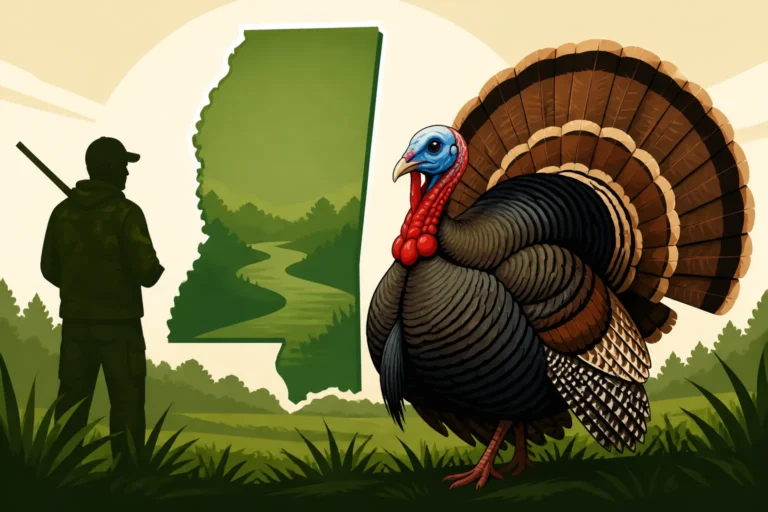
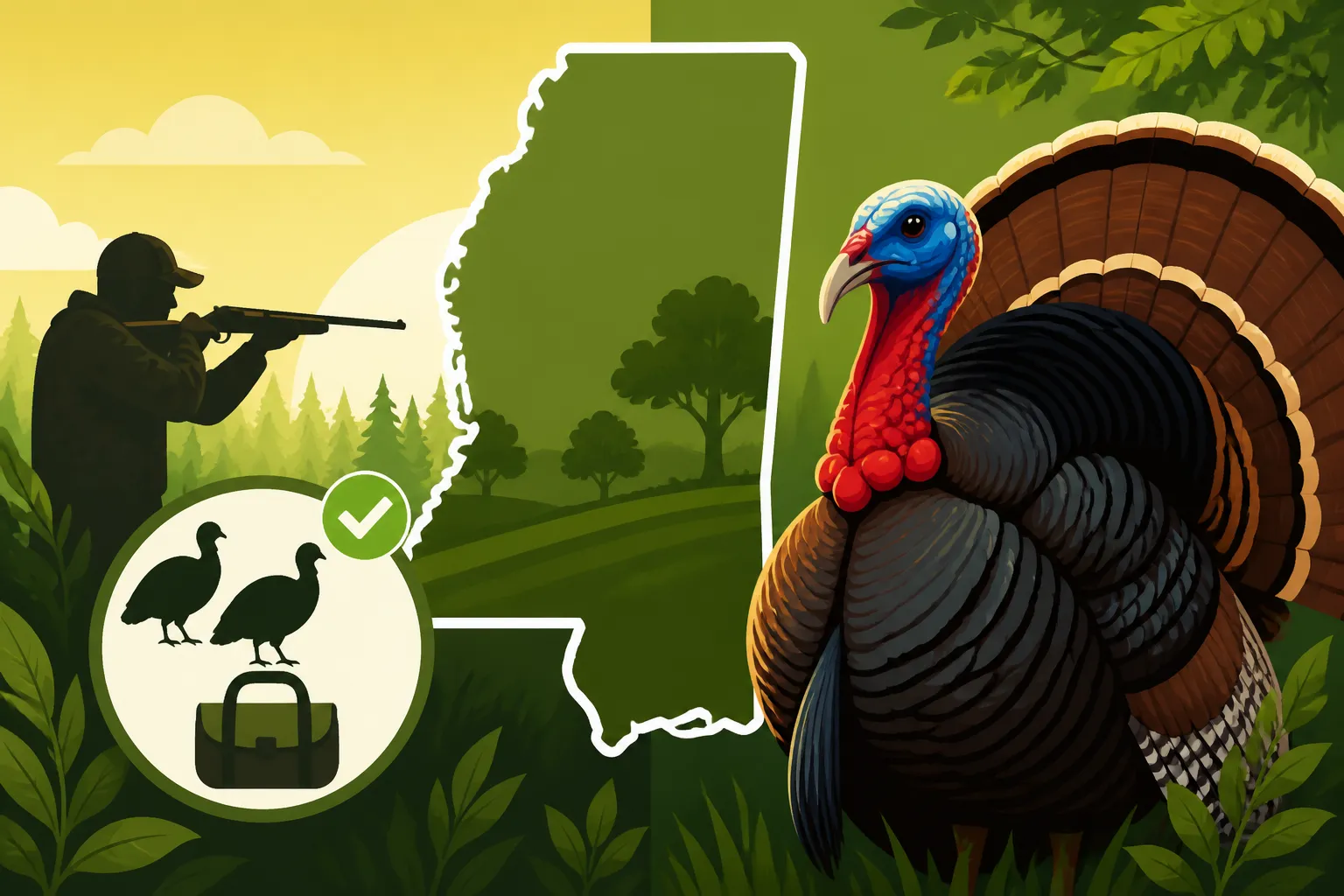
For most adult hunters in Mississippi, the standard bag limit for the entire spring turkey season is one adult gobbler per day, not to exceed three (3) adult gobblers per spring season. This means if you're lucky enough to tag a bird in the morning, you're done for the day, but you can head back out another day to try for your second and third. It's a system designed to spread out the harvest and give more hunters a chance to experience success over the course of the season, which typically runs from mid-March through early May. This particular rule, the Mississippi Adult Turkey Bag Limit, is something the Mississippi Department of Wildlife, Fisheries, and Parks (MDWFP) reviews regularly, balancing hunter opportunity with population management.
Think about it this way: if you’ve been scouting hard, found a few good birds, and managed to call one in and seal the deal on opening weekend, that’s fantastic! You’ve still got two more tags to fill on separate days. This framework encourages responsible hunting and gives the birds a bit of a break, preventing over-harvesting specific areas too quickly. It allows for sustained pressure without decimating local populations, a delicate balance that wildlife managers constantly strive to maintain.
Why These Limits Are in Place
These limits aren't set on a whim; they're the result of years of data collection, scientific research, and population modeling by the MDWFP. Their primary goal is conservation – ensuring a sustainable wild turkey population across the state. Factors like nesting success, poult-to-hen ratios, habitat availability, and even predator impact all play a role in determining how many birds can be harvested responsibly each year. When you look at Mississippi Turkey Population Trends, you'll see that these regulations are adjusted to reflect the health of the flock.
The MDWFP constantly monitors trends in Mississippi Turkey Harvest Numbers and surveys to understand the health and distribution of the state's wild turkeys. Lower bag limits can be a proactive measure if populations show signs of decline, while stable or growing populations might allow for more liberal limits in future seasons. It's all about balancing the thrill of the hunt with the long-term health of this incredible game species. As hunters, adhering to these rules isn't just about legality; it's about being good stewards of the land and the wildlife we cherish.
The Impact of Recent Rule Changes
Wildlife management is a dynamic field, and rule changes are a part of that ongoing process. Over recent years, Mississippi has seen adjustments, such as the introduction of a new Wild Turkey Stamp, which is a testament to the state's commitment to turkey conservation. These changes, sometimes subtle, can significantly impact how and where you hunt. For example, understanding Mississippi Spring Turkey Season Rules often means keeping up with the latest updates from the MDWFP.
I remember a few years back, there was some discussion around adjusting the season length, and while the bag limit itself stayed consistent for adults, even a slight shift in season dates can change your hunting strategy. This constant adaptation means it’s vital to check the latest regulations every single year before you hit the woods. Don't rely on last year's knowledge, because what was legal then might not be now. Tools and resources from organizations like GoHunt are invaluable for keeping up with these changes, offering timely updates and breakdowns that help hunters stay informed and compliant, planning their trips with confidence.
Special Considerations for Youth Hunters
Mississippi is deeply committed to fostering the next generation of hunters, and that commitment is reflected in the special regulations designed for youth turkey season. These provisions aren't just about providing opportunities; they're about education, mentorship, and building a strong foundation for ethical hunting practices. It’s an incredibly important part of our hunting heritage here in the Magnolia State.
Youth Turkey Bag Limits Explained
For young hunters, the rules are slightly different, and often more generous in terms of timing, though the overall limit remains mindful of conservation. Generally, the Mississippi Youth Turkey Bag Limit Rules allow youth hunters (typically under 16, but always check the current year’s regulations for exact age cutoffs) to harvest one adult gobbler per day, not to exceed three (3) adult gobblers per spring season. Crucially, youth hunters often get an early start to the season. This youth-only weekend, usually held a week or two before the statewide opener, is a fantastic chance for kids to experience turkey hunting without the added pressure of a full crowd of adult hunters.
This early access helps create a less competitive environment and makes it easier for mentors to dedicate their time solely to the youth hunter. Imagine being a youngster, having the woods largely to yourself, learning to call, set up, and ultimately, harvest a gobbler with your parent or guardian right by your side. It’s an unforgettable experience that builds confidence and respect for wildlife. These early hunts are a significant tool in recruitment and retention, getting kids hooked on the outdoors early.
The Importance of Youth Hunting Opportunities
These youth-specific seasons and bag limits are more than just a perk; they are a vital investment in the future of hunting. With fewer young people participating in outdoor sports today, creating accessible and encouraging opportunities is paramount. Youth hunts provide a structured, supportive environment where new hunters can learn the ropes without feeling overwhelmed. It’s where traditions are passed down, skills are taught, and a deep appreciation for wildlife and conservation begins to grow.
The MDWFP, along with various conservation groups, understands that getting kids out there is critical. Not only does it secure the future of hunting, but it also instills a respect for nature, teaches patience, and develops outdoor skills that last a lifetime. For many of us, our earliest hunting memories are some of our fondest, shaped by the guidance of an experienced hunter. These specific youth seasons ensure that those memories continue to be made by the next generation of Mississippi hunters.
Mentorship and Learning the Ropes
A youth turkey hunt isn't just about pulling the trigger; it's a mentorship opportunity. It's about teaching everything from scouting for Where Mississippi Turkeys Are Densest to proper gun safety, understanding turkey behavior, effective calling techniques, and the importance of ethical shot placement. It's also where young hunters learn about the challenges – the early mornings, the missed opportunities, and the need for persistence. This hands-on learning is invaluable.
I’ve seen firsthand the joy and pride on a young hunter's face after they've successfully called in and harvested their first gobbler. But I’ve also seen the lessons learned when a bird hangs up, or a call goes unanswered. These moments, both successful and challenging, are crucial for developing resilient and knowledgeable hunters. Mentors teach them to be observant, to understand Poult-to-Hen Ratios and What They Mean (even if simplified), and to appreciate the entire experience, not just the harvest. It’s about building a connection to the land and its creatures that will last long after the season ends.
Unit-Specific Regulations and Exceptions
While the statewide bag limit gives you the general framework, Mississippi's diverse landscapes and regional turkey populations mean that sometimes, the rules can get a little more granular. It's not always a one-size-fits-all situation, especially when you consider specific public lands. Ignoring these nuances could lead to a less-than-ideal hunting trip, or worse, a violation.
How Mississippi's Zones Affect Bag Limits
For deer hunting, Mississippi is divided into distinct management units, each with its own set of rules. However, when it comes to spring turkey, the state generally operates under a more unified, statewide bag limit for adult gobblers. This means that whether you're hunting in the Delta, the Piney Woods, or the Loess Bluffs, the one-gobbler-per-day, three-per-season rule typically applies to adult hunters. The emphasis for turkey management isn't usually on distinct units, but rather on statewide trends and localized habitat conditions.
That being said, always double-check the current MDWFP regulations before heading out. While the bag limit itself might be statewide, the season dates for Mississippi Spring Turkey Season Rules can sometimes have minor variations, especially for private land versus public land openers, or during special youth windows. It’s a good practice to consult the MDWFP's official hunting guide or a reliable source like GoHunt, which often provides unit-by-unit breakdowns for all game, to confirm no unexpected variations have been introduced for turkeys in your specific hunting area.
Wildlife Management Area (WMA) Quota Hunts and Special Limits
This is where things can get a bit more complex. Many of Mississippi's Wildlife Management Areas (WMAs) operate under their own specific regulations, which can, at times, deviate from the statewide rules. This is particularly true for quota hunts or areas managed for specific conservation goals. For example, some WMAs might have reduced bag limits, specific check-in/check-out requirements, or even different legal shooting hours.
It's common for WMAs to have quota hunts for turkey, meaning you have to apply and be drawn to hunt that specific area during a specific timeframe. These hunts are often designed to manage hunting pressure and provide high-quality hunting experiences, but they can come with their own set of unique bag limits or harvest restrictions. Before you plan your WMA trip, it is absolutely essential to consult the specific WMA regulations page on the MDWFP website. Don't assume the statewide rules apply. Ignorance of these WMA-specific rules is not a defense, and a simple check can save you a lot of grief. For example, if you're planning to hunt in an area that requires a WMA Permit Requirement, you'll need to know those rules inside and out.
Private Land Versus Public Land Nuances
The core bag limit of three adult gobblers per season generally holds true whether you're hunting private land or public land. However, the experience and often the specific logistics can differ greatly. On private land, you have the advantage of less hunting pressure, allowing for more consistent patterning of birds and potentially more success. You might also have more flexibility in terms of scouting and land access, within your landowner's permission.
Public land, on the other hand, can offer vast tracts of huntable land, but it often comes with higher hunting pressure, especially on popular WMAs or National Forests. While the bag limit itself remains consistent, the tactics you employ might change drastically. For instance, Run-and-Gun Turkey Tactics on Public Land might be more effective when dealing with pressured birds compared to setting up a blind for Roost Hunting Mississippi Gobblers on private acreage. Always ensure you have proper permission for private land, and for public land, double-check any WMA-specific rules or restrictions beyond the general state regulations.
The Wild Turkey Stamp and What It Means
Beyond the bag limits, there's another crucial component to responsible turkey hunting in Mississippi that sometimes catches hunters by surprise: the Wild Turkey Stamp. This isn't just another fee; it's a direct investment in the very resource we love to pursue.
Who Needs to Buy the Wild Turkey Stamp
As of a few seasons ago, Mississippi introduced a mandatory Wild Turkey Stamp for all turkey hunters, both residents and non-residents, unless otherwise exempt (such as certain youth or lifetime license holders, but again, always verify current exemptions). This means that if you plan on pursuing a gobbler during the spring season, you'll need to purchase this stamp in addition to your regular hunting license. This Who Must Buy the New Wild Turkey Stamp is a fairly recent change and one that's designed with a very specific purpose in mind.
It's an easy add-on when you purchase your license online through the MDWFP portal or at a local license vendor. Don't forget it, because being caught without one can result in a fine and ruin your hunt. Think of it as your official permission slip to specifically pursue turkeys, ensuring that you're directly contributing to their future. The Wild Turkey Stamp Cost in Mississippi is minimal compared to the impact it has on the species.
Funding Turkey Conservation Efforts
The funds generated from the sale of the Wild Turkey Stamp go directly to turkey conservation and management efforts within Mississippi. This is huge! It means your dollars are earmarked specifically for things like habitat improvement projects, scientific research into turkey populations, disease monitoring, and supporting enforcement of hunting regulations. These are the unsung heroes of wildlife management that ensure we continue to have healthy turkey populations.
These funds help biologists understand critical data points like survival rates, nesting success, and how various management strategies impact the overall health of the flock. They also contribute to purchasing and managing lands for turkey habitat, ensuring that these birds have ample space to thrive. So, when you buy that stamp, know that you’re not just buying a piece of paper; you’re investing in the very future of Mississippi’s wild turkeys and ensuring that those thrilling gobbler encounters will continue for future generations. It's a tangible way hunters can directly contribute to the resource they enjoy.
How the Stamp Supports Your Hunting Future
Ultimately, the Wild Turkey Stamp is an investment in your own hunting future and the future of those who will follow in your footsteps. By directly funding conservation, it helps maintain healthy turkey numbers, which in turn supports the hunting opportunities we all cherish. Without dedicated funding, these critical programs would struggle, and the quality of hunting could suffer.
It also strengthens the voice of hunters as conservationists. When we actively contribute financially to the well-being of game species, it demonstrates our commitment and passion beyond just the act of hunting. It's a way of saying, "We care about these animals and their habitat, and we're willing to put our money where our mouth is." This collective effort, bolstered by initiatives like the turkey stamp, is what allows us to keep Hunting the Statewide Turkey Opener in March year after year with good prospects of success.
Reporting Your Harvest and Staying Compliant
Congratulations, you've successfully punched your tag! But the hunt isn't truly over until you've completed one final, crucial step: reporting your harvest. This isn't merely a formality; it's a cornerstone of modern wildlife management and absolutely essential for maintaining accurate population data and ensuring the future of turkey hunting in Mississippi.
The Mandatory Turkey Reporting Process
In Mississippi, reporting your turkey harvest is mandatory. Every gobbler you take, whether it's your first or your third, must be reported to the MDWFP within a specific timeframe – typically by midnight on the day of harvest. This is a critical piece of data that wildlife biologists use to track harvest trends, understand population health, and make informed decisions about future regulations, including the spring turkey bag limit rules.
Failing to report your harvest is a violation and can carry penalties. It's not worth the risk. The process itself is straightforward and designed to be as convenient as possible for hunters. The MDWFP provides several methods, including online reporting through their website or via their official mobile app. This data, combined with information like Mississippi Turkey Population Estimate and Poult-to-Hen Ratios and What They Mean, helps paint a complete picture of the state's turkey populations.
Consequences of Not Reporting a Harvest
Seriously, don't skip this step. Not reporting a turkey harvest is a legal infraction. While the exact penalty can vary, you could face fines, administrative costs, and potentially even loss of hunting privileges. Beyond the legal ramifications, there's an ethical component. Every unreported bird is a gap in the MDWFP's data. If enough hunters fail to report, it can skew the numbers, leading biologists to misinterpret population trends.
Imagine if everyone decided not to report their birds – the MDWFP would have no accurate way to gauge the harvest, potentially leading to unnecessary restrictions or missed opportunities for management improvements. Your small effort in reporting a bird contributes to a much larger, more accurate picture that benefits all hunters. It’s part of our collective responsibility to the resource and to each other as ethical hunters. So, make it a habit, just like unloading your firearm, to report that bird.
Using the MDWFP App for Easy Reporting
The easiest way to report your turkey harvest, for most hunters, is through the official MDWFP mobile app. This app is a game-changer for staying compliant and informed. You can report your harvest directly from the field, often even with limited cell service, by simply entering a few details about your bird (like date, county, and whether it was public or private land) and snapping a quick photo. The app also serves as a digital license holder and a wealth of information about seasons, limits, and WMA rules.
I can't stress enough how convenient this app makes things. No more fiddling with paper tags or trying to remember a website address after a long day in the woods. Just pull out your phone, open the app, and follow the prompts. It's quick, efficient, and ensures that your harvest data is immediately integrated into the state's management system. Make sure you download it and get familiar with it before opening day. GoHunt also has great resources that often link directly to state reporting apps and guidelines, making sure you have all the digital tools at your fingertips.
Summary of Mississippi Spring Turkey Bag Limits
To keep things clear, here’s a quick rundown of the essential bag limit rules for spring turkey in Mississippi:
| Hunter Type | Daily Bag Limit | Seasonal Bag Limit | Special Provisions | Reporting Required |
|---|---|---|---|---|
| Adult | 1 Adult Gobbler | 3 Adult Gobblers | Requires valid hunting license & Wild Turkey Stamp | Yes |
| Youth | 1 Adult Gobbler | 3 Adult Gobblers | Often includes early season opportunities (verify age) | Yes |
| WMA Hunts | Varies by WMA | Varies by WMA | Check specific WMA regulations for quota hunt details | Yes |
Remember, these are the general rules. Always consult the most current MDWFP Hunting & Fishing Guide for any last-minute changes or specific regulations that might apply to your planned hunting area.
Disclaimer
Please remember that hunting regulations, seasons, and bag limits can change. While every effort has been made to provide accurate and up-to-date information, it is the individual hunter's responsibility to verify all regulations with the Mississippi Department of Wildlife, Fisheries, and Parks (MDWFP) before engaging in any hunting activity. This guide is for informational purposes only and should not be considered a substitute for official MDWFP publications.